Nature & Outdoors
Uludağ
Everything you need to plan a ski or summit-climbing trip to Uludağ, from winter slopes and cable car access to summer routes and glacial lakes.
- Summit Elevation
- 2,543 m
- Ski Slopes
- 28 km
- Summit Route
- 14 km
- Climb Time
- 6-8 hours
- Country
- Turkey
- State / City
- Bursa
- Nearby Airport
- Bursa Yenişehir Airport
Passengers
Luggage
Why Uludağ Is a Year-Round Mountain Destination
Uludağ rises to 2,543 m at Kartaltepe and is the highest mountain in Turkey's Marmara region. It combines a well-developed winter ski resort with rugged summer hiking terrain above the tree line, all inside Uludağ National Park close to the city of Bursa.
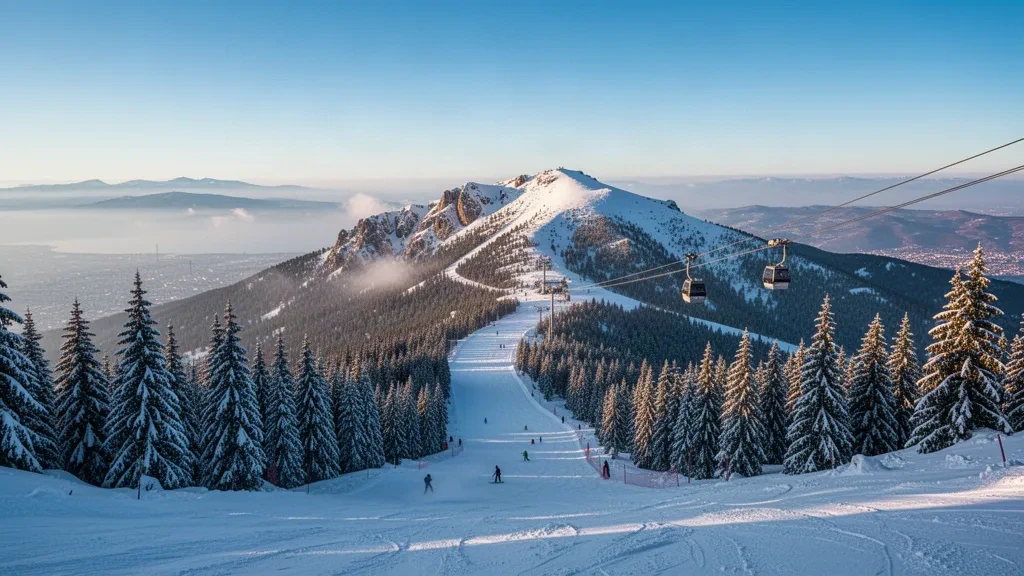
In winter, skiers and snowboarders use roughly 28 km of pistes served by dozens of lifts, while the Bursa Teleferik cable car provides fast panoramic access from the city. In summer, the same mountain transforms into a dry, rocky ridge route to Kartaltepe and Kesistepe, with glacial lakes such as Kilimli, Karagöl and Aynalı lying in lower basins.
- Distance
- 14 km round trip
- Duration
- 6-8 hours
- Difficulty
- Challenging
- Best Season
- June - September
- Starting Point
- Kurbağa Kaya Cable Car Station, Hotels Zone, 1,800 m
The Route, Step by Step
- 1
Kurbağa Kaya Cable Car Station
Start from the final Bursa Teleferik station in the Hotels Zone at approximately 1,800 m.
0 kmStart - 2
Upper Ski Lift Stations
Follow the unpaved service roads beneath the ski lifts to gain elevation above the Hotels Zone.
2 km45 minutes-1 hour - 3
Kesistepe
Continue along the exposed rocky ridge to Kesistepe and its abandoned hut at about 2,486 m.
4 km2-2.5 hours - 4
Saddle Below Kartaltepe
Drop gently into the wide saddle before starting the final climb toward Kartaltepe.
5.5 km3-3.5 hours - 5
Kartaltepe Summit
Reach the summit area at approximately 2,543 m and complete the ascent at the trig pillar.
7 km4 hours
When Is the Best Time to Visit Uludağ?
For skiing, the main season runs from late December to late March, when the pistes between roughly 1,750 m and 2,543 m are covered with snow. Early-season snow is usually powdery, becoming heavier toward the end of the season.
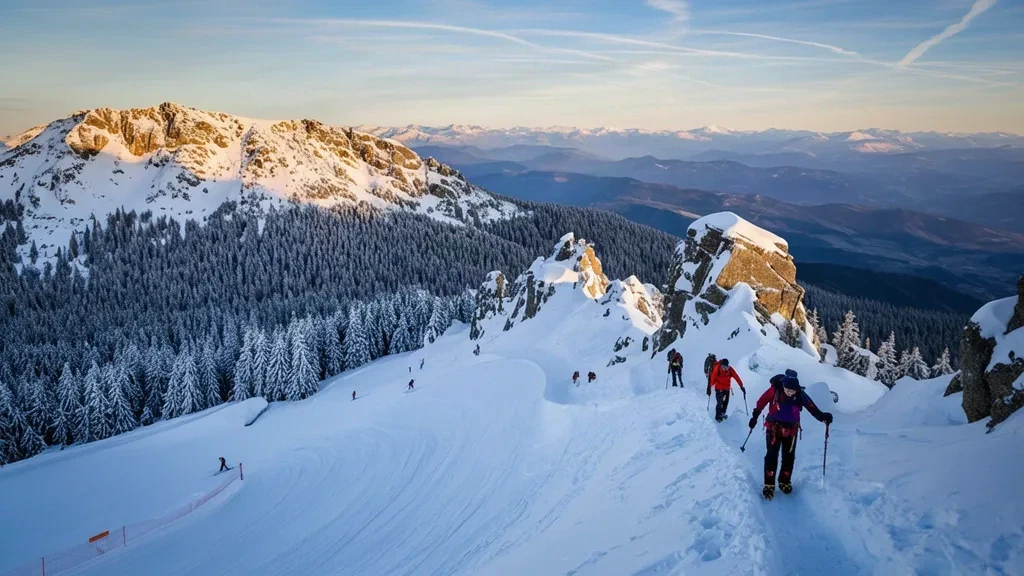
For summer hiking, the most reliable window for the Kartaltepe ridge route is late June through September. Snow patches can linger on the high ridge into early June, and from November to May the exposed crest becomes a serious winter mountaineering route requiring snow equipment and strong navigation.
What the Mountain Actually Feels Like
In winter, Uludağ offers forested, mostly intermediate ski terrain with panoramic views of Bursa and the Marmara region. The Bursa Teleferik cable car ride up through the landscape is part of the experience, delivering visitors directly to the hotel area.
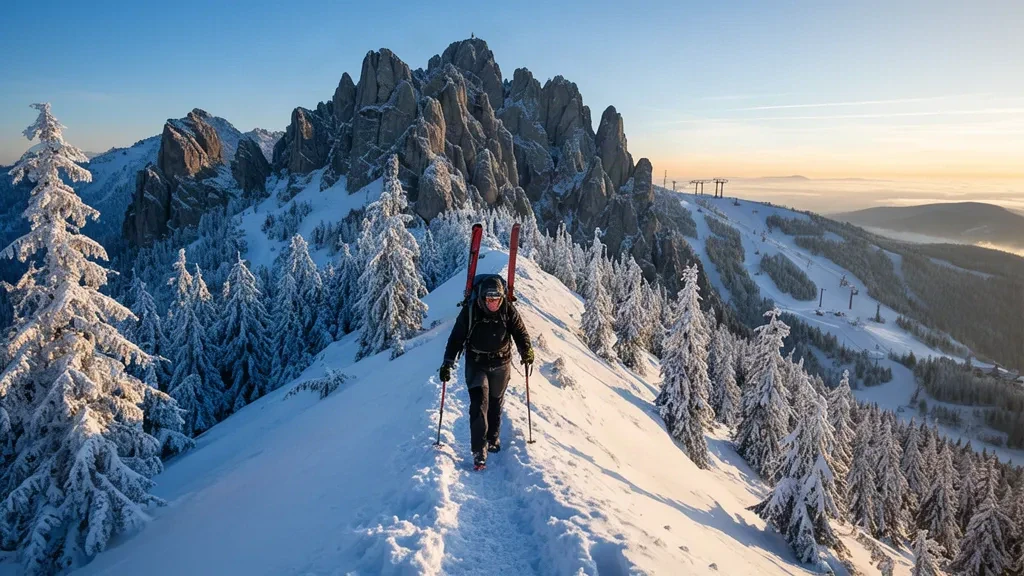
In summer, the summit route leaves the tree line quickly and becomes a dry, rocky ridge with scree, strong wind and no shade. The scenery is harsh and open, with wide views toward the glacial lakes and the surrounding national park, making the climb feel remote and demanding rather than highly technical.
What to Bring
Water
Carry at least 2.5-3 litres per person because there are no water sources on the summit ridge.
Windproof Shell
A windproof layer is essential, as wind chill on the Kesistepe-Kartaltepe ridge drops temperatures quickly.
Trekking Poles
Use poles for stability on the loose scree descents between the peaks.
Sun Protection
Pack high-SPF sunscreen, sunglasses and a hat because the route has no shade above the tree line.
High-Traction Footwear
Wear stiff-soled hiking boots or approach shoes with strong grip for sharp, broken rock.
Getting to Uludağ
Uludağ lies in Bursa province in northwestern Turkey and is reached from the city of Bursa. The most convenient access is the Bursa Teleferik cable car, which climbs from the city to the final Kurbağa Kaya station in the Hotels Zone at about 1,800 m; drivers can instead follow the D-575 mountain road for roughly an hour to the Oteller Bölgesi and pay a national park vehicle entry fee.
From Bursa, travelers can continue with a private transfer, chauffeur service or rental car, while larger groups may prefer a minibus or charter bus depending on their itinerary and group size.
Plan Your Transfer
Explore transport options for the next part of your trip.
Upcoming Events in Bursa
View all events

Frequently asked questions
View all FAQsContinue reading
View all articles
Nature & Outdoors
Berlin's Best Lakes and Outdoor ActivitiesA practical guide to Berlin's most beautiful swimming lakes and nearby outdoor adventures, from Grunewald forest walks to sandy lakeside beaches.
Related Cities in Turkey
View all
Erzincan
Erzincan lies in eastern Turkey along the Euphrates, where layers of Seljuk and Ottoman heritage meet a modern city shaped by resilience and warm Anatolian traditions.
Zonguldak
Zonguldak, a port city on Turkey's Black Sea coast, is steeped in coal mining heritage and offers a striking blend of industrial history, coastal scenery and warm local culture.

Yozgat
Yozgat, a historic city in central Anatolia, blends Hittite, Roman and Ottoman heritage with traditional architecture, quiet neighbourhoods and a relaxed provincial rhythm.
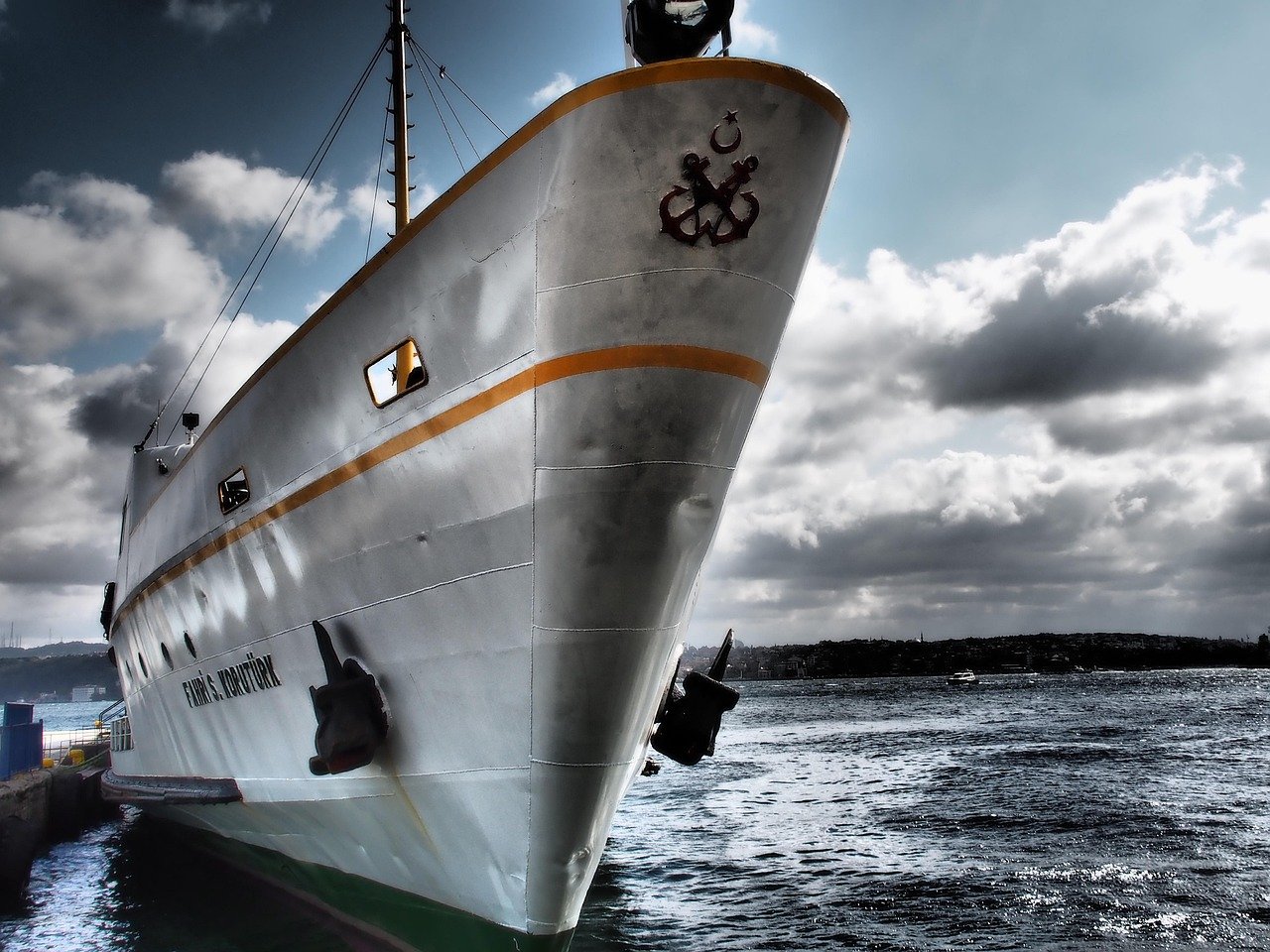
Yalova
Yalova sits on the Marmara coast amid green hills and thermal springs, with a relaxed seaside atmosphere. Its parks, promenades and ferry links to Istanbul make it an easy escape from the city.
Airports in Turkey
View all airports in the country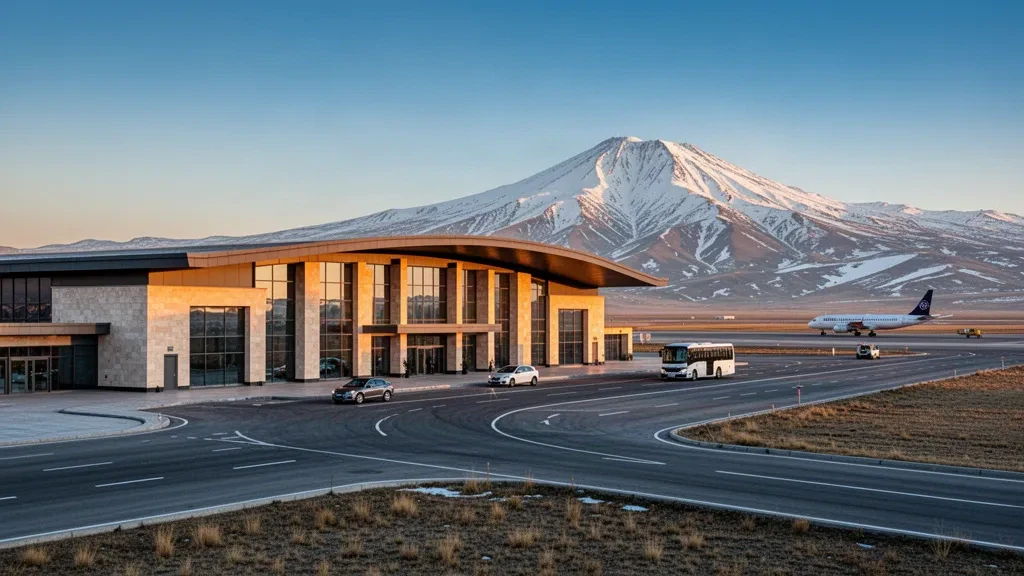
Ağrı Ahmed-i Hani Airport (AJI)
Ağrı Ahmed-i Hani Airport is the main gateway to the city of Ağrı and the Mount Ararat region in eastern Türkiye. It offers connections for travelers continuing to the city centre, nearby towns and the surrounding highland destinations.
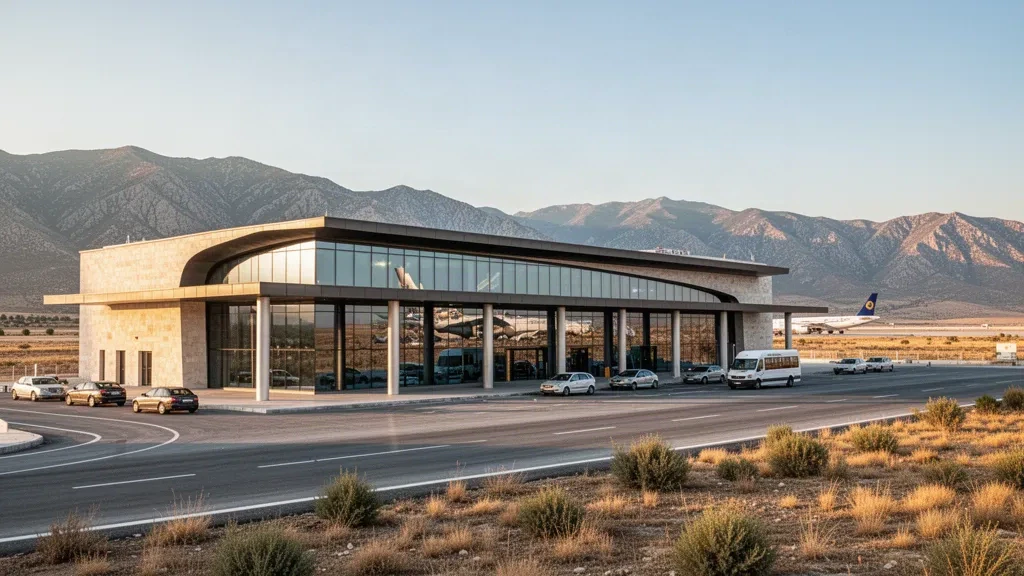
Adıyaman Airport (ADF)
Adıyaman Airport is the main gateway to Adıyaman and the surrounding Southeastern Anatolia region, including Kahta and Mount Nemrut. Compare transfer options to Adıyaman city centre, Kahta and nearby areas, and plan your onward journey with ease.
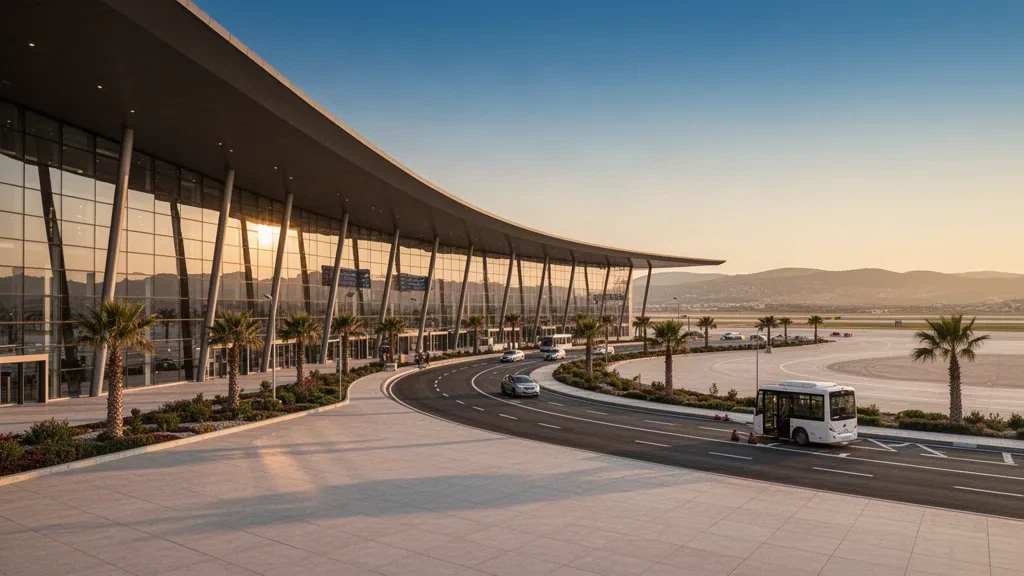
Izmir Adnan Menderes Airport (ADB)
Izmir Adnan Menderes Airport is a key gateway to the city centre and popular Aegean destinations such as Çeşme, Alaçatı, Kuşadası and the Ephesus area. Compare transfer options to Izmir, Çeşme, Alaçatı, Kuşadası and nearby coastal towns to plan your onward journey with ease.
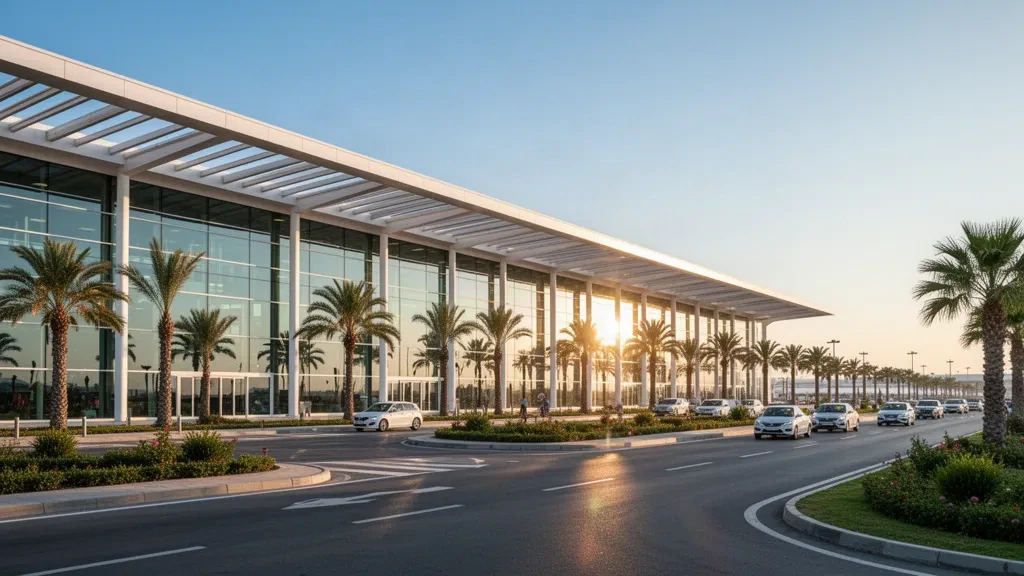
Adana Şakirpaşa Airport (ADA)
Adana Şakirpaşa Airport is a general aviation airport in the Seyhan district of Adana that served as the city's main gateway to the Çukurova region until 2024. Situated only a few kilometres from central Adana, it offers quick access to the city centre and nearby towns, while scheduled flights now operate from Çukurova International Airport.