Service
MICE and event transportation
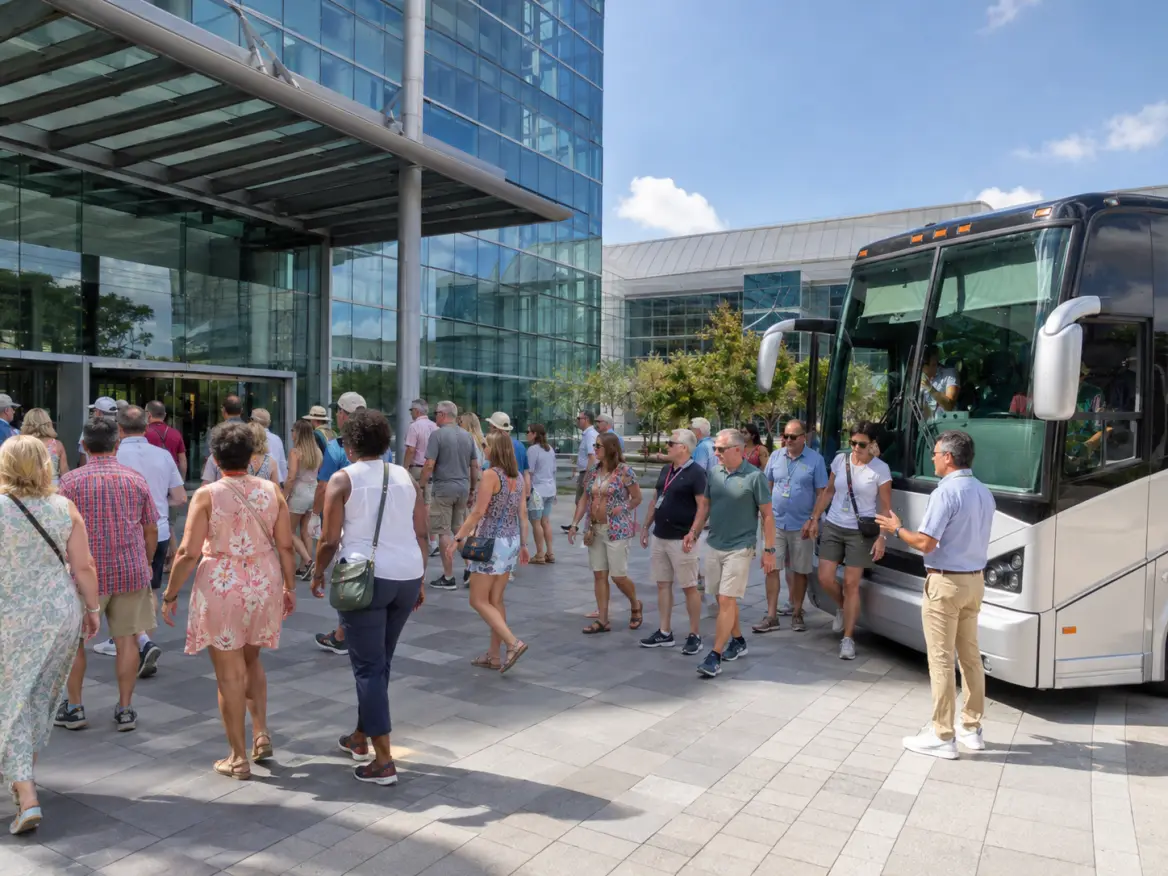
Event transportation covers the movement layer behind meetings, incentives, conferences, exhibitions, and corporate programs. It is useful when traveler categories, route timing, and vehicle mix must be coordinated as part of one event operation.
What event transportation covers
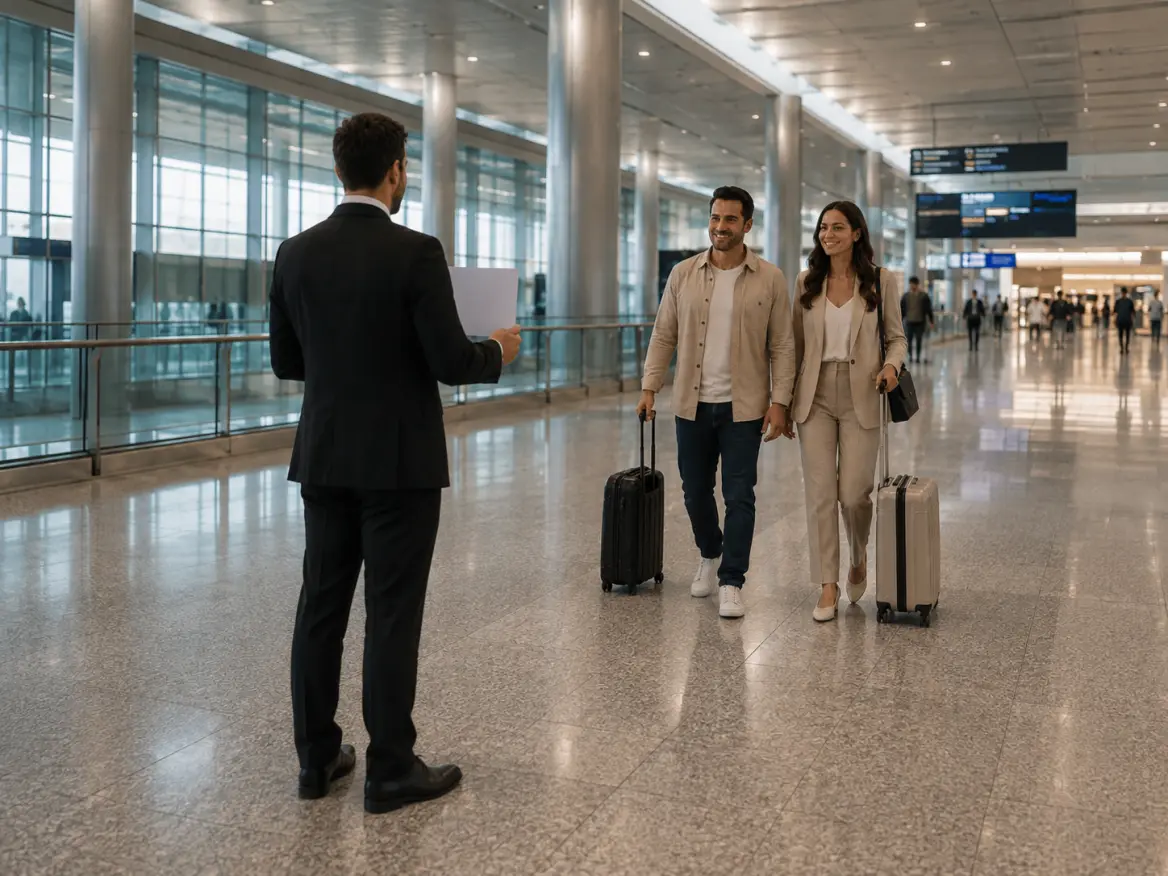
The scope can include delegate arrivals, speaker movement, VIP journeys, venue transfers and return departures.
Each movement needs to stay aligned with the event schedule.

Different traveler groups need different handling
Participants, speakers, executives, and hosted guests often have different arrival patterns and timing expectations.
Good event planning separates those flows instead of forcing one transport model onto everyone.
Is event transportation only for large conferences?
No. It can also support smaller corporate programs, hosted events, exhibitions, and schedule-sensitive guest movement.
Can VIP and delegate transport sit in the same plan?
Yes. They often do, but they usually need different routing and timing treatment inside the event operation.
Airport, hotel, and venue sequencing
Many event plans revolve around airport pickups, hotel coordination, and repeated venue movement over one or more days.
That sequence usually determines whether the operation needs individual transfers, group movement, or a mixed vehicle plan.
Manifests, timing, and vehicle mix
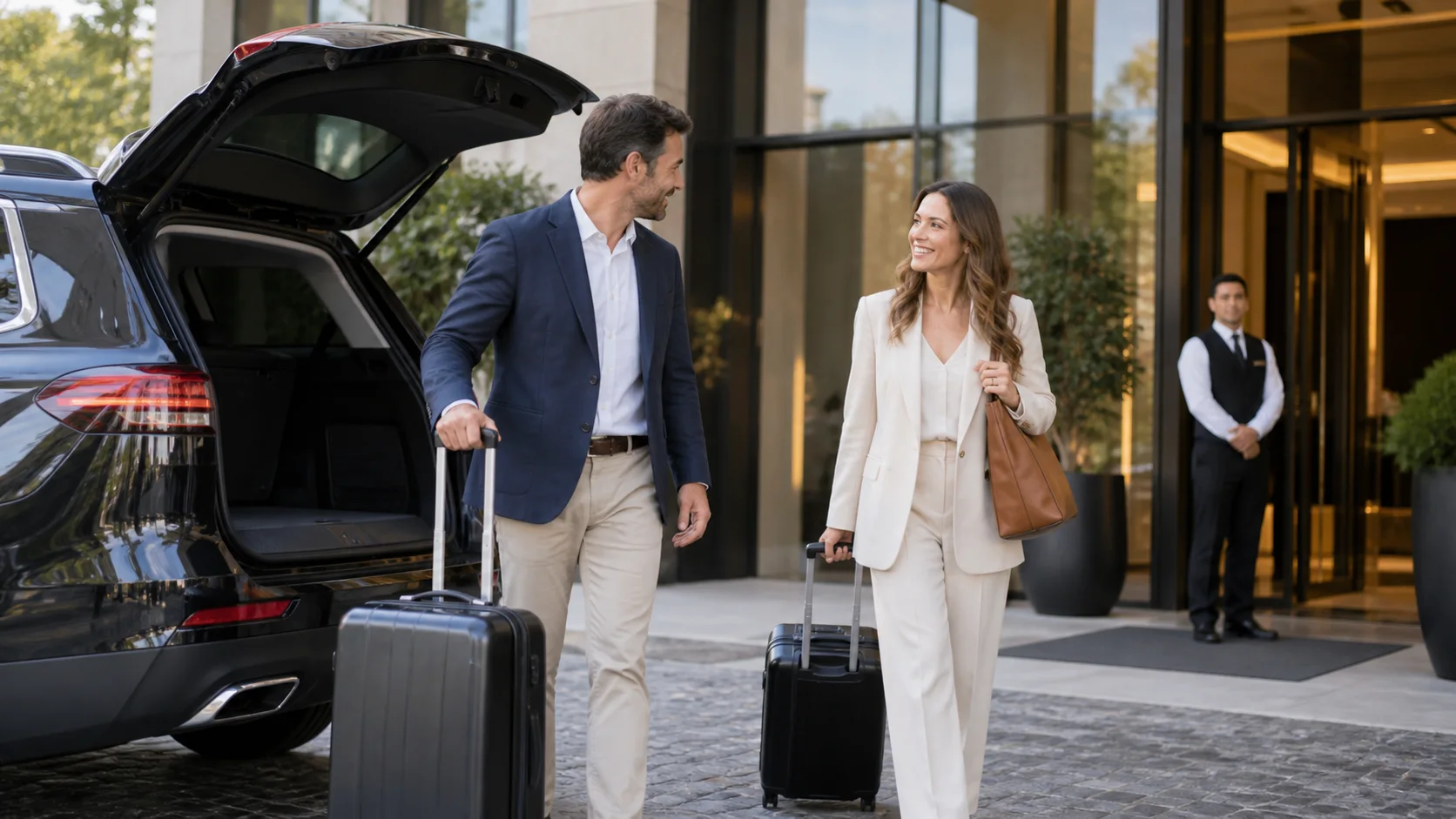
Manifest updates, stop timing, vehicle mix, and communication order are core planning inputs.
The operation becomes easier when these decisions are structured early rather than added piecemeal close to the event date.
What should be prepared before discussing the event plan?
A rough attendee breakdown, travel dates, airport or venue pattern, and any key timing windows are the best starting inputs.
When should roadshow or group pages be used as well?
Use those related pages when one part of the event clearly behaves like an executive meeting schedule or a larger shared passenger movement plan.
Frequently asked questions
Frequently asked questions
Plan the operation
Shape the event movement layer before the schedule becomes difficult
Share attendee groups, travel windows, and route patterns so the transport plan can be structured around the real event flow.
Related pages
Explore related pages
Charter bus
Charter bus transportation for groups and events
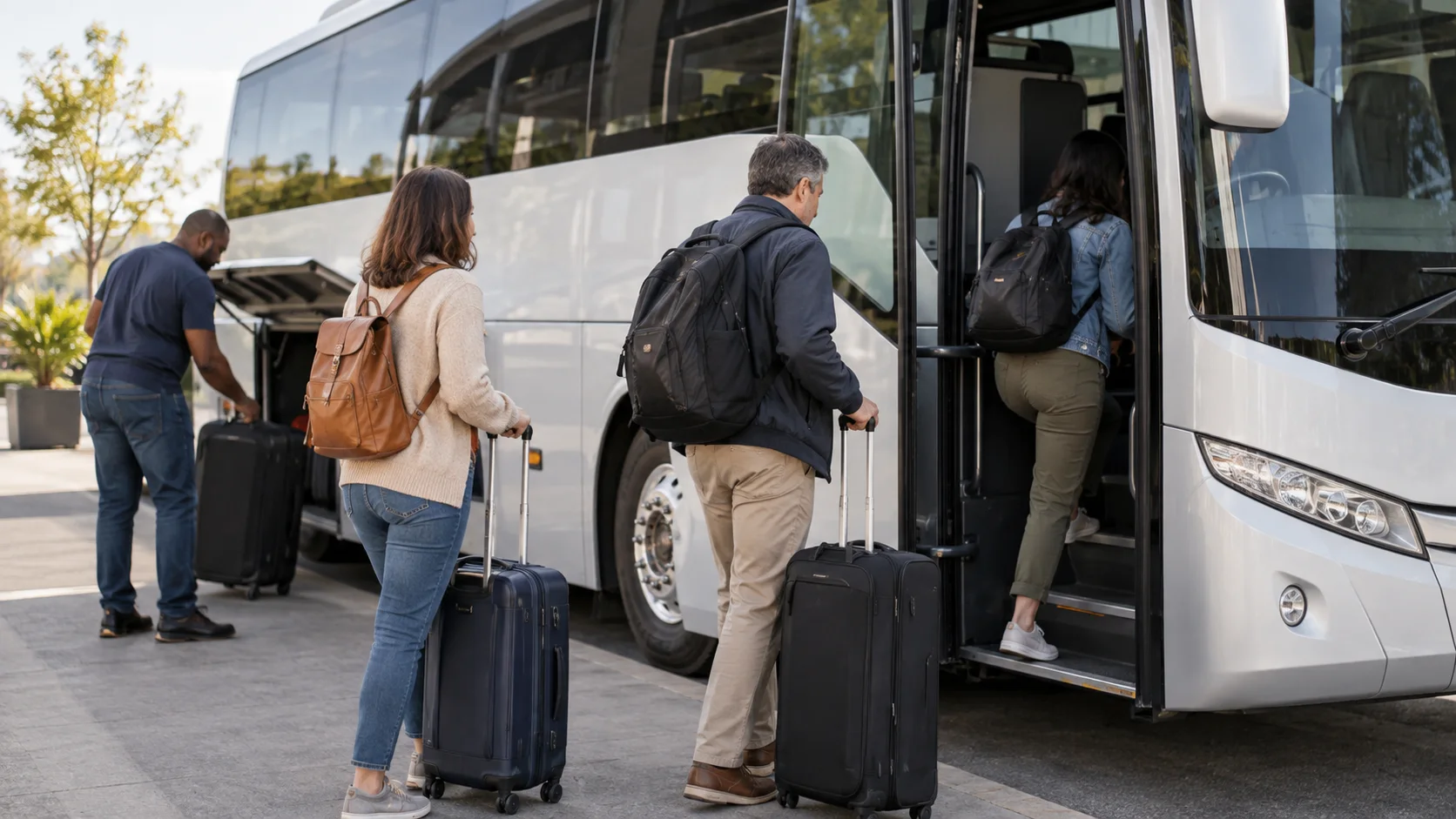
Group transport starts with people and timing. Passenger numbers, luggage, pickup waves and venue access provide a better planning base than choosing a vehicle too early.

Group transport
Group transportation for business and events
Group transportation focuses on coordinated movement for several travelers at once. The planning logic shifts from one passenger to counts, luggage, pickup points, access requirements, and the timing relationship between multiple vehicles or stops.
Roadshow
Roadshow chauffeur service
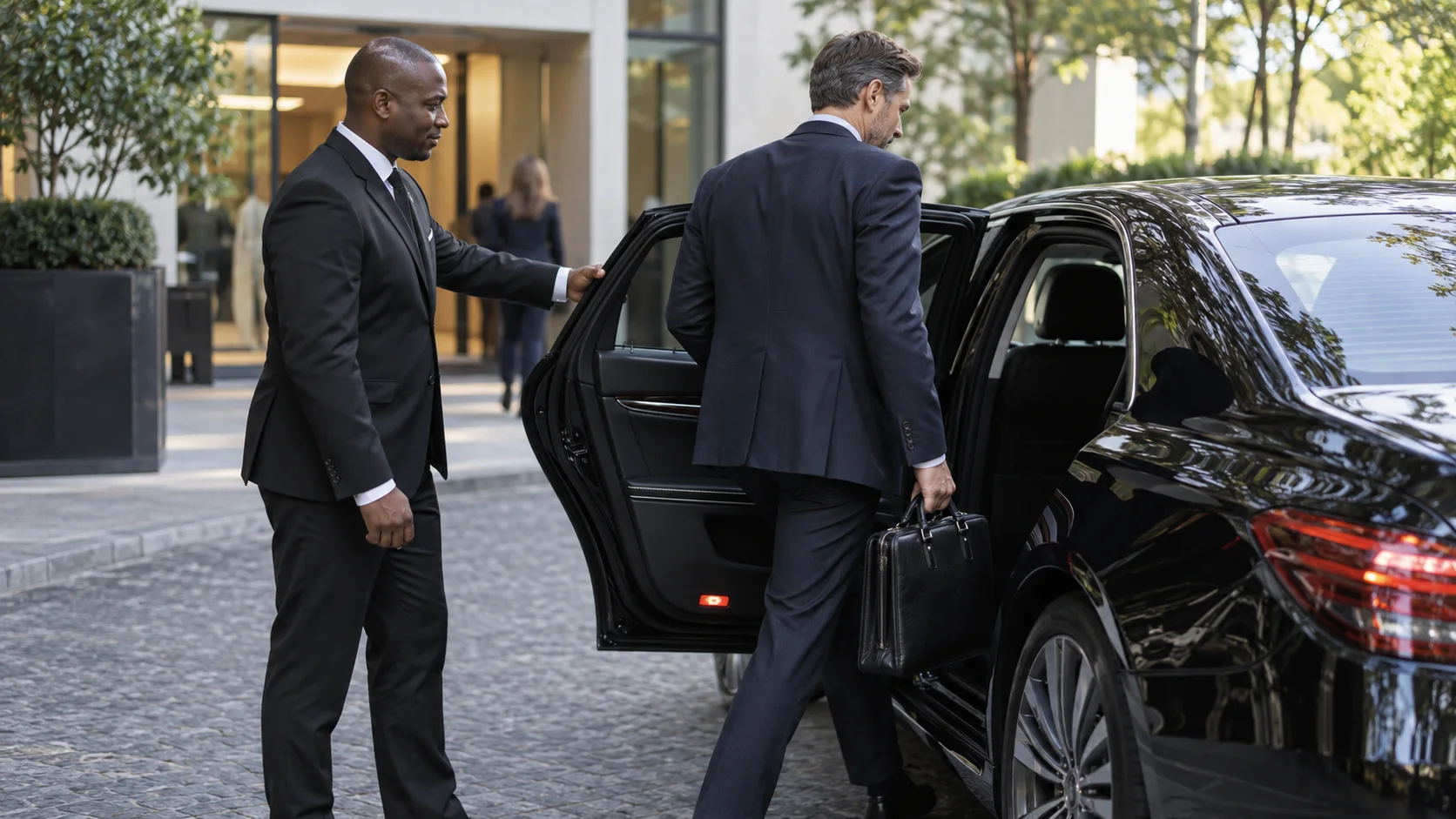
Roadshow planning is for days where timing between several meetings matters as much as the transport itself. It builds on hourly service but adds more emphasis to itinerary order, traveler readiness, and communication around changes.

Corporate transfer
Corporate ground transportation solutions
Corporate transfer is the account-level view of ground transportation. It is built for companies that need recurring booking workflows, centralized visibility, and clearer coordination across employees, executives, and hosted guests.
Contact
Contact Continnent
The contact page is for route questions, booking support, partnership conversations, and more complex planning needs. The clearer the context, the easier it is for the team to respond with a useful next step.