Socotra
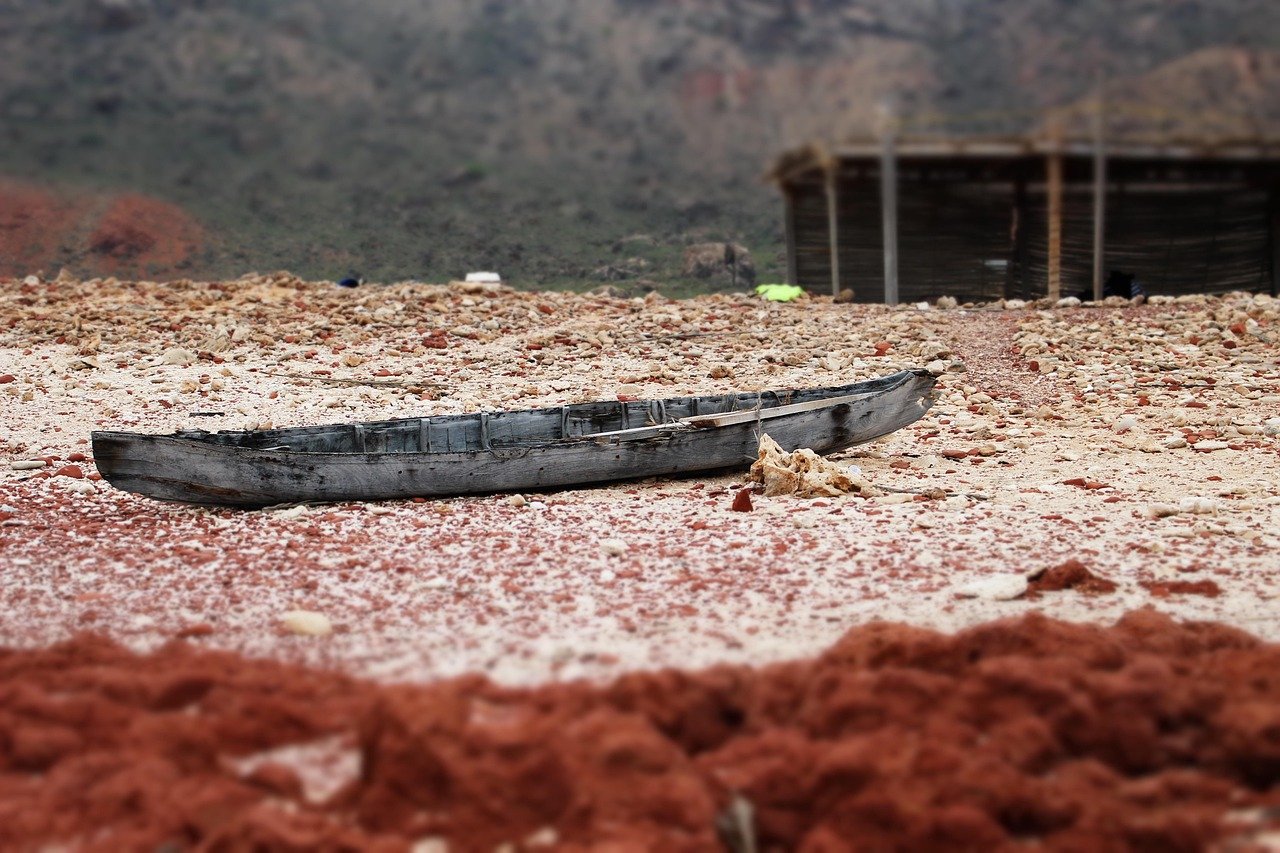
Socotra, Yemen's remote island in the Arabian Sea, is known for its otherworldly landscapes, dragon's blood trees, pristine beaches and rich Yemeni culture.
Passengers
Luggage
About Socotra
Socotra is a remote Yemeni island in the Indian Ocean, known for one of the most distinctive natural landscapes on Earth. Long isolation has produced extraordinary endemic wildlife, including dragon's blood trees with their umbrella-shaped crowns, desert roses and many plants and animals found nowhere else.
The island has a deep history as a stop on ancient Indian Ocean trade routes, associated with frankincense, myrrh and the crimson dragon's blood resin. Soqotri, an ancient unwritten language, survives alongside Arabic, and many islanders still follow semi-nomadic pastoral and fishing traditions. Hadibo, the small capital on the north coast, is the island's main settlement and everyday hub.
Visitors explore dramatic scenery across the island, from the dragon's blood forests of the Dixam Plateau to the white sands and clear waters of Qalansiyah and Detwah Lagoon, the huge dunes at Arher Beach and caves such as Hoq Cave. Homhil Protected Area is a popular base for walking among bottle trees and desert roses.
Tourism is organised through local companies, with 4WD vehicles, camping and simple eco-lodges forming the usual travel style. The island mainly attracts nature lovers, photographers and researchers, while small-scale conservation, education and community projects also bring international visitors.
For travellers, Socotra offers a rare combination of dramatic coastlines, mountains, endemic wildlife and a distinctive island culture, making it a destination for slow, nature-focused adventure rather than conventional urban tourism.

Socotra Travel Guide
Best Time to Visit
Socotra is best visited from October to April, when the weather is drier and tours operate. November and March are especially pleasant, while summer brings the monsoon and most tourism shuts down.
How to Get Around
Independent travel is not permitted, so visitors explore with 4WD vehicles and local drivers arranged through tour operators. Roads are largely unpaved, and many sites are reached on foot, with Hadibo as the main hub.
Where to Stay
Hadibo has a small number of simple hotels, while most visitors camp at eco-campsites near attractions such as Homhil Protected Area, Detwah Lagoon and the Dixam Plateau. Some operators offer more comfortable glamping-style camps.
Food & Drink
Meals centre on fresh fish, goat, rice, flatbread and dates, often prepared at camps or in small Hadibo restaurants. Socotri honey, sweet tea and fresh fruit are local highlights, and alcohol is not available.
Ground Transportation Services in Socotra
Airport Transfers
Arrange transfers between Socotra Airport and Hadibo, hotels, eco-camps and other points across the island.
Hourly Chauffeur
Book a private 4WD and local driver by the hour for flexible travel to beaches, viewpoints, villages and sightseeing routes.
Car Rental
Independent self-drive is not practical in Socotra; rental-style 4WD vehicles come with experienced local drivers through tour operators.
Bus & Group Transfers
Organise 4WD convoys, minibuses or chartered vehicles for group tours, airport transfers, events and multi-day island itineraries.
Frequently Asked Questions
Related Cities in Yemen
View all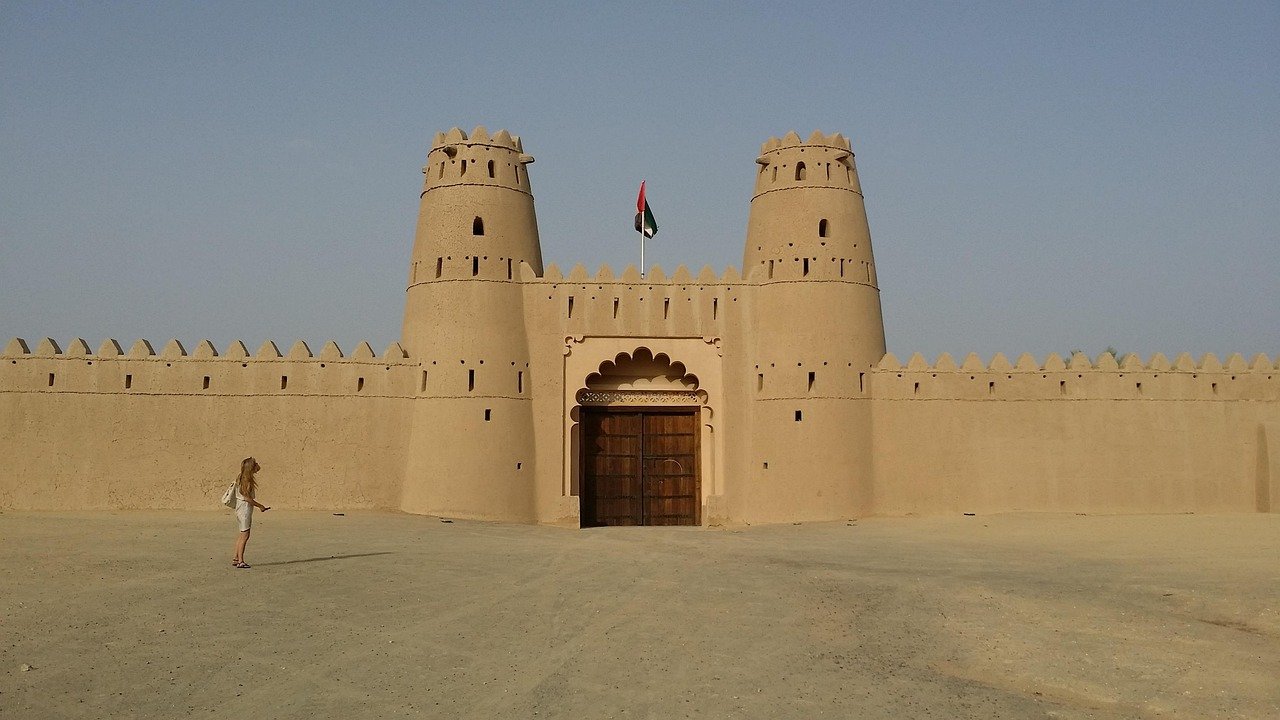
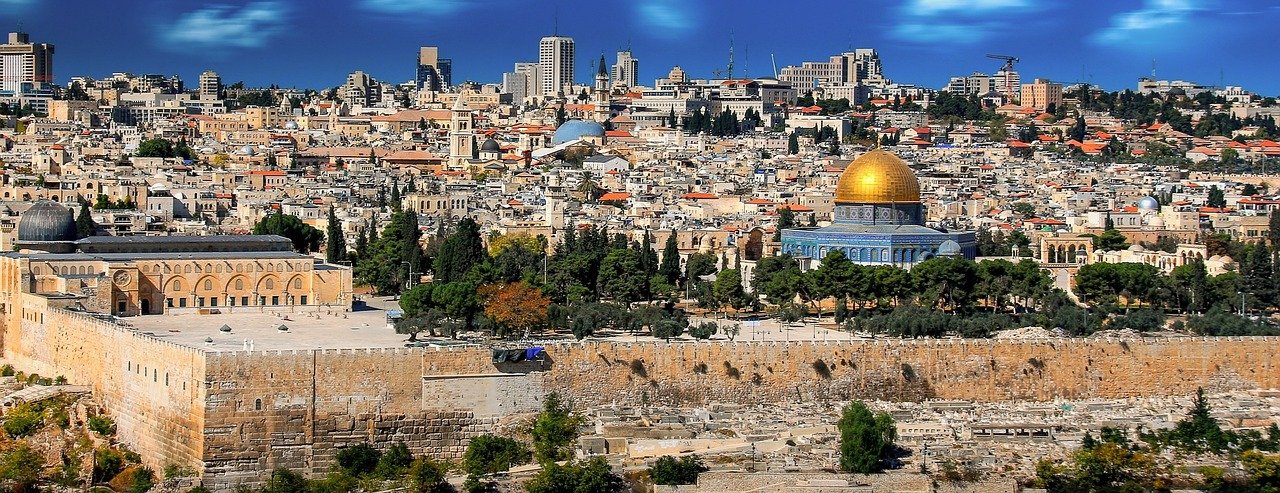
Ta'izz
Ta'izz, a historic city in Yemen's highlands, is known for its Rasulid-era architecture, old mosques and the hilltop Al-Qahira Castle, with a lively market and coffee-growing heritage.

Shabwah
Shabwah, an ancient city in Yemen, served as the capital of the Kingdom of Hadhramaut and is known for its archaeological ruins, desert landscape and enduring role in southern Arabian history.
Sana'a
Sana'a, Yemen's highland capital, is among the world's oldest continuously inhabited cities, celebrated for its intricately decorated tower houses, ancient mosques and lively souks.
Airports in Yemen
View all airports in the country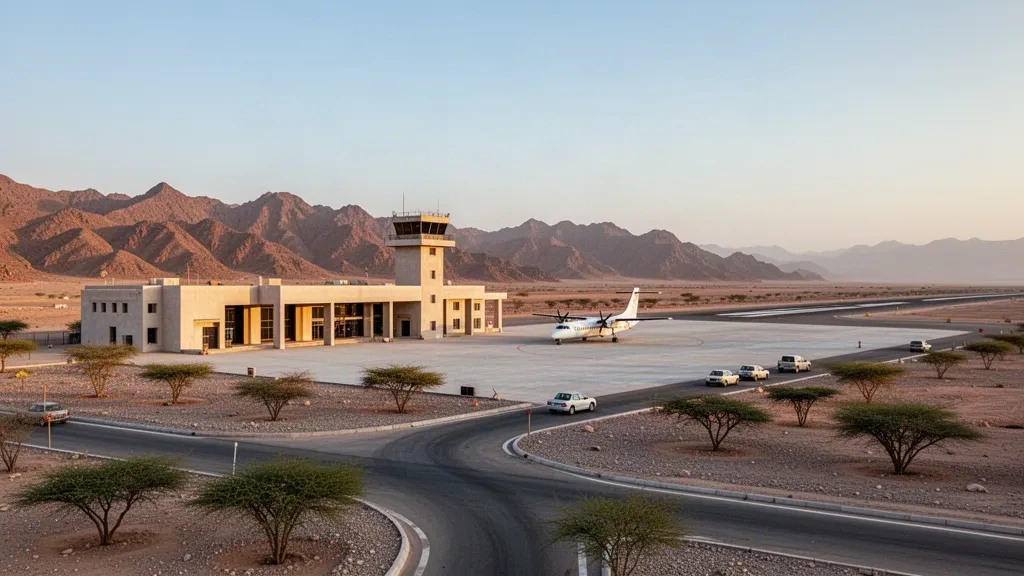
Ataq Airport (AXK)
Ataq Airport serves Ataq, the capital of Shabwah Governorate in southeastern Yemen, as a gateway for domestic travel and onward connections across the region. Compare transfer options from the airport to the city centre and nearby areas.
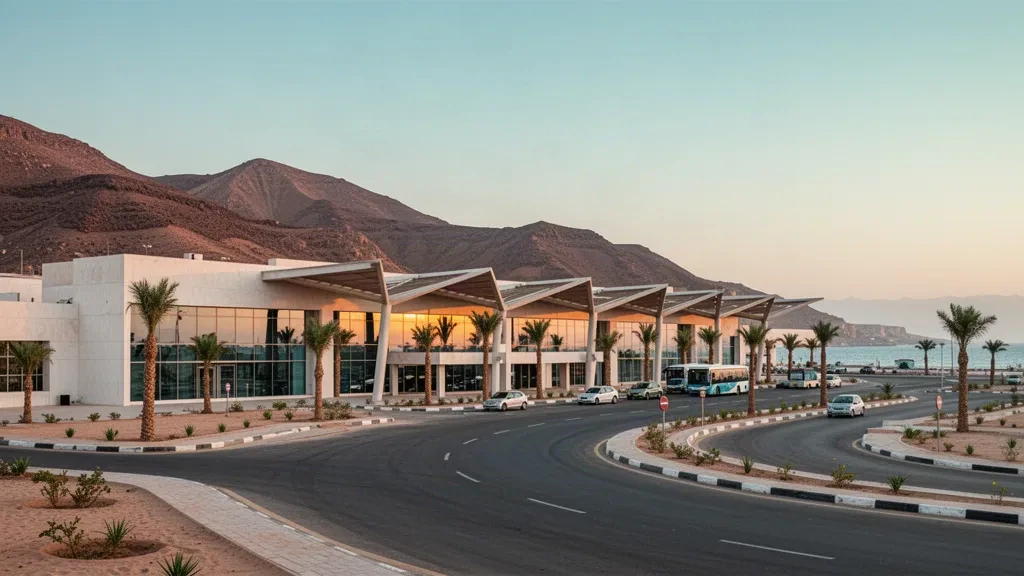
Aden International Airport (ADE)
Aden International Airport is the main international gateway to Aden and Yemen's southern coastal region. Compare transfer options to the city centre, Khormaksar and nearby areas, and plan your journey with ease.
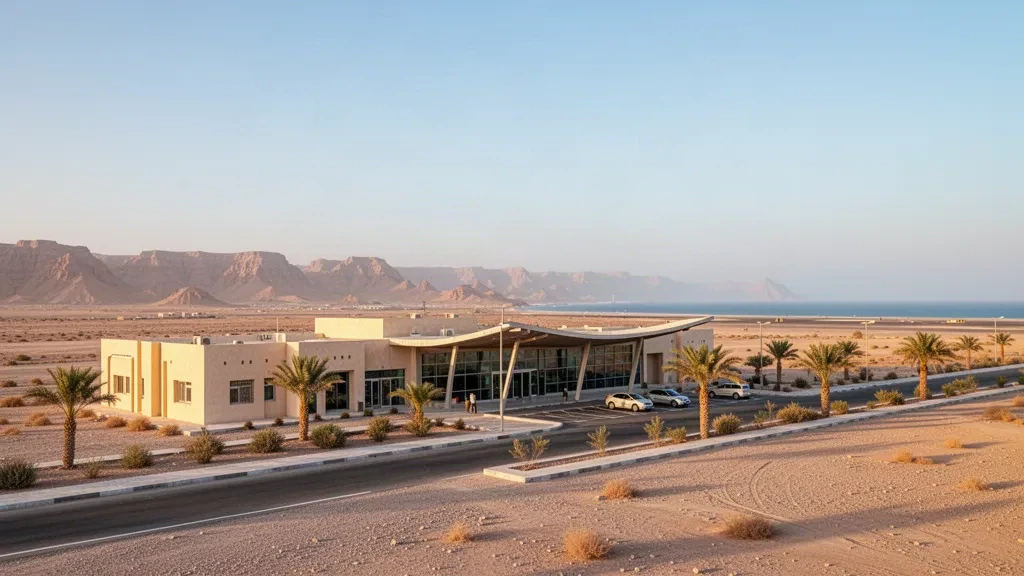
Al Ghaydah International Airport (AAY)
Al Ghaydah International Airport serves Al Ghaydah, the capital of Al Mahrah Governorate in eastern Yemen, as a compact gateway to the city centre and the Oman border region. Compare transfer options to Al Ghaydah, nearby towns and destinations across Al Mahrah.