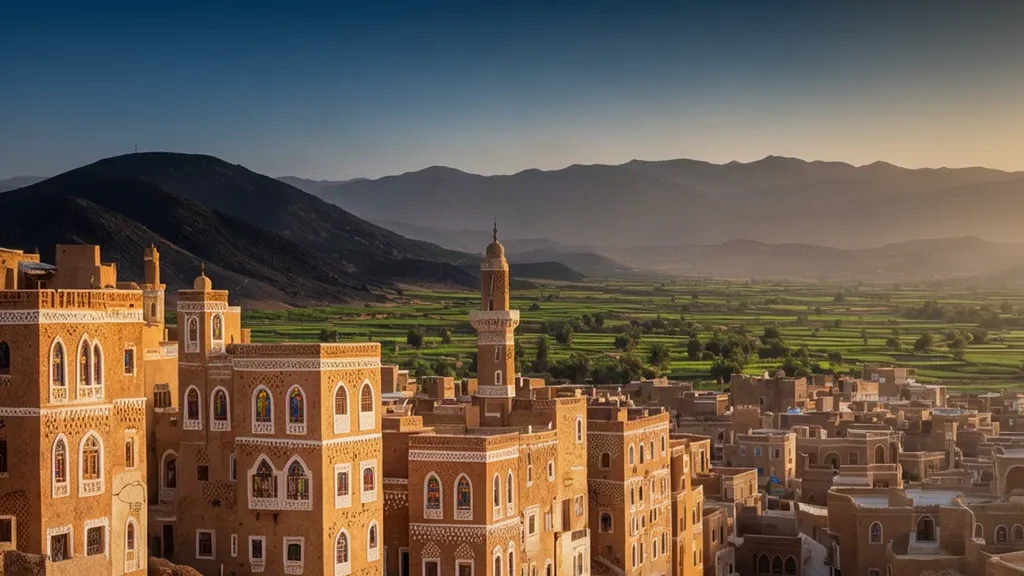
Dhamar
Dhamar, a highland city in Yemen, has long been an agricultural and trading center, with traditional architecture, busy markets and a distinctive mountain setting. Its history and local culture give the city a quiet, enduring appeal for visitors to Yemen's interior.
Passengers
Luggage
About Dhamar
Dhamar is the capital of Dhamar Governorate and one of the central highland towns of Yemen, set in a fertile plain at roughly 2,400 metres above sea level. It sits about 100 kilometres south of Sana'a on the historic road toward Taiz and Aden, and its Wednesday market and surrounding grain-growing countryside give the city a distinctly agricultural character.
The town's name is linked to the Himyarite king Dhamar Ali Yahbur II, and the area preserves traces of occupation from the Neolithic and Bronze Age to the South Arabian kingdoms. Dhamar later became a major centre of Zaydi Islamic learning, known for its Great Mosque, the 16th-century al-Shamsiyyah Mosque and Madrasah, and generations of scholars and horse-breeding tradition.
In the centre, the Great Mosque and nearby old market district are the natural starting point, while the Regional Museum at Hirran and archaeological sites such as Beinoon, al-Sha'b al-Aswad and Masna'at Marya reveal the wider Himyarite and pre-Islamic heritage. Mineral steam baths outside the city add a distinctive local experience for visitors exploring the governorate.
Today Dhamar functions as a regional market and transport crossroads for central Yemen, with agriculture, trade and public services anchoring the local economy. For leisure travellers it offers a quieter, historically layered alternative to the capital, and for business or NGO-linked visitors it is a practical base for work across the central highlands.
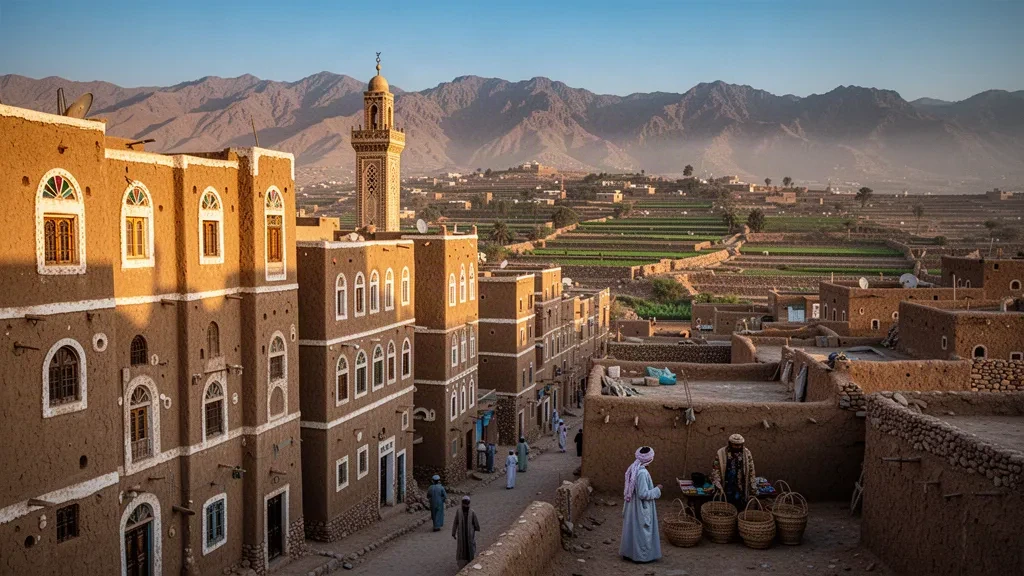
Dhamar Travel Guide
Best Time to Visit
Dhamar's highland climate stays mild for much of the year, with spring and autumn offering the most comfortable temperatures for walking and visiting archaeological sites. Summer afternoons can bring rain, while winter nights are noticeably colder.
How to Get Around
The compact centre of Dhamar is easiest to explore on foot, while shared taxis and minibuses connect neighbourhoods and nearby towns. For visits to outlying sites such as Beinoon, hiring a local car and driver is the most practical option.
Where to Stay
Accommodation in Dhamar is modest, with small hotels and guesthouses concentrated around the city centre and main market. Many travellers exploring the region choose to stay in Sana'a and visit Dhamar on a day trip.
Food & Drink
Dhamar's food reflects highland Yemeni cooking, with dishes such as saltah, grilled meats, flatbreads and local honey widely available. Small restaurants and market stalls serve hearty meals, and the surrounding grain-growing countryside shapes the local breads and cereals.
Ground Transportation Services in Dhamar
Airport Transfers
Travel between Sana'a International Airport and Dhamar, about 105 km away, with a private driver for a direct transfer to hotels and the city centre.
Hourly Chauffeur
Book a private chauffeur by the hour for visits to Dhamar's mosques, archaeological sites and surrounding districts, or for business appointments across the governorate.
Car Rental
Rent a car, usually with a local driver, for flexible travel around Dhamar, the central highlands and the Sana'a–Taiz road.
Bus & Group Transfers
Arrange minibuses or charter buses for groups travelling between Dhamar, Sana'a and other governorates, or for events and multi-stop tours.
Frequently Asked Questions
Related Cities in Yemen
View all
Ta'izz
Ta'izz, a historic city in Yemen's highlands, is known for its Rasulid-era architecture, old mosques and the hilltop Al-Qahira Castle, with a lively market and coffee-growing heritage.
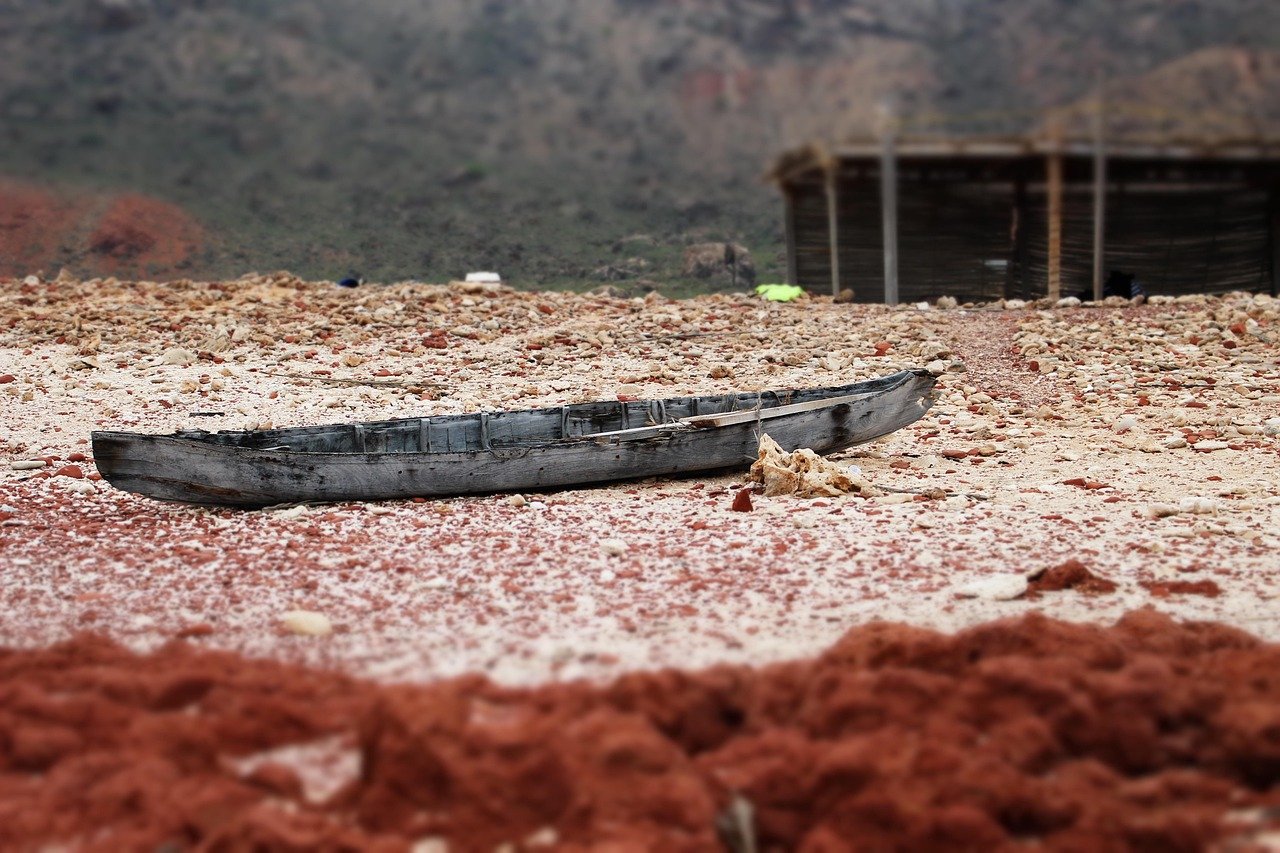
Socotra
Socotra, Yemen's remote island in the Arabian Sea, is known for its otherworldly landscapes, dragon's blood trees, pristine beaches and rich Yemeni culture.
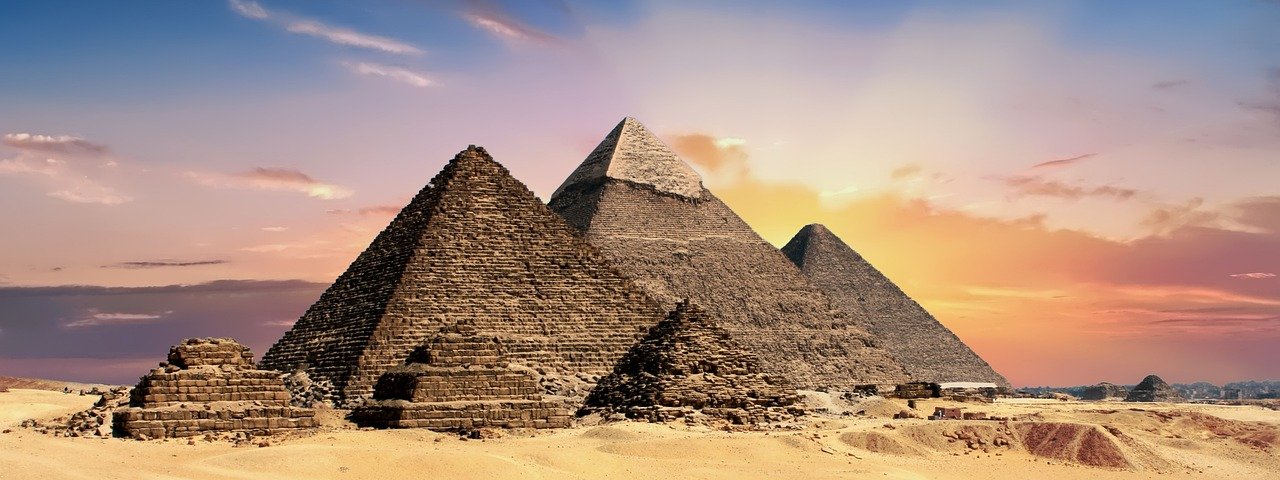
Shabwah
Shabwah, an ancient city in Yemen, served as the capital of the Kingdom of Hadhramaut and is known for its archaeological ruins, desert landscape and enduring role in southern Arabian history.
Airports in Yemen
View all airports in the country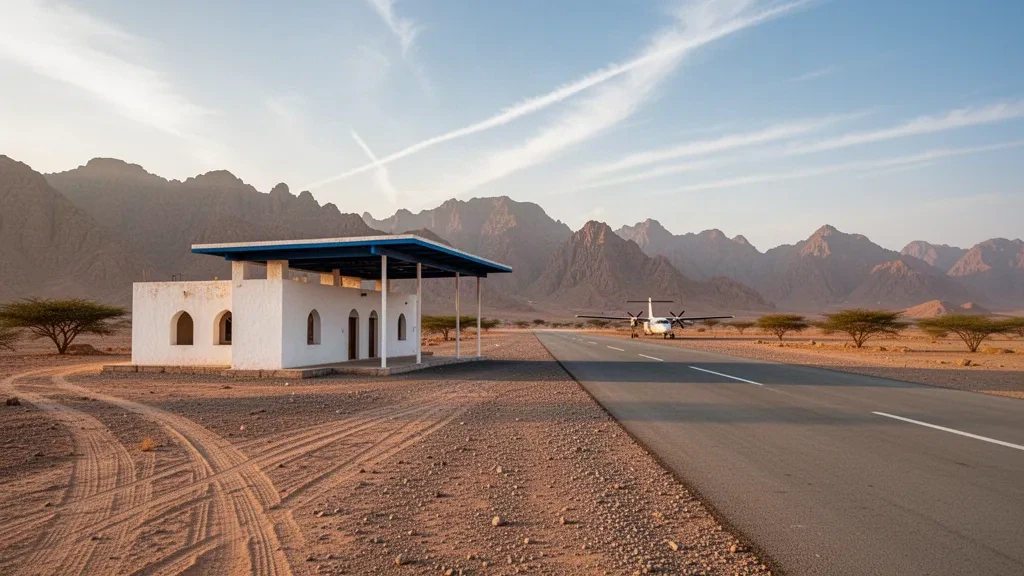
Wadi Ain Airport (WDA)
Wadi Ain Airport (WDA) is a small regional gateway serving Wadi Ain in Ain District, Shabwah Governorate, and nearby communities in central Yemen. Compare transfer options to the town centre, nearby villages, and onward destinations such as Ataq.
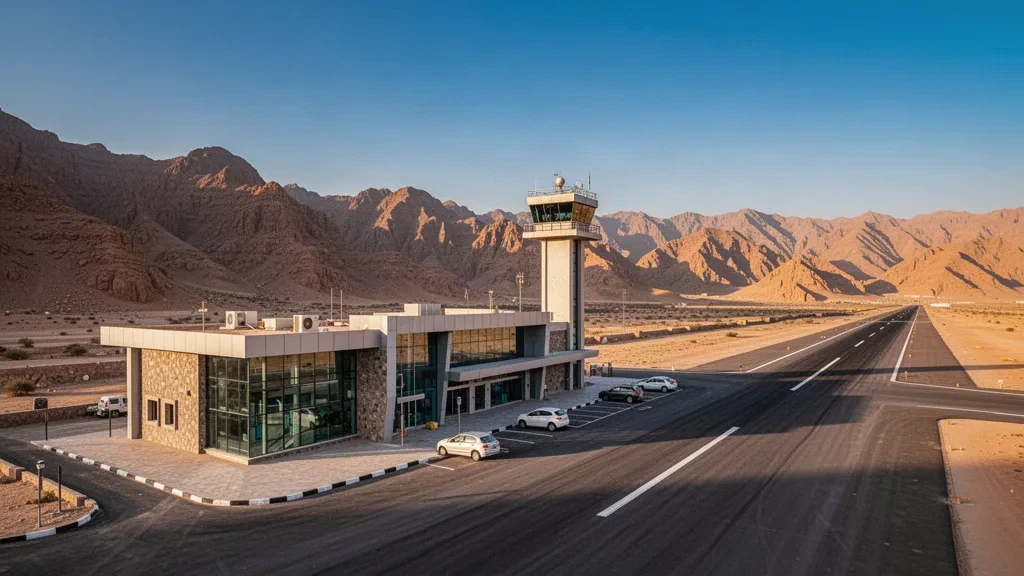
Mukeiras Airport (UKR)
Mukeiras Airport is a small regional airport serving the town of Mukayras and the wider Al Bayda Governorate in central-southern Yemen. Compare road transfer options to Mukayras, Al Bayda, Lawdar and nearby highland areas, and plan your onward journey with ease.
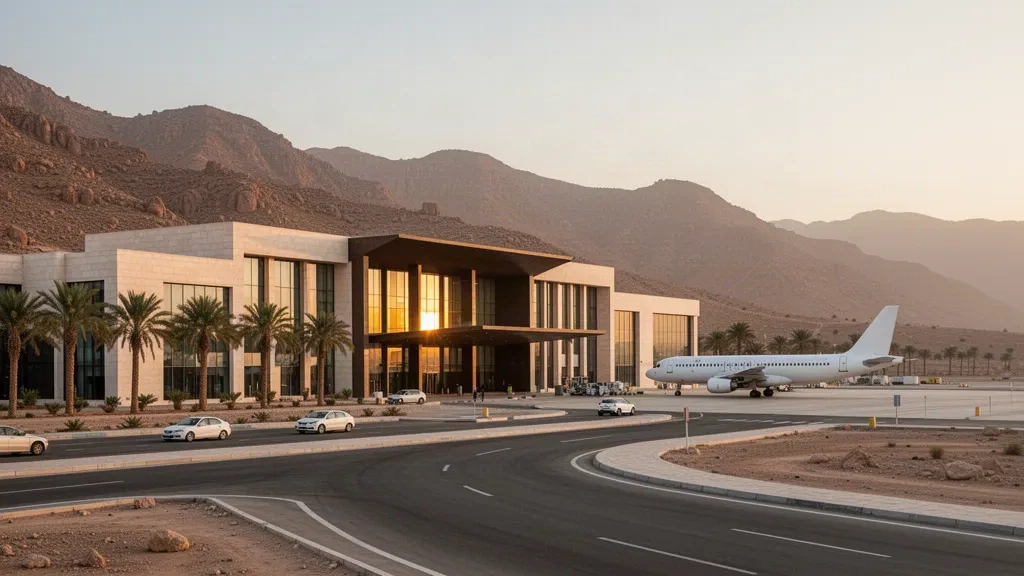
Taiz International Airport (TAI)
Taiz International Airport serves the city of Taiz and the surrounding Taiz Governorate in southwestern Yemen, acting as the region's main air gateway. Compare transfer options to central Taiz, Al Janad and nearby towns, and plan your journey with ease.
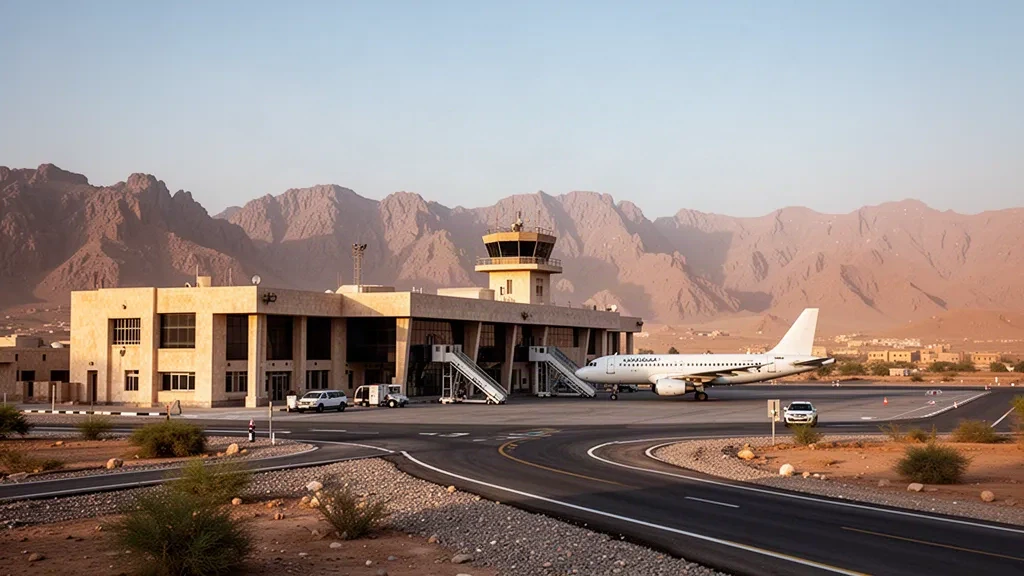
Saadah Airport (SYE)
Saadah Airport (SYE) is the main gateway to the city of Saada and the surrounding Saada Governorate in northwestern Yemen. Compare transfer options to the city centre and nearby highland areas, and plan your onward journey with ease.