Hakkâri
Hakkâri, in Turkey's rugged southeast, is a city of ancient heritage and striking mountain scenery. Its Kurdish culture, historic landmarks and proximity to the Cilo-Sat mountains give it a distinct, off-the-beaten-path appeal.
Passengers
Luggage
About Hakkâri
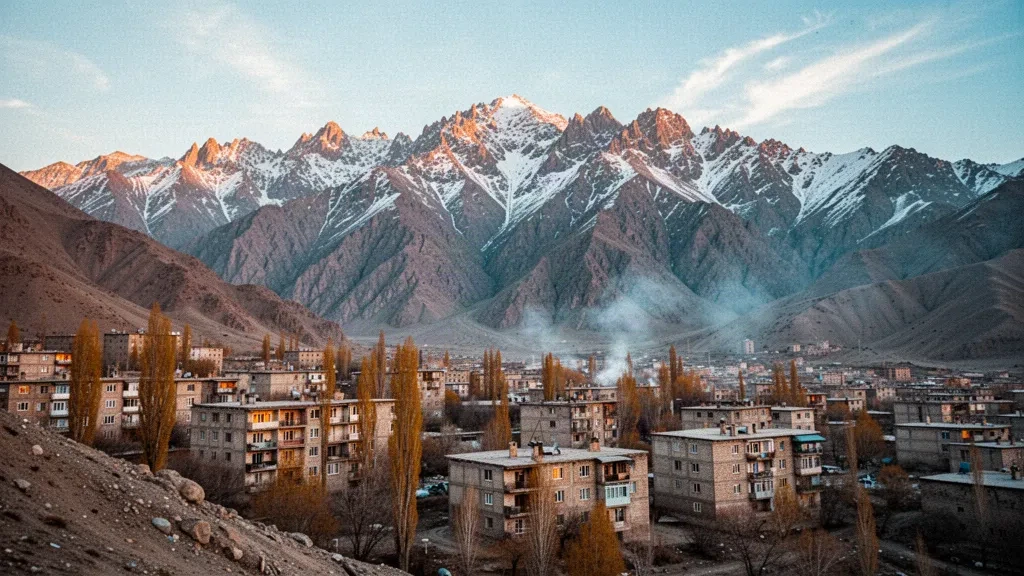
Hakkâri is the compact provincial capital of Hakkâri Province in southeastern Turkey, close to the Iraqi and Iranian borders. Set at roughly 1,700 metres among steep mountains, it has a distinct frontier character shaped by isolation, highland pastures and strong local traditions. The city, historically known as Çölemerik, is one of Turkey's most remote mountain urban centres.
Its past is layered: the hilltop Hakkâri Castle was for centuries the seat of the local Kurdish rulers, and the wider region was long associated with the patriarchate of the Assyrian Church of the East at nearby Koçanis. Ottoman-era landmarks include the 18th-century Meydan Medrese, now a city archive and ethnography museum, while the carved Hakkâri stelae discovered near the city in 1998 offer a striking glimpse of earlier history.
The main draw lies outside the town, in the Cilo-Sat Mountains National Park. The range contains Uludoruk (Reşko), at 4,135 metres Turkey's second-highest summit, along with glacial lakes, the Zap Valley and high summer pastures used by herders. These landscapes make Hakkâri a destination for trekking, mountaineering, camping and photography rather than conventional sightseeing.
Hakkâri is predominantly Kurdish-speaking, with traditional dress, music and hospitality still visible in daily life, markets and festivals. Local food reflects the region's pastoral economy, from hearty dishes such as doğaba and keledoş to mountain honey and reyhan sherbet.
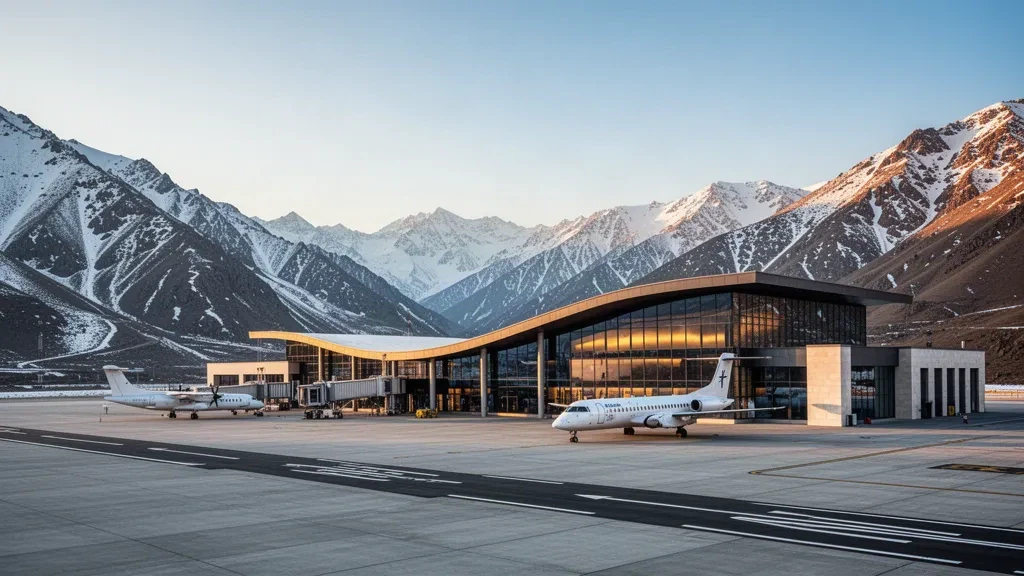
Tourism infrastructure is modest, and many visitors reach the city via Van or Hakkâri Yüksekova Selahaddin Eyyubi Airport. For adventure travellers and those interested in eastern Anatolia's cultures, Hakkâri offers a rare combination of high mountain scenery, living tradition and relative remoteness; business travel remains limited, centred on public administration and border trade.
Hakkâri Travel Guide
Best Time to Visit
June to September is the most practical window, when mountain roads and trails are clear and the Cilo-Sat high country is accessible. Winters are long and harsh with heavy snow and possible road closures, while spring can be muddy as the snow melts.
How to Get Around
The city is small and walkable, with local minibuses serving nearby neighbourhoods and intercity dolmuşes connecting district centres such as Yüksekova and Şemdinli. For mountain trailheads, remote valleys and flexible schedules, a private transfer, chauffeur or rental car is more practical, and road conditions can be challenging outside summer.
Where to Stay
Accommodation is concentrated in the city centre, with a small number of hotels and guesthouses, so booking ahead is wise. Yüksekova offers additional options closer to the airport, while some travellers use Van as a base and visit Hakkâri's mountains on day or multi-day trips.
Food & Drink
Local cuisine is hearty and meat- and grain-based, with dishes such as doğaba, keledoş and kıris alongside mountain honey, local cheese and reyhan sherbet. Small lokantas, tea houses and neighbourhood bakeries are the main places to eat in the city.
Upcoming Events in Turkey
View all events

Ground Transportation Services in Hakkâri
Airport Transfers
Travel between Hakkâri Yüksekova Selahaddin Eyyubi Airport, located about 65 km from the city, and hotels, business addresses and nearby districts across Hakkâri.
Hourly Chauffeur
Book a private driver by the hour for flexible trips to mountain trailheads, business meetings, events and sightseeing around Hakkâri.
Car Rental
Rent a car in Hakkâri for independent travel to the Cilo-Sat Mountains, Zap Valley and nearby districts, keeping mountain road conditions in mind.
Bus & Group Transfers
Arrange minibuses or charter buses for group tours, events, airport pickups and transfers across Hakkâri's districts.
Frequently Asked Questions
Related Cities in Turkey
View all
Erzincan
Erzincan lies in eastern Turkey along the Euphrates, where layers of Seljuk and Ottoman heritage meet a modern city shaped by resilience and warm Anatolian traditions.
Zonguldak
Zonguldak, a port city on Turkey's Black Sea coast, is steeped in coal mining heritage and offers a striking blend of industrial history, coastal scenery and warm local culture.
Yozgat
Yozgat, a historic city in central Anatolia, blends Hittite, Roman and Ottoman heritage with traditional architecture, quiet neighbourhoods and a relaxed provincial rhythm.