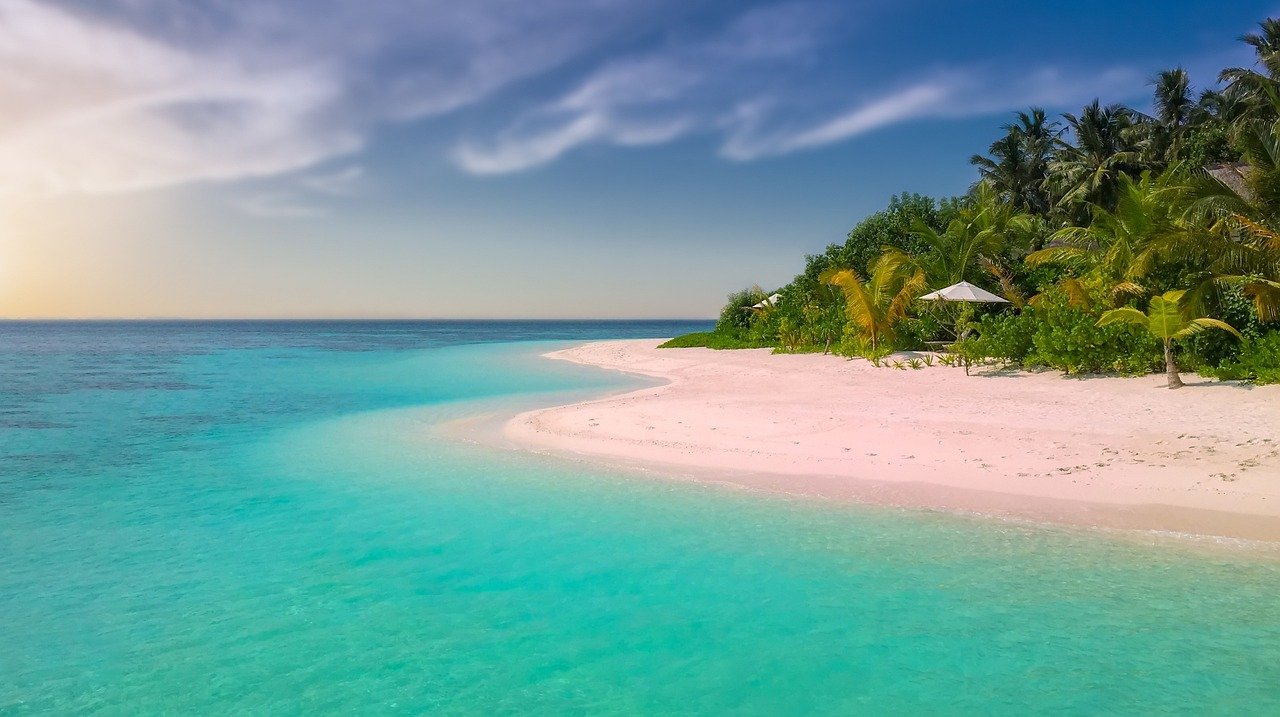
Gnaviyani
Gnaviyani, in the southern Maldives, is home to Fuvahmulah and known for its rich marine life, freshwater wetlands and relaxed island culture.
Passengers
Luggage
About Gnaviyani
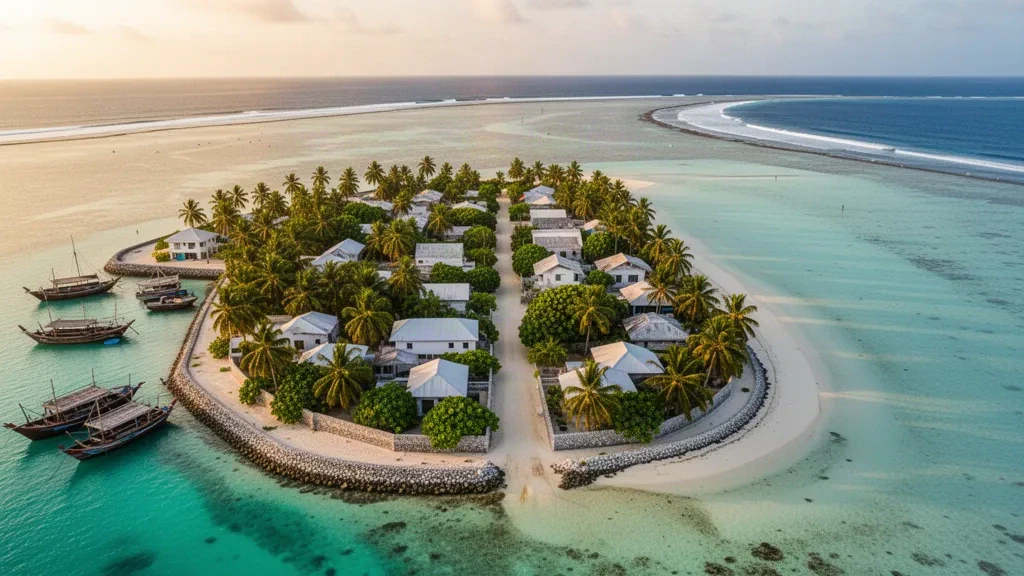
Fuvahmulah is the Maldives' only single-island atoll and forms the entire Gnaviyani Atoll in the far south of the country. Unlike most Maldivian islands surrounded by lagoons, it rises directly from the deep open ocean, giving it distinctive beaches, wetlands, fertile land and two freshwater lakes.
History remains visible across the island, from the pre-Islamic Buddhist stupa ruins known as Havitta to historic coral-stone mosques such as Gen Miskiy. Fuvahmulah also has its own local dialect and long-standing traditions in agriculture, fishing and traditional medicine.
Its natural landmarks include the freshwater lakes Bandaara Kilhi and Dhadimagi Kilhi, the white-pebble beach at Thoondu and dense tropical vegetation. Offshore, Fuvahmulah is internationally known for year-round tiger shark encounters at the harbour area often called the Tiger Zoo, along with reef diving and surfing.
The island is divided into eight wards, including Dhadimagu, Hoadhadu, Maadhadu, Funaadu and Dhoondigan, where guesthouses, cafés and small shops sit close to daily island life. This compact layout makes the city easy to explore by bicycle, motorbike or on foot.
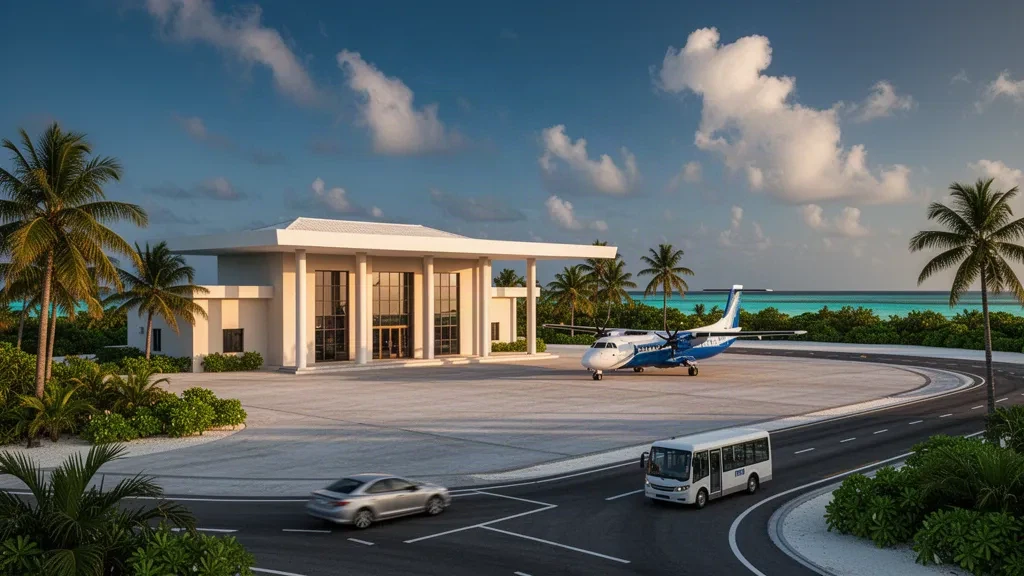
For travellers, Fuvahmulah combines a genuine local island atmosphere with growing dive tourism and eco-tourism. Regular domestic flights from Malé to Fuvahmulah Airport connect the island to the rest of the Maldives, making it relevant for adventurous leisure visitors and niche business travel.
Gnaviyani Travel Guide
Best Time to Visit
The dry northeast monsoon from December to April brings calmer seas, more sunshine and better conditions for diving, surfing and exploring. Tiger shark encounters are available year-round, while May to November can bring more rain and stronger swells.
How to Get Around
Fuvahmulah is compact and easy to navigate by bicycle, motorbike or on foot. Taxis and rented scooters are available for shorter journeys, and guesthouses and dive centres often arrange transport to the harbour, beaches and dive sites.
Where to Stay
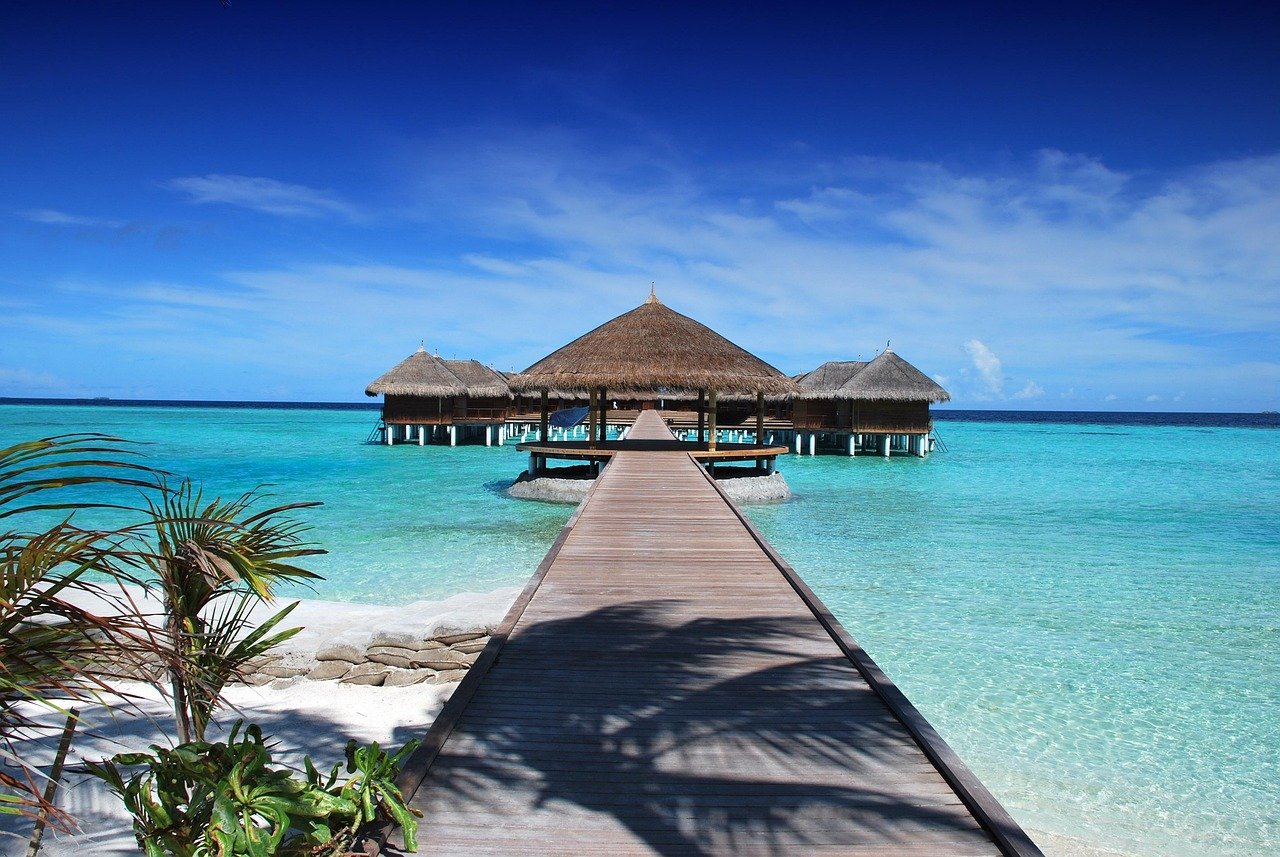
Guesthouses are spread across the island's wards, with several concentrated near the harbour and dive centres. Staying in a local guesthouse gives visitors easy access to tiger shark diving, the two lakes and island cafés.
Food & Drink
Local dining centres on Dhivehi cuisine with fresh tuna, curries, roshi flatbread and short eats known as hedhikaa. Cafés and small restaurants serve island dishes, and the deep-sea fish kattelhi is a distinctive Fuvahmulah speciality.
Ground Transportation Services in Gnaviyani
Airport Transfers
Arrange transfers between Fuvahmulah Airport and guesthouses, hotels, dive centres and other locations across the island.
Hourly Chauffeur
Book a private driver by the hour for flexible travel to dive sites, the harbour, beaches, business visits and sightseeing around Fuvahmulah.
Car Rental
Rent a car or motorbike for independent travel around Fuvahmulah and easy access to the island's lakes, beaches and guesthouses.
Bus & Group Transfers
Arrange minibuses or larger vehicles for dive groups, tours, events and airport transfers within Fuvahmulah.
Frequently Asked Questions
Related Cities in Maldives
View all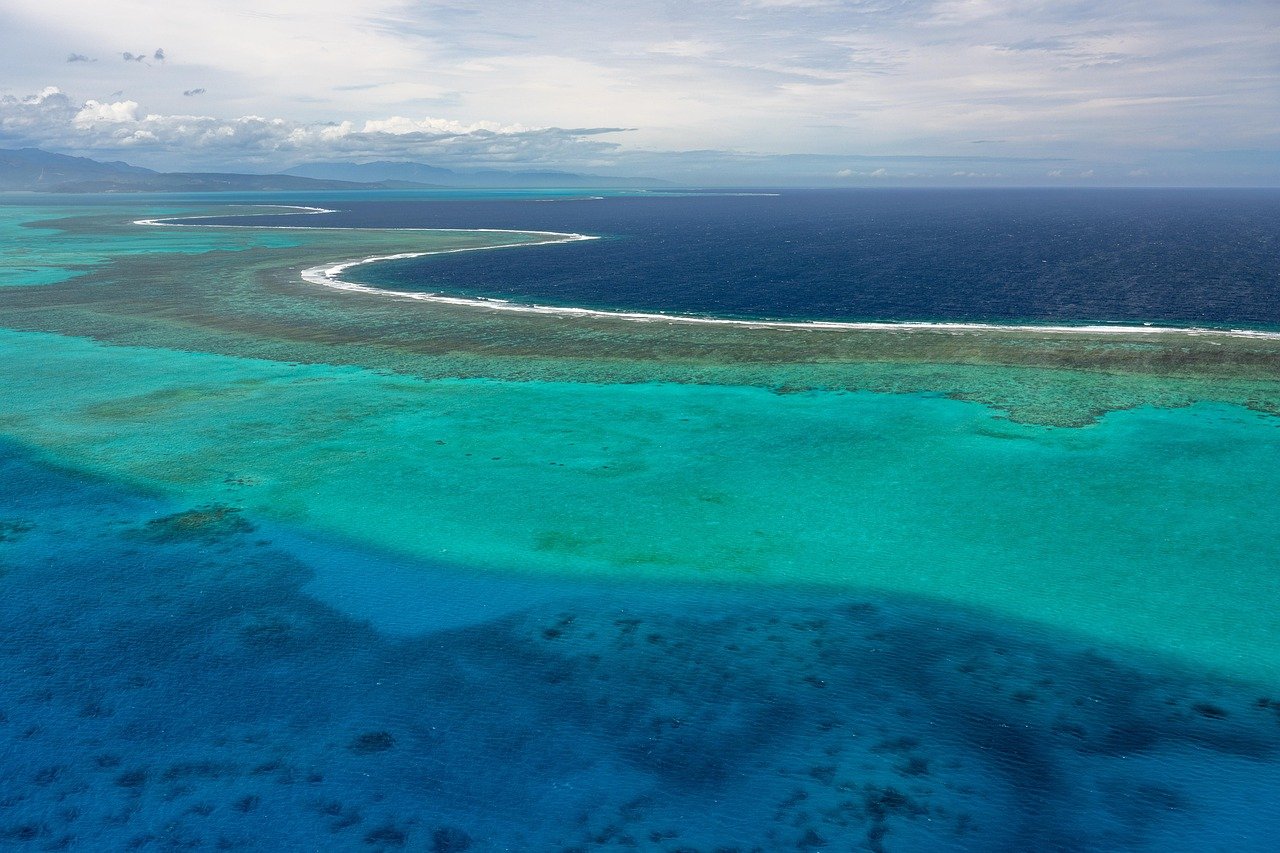
Vaavu
Vaavu is a slender atoll of turquoise channels and low-lying islands, known for reef dives such as Fotteyo Kandu and the unhurried guesthouse life of Felidhoo.
Thaa
Thaa is a tranquil atoll in the Maldives, where turquoise lagoons, quiet islands and traditional island life create a slow, relaxed pace.
Shaviyani
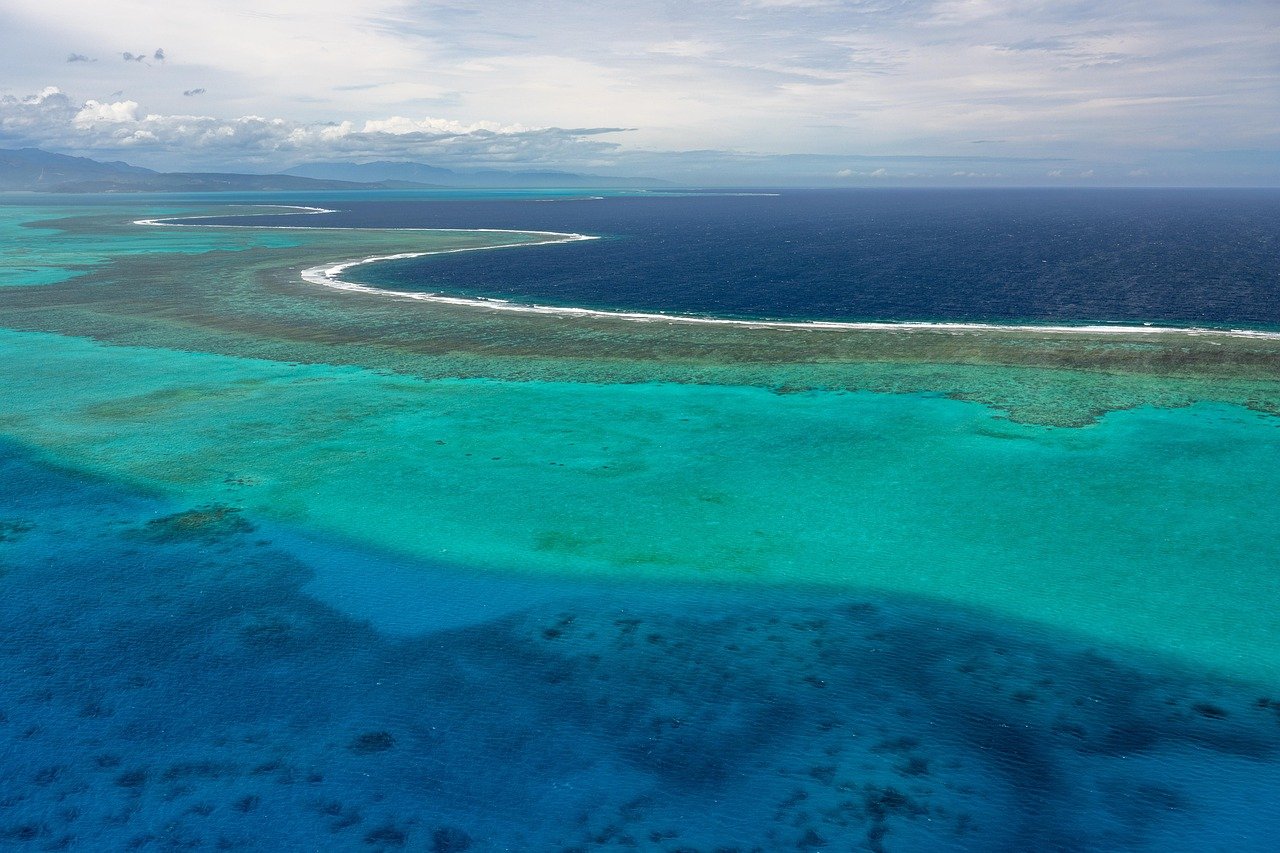
Shaviyani Atoll spreads across the northern Maldives, where island communities of a few hundred people live among palm groves, turquoise lagoons and coral reefs. Funadhoo, the atoll's capital, keeps the rhythm of local life: fishing boats, small harbours and the steady presence of the sea.