Shaviyani
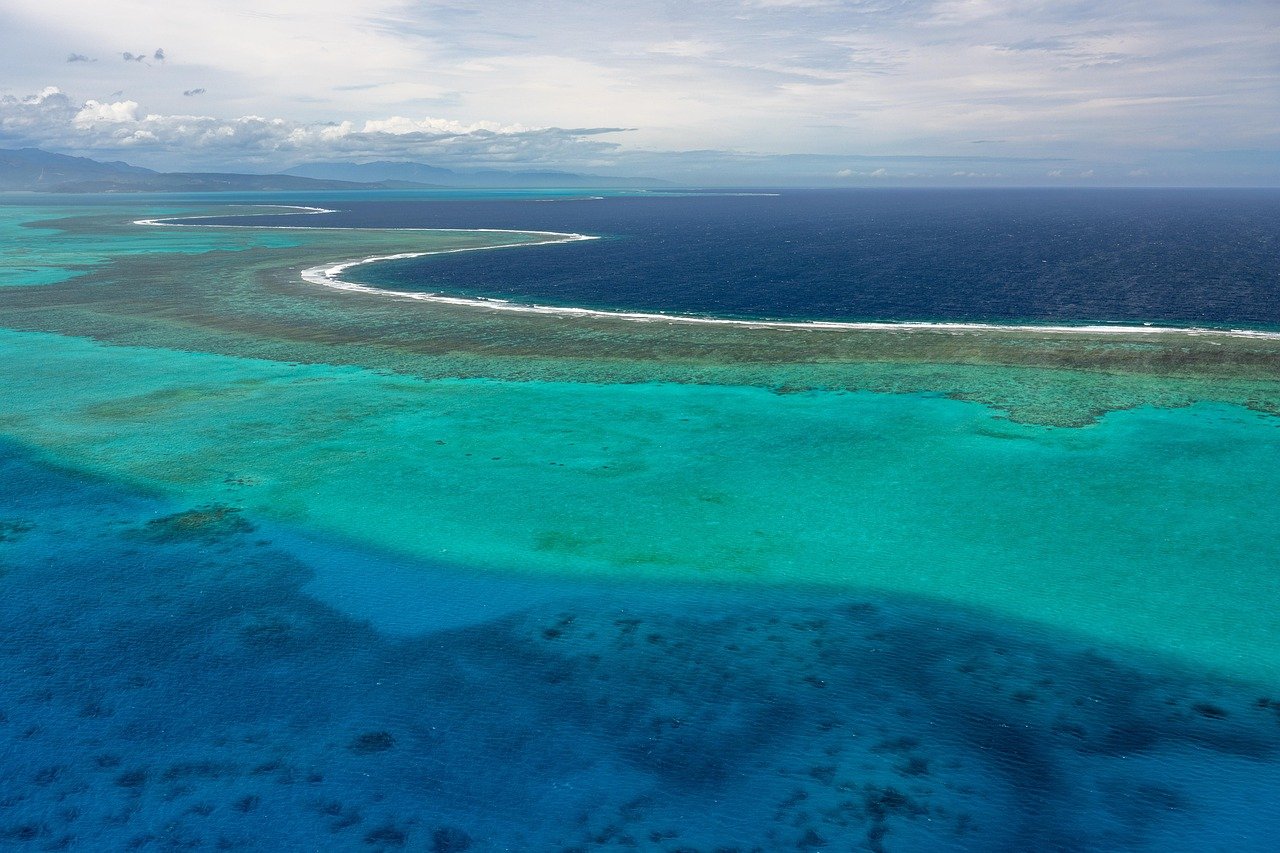
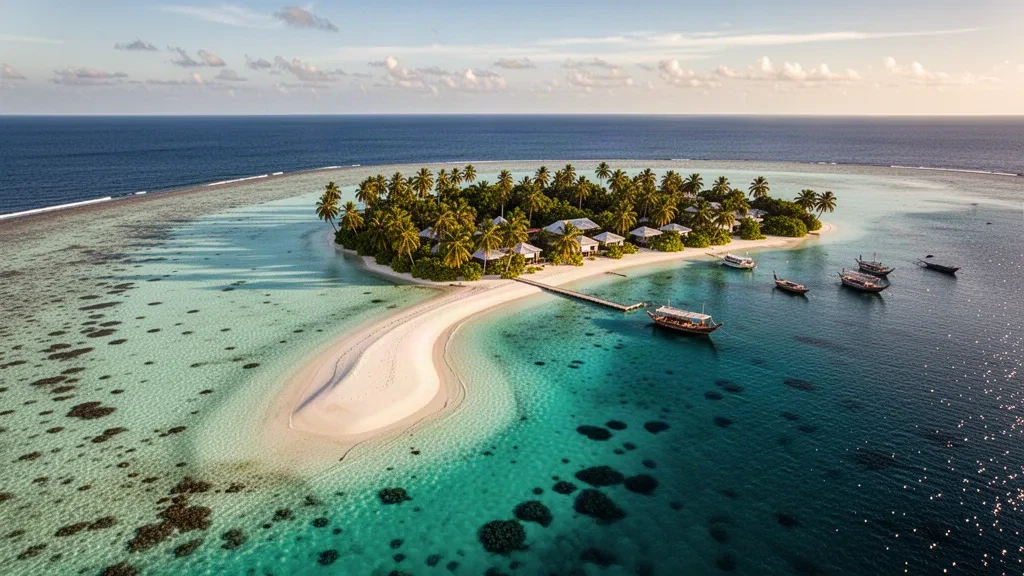
Shaviyani Atoll spreads across the northern Maldives, where island communities of a few hundred people live among palm groves, turquoise lagoons and coral reefs. Funadhoo, the atoll's capital, keeps the rhythm of local life: fishing boats, small harbours and the steady presence of the sea.
Passengers
Luggage
About Shaviyani
Shaviyani Atoll, also known by its geographic name Miladhunmadulu Uthuruburi, is an administrative atoll in the northern Maldives, roughly 270 km from Malé. Its capital is Funadhoo, the main transport and service centre in the atoll, while Milandhoo is among the other sizeable inhabited islands.
Local life is shaped by fishing, small-scale agriculture and island traditions. Maroshi is historically significant as the place where the legendary Bodu Thakurufaanu is said to have hidden his vessel among mangroves during resistance against Portuguese rule. Across the atoll, mangrove forests and ocean-fed lakes known as kulhi support marine life, birds and traditional livelihoods.
Funadhoo is the practical gateway, with a domestic airport opened in 2020, a harbour, guesthouses, cafés and administrative offices. Visitors can explore wetland areas by kayak, go bird watching, visit fishing villages and travel between inhabited islands by local ferry or speedboat. Tourism remains small in scale, with only a couple of resorts and a growing local-island guesthouse scene.
Shaviyani suits travellers looking for a quieter, more traditional Maldives away from large resort hubs. It also serves business and government travel in the north, thanks to improved air links from Malé to Funadhoo and onward sea connections to nearby islands.
Shaviyani Travel Guide
Best Time to Visit
The dry northeast monsoon from November to April brings calmer seas and more reliable conditions for flights and inter-island boat travel. May to October is wetter and can affect ferry schedules, though the atoll remains green and quiet year-round.
How to Get Around
Fly from Malé's Velana International Airport to Funadhoo Airport, then use local taxis or guesthouse pickups on Funadhoo. Scheduled ferries and speedboats connect Funadhoo with other inhabited islands, while walking and motorcycles are common for short trips.
Where to Stay
Funadhoo offers guesthouses and small hotels near the airport and harbour, making it the most convenient base. Elsewhere, a handful of local-island guesthouses and two resorts provide quieter stays with easy access to lagoons, mangroves and village life.
Food & Drink
Maldivian meals built around fresh tuna, coconut, rice and roshi flatbread are common, often with garudhiya fish soup. Small cafés and restaurants on Funadhoo serve local and simple international dishes, while resorts offer broader dining; alcohol is not available on inhabited local islands.
Ground Transportation Services in Shaviyani
Airport Transfers
Pre-arranged pickups and taxis connect Funadhoo Airport with guesthouses, the harbour and other points on Funadhoo, with onward speedboat or ferry options to nearby islands.
Hourly Chauffeur
Book a private chauffeur on Funadhoo for flexible travel between the airport, harbour, meetings and local sites, useful for business visits and short island stays.
Car Rental
Rent a car or motorcycle on Funadhoo for independent movement around the island, including trips between the airport, harbour, shops and guesthouses.
Bus & Group Transfers
Arrange minibuses on Funadhoo or chartered speedboats and dhonis for group movement between islands, events, airport connections and excursions in Shaviyani Atoll.
Frequently Asked Questions
Related Cities in Maldives
View all
Vaavu
Vaavu is a slender atoll of turquoise channels and low-lying islands, known for reef dives such as Fotteyo Kandu and the unhurried guesthouse life of Felidhoo.
Thaa
Thaa is a tranquil atoll in the Maldives, where turquoise lagoons, quiet islands and traditional island life create a slow, relaxed pace.
Raa
Raa, in the northern Maldives, is a chain of coral islands with turquoise lagoons, quiet local communities and an unhurried island pace that feels far from the resort bustle.