United States Minor Outlying Islands
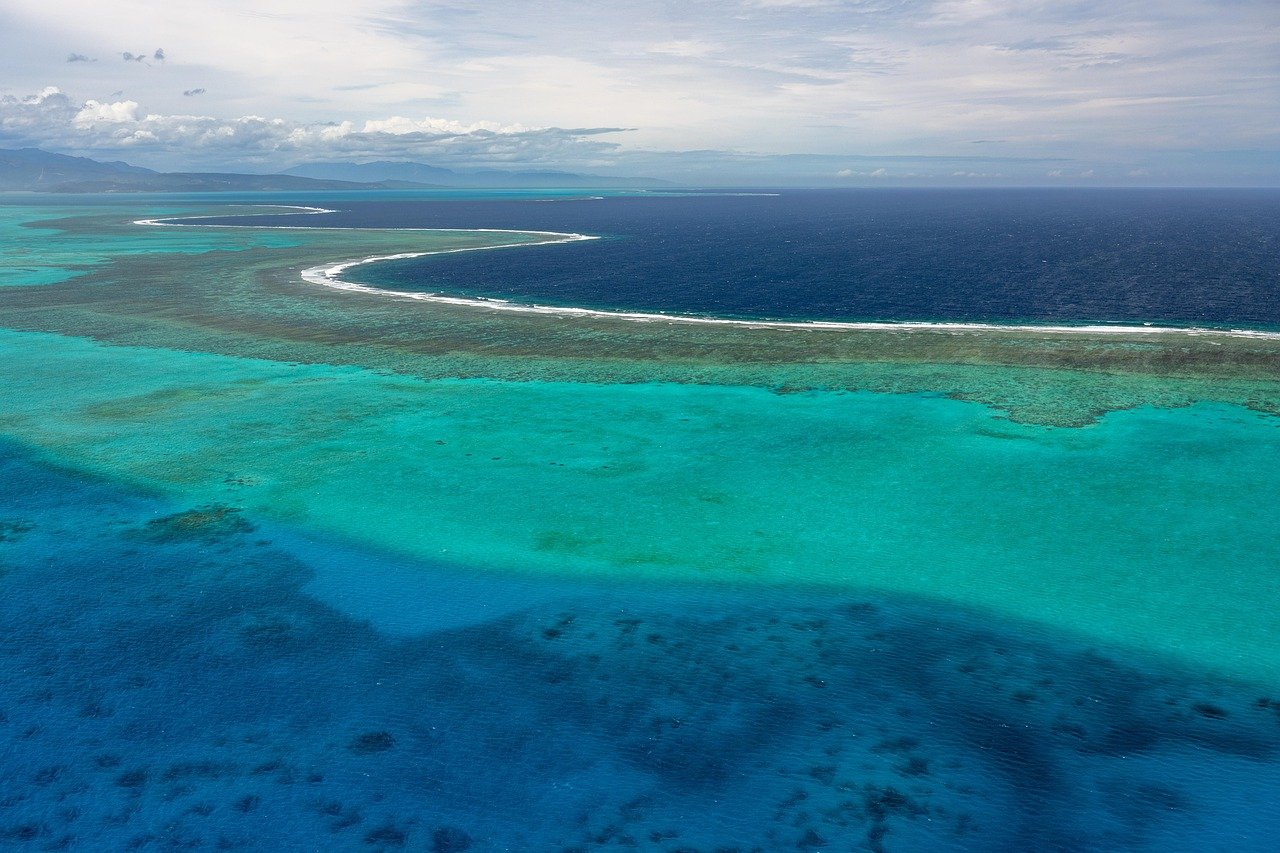
United States Minor Outlying Islands is a scattered group of remote US territories across the Pacific and Caribbean, made up mostly of uninhabited atolls and wildlife refuges with restricted access and striking natural seascapes.
Passengers
Luggage
About United States Minor Outlying Islands
The United States Minor Outlying Islands is a collective name for nine small, widely scattered US insular areas in the Pacific and Caribbean. Most are uninhabited coral atolls or islands managed as national wildlife refuges, giving the territory a remote, conservation-focused character rather than a conventional tourism profile.
The best-known islands include Wake Island, Midway Atoll, Palmyra Atoll, Johnston Atoll, Kingman Reef, Baker Island, Howland Island, Jarvis Island and Navassa Island. Midway Atoll and Palmyra Atoll host small rotating staffs and occasional permitted researchers, while Wake Island is managed as a US military installation.
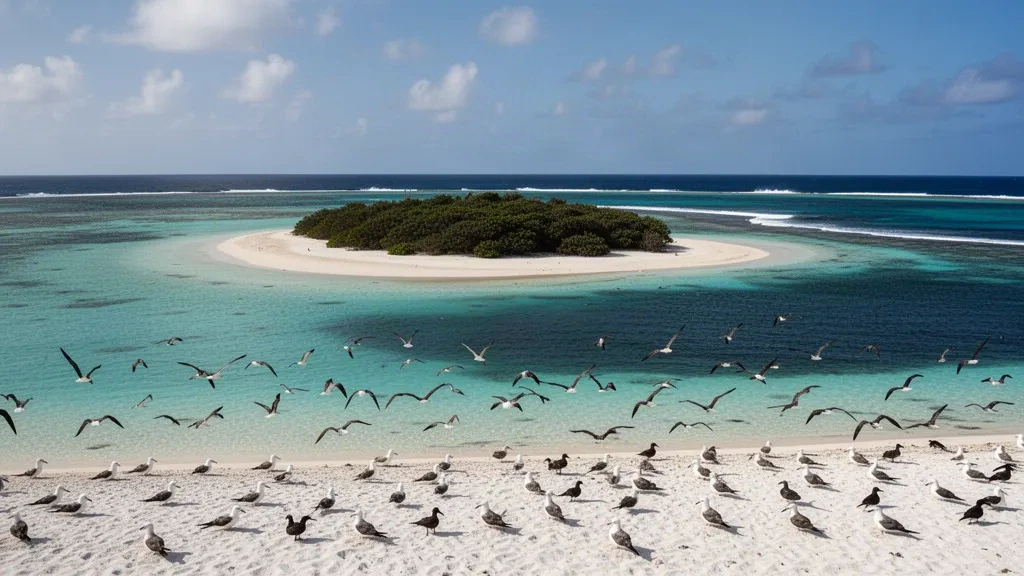
These sites are valued mainly for their natural and historical significance. Low coral atolls, reefs, lagoons and open ocean support seabird colonies, sea turtles and some of the most intact tropical marine ecosystems under US jurisdiction. Midway Atoll is also remembered for the 1942 Battle of Midway, a turning point in the Pacific war.
Public access is extremely limited. There are no regular commercial flights or passenger ferries, and entry generally requires special-use permits from the US Fish and Wildlife Service or authorization from the military. Airstrips exist at Midway Atoll, Palmyra Atoll and Wake Island, used mainly by charter, research and military aircraft.
Transport within the islands is minimal because road networks are small or absent. Movement on permitted visits is normally arranged by the managing agency or research station, making advance planning and official approval essential for any journey to these remote territories.
Country Information
Why Visit United States Minor Outlying Islands?
Remote Wildlife Refuges
Most of these islands are protected national wildlife refuges managed by the US Fish and Wildlife Service, home to seabirds, sea turtles and coral reefs.
Historic Pacific Outposts
Wake Island and Midway Atoll hold significant World War II history, including the pivotal Battle of Midway.
Pristine Marine Ecosystems
Coral reefs, lagoons and pelagic waters around Palmyra Atoll and Kingman Reef support some of the most intact tropical marine habitats.
Popular Cities in United States Minor Outlying Islands
View all
Wake Island
Wake Island, a remote coral atoll in the Pacific, carries a dramatic World War II history and today serves as a vital wildlife refuge and strategic outpost.
Palmyra Atoll
Palmyra Atoll is a remote, protected coral atoll in the Pacific, known for its dense tropical forest, turquoise lagoons and rich marine life. Its isolated setting and scientific reserve status make it a distinctive destination for nature and conservation.
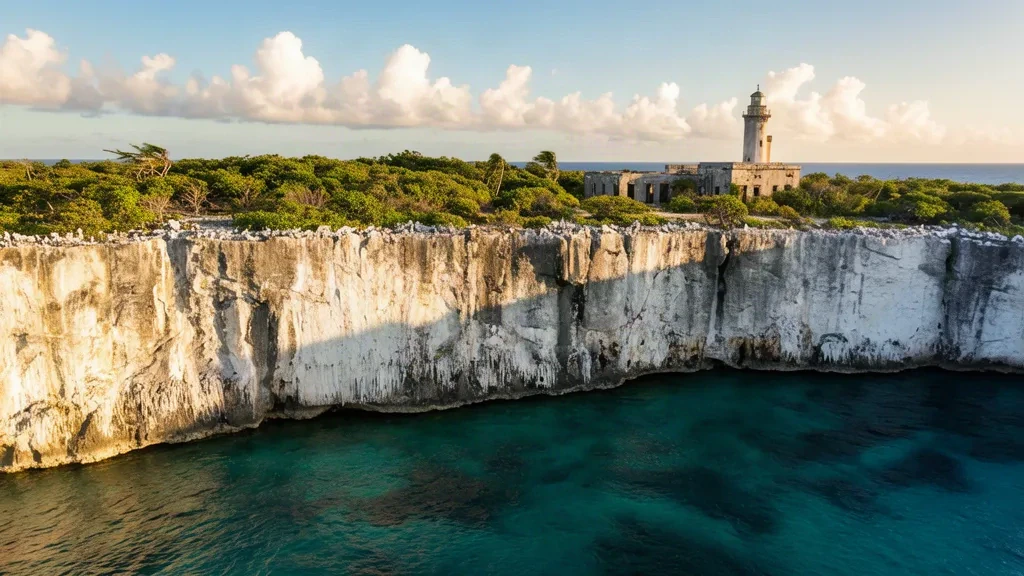
Navassa Island
Navassa Island is a small, uninhabited Caribbean island and U.S. territory known for its steep coral cliffs, historic lighthouse and surrounding marine life.
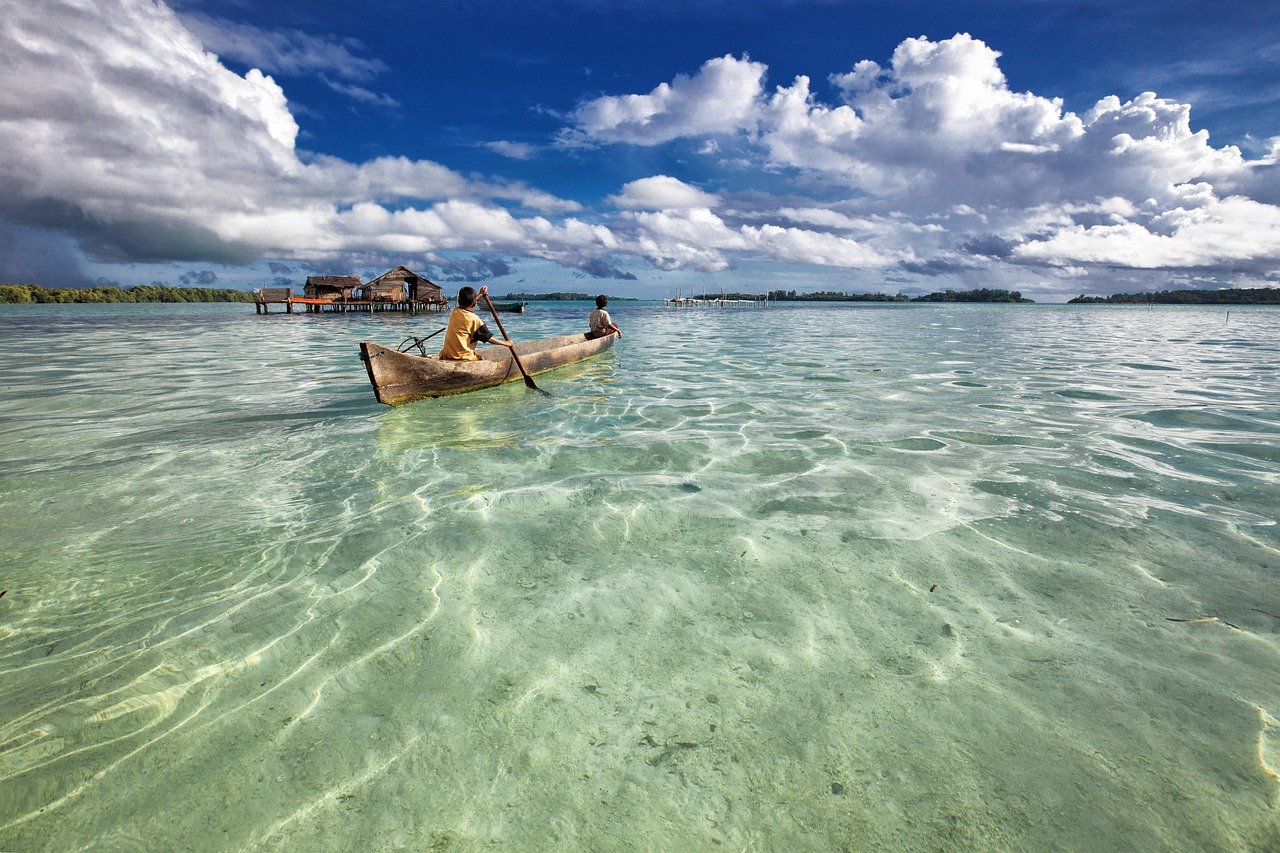
Midway Islands
The Midway Islands are a remote atoll in the North Pacific, known for their pivotal World War II history and vast seabird colonies. Today they form a protected wildlife refuge, offering a quiet, isolated setting shaped by coral reefs, open ocean and layered military heritage.
Travel Services in United States Minor Outlying Islands
Transfers
For permitted visits, ground and vessel transfers are typically coordinated by the managing agency or research program rather than public commercial operators.
Hourly Chauffeur
Scheduled driving is uncommon on these mostly roadless atolls; on-island movement is generally arranged by the hosting facility or permit authority.
Charter Bus
Group transportation is not a standard service; visits by larger groups to the refuge islands are unusual and require advance agency approval.
Car Rental
Public car rental is not available on these remote atolls; permitted visitors should confirm on-island transport with the managing organization.
Travel Essentials
Frequently Asked Questions
Related Destinations
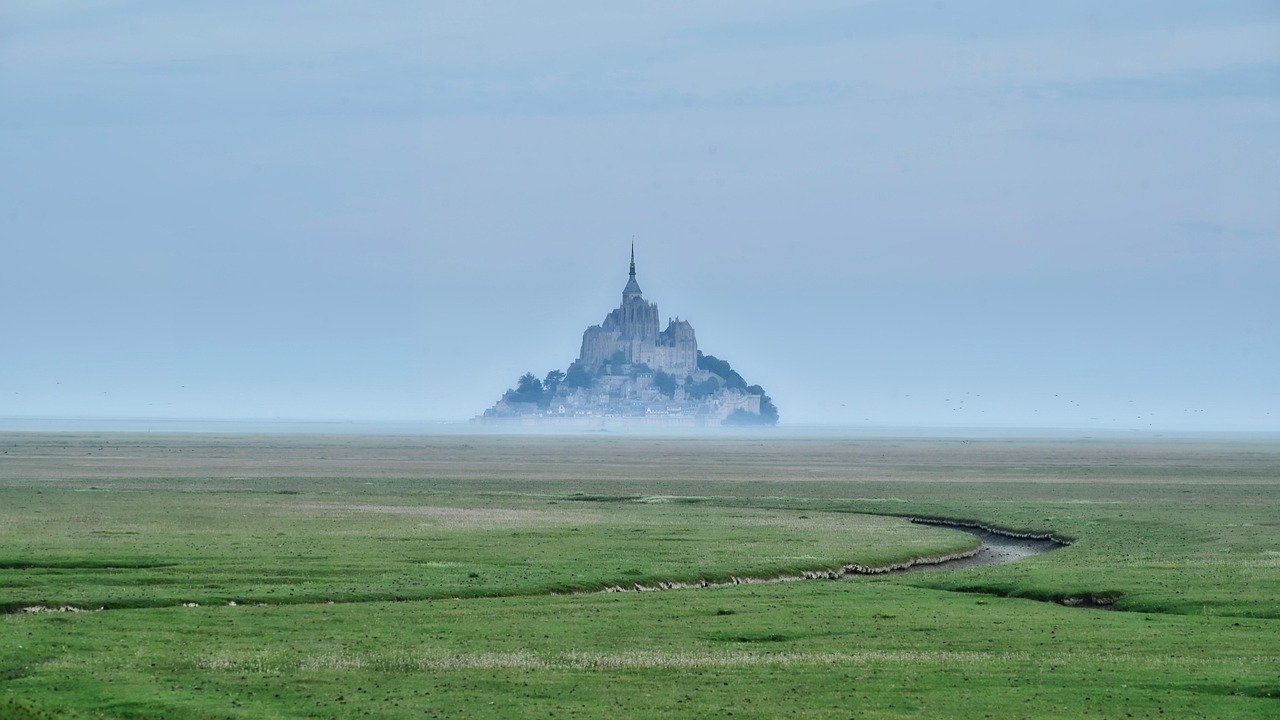
Jersey
The largest of the Channel Islands, Jersey combines sandy bays, cliff paths and a lively harbour capital with a relaxed island character and a distinctive Norman-English heritage.
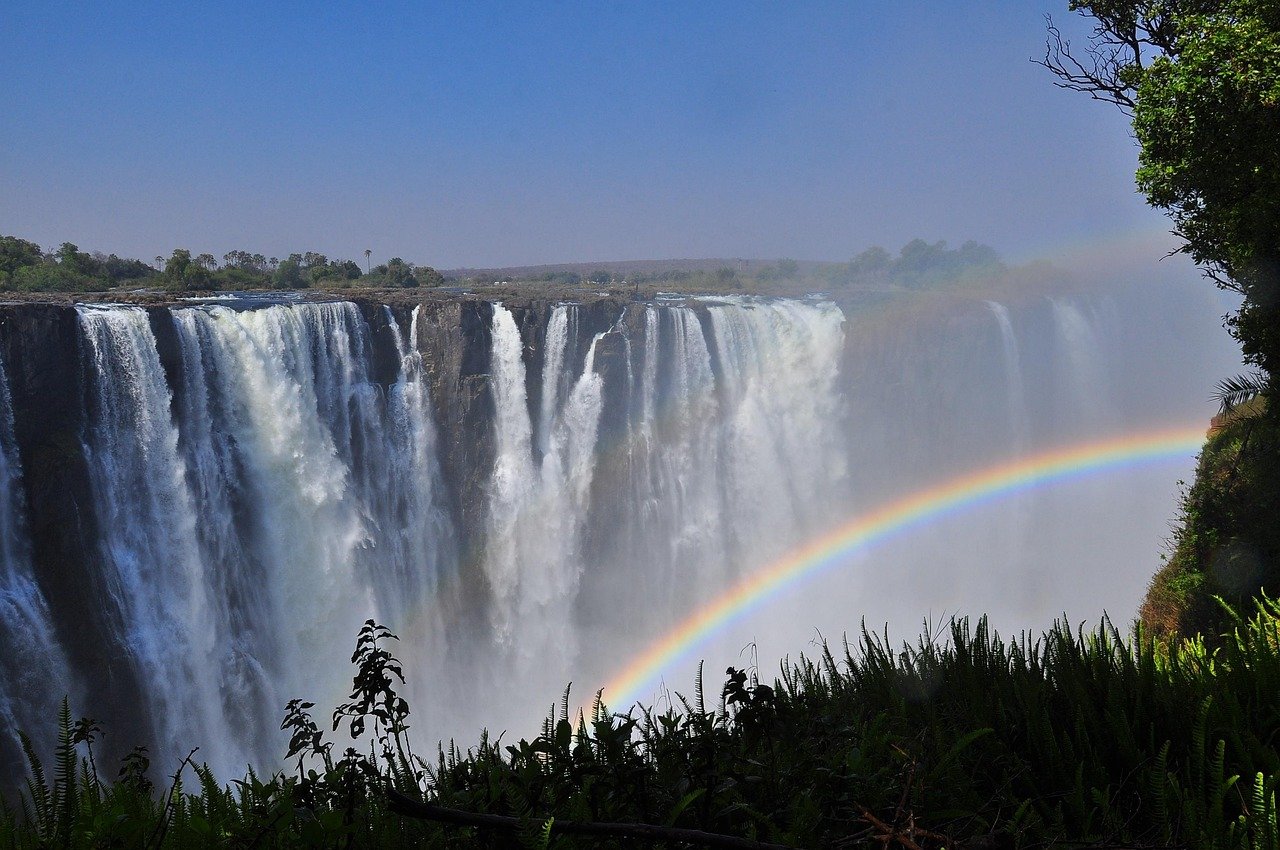
Zimbabwe
Zimbabwe blends one of Africa's great natural wonders, ancient stone cities and rich wildlife areas, with welcoming towns and a proud cultural heritage.
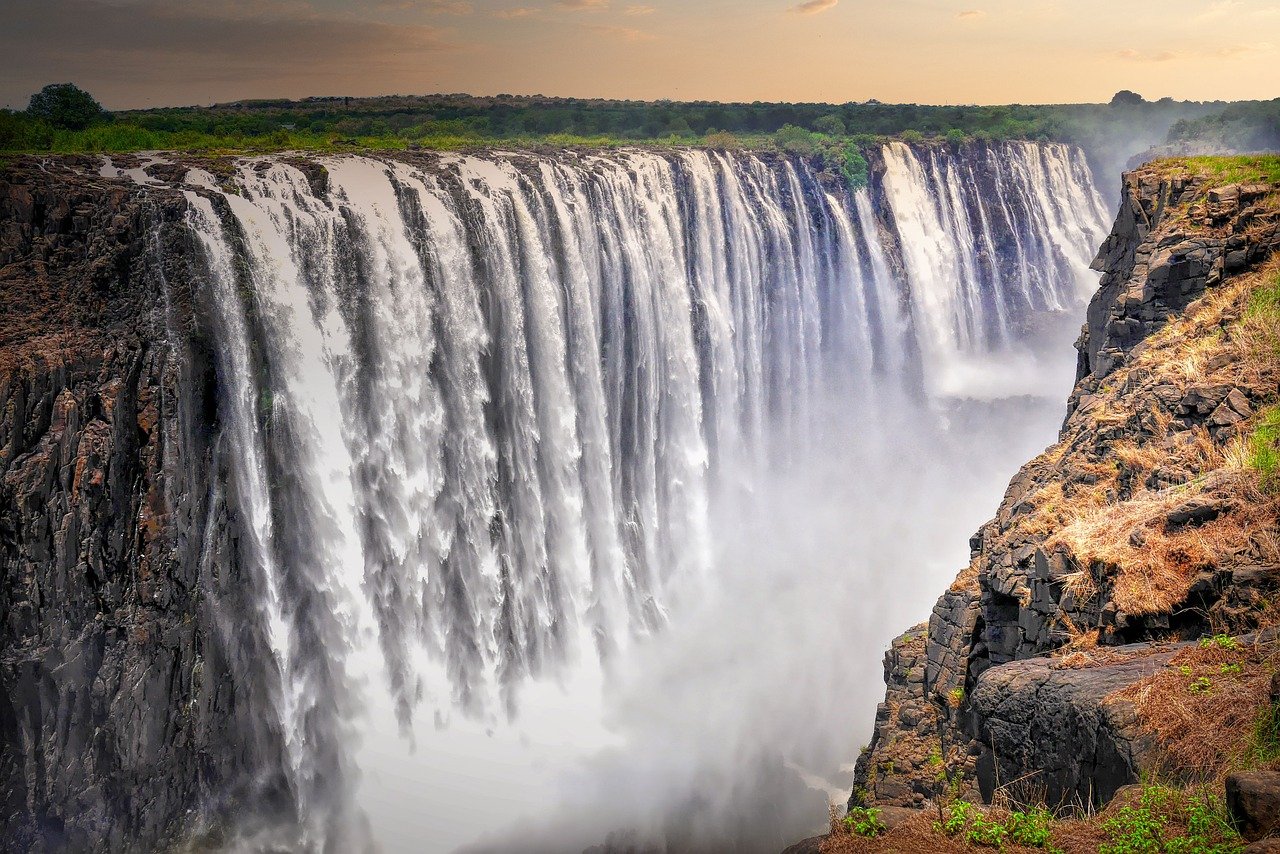
Zambia
Zambia is a landlocked southern African country defined by the Victoria Falls, the Zambezi River and vast wildlife reserves, offering a genuine safari and nature experience.
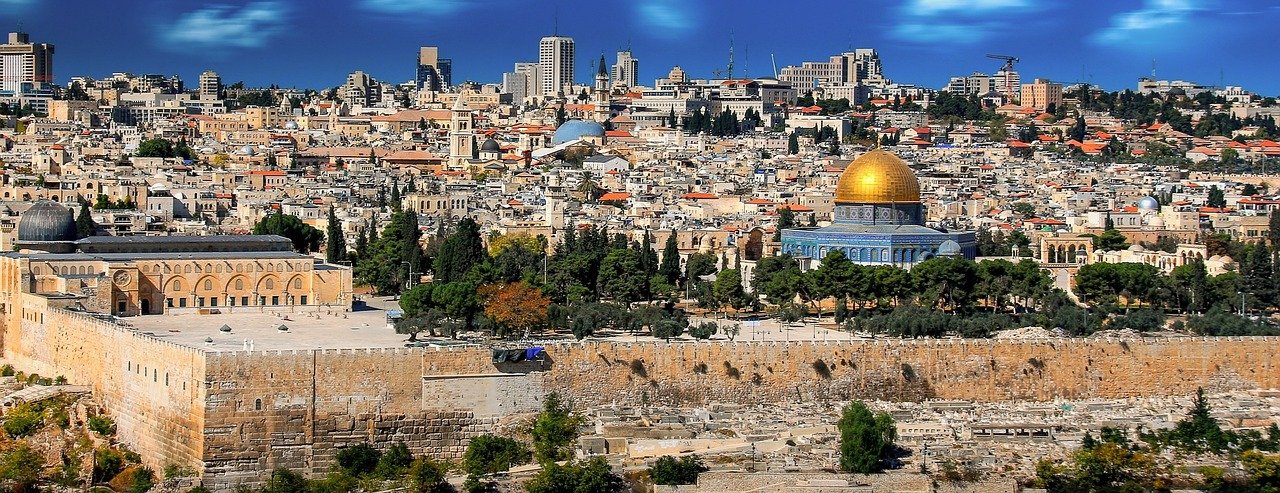
Yemen
Yemen pairs ancient mudbrick cities, rugged highlands, coastal plains and the otherworldly island of Socotra, creating one of the Arabian Peninsula's most distinctive cultural landscapes.