Midway Islands
The Midway Islands are a remote atoll in the North Pacific, known for their pivotal World War II history and vast seabird colonies. Today they form a protected wildlife refuge, offering a quiet, isolated setting shaped by coral reefs, open ocean and layered military heritage.
Passengers
Luggage
About Midway Islands
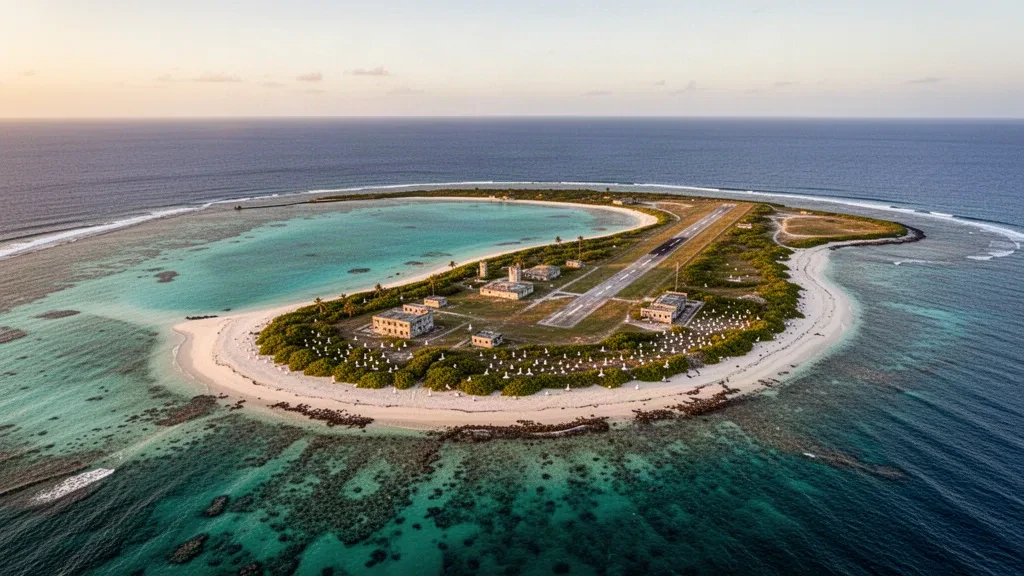
Midway Atoll is a remote coral atoll in the North Pacific Ocean and part of the United States Minor Outlying Islands. It sits roughly halfway between North America and Asia, a position that gives it its name. Today it is a national wildlife refuge and the site of the Battle of Midway National Memorial.
Sand Island is the main inhabited island, with Eastern Island and tiny Spit Island nearby. The atoll is best known for its seabirds, especially large colonies of Laysan and black-footed albatrosses, along with green sea turtles, Hawaiian monk seals and reef life within Papahānaumokuākea Marine National Monument.
Midway's history is dominated by the June 1942 Battle of Midway, a turning point in the Pacific during World War II. Remaining runways, gun emplacements, barracks and memorial sites preserve that period, while the atoll's earlier role as a transpacific cable station adds a deeper layer of history.
Access is tightly controlled and there is no conventional tourism industry. Authorized visitors, researchers and conservation staff arrive through Henderson Field, and movement around the small refuge is usually by foot, bicycle or refuge vehicles rather than public transport.
Midway Atoll matters most to travelers interested in military history, seabird conservation and remote Pacific environments. It is not a conventional business destination, but its protected status and historical significance make it a distinctive and carefully managed place to visit.
Midway Islands Travel Guide
Best Time to Visit
Visits to Midway Atoll require advance authorization and are limited year-round. The albatross nesting season, roughly November through July, offers the most dramatic wildlife viewing.
How to Get Around
There is no public transport on Midway Atoll. Sand Island is small, so authorized visitors move by foot or bicycle, with refuge vehicles used for official transport and access around the island.
Where to Stay
Midway Atoll has no general hotels or public lodging. Authorized visitors and researchers stay in limited refuge housing or transient quarters on Sand Island arranged through the U.S. Fish and Wildlife Service.
Food & Drink
There are no public restaurants or cafés on Midway Atoll. Meals are provided through refuge facilities for authorized visitors, and dining arrangements must be confirmed before travel.
Ground Transportation Services in Midway Islands
Airport Transfers
Visitors arriving at Henderson Field on Sand Island are met by U.S. Fish and Wildlife Service staff, since no commercial shuttle or public airport transfer operates at Midway Atoll.
Hourly Chauffeur
Private chauffeur service is not generally available on Midway Atoll. Authorized visitors are transported by refuge vehicles for official activities, research and conservation work.
Car Rental
Car rental is not offered at Midway Atoll. The small refuge is best explored on foot or by bicycle, with vehicle use arranged through the U.S. Fish and Wildlife Service.
Bus & Group Transfers
There is no public bus service on Midway Atoll. Authorized groups traveling for research, conservation or special visits coordinate group transport in advance with refuge staff.
Frequently Asked Questions
Related Cities in United States Minor Outlying Islands
View all
Wake Island
Wake Island, a remote coral atoll in the Pacific, carries a dramatic World War II history and today serves as a vital wildlife refuge and strategic outpost.
Palmyra Atoll
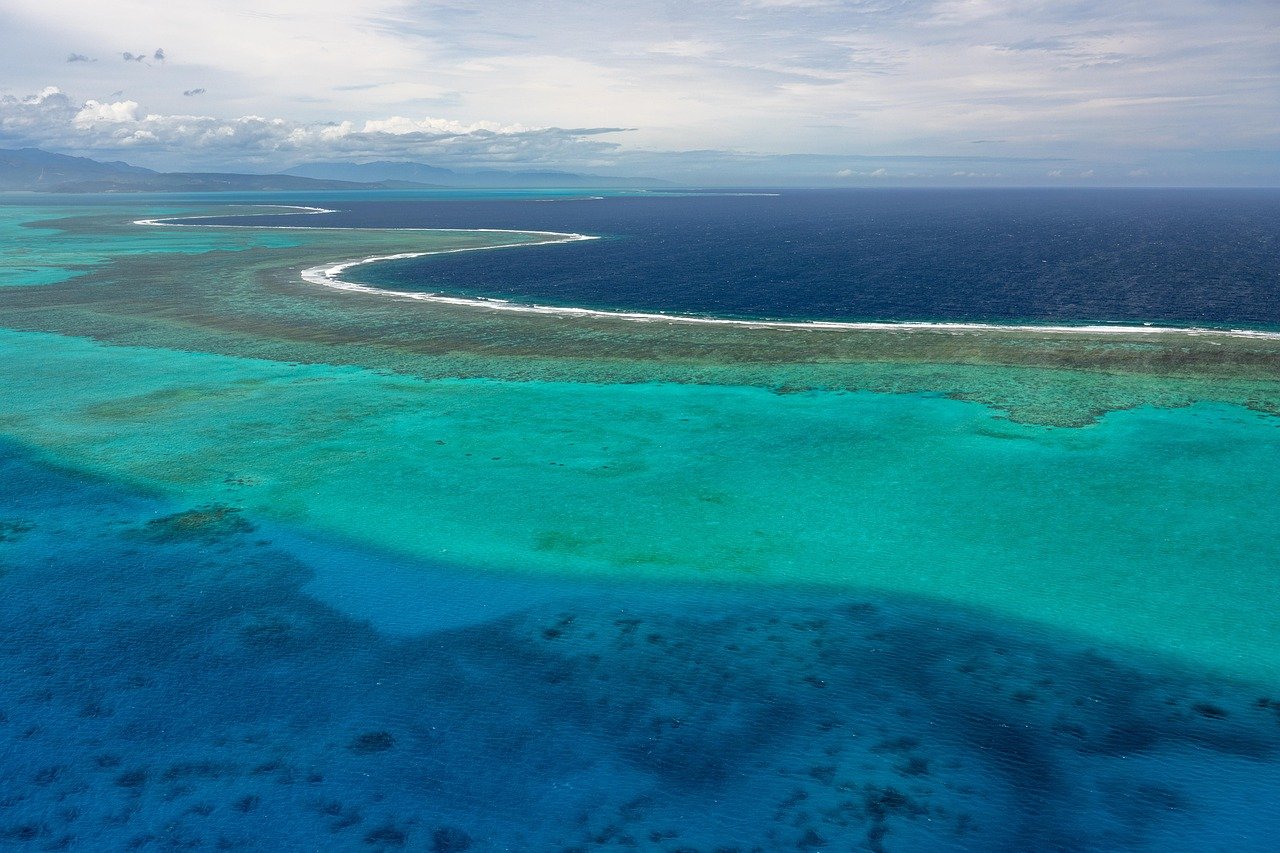
Palmyra Atoll is a remote, protected coral atoll in the Pacific, known for its dense tropical forest, turquoise lagoons and rich marine life. Its isolated setting and scientific reserve status make it a distinctive destination for nature and conservation.
Navassa Island
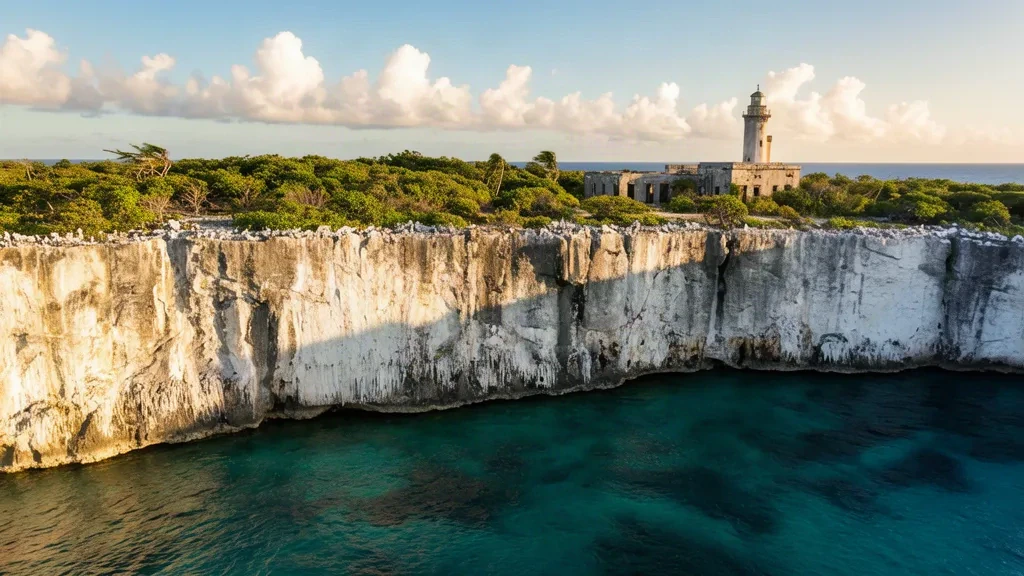
Navassa Island is a small, uninhabited Caribbean island and U.S. territory known for its steep coral cliffs, historic lighthouse and surrounding marine life.