Wake Island
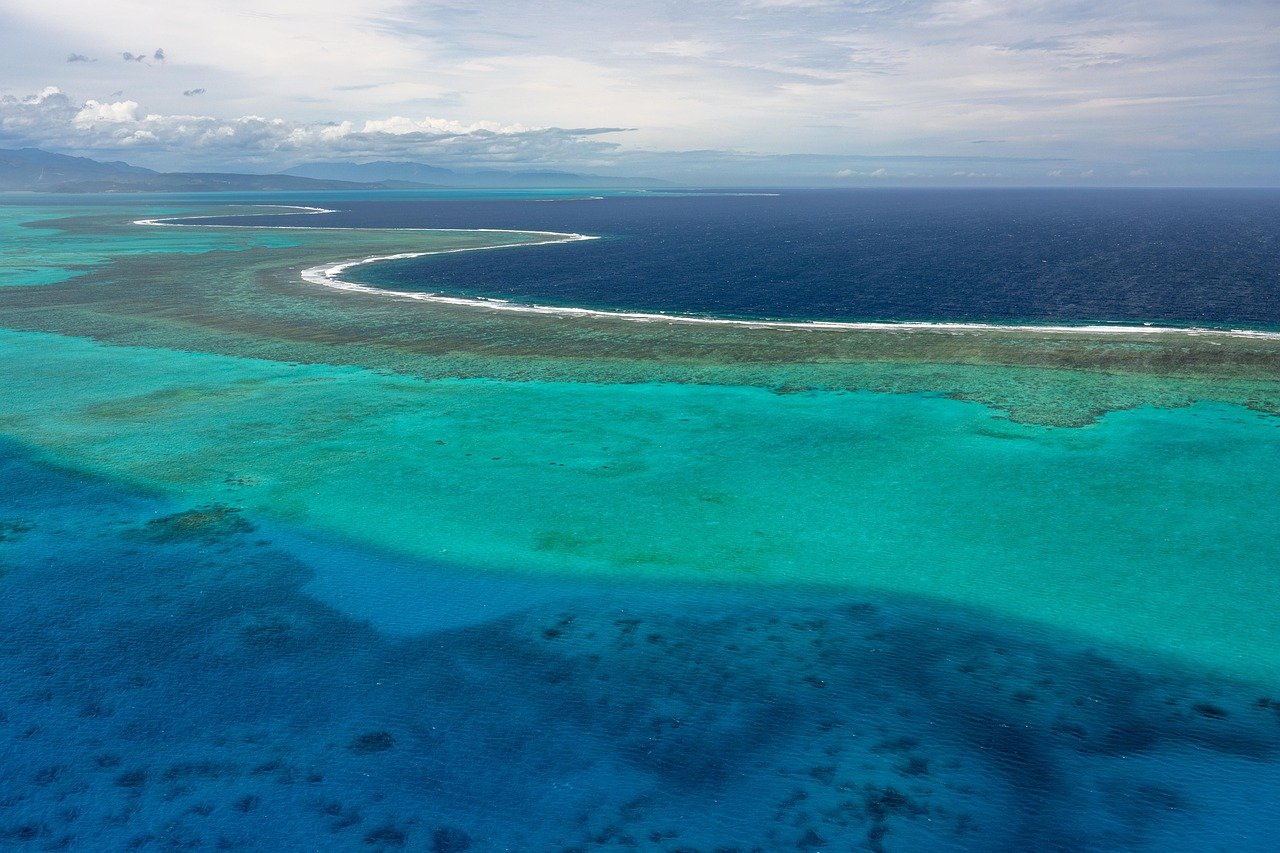
Wake Island, a remote coral atoll in the Pacific, carries a dramatic World War II history and today serves as a vital wildlife refuge and strategic outpost.
Passengers
Luggage
About Wake Island
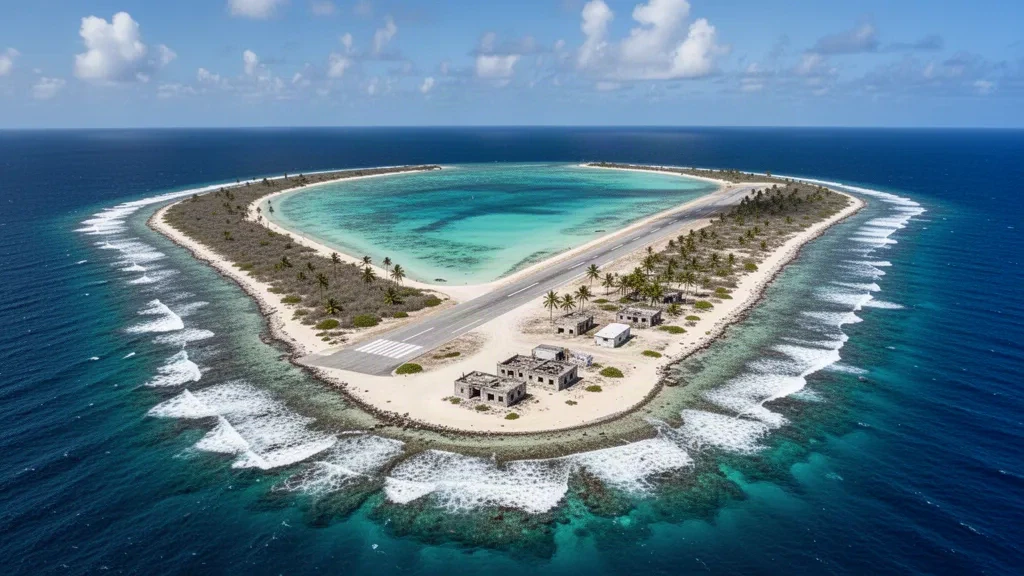
Wake Island is a remote coral atoll in the North Pacific Ocean and an unincorporated territory of the United States, administered as part of the United States Minor Outlying Islands. It is made up of three low islets, Wake, Wilkes, and Peale, arranged around a shallow central lagoon, and it functions as a restricted U.S. military and aviation support site rather than a conventional city.
The United States annexed Wake Island in 1899 for a cable station, and a major air and naval base was built here in 1940–41. In December 1941, Japanese forces captured the atoll after the Battle of Wake Island and held it until the end of World War II, leaving bunkers, gun positions, and memorials that remain part of the island's landscape.
Key places include Wake Island Airfield, the coral-fringed lagoon, and the smaller islets of Wilkes and Peale. The 98 Rock memorial honors the 98 American civilian prisoners of war executed in 1943, and the atoll's beaches, seabird colonies, and warm Pacific waters form a distinctive natural setting.
Today the atoll is operated by the U.S. Air Force, which maintains the airfield and supports military flights, emergency landings, and missile defense activities. Economic activity is limited to services for military and contractor personnel, and nearly all food and goods are imported.
Wake Island is not open to general tourism, so it matters mainly to military personnel, government staff, researchers, and contractors with authorized access. For those with a mission there, it offers a rare look at a strategically important and historically significant Pacific outpost.
Wake Island Travel Guide
Best Time to Visit
Wake Island has a tropical climate with a drier period roughly from November to April and a typhoon season generally from May to November. Access is restricted, so any visit must be approved in advance by U.S. military or government authorities.
How to Get Around
There is no public transportation on Wake Island. Authorized personnel and visitors move between the airfield, base facilities, and work sites using official or contractor vehicles, and short distances can be covered on foot.
Where to Stay
Wake Island has no public hotels or commercial lodging. Visiting personnel are housed in government or contractor accommodations arranged in advance through the sponsoring military or government agency.
Food & Drink
There are no public restaurants, cafés, or shops on Wake Island. Meals are provided through base dining and contractor facilities for authorized personnel, and most food and supplies are imported by sea or air.
Ground Transportation Services in Wake Island
Airport Transfers
Ground movement between Wake Island Airfield and base facilities is arranged for authorized military personnel, government staff, and official visitors upon arrival.
Hourly Chauffeur
Official vehicles and drivers can be arranged through the host command for scheduled site visits, inspections, and work-related travel around the atoll.
Car Rental
There is no public car rental on Wake Island. Authorized personnel use assigned government or contractor vehicles for official duties.
Bus & Group Transfers
Group movement on Wake Island is organized through the host command using base vehicles for official teams, work crews, and arriving or departing personnel.
Frequently Asked Questions
Related Cities in United States Minor Outlying Islands
View all
Palmyra Atoll
Palmyra Atoll is a remote, protected coral atoll in the Pacific, known for its dense tropical forest, turquoise lagoons and rich marine life. Its isolated setting and scientific reserve status make it a distinctive destination for nature and conservation.
Navassa Island
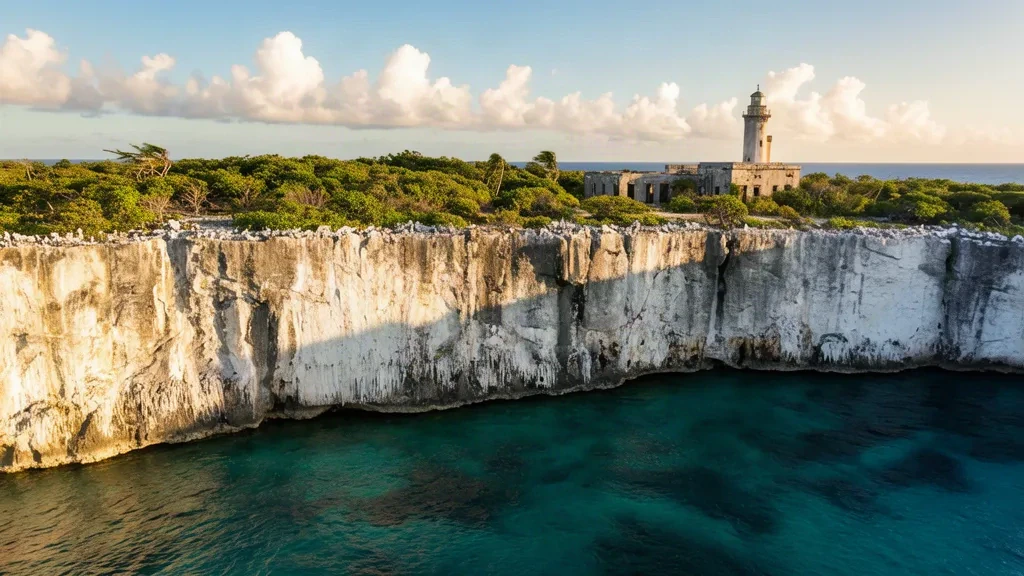
Navassa Island is a small, uninhabited Caribbean island and U.S. territory known for its steep coral cliffs, historic lighthouse and surrounding marine life.
Midway Islands
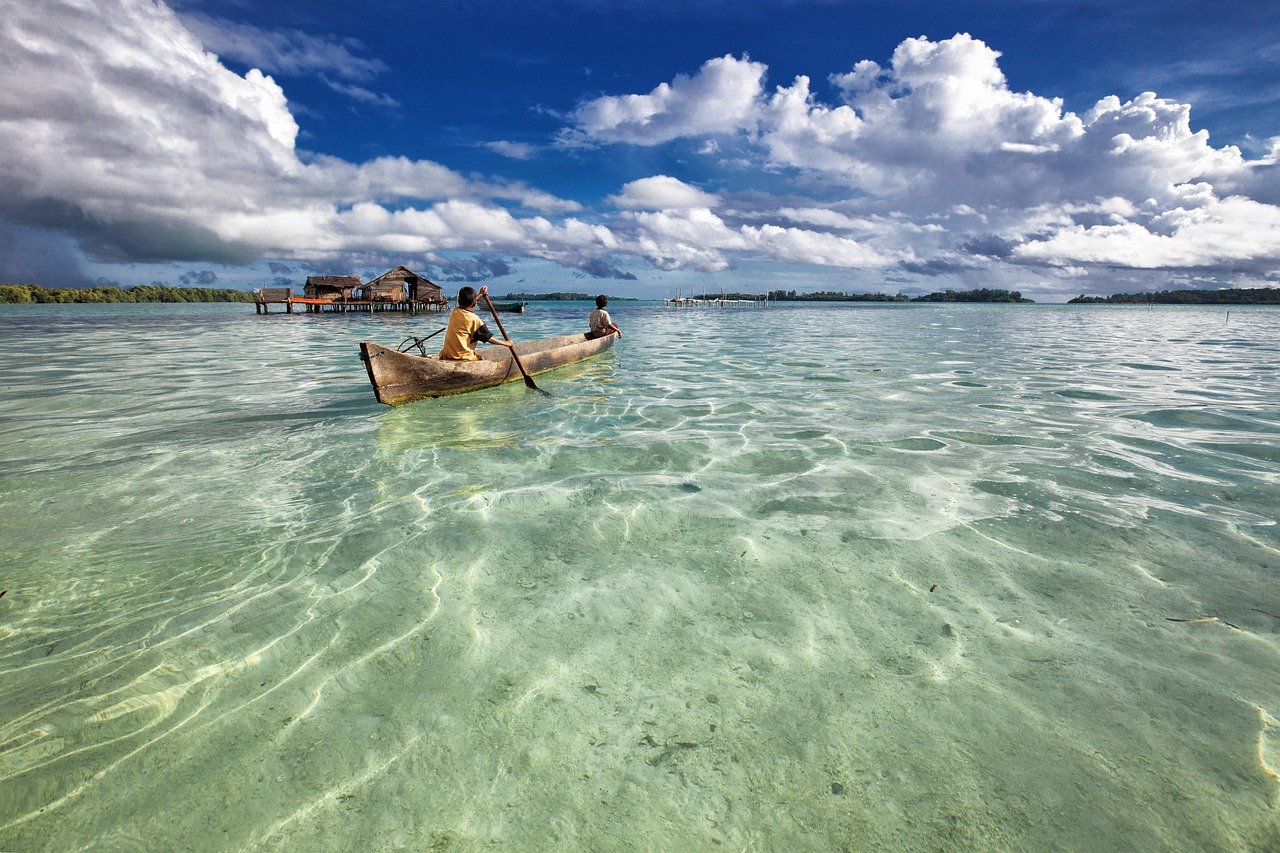
The Midway Islands are a remote atoll in the North Pacific, known for their pivotal World War II history and vast seabird colonies. Today they form a protected wildlife refuge, offering a quiet, isolated setting shaped by coral reefs, open ocean and layered military heritage.