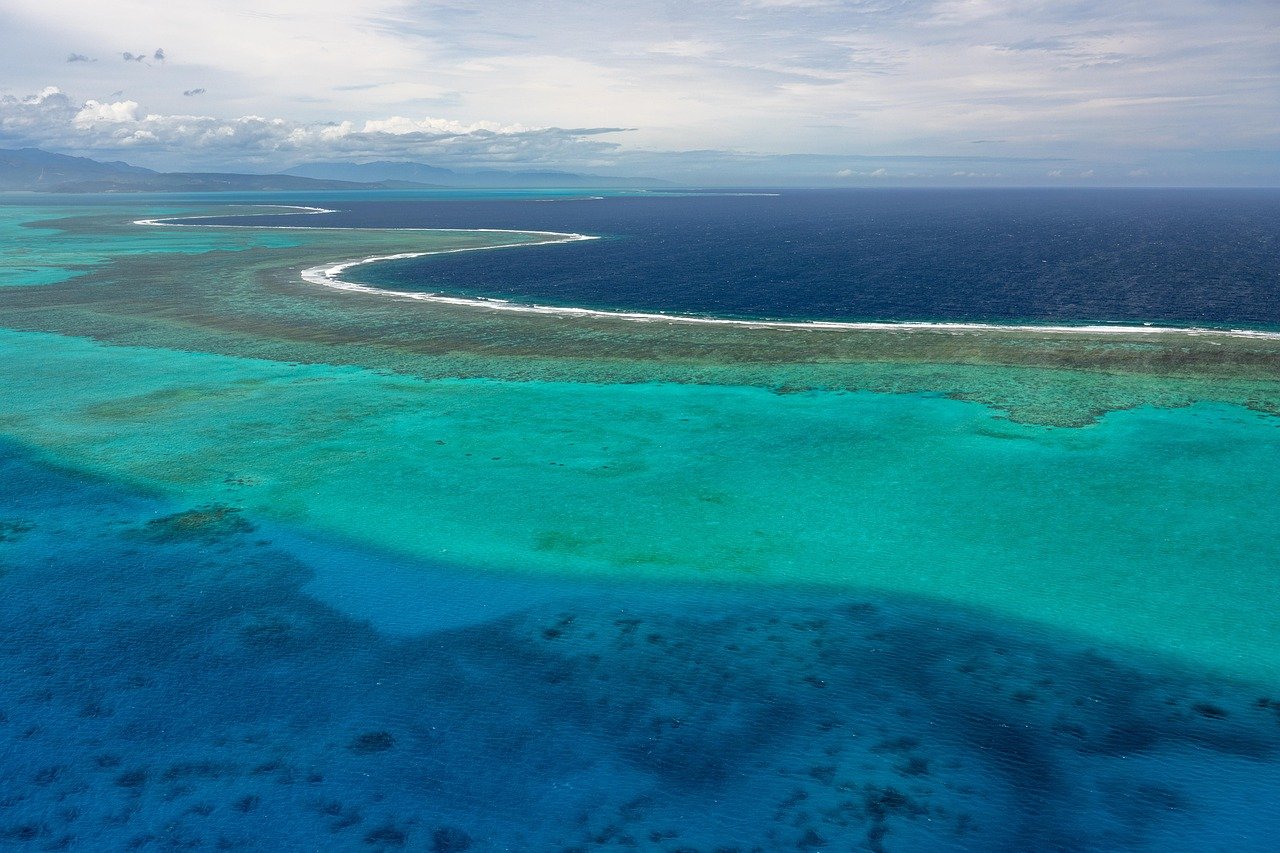
Palmyra Atoll
Palmyra Atoll is a remote, protected coral atoll in the Pacific, known for its dense tropical forest, turquoise lagoons and rich marine life. Its isolated setting and scientific reserve status make it a distinctive destination for nature and conservation.
Passengers
Luggage
About Palmyra Atoll
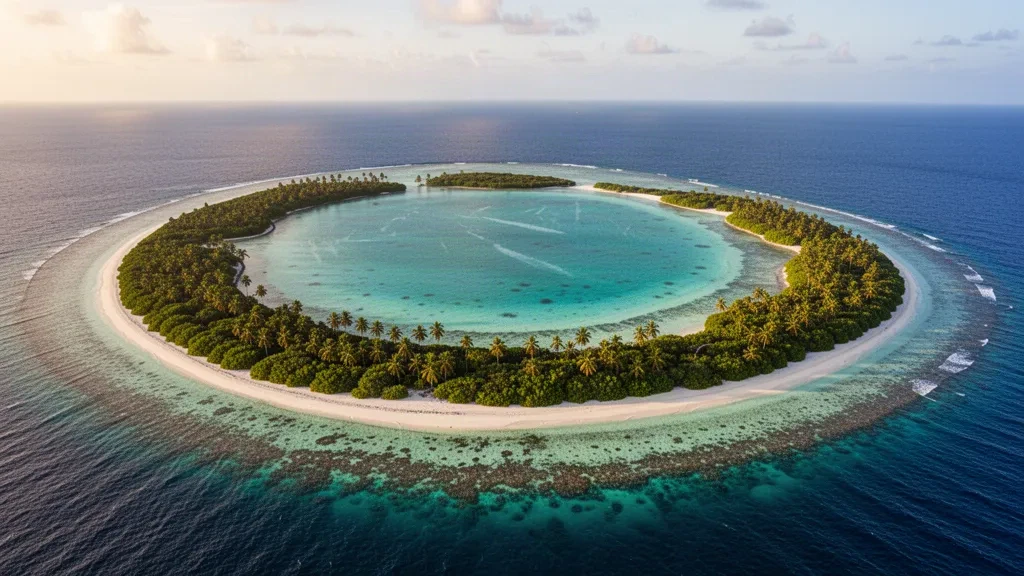
Palmyra Atoll is a remote coral atoll in the central Pacific Ocean, roughly halfway between Hawaii and American Samoa, and forms part of the United States Minor Outlying Islands. Unlike a conventional travel destination, it is an uninhabited U.S. territory managed primarily for conservation, with no permanent residents, hotels or public tourism infrastructure.
The atoll's history includes U.S. naval use during World War II, when military construction reshaped parts of the islands and lagoons. Today the remnants of that period sit alongside restored tropical habitats. Palmyra is administered as a national wildlife refuge and is co-managed by the U.S. Fish and Wildlife Service and The Nature Conservancy, which operate a small research station.
Palmyra's main draws are natural rather than urban: intact coral reefs, a central lagoon system, islets covered in native vegetation, seabird colonies and healthy marine life. The surrounding waters support large fish populations and reef ecosystems that are used as a scientific baseline for studying less-disturbed tropical environments.
Visits are limited and require advance permission from the U.S. Fish and Wildlife Service. Most people who reach the atoll are researchers, conservation staff or permitted expedition groups, usually arriving by private vessel or by authorized aircraft at the small private airstrip. Because services on the island are minimal, Palmyra is relevant mainly for scientific, conservation and expedition travel rather than conventional leisure tourism.
Palmyra Atoll Travel Guide
Best Time to Visit
Palmyra has a hot, humid tropical climate with frequent rainfall and no real tourist season. Visits are restricted and require advance permission from the U.S. Fish and Wildlife Service, so timing depends on permits, logistics and expedition schedules rather than typical holiday periods.
How to Get Around
There is no public transportation on the atoll. Movement between islets is generally by small boat, with walking and limited on-island vehicle use coordinated through the research station or expedition support staff.
Where to Stay
Palmyra has no hotels or commercial lodging. Permitted researchers and visitors typically stay in facility accommodations at the research station or sleep aboard vessels, and all supplies and personal needs must be brought in.
Food & Drink
There are no restaurants, shops or markets on the atoll. Permitted visitors and research teams bring their own supplies, with meals prepared by expedition staff or self-catered at the research station.
Ground Transportation Services in Palmyra Atoll
Airport Transfers
Coordinate permitted transport between the private Palmyra (Cooper) Airport airstrip and research facilities, docks and landing areas for scientists and expedition groups.
Hourly Chauffeur
Arrange private, on-island transport support for permitted groups moving between the airstrip, docks, facilities and field sites, where vehicle use is limited and coordinated with refuge staff.
Car Rental
Independent car rental is not available on the uninhabited atoll; travel is coordinated through permitted research or expedition support services rather than self-drive vehicles.
Bus & Group Transfers
Arrange group transport for scientific teams, conservation crews and permitted expeditions moving between the airstrip, docks, work sites and facilities on Palmyra Atoll.
Frequently Asked Questions
Related Cities in United States Minor Outlying Islands
View all
Wake Island
Wake Island, a remote coral atoll in the Pacific, carries a dramatic World War II history and today serves as a vital wildlife refuge and strategic outpost.
Navassa Island
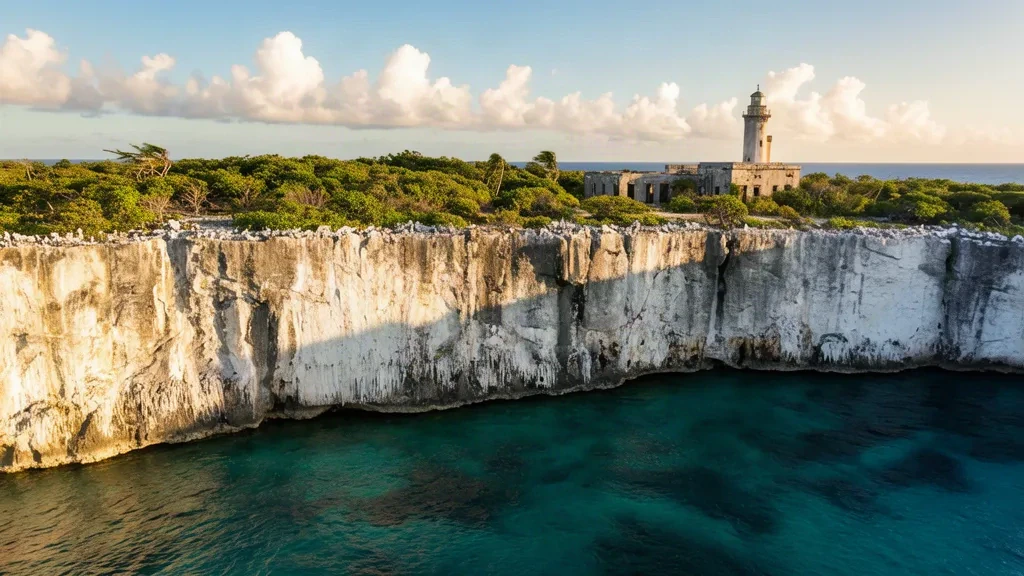
Navassa Island is a small, uninhabited Caribbean island and U.S. territory known for its steep coral cliffs, historic lighthouse and surrounding marine life.

Midway Islands
The Midway Islands are a remote atoll in the North Pacific, known for their pivotal World War II history and vast seabird colonies. Today they form a protected wildlife refuge, offering a quiet, isolated setting shaped by coral reefs, open ocean and layered military heritage.