Navassa Island
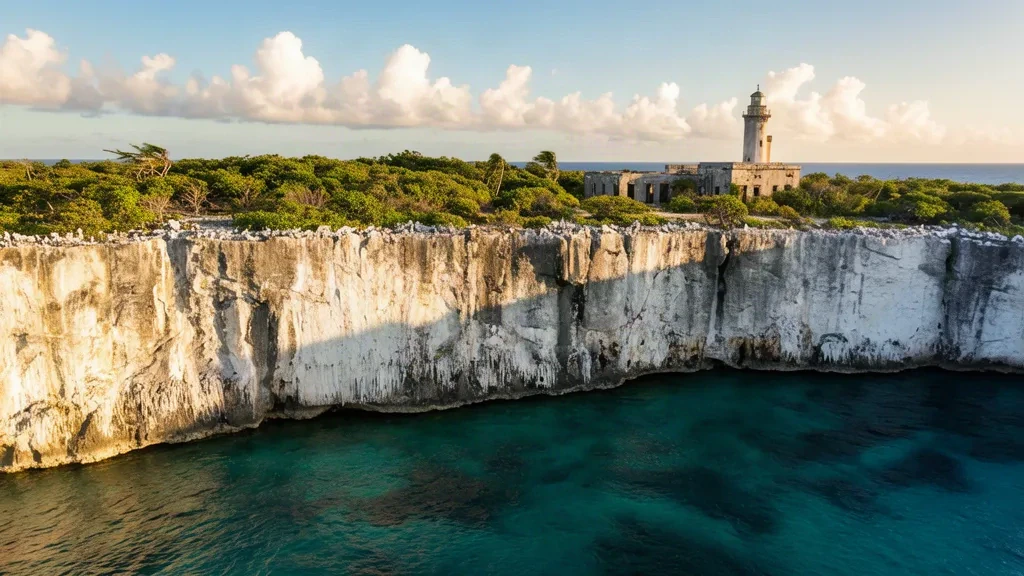
Navassa Island is a small, uninhabited Caribbean island and U.S. territory known for its steep coral cliffs, historic lighthouse and surrounding marine life.
Passengers
Luggage
About Navassa Island
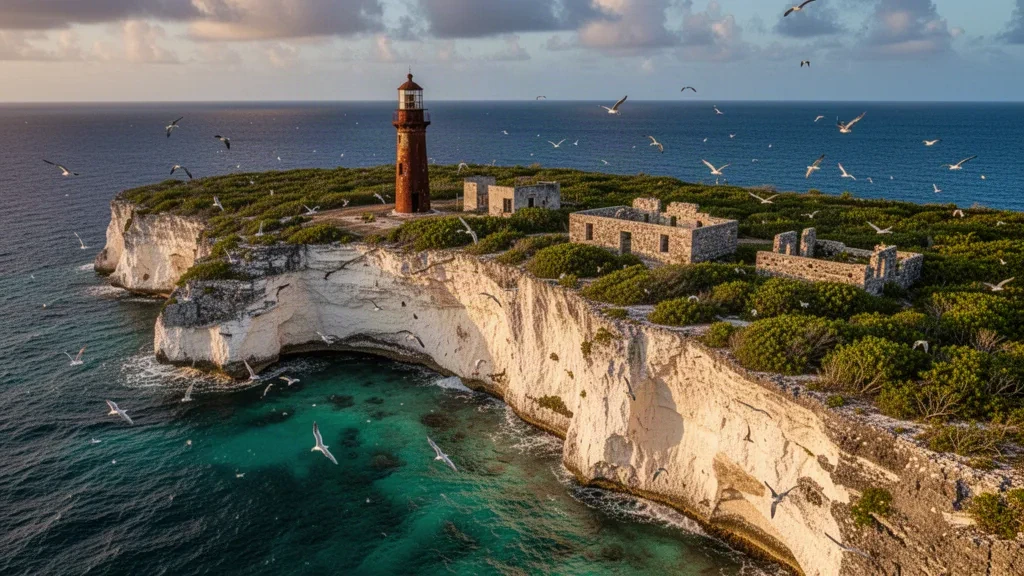
Navassa Island is a small, uninhabited island in the Caribbean Sea, administered by the United States as part of the United States Minor Outlying Islands and also claimed by Haiti. It lies west of Haiti's southwestern peninsula and consists of a rugged limestone plateau ringed by steep cliffs and fringing coral reefs, with no permanent residents and no tourist infrastructure.
The island entered U.S. control in 1857 under the Guano Islands Act, when phosphate-rich deposits were mistaken for guano. Commercial mining operated between 1865 and 1898, and a lighthouse completed in 1917 served shipping in the Windward Passage until it was decommissioned in 1996. Administration later passed to the U.S. Department of the Interior, and the island is now managed as Navassa Island National Wildlife Refuge.
Navassa's ecological value is its defining feature. Dry tropical forest and scrub cover much of the interior, while the island supports seabird colonies, endemic reptiles and invertebrates, and healthy coral reef habitat. Scientific expeditions have documented species found nowhere else, and access is tightly controlled to protect the refuge.
Because there are no settlements, hotels, roads or visitor facilities, Navassa Island is not a conventional leisure destination. Travel is generally limited to authorized scientific, conservation and management trips, which reach the island by boat from Haiti or other Caribbean ports. Its interest lies in remote Caribbean nature, maritime history and U.S. territorial history rather than urban attractions.
Navassa Island Travel Guide
Best Time to Visit
Navassa Island is not a conventional tourist destination, and all visits require authorization. Calmer seas between December and April generally offer the most favorable conditions for boat landings.
How to Get Around
The island has no roads, vehicles or public transport. Authorized visitors move on foot along rough, steep trails, and access around the island is by boat.
Where to Stay
There are no hotels, guesthouses or camping facilities on Navassa Island. Overnight stays are generally limited to authorized research and management expeditions, with accommodation found on mainland Haiti or nearby Caribbean islands.
Food & Drink
There are no restaurants, shops or water supplies on the island. Visitors on authorized trips must bring all food, drinking water and supplies, and refuge rules restrict fishing and wildlife disturbance.
Ground Transportation Services in Navassa Island
Airport Transfers
Navassa Island has no airport, so airport transfer services are not available on the island. Authorized visitors typically fly to Haiti and complete the journey to the island by private or chartered boat.
Hourly Chauffeur
There are no roads, taxis or chauffeur services on uninhabited Navassa Island. Access is arranged through expedition vessels, and movement on the island is on foot with authorized guides.
Car Rental
Car rental is not possible on Navassa Island because the island has no road network or vehicle infrastructure. Authorized visits are arranged by boat rather than independent driving.
Bus & Group Transfers
Group access to Navassa Island is limited to authorized research, conservation and management expeditions, usually by chartered vessel from Haiti or other Caribbean ports; there are no bus services.
Frequently Asked Questions
Related Cities in United States Minor Outlying Islands
View all
Wake Island
Wake Island, a remote coral atoll in the Pacific, carries a dramatic World War II history and today serves as a vital wildlife refuge and strategic outpost.
Palmyra Atoll
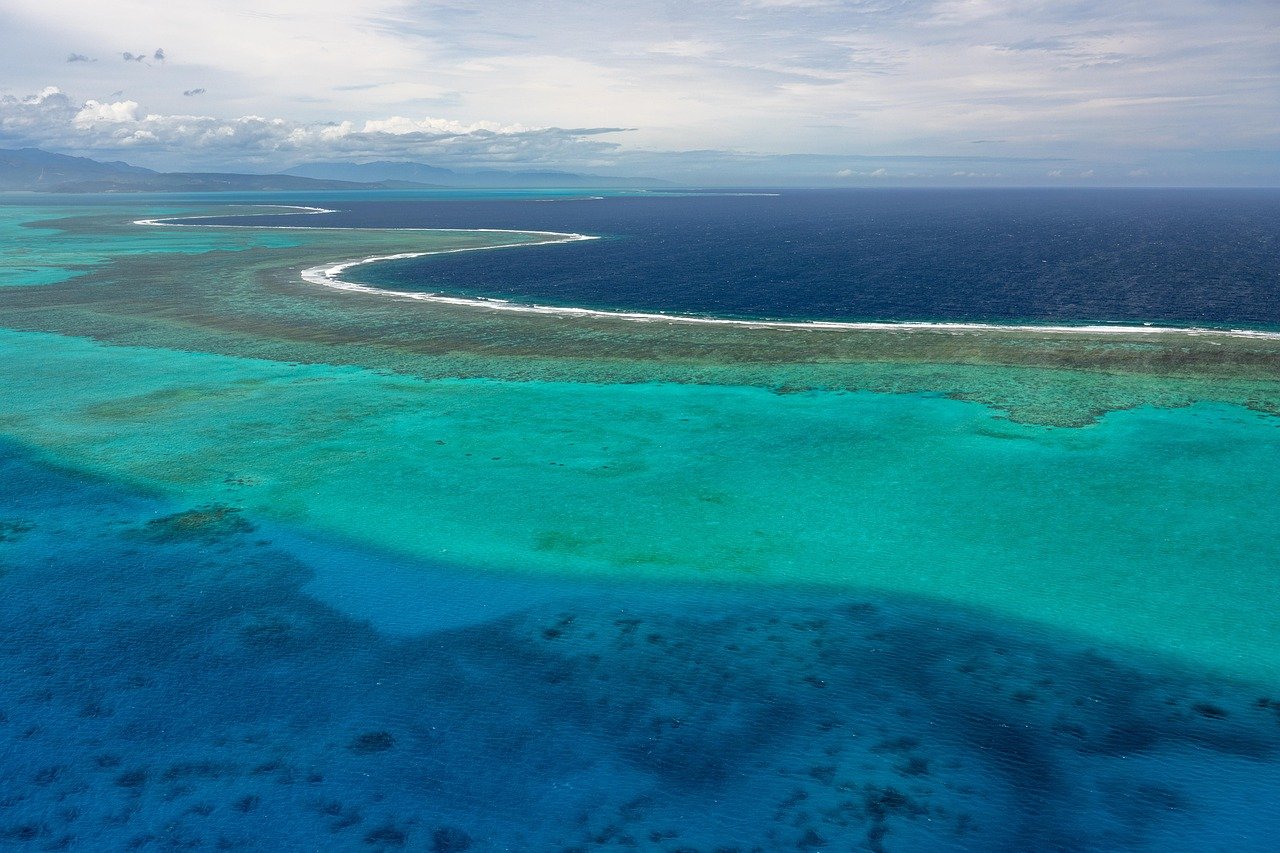
Palmyra Atoll is a remote, protected coral atoll in the Pacific, known for its dense tropical forest, turquoise lagoons and rich marine life. Its isolated setting and scientific reserve status make it a distinctive destination for nature and conservation.
Midway Islands
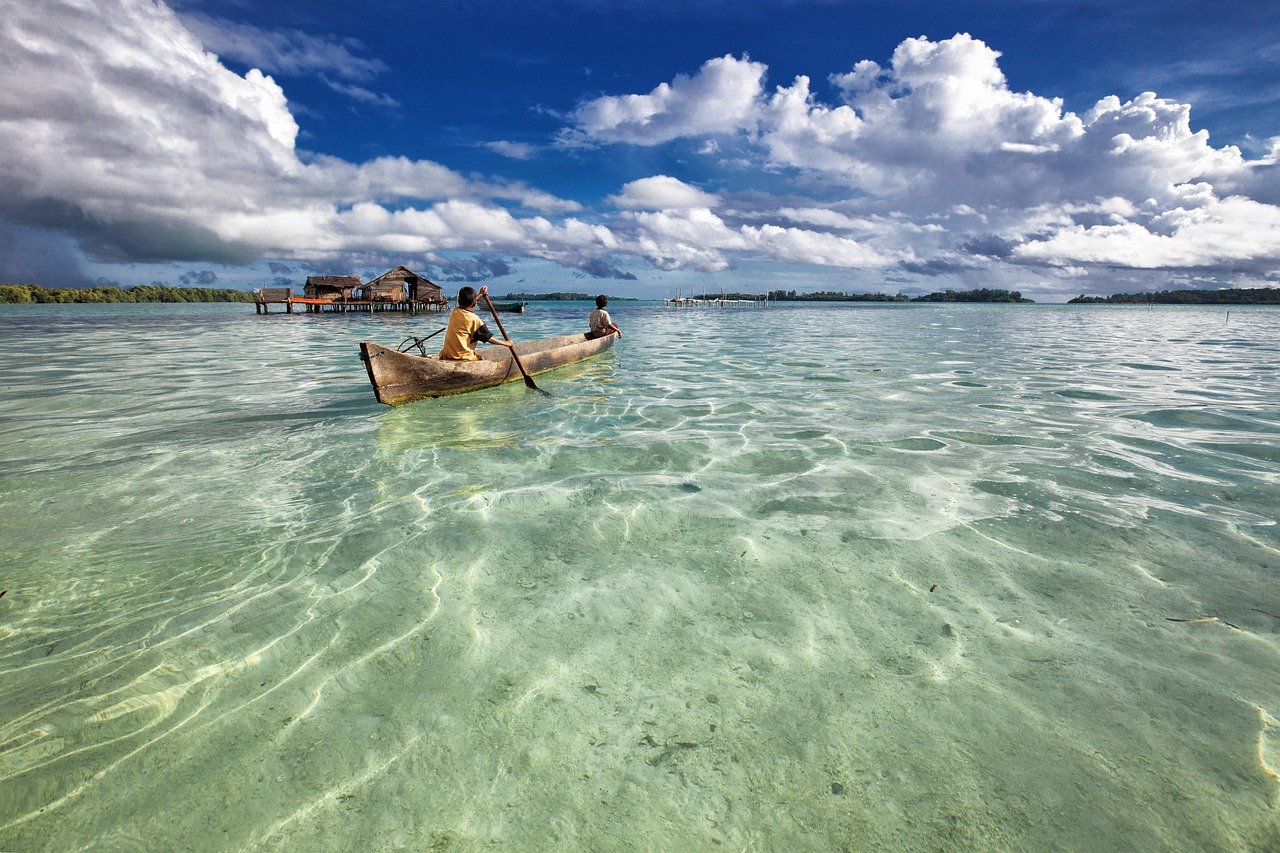
The Midway Islands are a remote atoll in the North Pacific, known for their pivotal World War II history and vast seabird colonies. Today they form a protected wildlife refuge, offering a quiet, isolated setting shaped by coral reefs, open ocean and layered military heritage.