Ma'rib
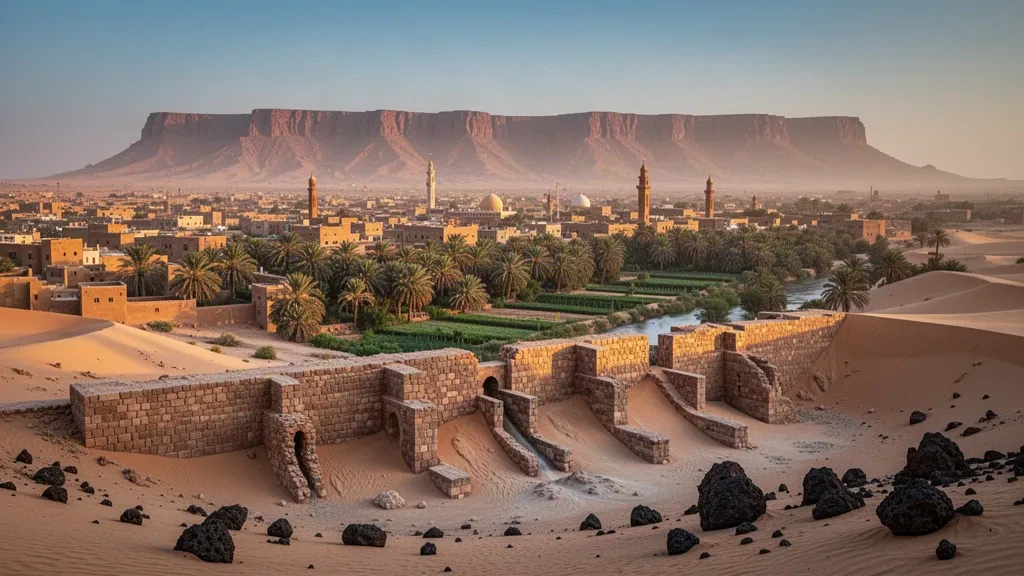
Ma'rib, an ancient city in central Yemen, is known for the Sabaean ruins, the Great Dam of Ma'rib and its role as a historic crossroads in the Arabian Peninsula.
Passengers
Luggage
About Ma'rib
Marib is the capital of Ma'rib Governorate in north-central Yemen, roughly 173 km east of Sana'a. Set between the desert and the foothills of the eastern highlands, it was the capital of the ancient Kingdom of Saba and is now a fast-growing administrative, economic and humanitarian centre.
The city is most famous as the heart of ancient Saba, the kingdom associated with the Queen of Sheba. The Great Marib Dam, one of the ancient world's most ambitious irrigation works, once watered a fertile oasis and remains a defining symbol of the region's engineering heritage. Nearby temples dedicated to the moon god Almaqah, including the Awam Temple and the Bar'an Temple, are part of the UNESCO World Heritage site Landmarks of the Ancient Kingdom of Saba, Marib.
Visitors with archaeological or historical interests come to see the remains of the old dam, the temple precincts and the ancient city ruins, while the wider governorate contains sites such as Sirwah, about 40 km to the west. The modern city itself is more functional than touristic, with busy markets, small hotels, cafés and mosques serving a population that has expanded sharply since 2015.
Marib is central to Yemen's oil and gas industry, with the Safer fields, refinery and power station nearby, and it sits on important road routes linking Sana'a with eastern governorates. It is also a base for government administration, security forces and humanitarian organisations working with the large displaced population.
Because the area remains affected by armed conflict, travel requires careful planning, local contacts and up-to-date security advice. For researchers, humanitarian workers and business travellers, however, Marib offers a rare window onto both an ancient civilisation and a resilient modern Yemeni city.
Ma'rib Travel Guide
Best Time to Visit
The cooler months from October to February are the most comfortable for exploring Marib, while summer brings intense desert heat. Security conditions, local permissions and road access matter more than the season when planning any visit.
How to Get Around
Marib has limited formal public transport, so most movement relies on shared taxis, minibuses and private vehicles. An SUV or 4x4 is useful for desert roads and checkpoints, and local drivers are familiar with routes and security procedures.
Where to Stay
Most accommodation is concentrated in central Marib City near the main markets and roads, ranging from simple guesthouses to modest business hotels. Many properties serve NGO, security and contractor travellers, so advance booking is recommended.
Food & Drink
Local dining centres on Yemeni dishes such as salta, mandi and fahsa, with grilled meat and sambusas widely available at small restaurants. Markets supply fresh produce and spices, while tea and qishr coffee are served in local cafés.
Ground Transportation Services in Ma'rib
Airport Transfers
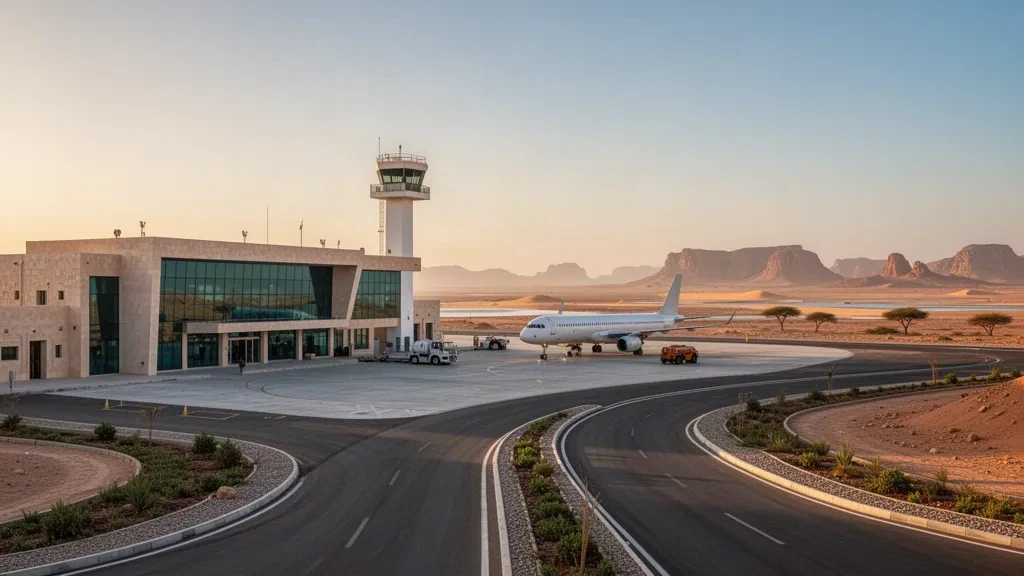
Arrange road transfers between Marib and the nearest international gateways, including Sana'a, Seiyun or Aden, with drivers familiar with checkpoints and current road conditions. Marib's own international airport is still under construction.
Hourly Chauffeur
Book a private chauffeur by the hour for business meetings, humanitarian coordination, site visits to the dam and temples, and flexible movement around Marib and the governorate.
Car Rental
Rent a 4x4 or SUV in Marib for independent or escorted travel, including journeys to nearby districts and desert routes. Check security conditions and required permits before setting out.
Bus & Group Transfers
Use minibuses or charter buses for NGO teams, corporate groups, site visits, and airport or road transfers within Marib and to nearby governorates.
Frequently Asked Questions
Related Cities in Yemen
View all
Ta'izz
Ta'izz, a historic city in Yemen's highlands, is known for its Rasulid-era architecture, old mosques and the hilltop Al-Qahira Castle, with a lively market and coffee-growing heritage.
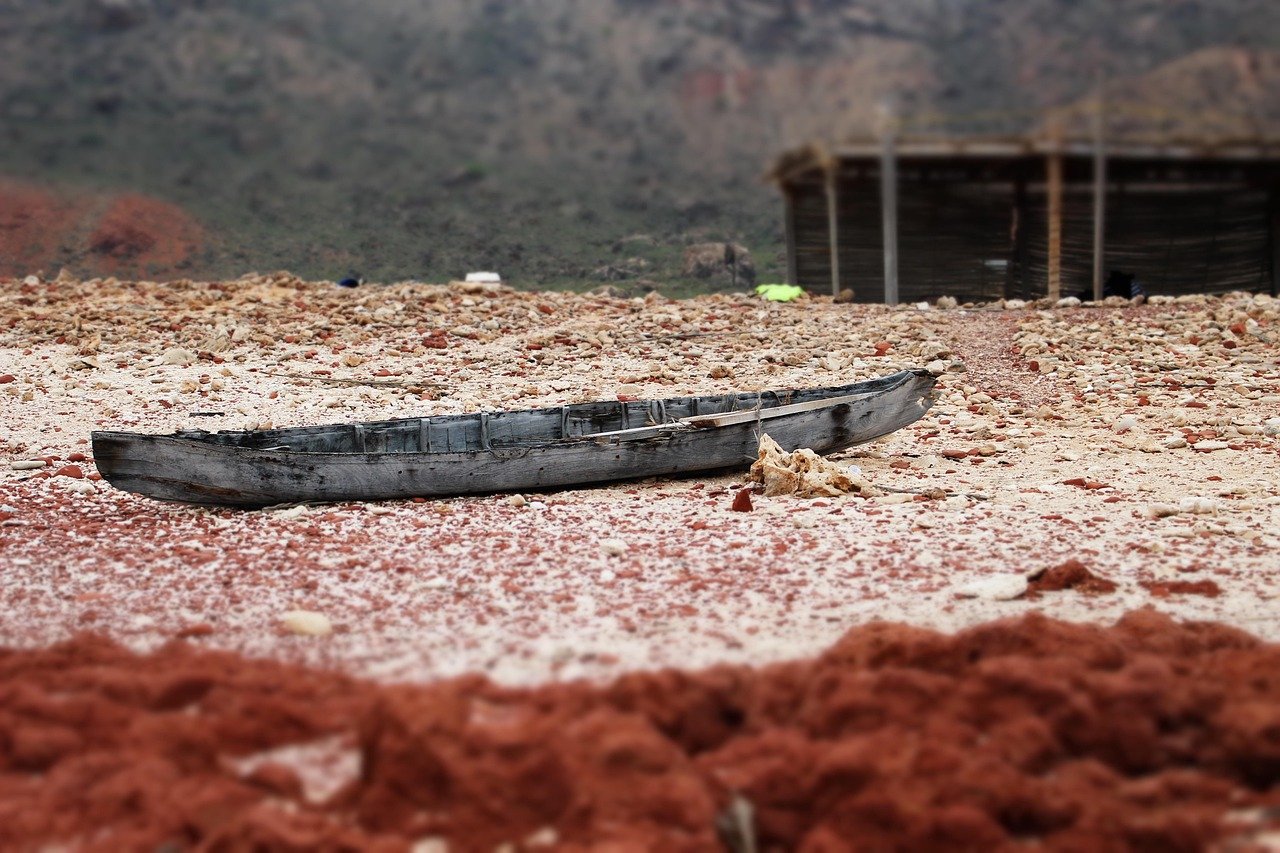
Socotra
Socotra, Yemen's remote island in the Arabian Sea, is known for its otherworldly landscapes, dragon's blood trees, pristine beaches and rich Yemeni culture.
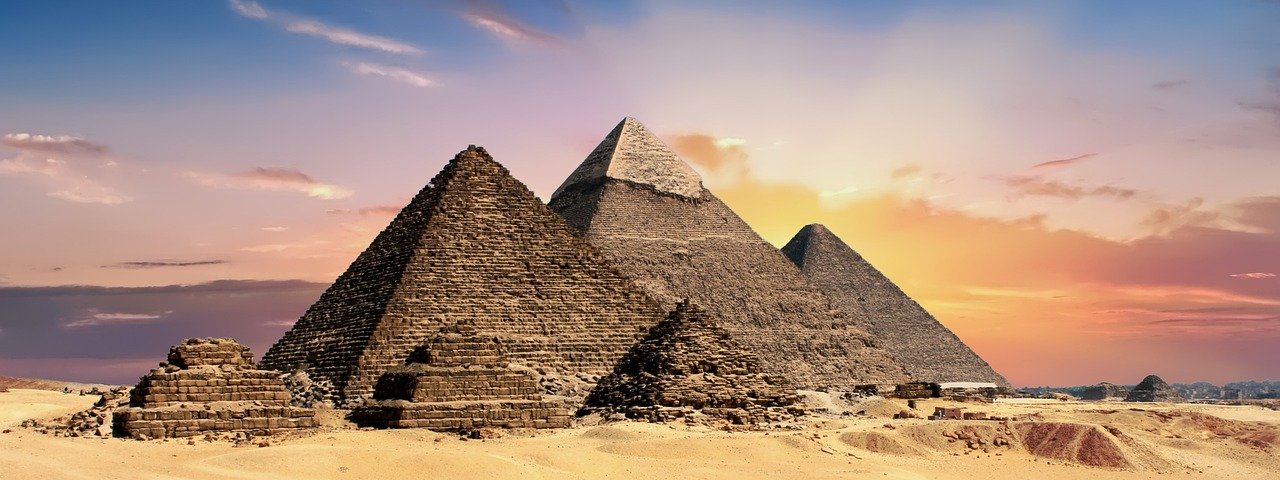
Shabwah
Shabwah, an ancient city in Yemen, served as the capital of the Kingdom of Hadhramaut and is known for its archaeological ruins, desert landscape and enduring role in southern Arabian history.