Jeonju
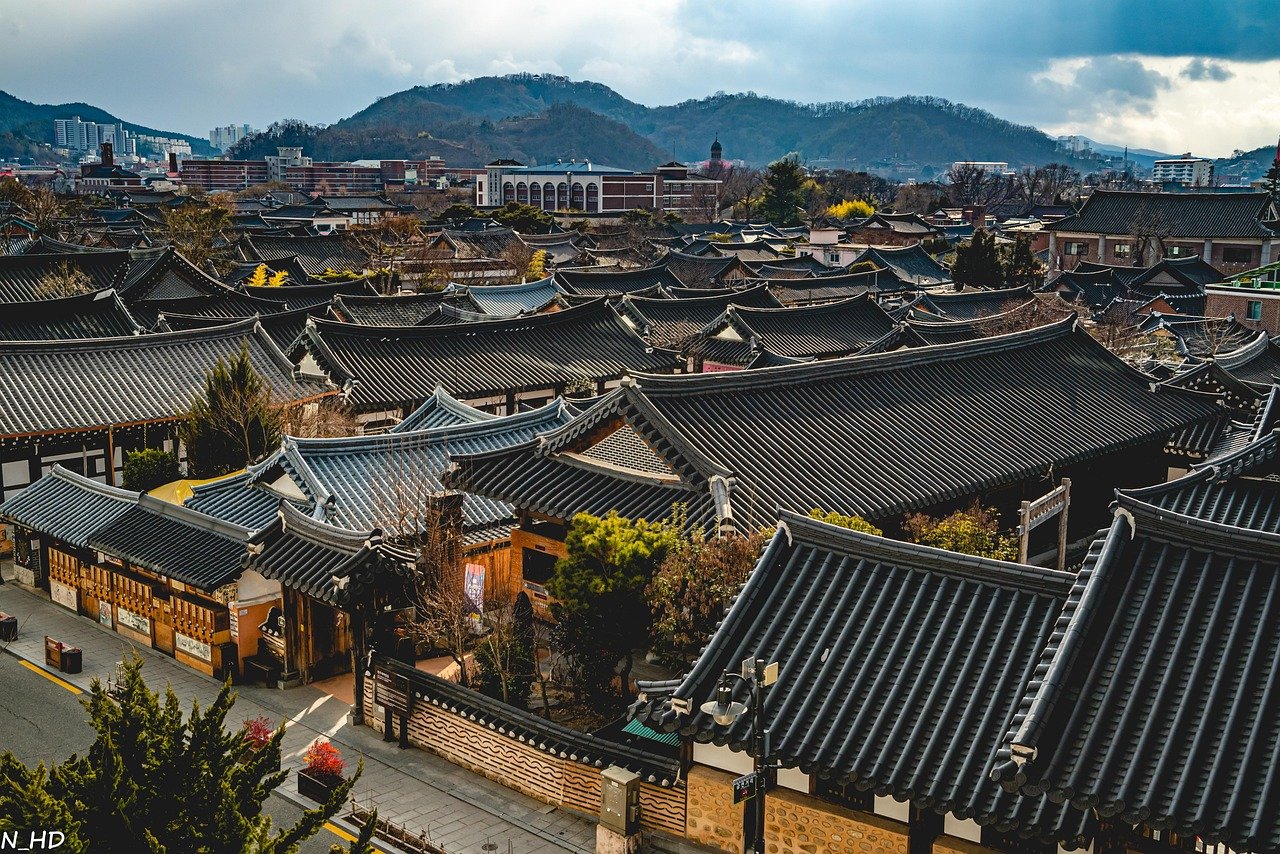
Jeonju, the capital of North Jeolla Province, is celebrated for its vast hanok village, traditional food culture and long-standing craft traditions. Its blend of historic architecture, lively markets and modern arts gives the city a distinctive, welcoming character.
Passengers
Luggage
About North Jeolla
Jeonju is the capital of North Jeolla Province in southwestern South Korea and one of the country's most important centres of tradition, food and culture. The city is best known for Jeonju Hanok Village, a dense neighbourhood of more than 700 traditional Korean houses, and for its reputation as the birthplace of bibimbap.
Historically, Jeonju was the capital of the Later Baekje kingdom and the ancestral home of the Jeonju Yi clan, which founded the Joseon Dynasty. Landmarks such as Gyeonggijeon Shrine, Pungnammun Gate, Jeondong Cathedral and Omokdae pavilion reflect this layered royal and religious heritage.
Beyond the hanok village, Jeonju offers a mix of traditional markets, craft workshops, museums and neighbourhoods. Nambu Market's night market, the Jeonju Hanji Museum, traditional wine and makgeolli experiences, and streets filled with teahouses and artisan shops give visitors a hands-on introduction to Korean culture.
Jeonju is also a regional hub for education, design and events, home to the annual Jeonju International Film Festival and Jeonbuk Hyundai Motors football club. Its dining scene, recognised by UNESCO as a Creative City of Gastronomy, attracts food-focused travellers alongside leisure visitors.
With convenient rail and road connections from Seoul, Jeonju works well as a short cultural break and as a gateway to wider North Jeolla, making it relevant for both independent leisure travellers and business visitors attending regional events.
North Jeolla Travel Guide
Best Time to Visit
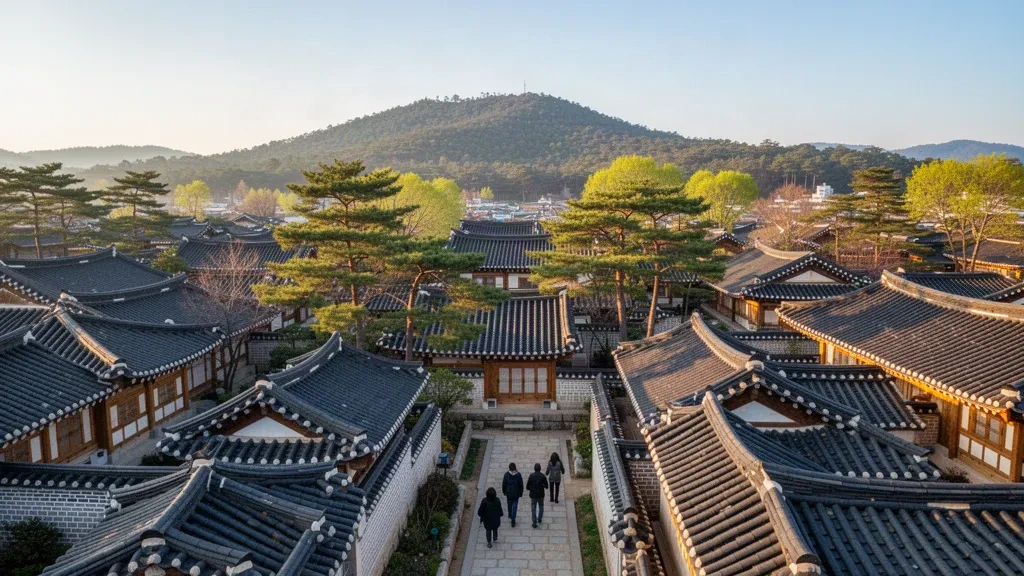
Spring and autumn are the most comfortable times to explore Jeonju's Hanok Village and outdoor sights, with cherry blossoms in April and autumn foliage in October and November. Summer is warm and humid but busy with festivals, while winter is colder and quieter.
How to Get Around
Jeonju's compact centre is easy to walk, especially around the Hanok Village and downtown. City buses and taxis cover the wider area, and KTX trains from Seoul take about two hours to Jeonju Station.
Where to Stay
Staying in or near Jeonju Hanok Village offers the most atmospheric option, with traditional hanok guesthouses and boutique stays. The downtown Gaeksa and Seosin-dong areas provide convenient hotels and access to restaurants, shopping and transport.
Food & Drink
Jeonju is known across Korea for its food, especially Jeonju bibimbap, kongnamul gukbap (bean sprout soup) and traditional hanjeongsik set meals. Nambu Market, the Hanok Village's cafés and local makgeolli bars are good places to sample regional flavours.
Ground Transportation Services in North Jeolla
Airport Transfers
Travel between Gunsan Airport and hotels, the Hanok Village, downtown Jeonju and other destinations across North Jeolla.
Hourly Chauffeur
Book a private chauffeur by the hour for sightseeing, business meetings, festival visits and flexible travel around Jeonju.
Car Rental
Rent a car in Jeonju for independent travel around the city and convenient day trips to nearby North Jeolla destinations.
Bus & Group Transfers
Arrange minibuses or charter buses for groups, corporate events, festival travel, airport transfers and tours in Jeonju and surrounding areas.

Frequently Asked Questions
Related Cities in South Korea
View all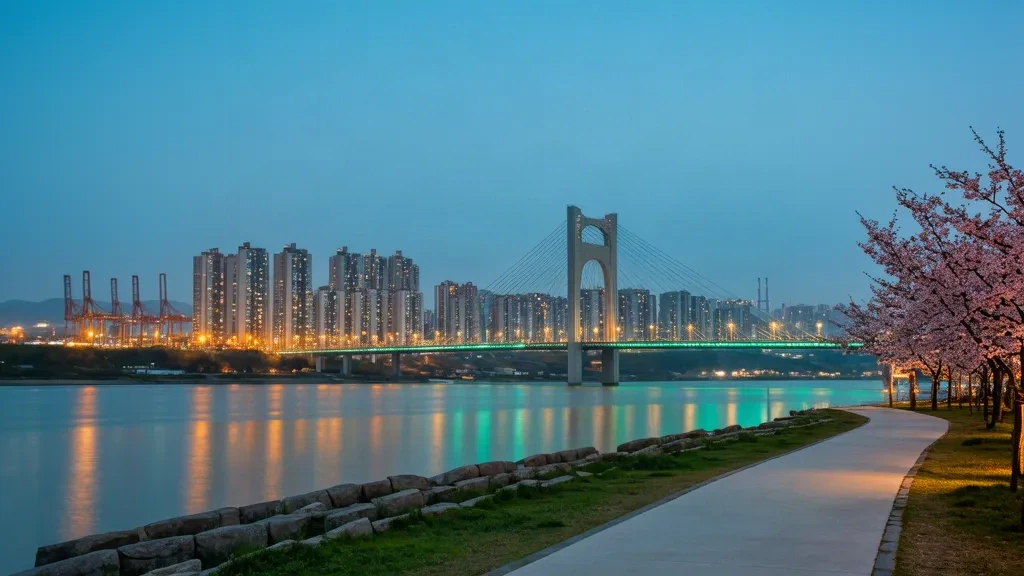
Ulsan
Ulsan, South Korea's industrial powerhouse on the southeast coast, blends a major shipbuilding and automotive base with the ancient Bangudae petroglyphs, Taehwa River trails, and Ganjeolgot's celebrated sunrise views.
Yeosu
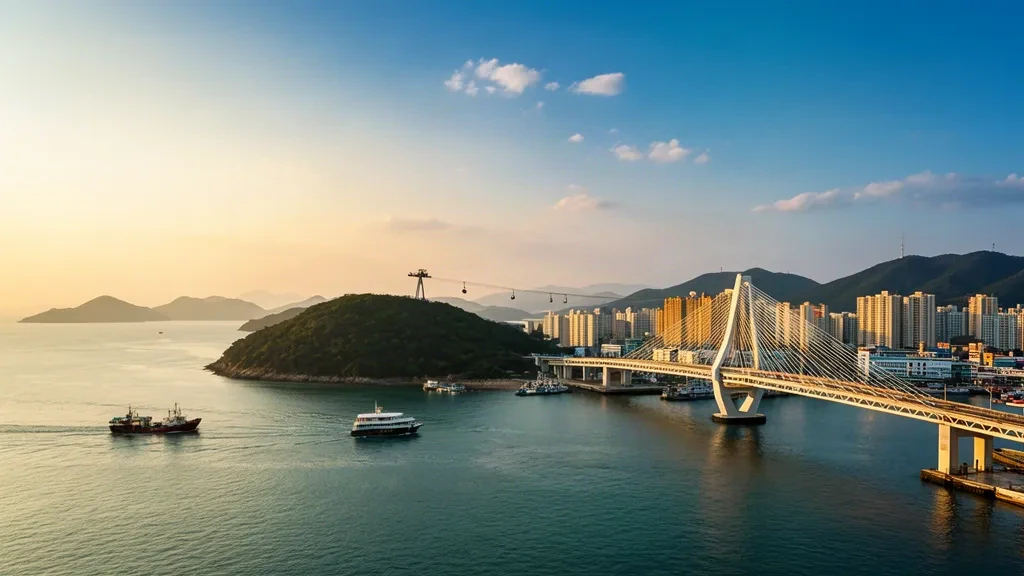
Yeosu, a coastal city in South Jeolla, pairs a historic naval heritage with a lively seafood market, scenic island views and a growing waterfront culture.
Changwon
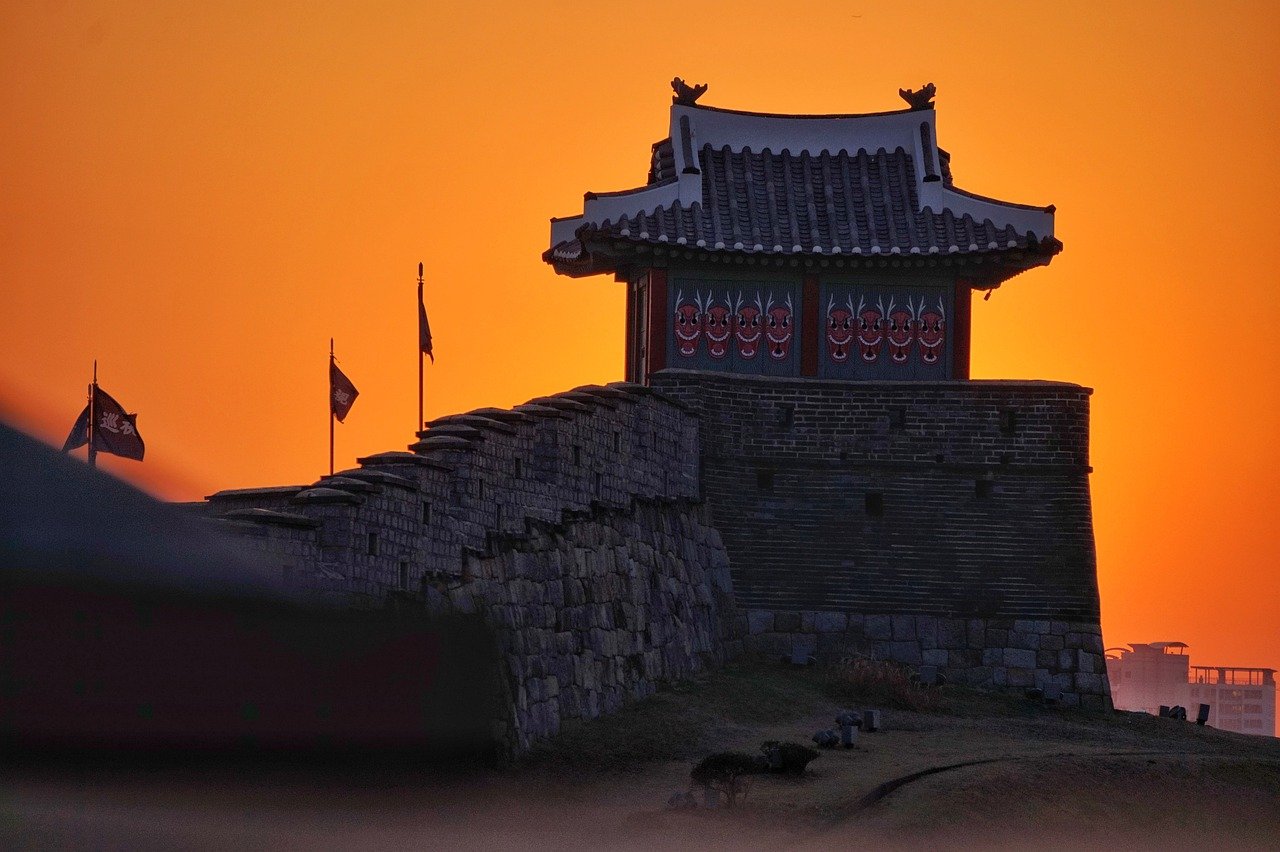
Changwon, the capital of South Gyeongsang Province, is a planned city known for its industrial heritage, green spaces and cultural venues. Its districts of Masan and Jinhae add coastal scenery and famous cherry blossom views.