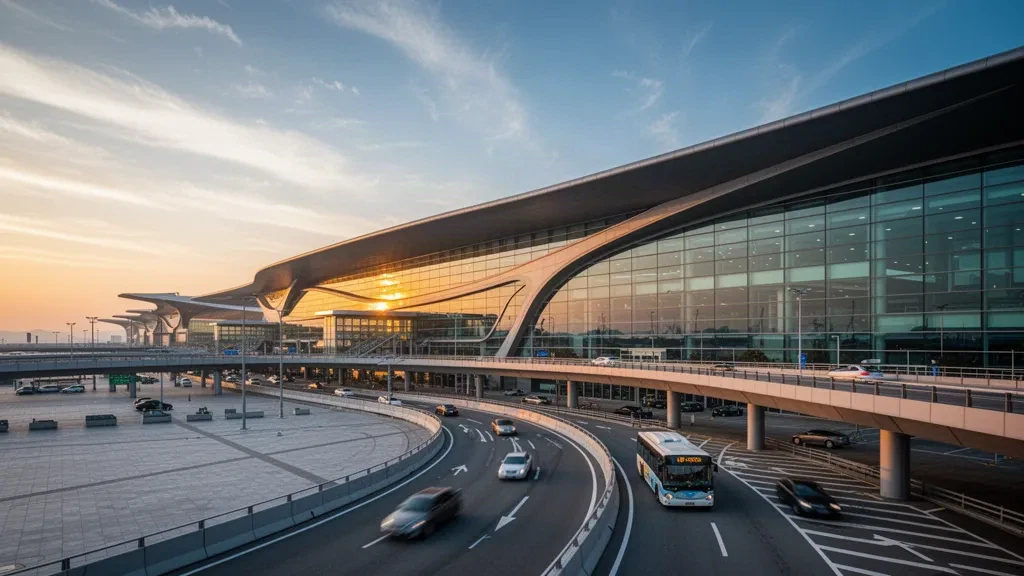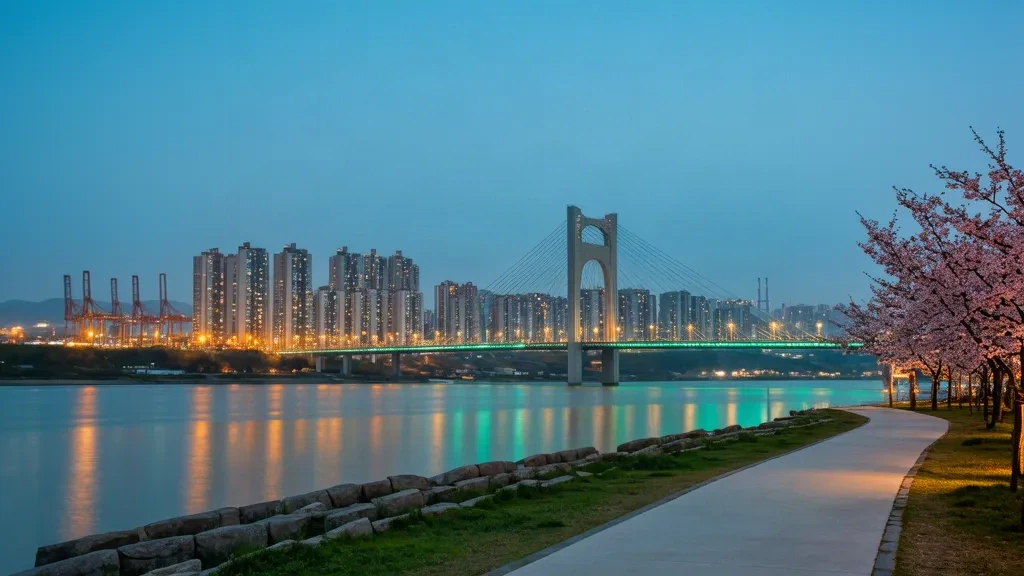
Ulsan
Ulsan, South Korea's industrial powerhouse on the southeast coast, blends a major shipbuilding and automotive base with the ancient Bangudae petroglyphs, Taehwa River trails, and Ganjeolgot's celebrated sunrise views.
Passengers
Luggage
About Ulsan
Ulsan is South Korea's industrial capital and a major port city on the country's southeastern coast, where sprawling shipyards and automobile plants meet beaches, rivers and rocky headlands. It is best known as the home of Hyundai Motor's Ulsan plant, one of the world's largest car factories, and the massive Hyundai Heavy Industries shipyard, which together define the city's identity as Korea's manufacturing heart.
The city's story stretches from prehistoric whale-hunting rock art at Bangudae and the former whaling port of Jangsaengpo to its rapid industrial growth after the 1960s. Today that heritage and industry coexist with restored riverside spaces such as Taehwagang National Garden, whose bamboo groves and flower gardens follow the Taehwa River through the centre of the city.
Coastal districts add a different rhythm. Daewangam Park combines pine woods, sea cliffs and a suspension bridge above the East Sea, while Ilsan Beach and the easternmost point at Ganjeolgot draw sunrise visitors. Jangsaengpo's Whale Culture Village and museum preserve the city's whaling past, and Ulsan Grand Park offers large lakes and walking trails.
Ulsan is a serious business destination as well as a leisure stop. Its automotive, shipbuilding, petrochemical and energy industries support trade missions, factory visits and corporate events, while the Ulsan Whale Festival and a growing cafés-and-markets food scene anchored by Eonyang bulgogi and fresh seafood give the city local flavour.
Easy KTX links to Seoul, domestic flights from Ulsan Airport and proximity to Gyeongju and Busan make Ulsan a practical base for travellers combining industry, coast and culture in southeast Korea.
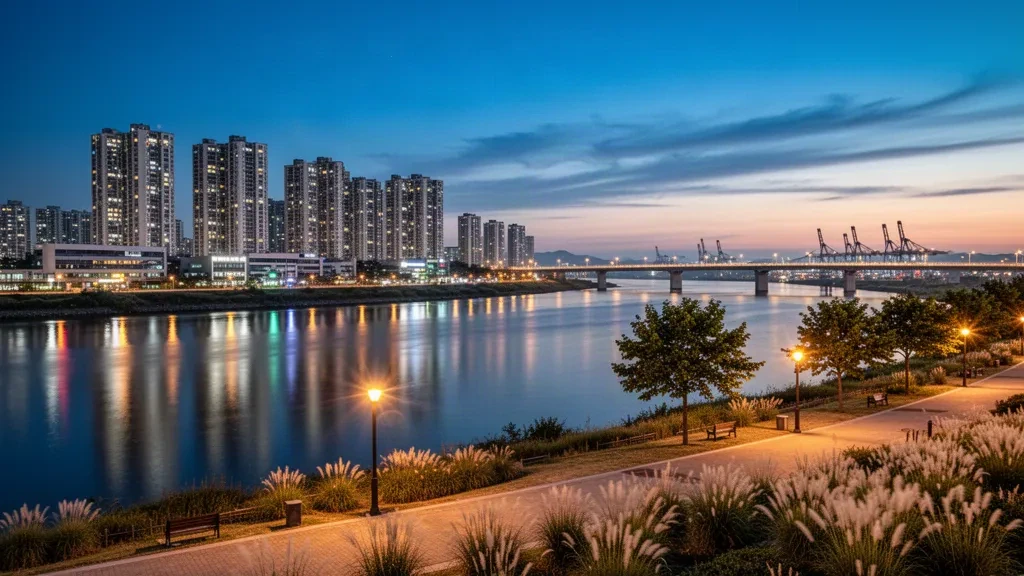
Ulsan Travel Guide
Best Time to Visit
Spring and early autumn bring the mildest weather for walking Taehwagang National Garden and the coastal trails. Summer is best for Ilsan Beach and seaside areas, while winter draws early risers to the New Year sunrise at Ganjeolgot.
How to Get Around
Ulsan's city buses and taxis cover the urban districts, and KTX Ulsan Station provides fast rail access to Seoul and other cities. Ulsan Airport offers domestic flights, while rental cars are useful for exploring Ulju-gun and the coast.
Where to Stay
Stay around Samsan-dong or central Nam-gu for shopping, dining and easy access to Taehwagang. Dong-gu suits travellers who want Ilsan Beach and Daewangam Park, and Ulju-gun offers quieter bases near KTX Ulsan Station and the Eonyang area.
Food & Drink
Try Eonyang bulgogi, a tender local grilled beef dish, along with fresh seafood and hoe from coastal restaurants. Jangsaengpo is known for whale cuisine, and cafés and markets along the Taehwa River and in Samsan-dong round out the city's food scene.
Ground Transportation Services in Ulsan
Airport Transfers
Arrange transfers between Ulsan Airport and hotels, business districts and venues across the city. International travellers can also connect through Gimhae International Airport in nearby Busan.
Hourly Chauffeur
Book a private chauffeur by the hour for factory and corporate visits, business meetings, events and sightseeing along the Ulsan coast.
Car Rental
Rent a car in Ulsan for independent travel around the city and convenient day trips to Ulju-gun, Gyeongju and the East Sea coast.
Bus & Group Transfers
Organise minibuses or charter buses for business delegations, factory tours, events, airport transfers and group sightseeing in Ulsan.
Frequently Asked Questions
Related Cities in South Korea
View all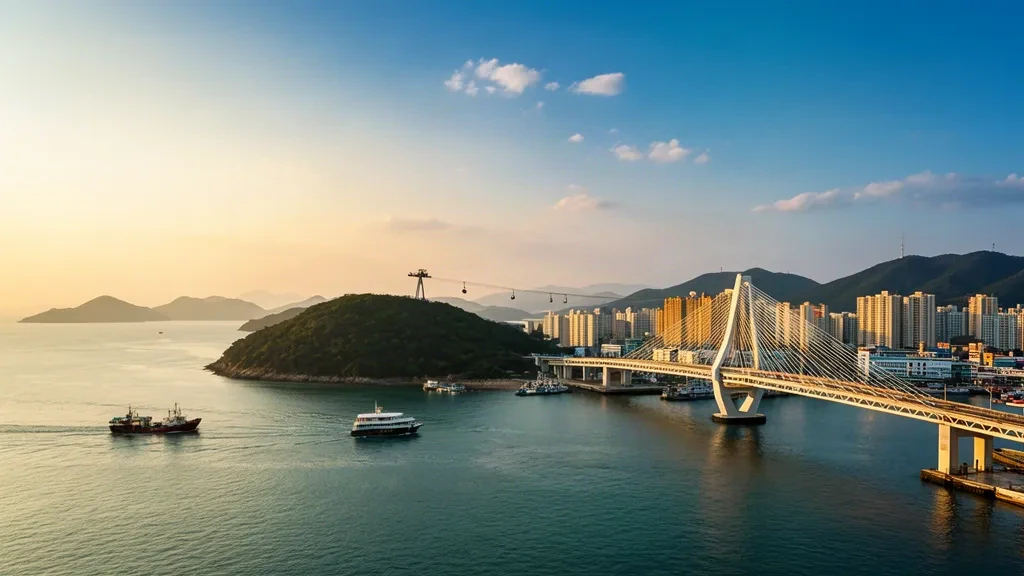
Yeosu
Yeosu, a coastal city in South Jeolla, pairs a historic naval heritage with a lively seafood market, scenic island views and a growing waterfront culture.
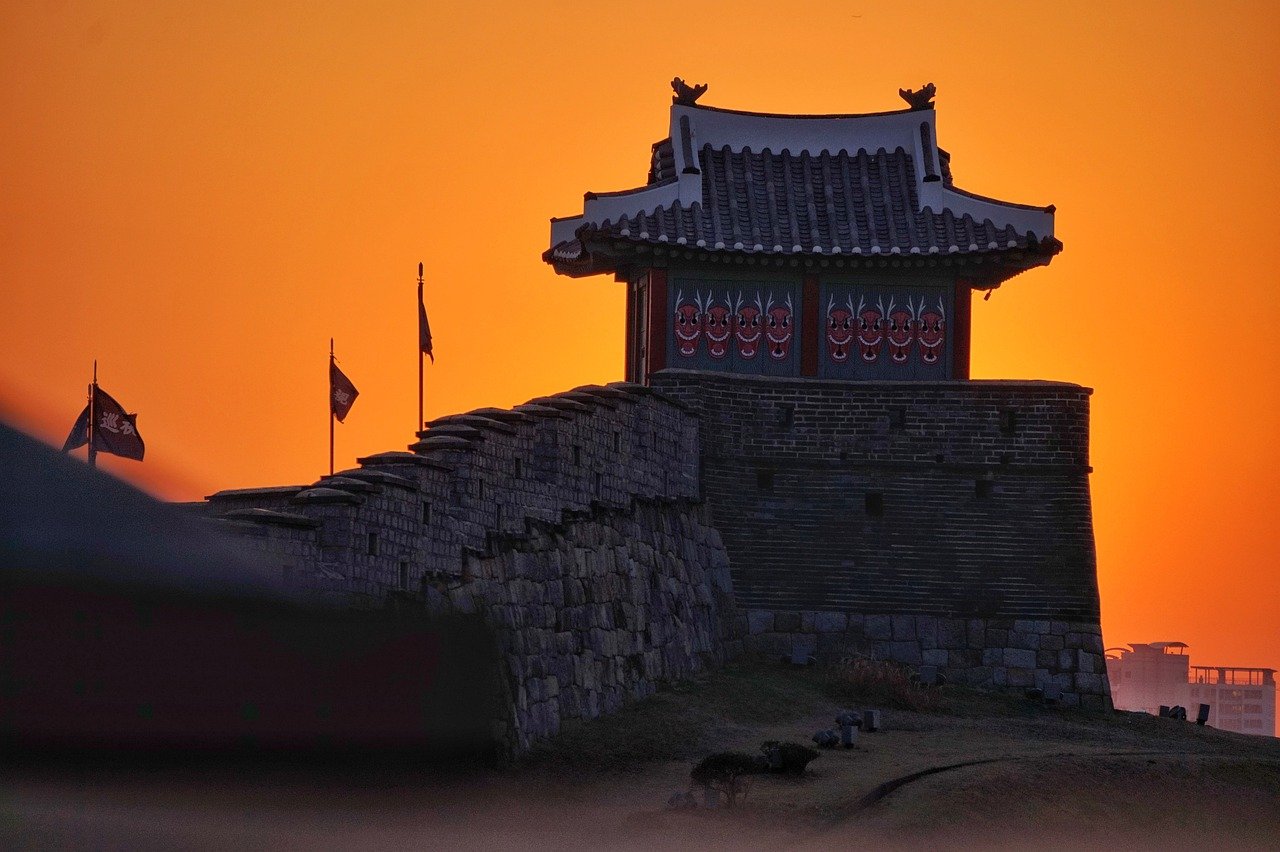
Changwon
Changwon, the capital of South Gyeongsang Province, is a planned city known for its industrial heritage, green spaces and cultural venues. Its districts of Masan and Jinhae add coastal scenery and famous cherry blossom views.
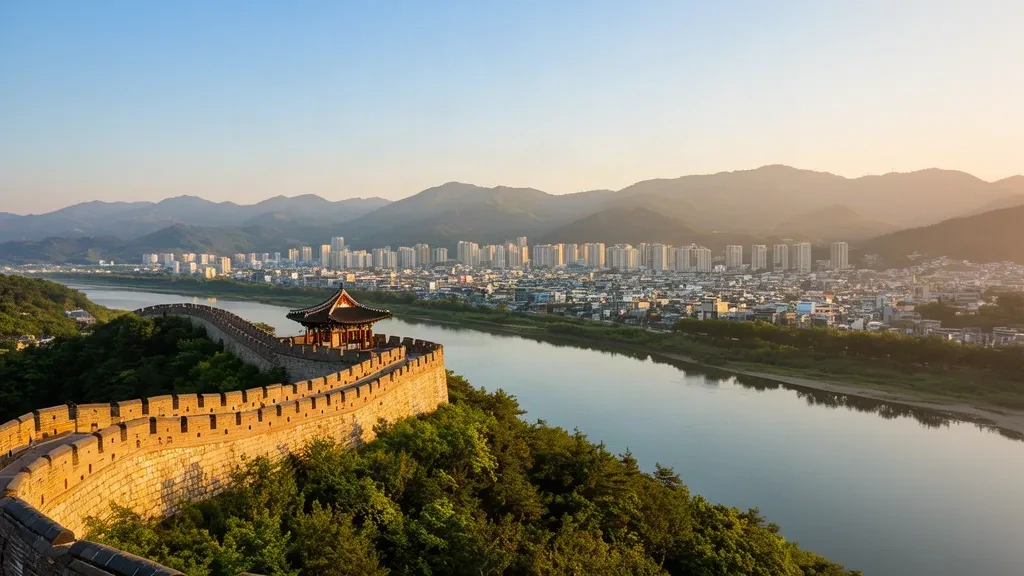
Cheonan
Cheonan is a lively city in South Chungcheong, South Korea, where historic temples and traditional markets sit alongside modern shopping streets and a growing business district.