Jeju
Jeju, South Korea's volcanic island, captivates visitors with its dramatic coastlines, lush landscapes and unique culture, offering a refreshing blend of natural beauty and modern comforts.
Passengers
Luggage
About Jeju
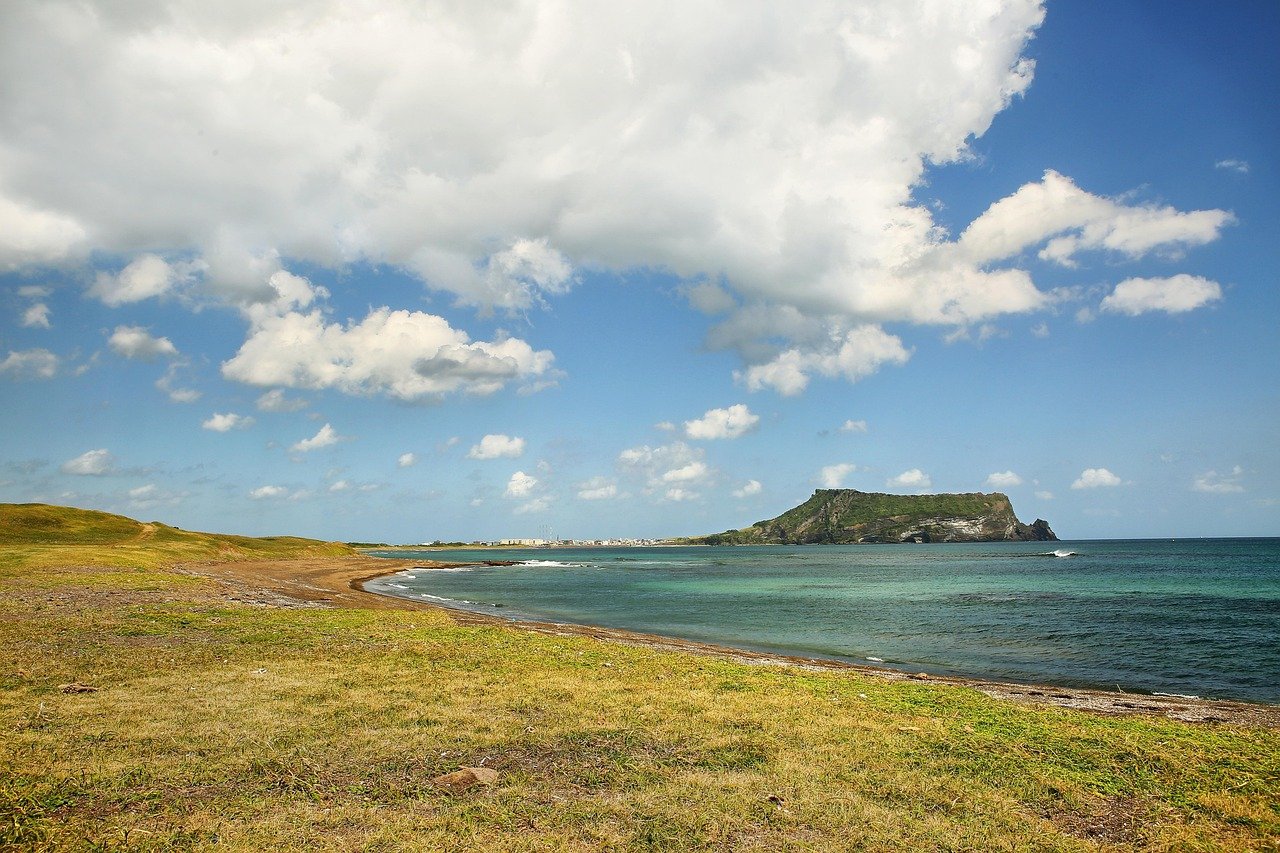
Jeju is South Korea's largest island and one of its most popular travel destinations, known for volcanic scenery, dramatic coastlines and a slower pace of life. Jeju City, on the island's northern coast, is the provincial capital and main gateway, with Hallasan, the shield volcano at the island's centre, rising above the landscape.
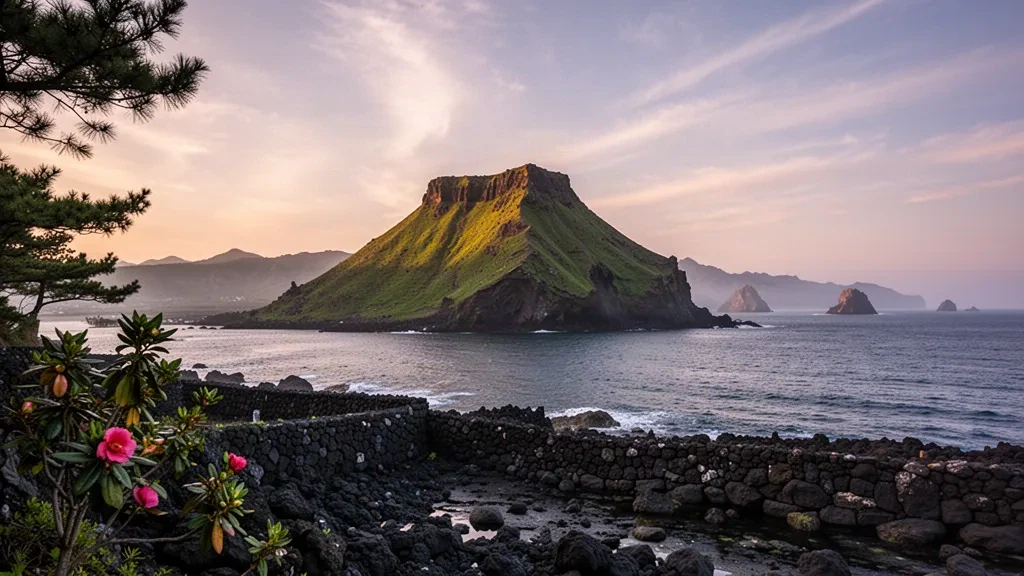
The island has a distinctive culture that sets it apart from mainland Korea, from the haenyeo female divers who harvest seafood without breathing equipment to the carved stone grandfather statues known as dol hareubang. UNESCO recognises Jeju Volcanic Island and Lava Tubes as a World Heritage site, including Hallasan, the Manjanggul Lava Tube and Seongsan Ilchulbong, a dramatic tuff cone overlooking the sea.
Different parts of the island offer different experiences. Jeju City concentrates shopping, markets and the airport, while Seogwipo and the Jungmun resort area in the south are home to waterfalls, museums and larger hotels. Aewol is known for its coastal cafés and sunset views, and the Olle trails link fishing villages, farmland, beaches and volcanic shorelines around the island.
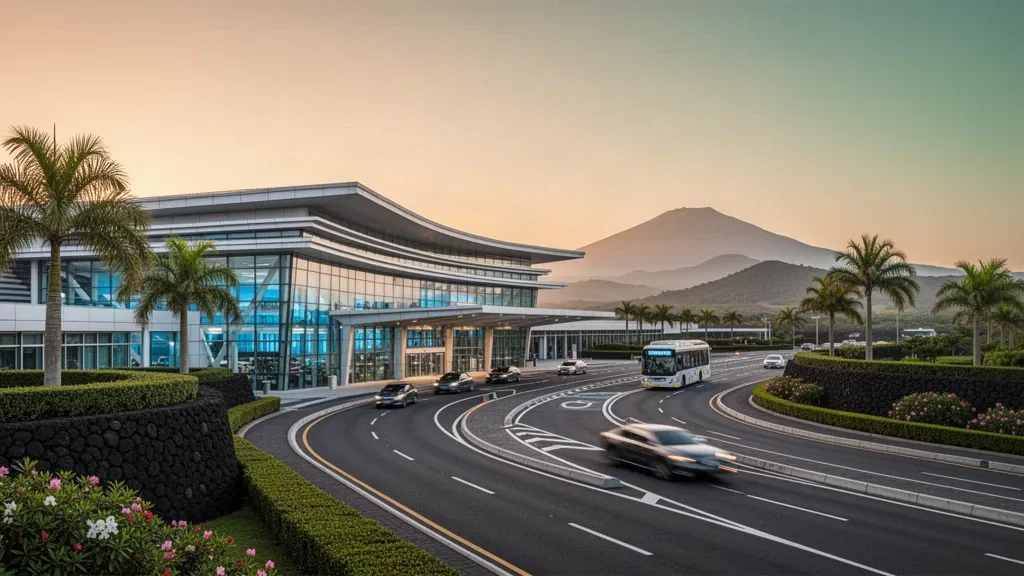
Jeju is also an important centre for domestic and international tourism, conferences and events, helped by frequent flights through Jeju International Airport. The local food culture, including black pork, abalone and hallabong citrus, adds to its appeal for both leisure and business travellers.
From hiking Hallasan and watching the sunrise at Seongsan Ilchulbong to relaxing by the coast, Jeju combines nature, heritage and modern resort facilities in a single island destination.
Jeju Travel Guide
Best Time to Visit
Spring (April to June) brings mild weather, cherry blossoms and bright canola fields, while autumn (September to November) is clear and comfortable. Summer is best for beaches but hot and humid, and winter is mild yet windy with occasional snow on Hallasan.
How to Get Around
Jeju has no subway, so visitors usually rely on intercity and local buses, taxis or rental cars. A rental car offers the most flexibility for coastal roads, Hallasan trails and sights spread around the island.
Where to Stay
Jeju City is convenient for the airport, shopping and restaurants, while Seogwipo and the Jungmun Tourist Complex have resorts close to southern coast attractions. Aewol is popular for coastal cafés and boutique stays.
Food & Drink
Try Jeju black pork, abalone, grilled hairtail fish and fresh seafood, along with hallabong citrus and green tea. Dongmun Market and neighbourhood restaurants are good places to sample local flavours.
Ground Transportation Services in Jeju
Airport Transfers
Travel between Jeju International Airport and hotels, resorts and addresses in Jeju City, Seogwipo, Jungmun and coastal areas across the island.
Hourly Chauffeur
Book a private chauffeur by the hour for coastal drives, Hallasan trips, Seongsan Ilchulbong and flexible sightseeing around Jeju.
Car Rental
Rent a car at Jeju International Airport or in Jeju City for independent travel along the island's coastal roads and to major sights.
Bus & Group Transfers
Arrange minibuses or charter buses for group tours, corporate events, airport transfers and sightseeing across Jeju Island.
Frequently Asked Questions
Related Cities in South Korea
View all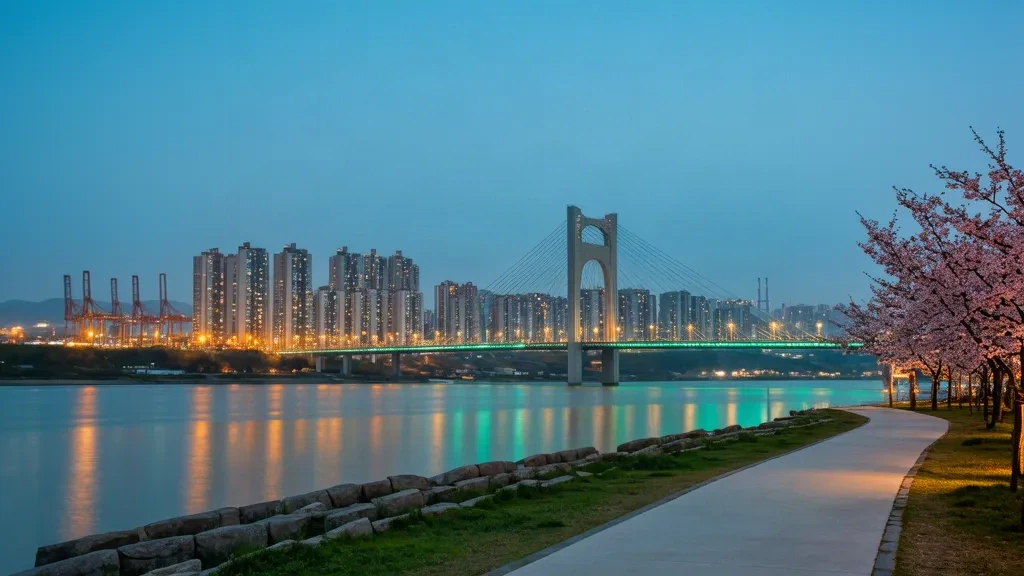
Ulsan
Ulsan, South Korea's industrial powerhouse on the southeast coast, blends a major shipbuilding and automotive base with the ancient Bangudae petroglyphs, Taehwa River trails, and Ganjeolgot's celebrated sunrise views.
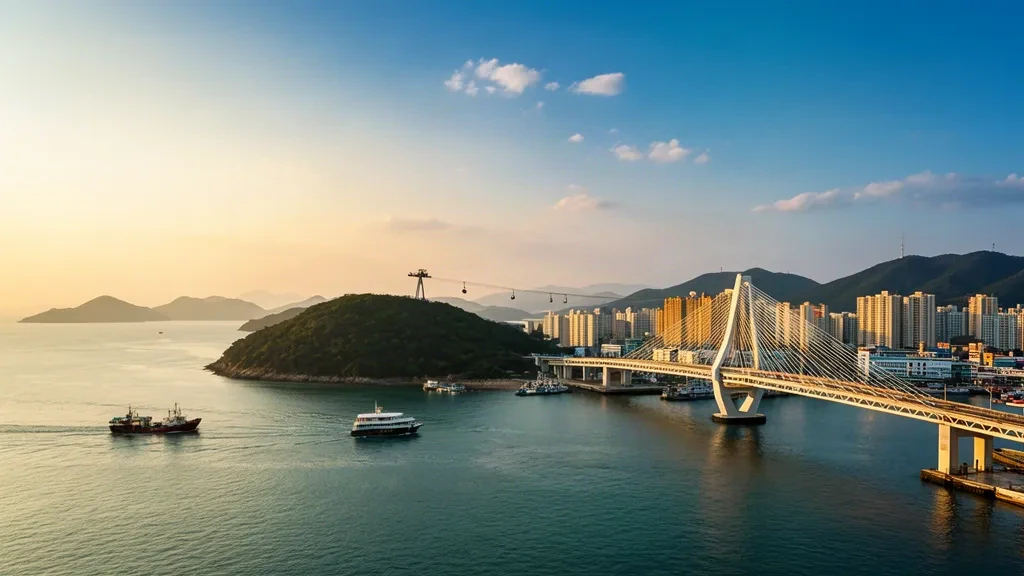
Yeosu
Yeosu, a coastal city in South Jeolla, pairs a historic naval heritage with a lively seafood market, scenic island views and a growing waterfront culture.
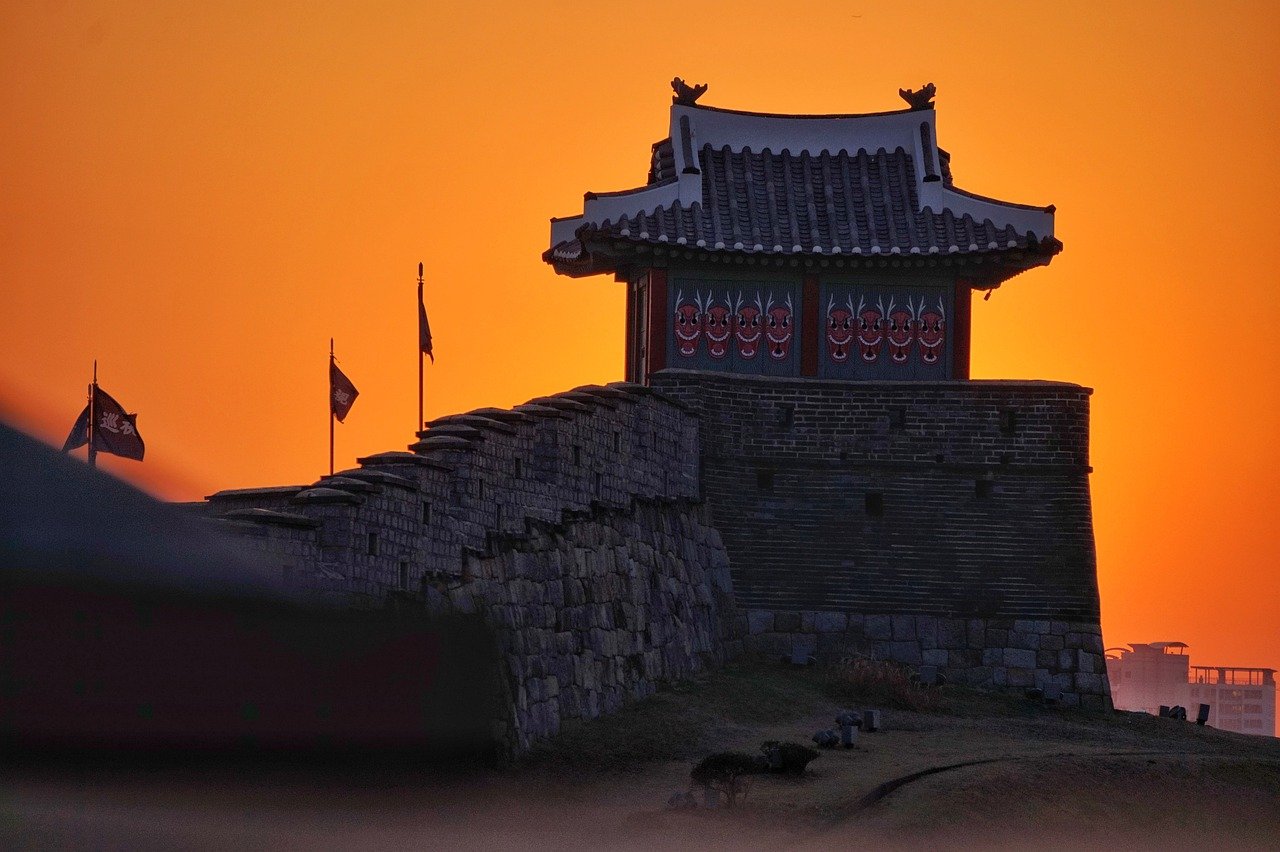
Changwon
Changwon, the capital of South Gyeongsang Province, is a planned city known for its industrial heritage, green spaces and cultural venues. Its districts of Masan and Jinhae add coastal scenery and famous cherry blossom views.