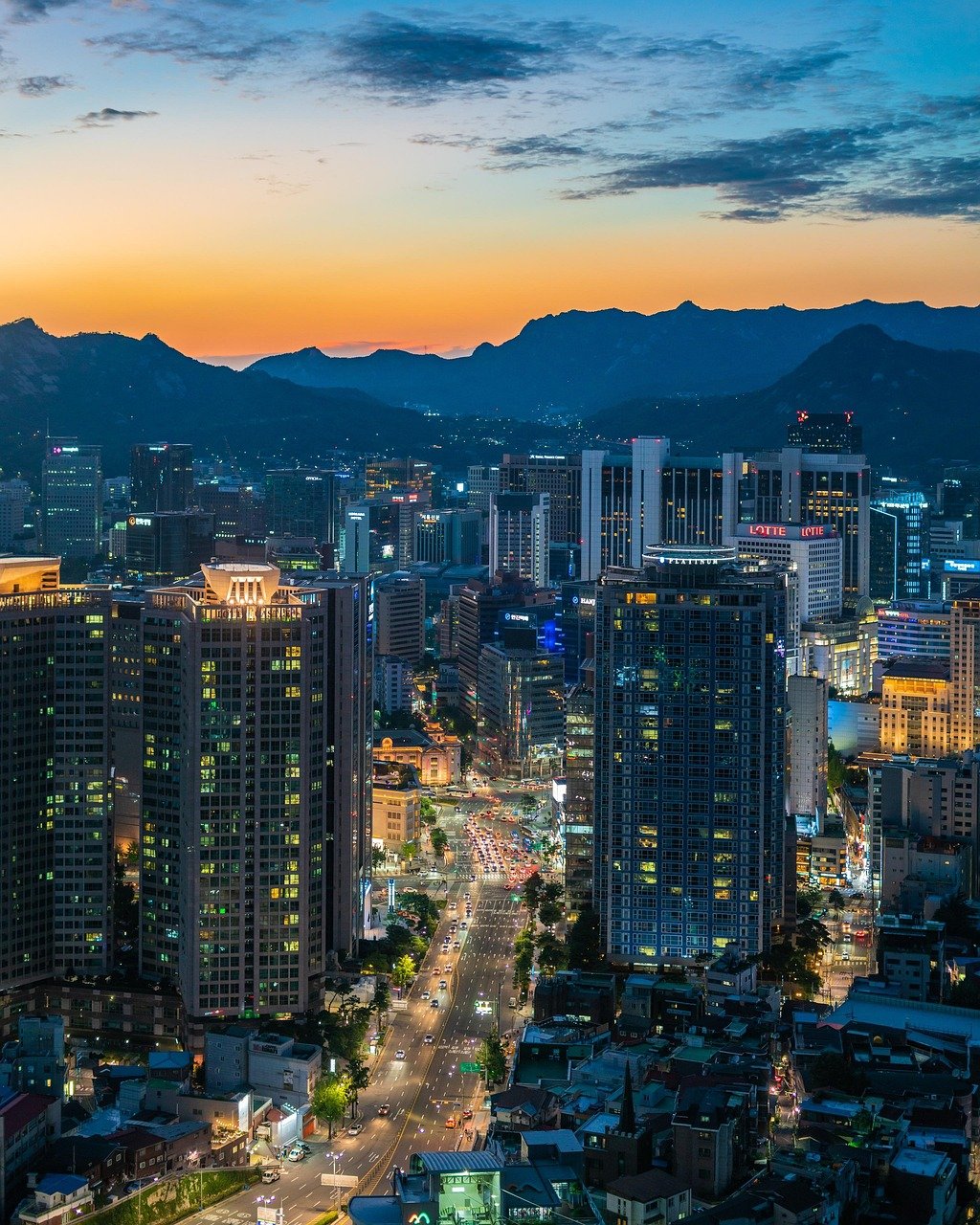
Daegu
Daegu, a major commercial and cultural hub in southeastern South Korea, mixes textile and fashion heritage with traditional markets, mountain trails and a lively downtown.
Passengers
Luggage
About Daegu
Daegu is South Korea's fourth-largest city and the main inland hub of the southeastern Yeongnam region, set in a basin ringed by mountains such as Palgongsan and Apsan. Known for its textile heritage, warm summers and strong local food culture, the city combines a compact modern core with easy access to temples, peaks and hot springs.
Daegu's history reaches back to the ancient Dalgubeol settlement and its long role as a regional administrative and market centre. Landmarks such as Donghwasa Temple, the granite Gatbawi Buddha, the 350-year-old Yangnyeongsi Oriental Medicine Market and the vast Seomun Market reflect this layered past alongside early modern buildings and murals.
The downtown Jung-gu area centres on Dongseong-ro, a busy shopping and entertainment street, while Suseong-gu around Suseong Lake offers leafy parks and cafés. Other draws include Daegu 83 Tower and E-World, Kim Kwang-seok Street, Daegu Art Museum, Apsan Observatory and the alleyways of the city's modern culture tour.
Daegu remains an important centre for textiles, fashion and medicine, with EXCO hosting exhibitions and the city staging major events such as the 2011 World Athletics Championships and the 2026 World Masters Athletics Championships. Its food scene is famously hearty and spicy, from jjimgalbi and makchang to ttarogukbap and flat dumplings, with lively markets and late-night dining alleys.
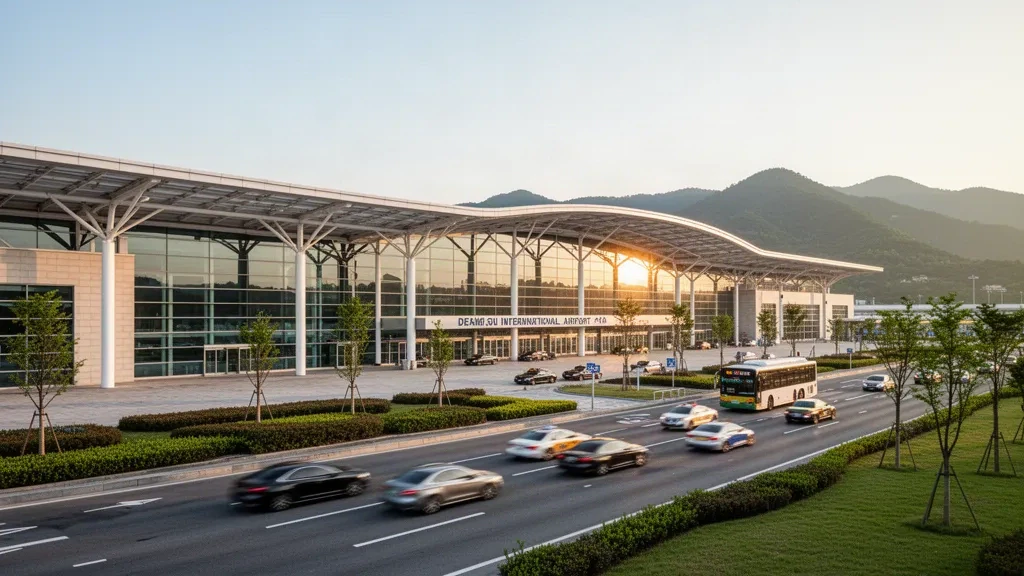
For travellers, Daegu is well connected by KTX from Dongdaegu Station, roughly 100 minutes from Seoul and under an hour from Busan, while Daegu International Airport lies close to the centre. This makes the city a practical stop for leisure visitors exploring the southeast and for business travellers attending fairs and conferences.
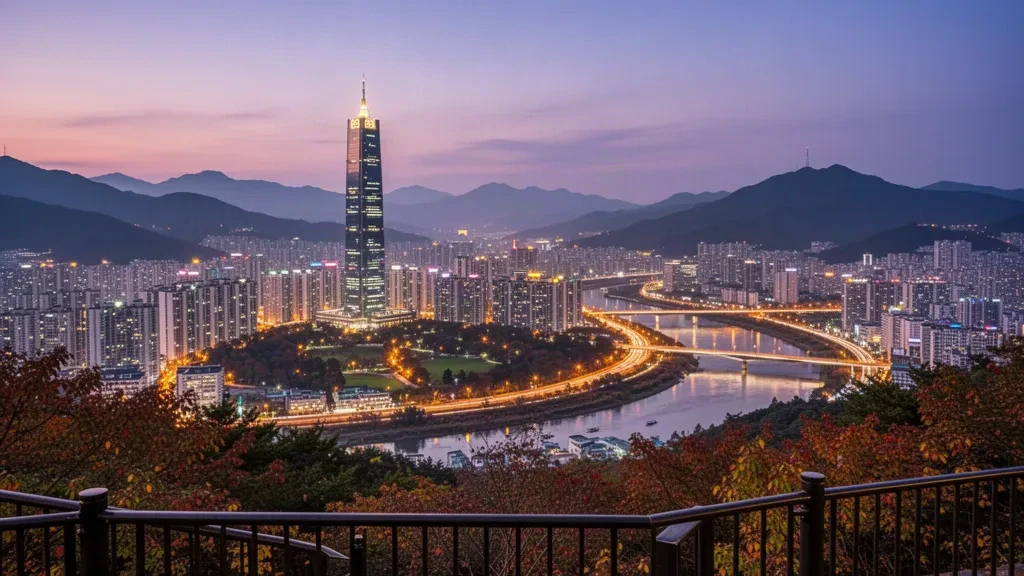
Daegu Travel Guide
Best Time to Visit
Spring (April to May) and autumn (September to November) bring mild temperatures and are ideal for exploring temples, parks and mountain viewpoints. Summers are notably hot and humid in Daegu, while winters are cold but drier and quieter.
How to Get Around
Daegu's metro network has Lines 1 and 2 plus the elevated Line 3 monorail, supported by a wide bus system and taxis. Dongdaegu Station connects the city to Seoul and Busan by KTX, and many central areas are walkable.
Where to Stay
Jung-gu around Dongseong-ro puts you near shopping, restaurants and major attractions. Suseong-gu offers a quieter, more polished base by Suseong Lake, while Dong-gu near Dongdaegu Station suits travellers arriving by train.
Food & Drink
Daegu is known for bold, spicy flavours: try jjimgalbi (braised short ribs), makchang (grilled beef intestines), ttarogukbap and flat napjak mandu. Seomun Market and Anjirang Gopchang Alley are good starting points, alongside cafés and modern restaurants across the city.
Ground Transportation Services in Daegu
Airport Transfers
Travel between Daegu International Airport and hotels, downtown Dongseong-ro, Dongdaegu Station and other destinations across Daegu.
Hourly Chauffeur
Book a private chauffeur by the hour for business meetings, shopping, events and flexible sightseeing around Daegu.
Car Rental
Rent a car in Daegu for independent travel around the city and convenient trips to Palgongsan, Gyeongju, Haeinsa Temple and the wider Gyeongbuk region.
Bus & Group Transfers
Arrange minibuses or charter buses for groups, corporate travel, events, airport transfers and tours in Daegu and nearby destinations.
Frequently Asked Questions
Related Cities in South Korea
View all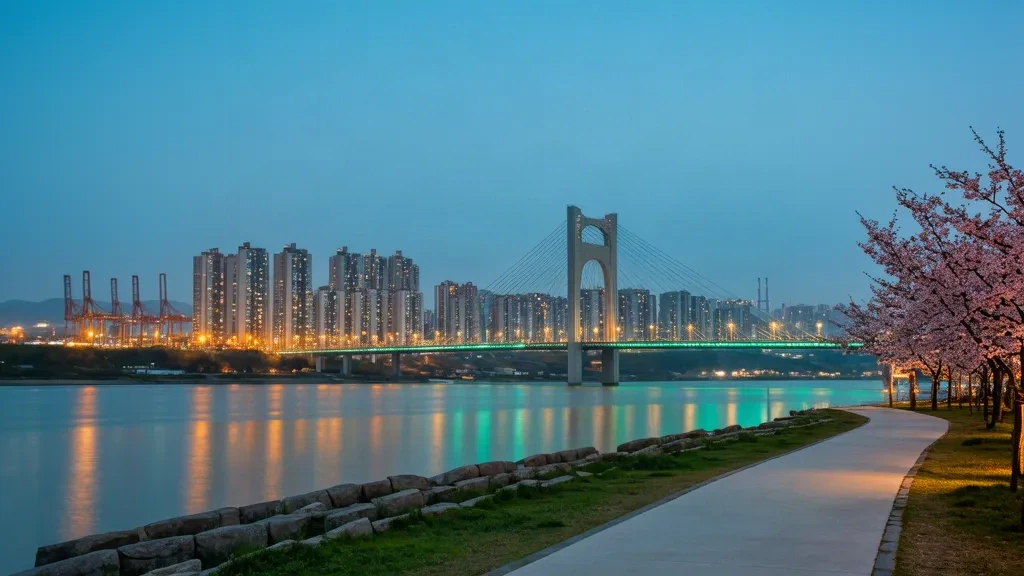
Ulsan
Ulsan, South Korea's industrial powerhouse on the southeast coast, blends a major shipbuilding and automotive base with the ancient Bangudae petroglyphs, Taehwa River trails, and Ganjeolgot's celebrated sunrise views.
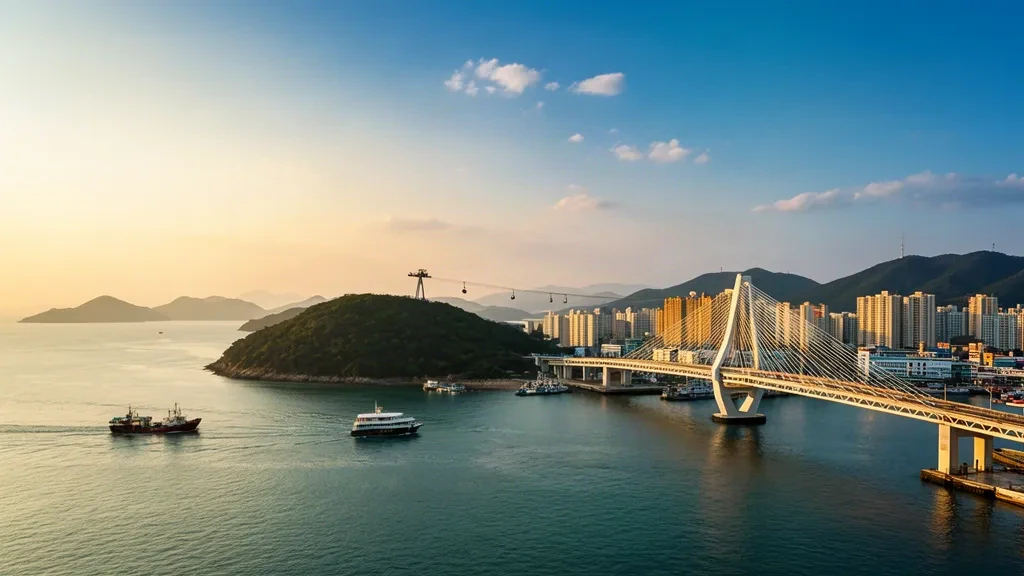
Yeosu
Yeosu, a coastal city in South Jeolla, pairs a historic naval heritage with a lively seafood market, scenic island views and a growing waterfront culture.
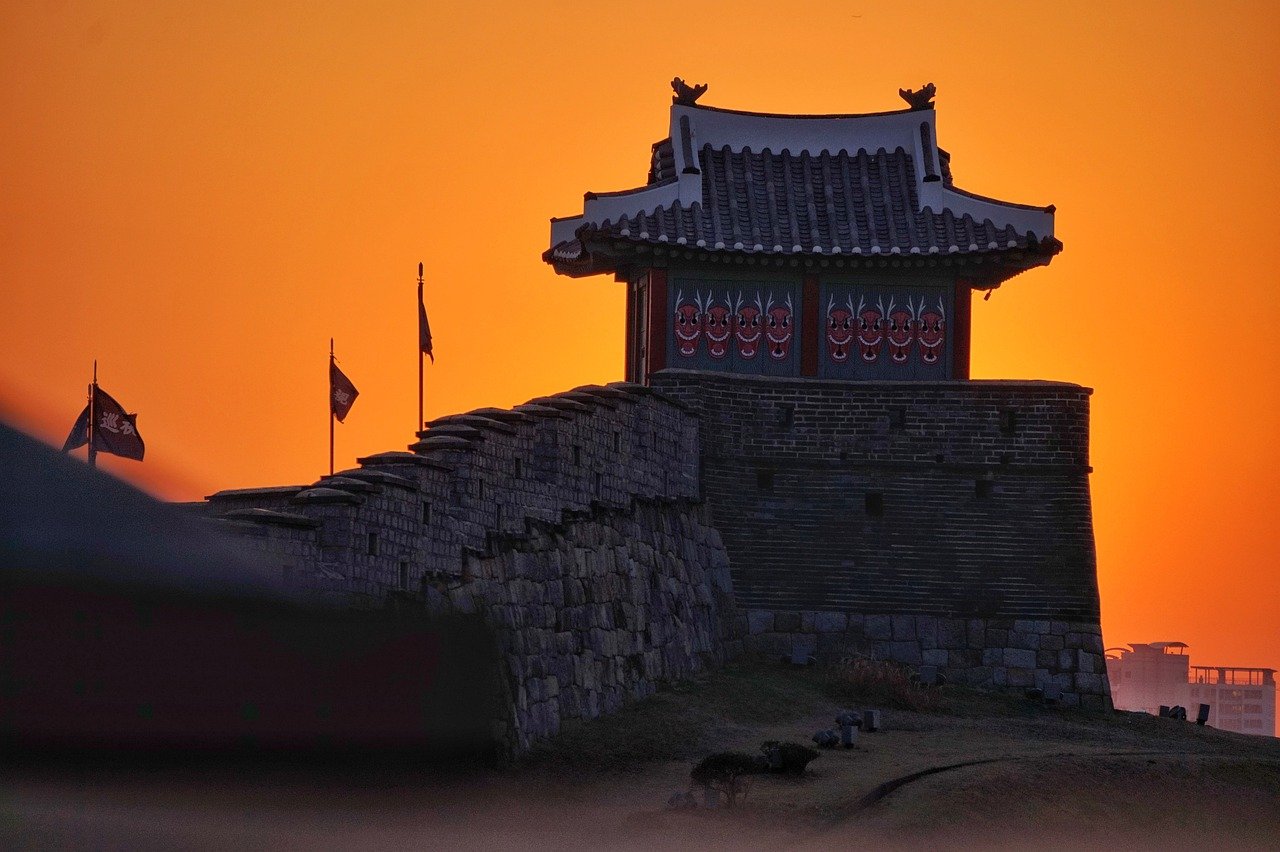
Changwon
Changwon, the capital of South Gyeongsang Province, is a planned city known for its industrial heritage, green spaces and cultural venues. Its districts of Masan and Jinhae add coastal scenery and famous cherry blossom views.