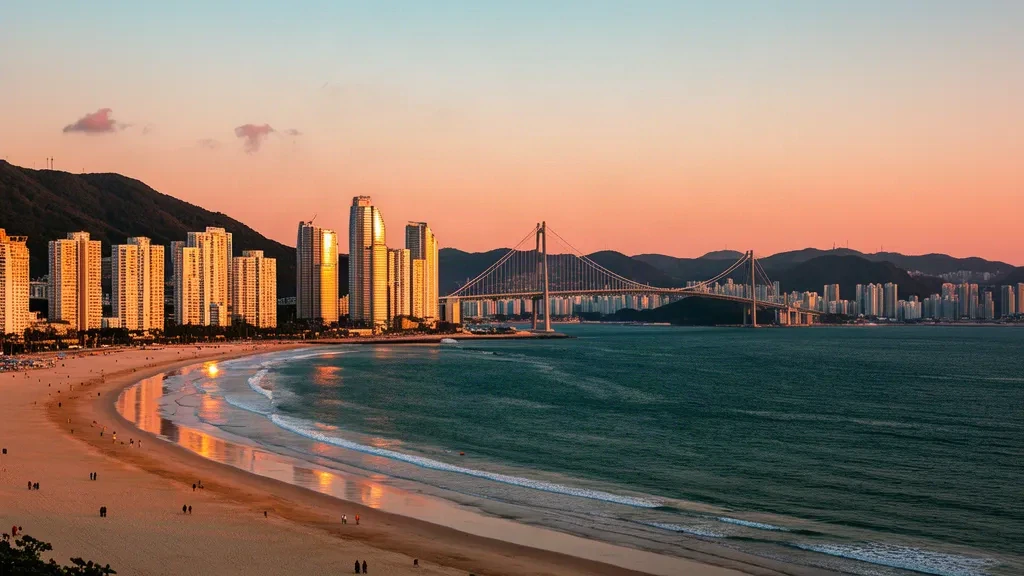
Busan
Busan, South Korea's second-largest city, blends a busy port and business energy with beaches, mountain trails, Buddhist temples, lively markets and a vibrant festival culture.
Passengers
Luggage
About Busan
Busan is South Korea's second-largest city and its principal port, set along the southeastern coast between mountains and the sea. As a major gateway for trade, ferries and international connections, the city combines a busy commercial harbour with long beaches, hillside neighbourhoods and a distinct regional character that differs noticeably from Seoul.
The city's modern role grew from its history as Korea's first international port, opened to foreign trade in 1876. During the Korean War, Busan served as a refuge and temporary capital as UN forces held the Pusan Perimeter, a legacy still visible in its older districts, wartime memorial sites and restored architecture.
Landmarks range from Haeundae Beach and the illuminated Gwangan Bridge to Gamcheon Culture Village, a hillside of colourful houses and art installations. Visitors also explore Jagalchi Fish Market, Busan Tower in Yongdusan Park, Haedong Yonggungsa temple on the coast and the lively BIFF Square and Gukje Market around Nampo-dong.
Busan's neighbourhoods each have their own appeal: Haeundae and Gwangalli draw beachgoers and nightlife, Seomyeon is the central shopping and transport hub, and Nampo-dong offers markets, street food and heritage. The city is also known for the Busan International Film Festival and hosts conventions and trade events, supported by industries in shipping, logistics and manufacturing.
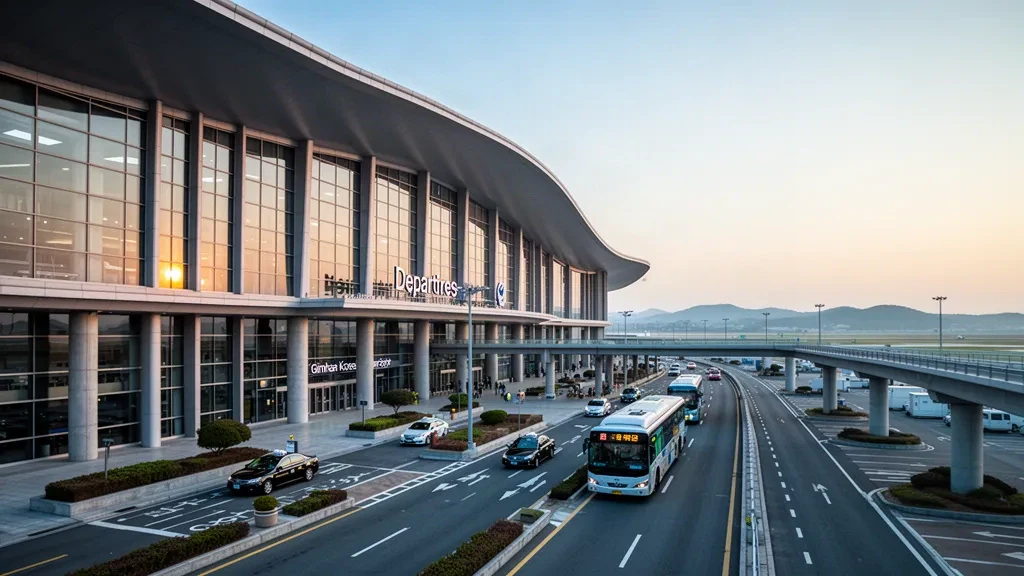
For both leisure and business travellers, Busan pairs coastal scenery and seafood culture with practical infrastructure such as Gimhae International Airport, high-speed rail links and a growing meeting and exhibition scene.
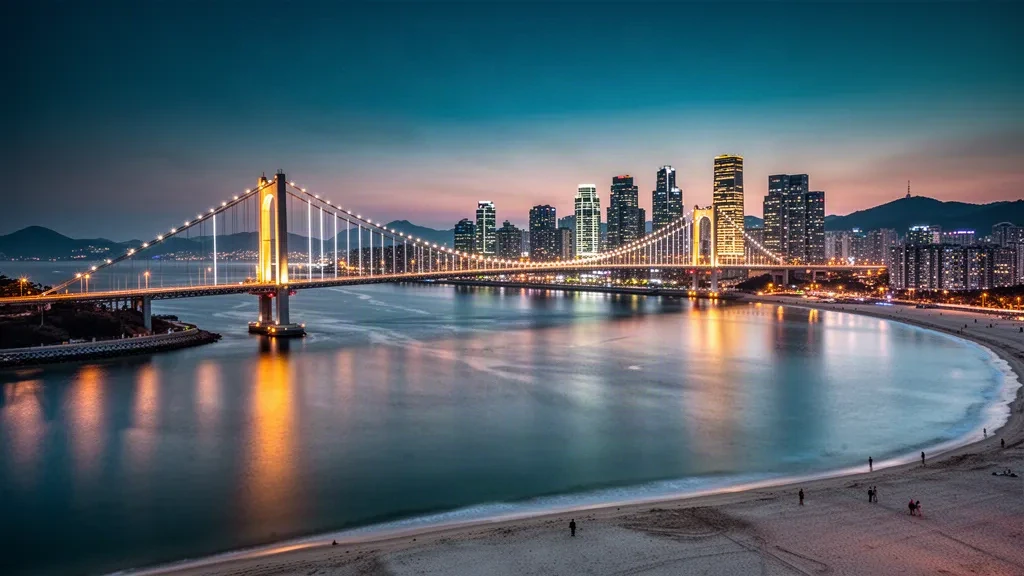
Busan Travel Guide
Best Time to Visit
Spring from April to May and autumn from September to October bring mild weather for coastal walks, temples and festivals such as cherry blossom season and the Busan International Film Festival. Summer is beach season around Haeundae and Gwangalli, while winter is quieter with clear skies and seasonal lights.
How to Get Around
Busan's Metro lines, city buses and the Busan–Gimhae Light Rail connect the airport, stations and major districts such as Haeundae, Seomyeon and Nampo-dong. Taxis and rental cars are widely available, and several central and beach areas are easy to explore on foot.
Where to Stay
Haeundae suits beach access and resort-style hotels, while Gwangalli offers waterfront views and a relaxed evening scene. Seomyeon is the convenient central base for shopping and transport links, and Nampo-dong puts markets, Gamcheon Culture Village and the port nearby.
Food & Drink
Busan is known for fresh seafood at Jagalchi Market, pork and rice soup (dwaeji gukbap), cold wheat noodles (milmyeon) and seed-filled hotteok around BIFF Square. Neighbourhood markets, seaside cafés and barbecue restaurants offer a wide range from street snacks to sit-down dining.
Ground Transportation Services in Busan
Airport Transfers
Travel between Gimhae International Airport and hotels, business districts, event venues and destinations across Busan with a pre-booked private transfer.
Hourly Chauffeur
Book a private chauffeur by the hour for business meetings, conferences, coastal sightseeing and flexible travel around Busan.
Car Rental
Rent a car in Busan for independent travel around the city and convenient trips to nearby destinations such as Gyeongju or Tongyeong.
Bus & Group Transfers
Arrange minibuses or charter buses for groups, corporate events, conferences, airport pickups and tours around Busan.
Frequently Asked Questions
Related Cities in South Korea
View all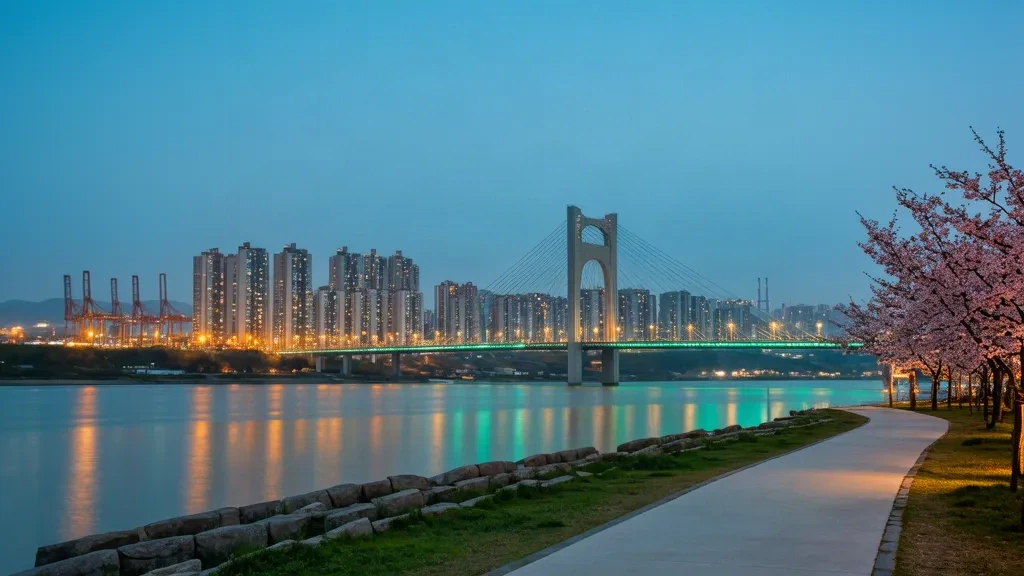
Ulsan
Ulsan, South Korea's industrial powerhouse on the southeast coast, blends a major shipbuilding and automotive base with the ancient Bangudae petroglyphs, Taehwa River trails, and Ganjeolgot's celebrated sunrise views.
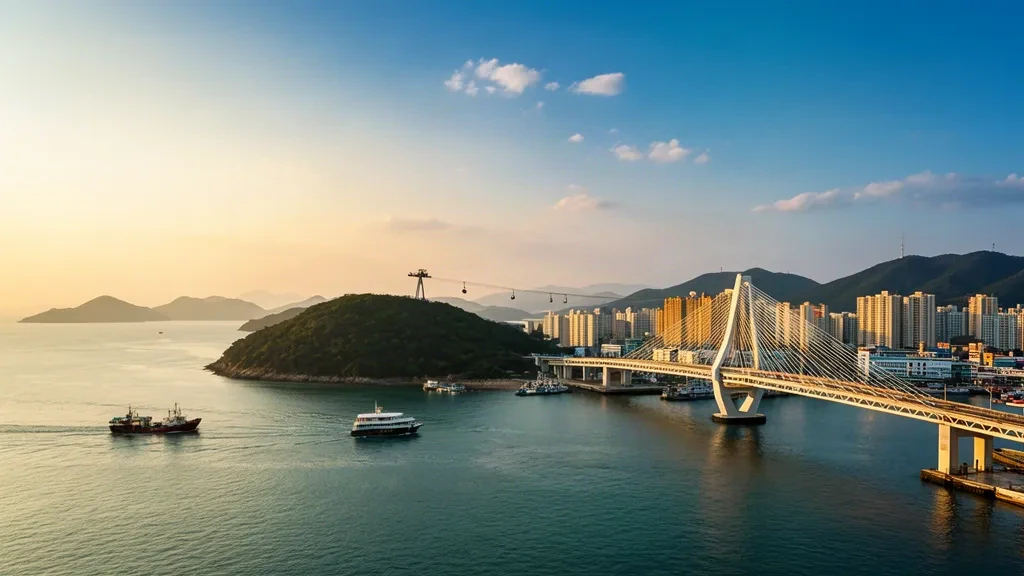
Yeosu
Yeosu, a coastal city in South Jeolla, pairs a historic naval heritage with a lively seafood market, scenic island views and a growing waterfront culture.
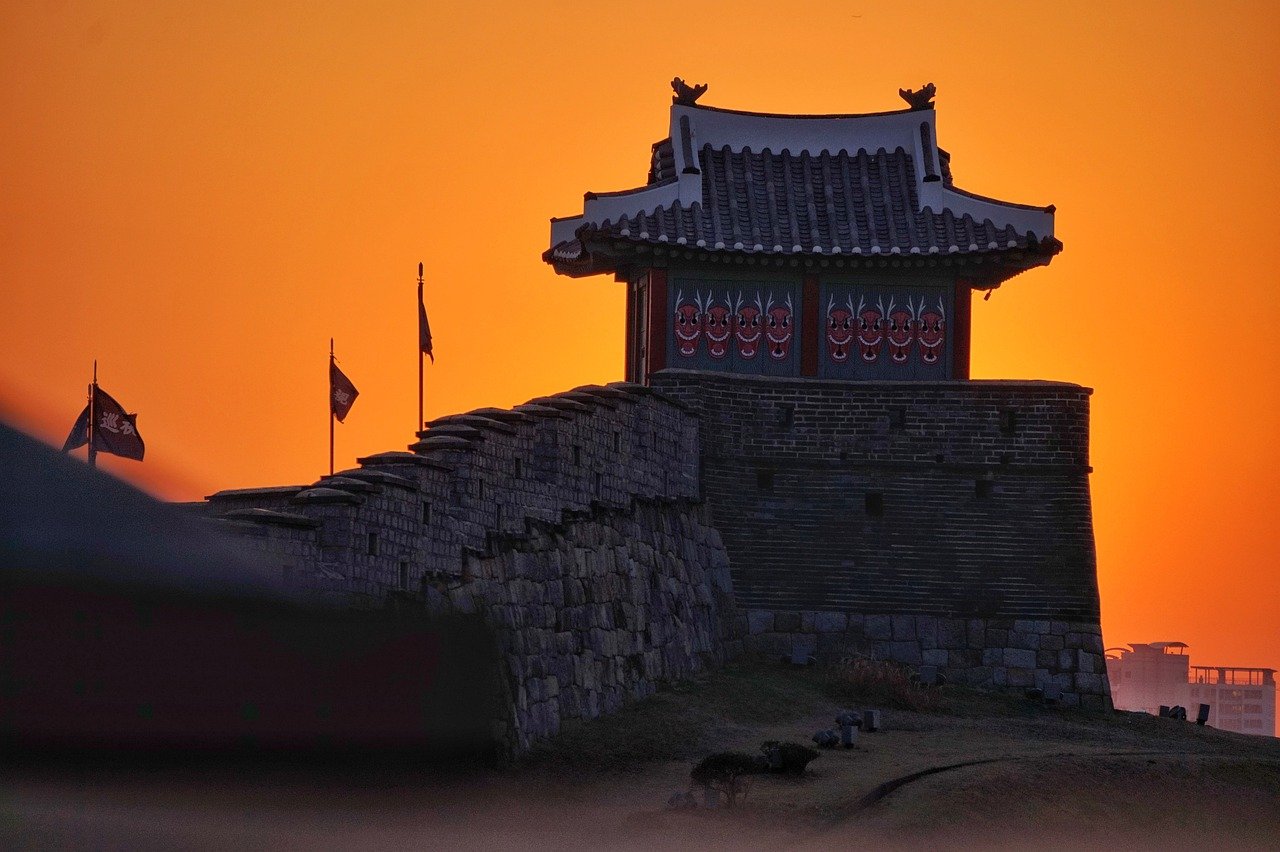
Changwon
Changwon, the capital of South Gyeongsang Province, is a planned city known for its industrial heritage, green spaces and cultural venues. Its districts of Masan and Jinhae add coastal scenery and famous cherry blossom views.