Zamboanga City
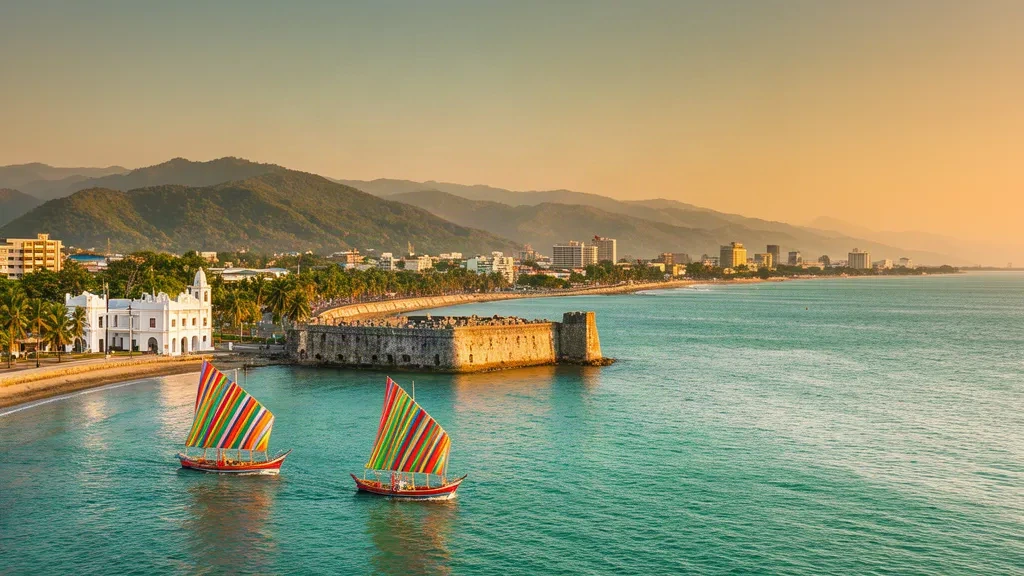
Zamboanga City, often called Asia's Latin City, blends Spanish colonial heritage with a vibrant Chavacano-speaking culture, waterfront vintas, historic Fort Pilar and lively markets.
Passengers
Luggage
About Zamboanga Peninsula
Zamboanga City is a highly urbanized city at the southern tip of the Zamboanga Peninsula in Mindanao, Philippines. Known as "Asia's Latin City," it is shaped by its Spanish colonial past, Chavacano-speaking culture, coastal setting and long history as a trading and garrison town.
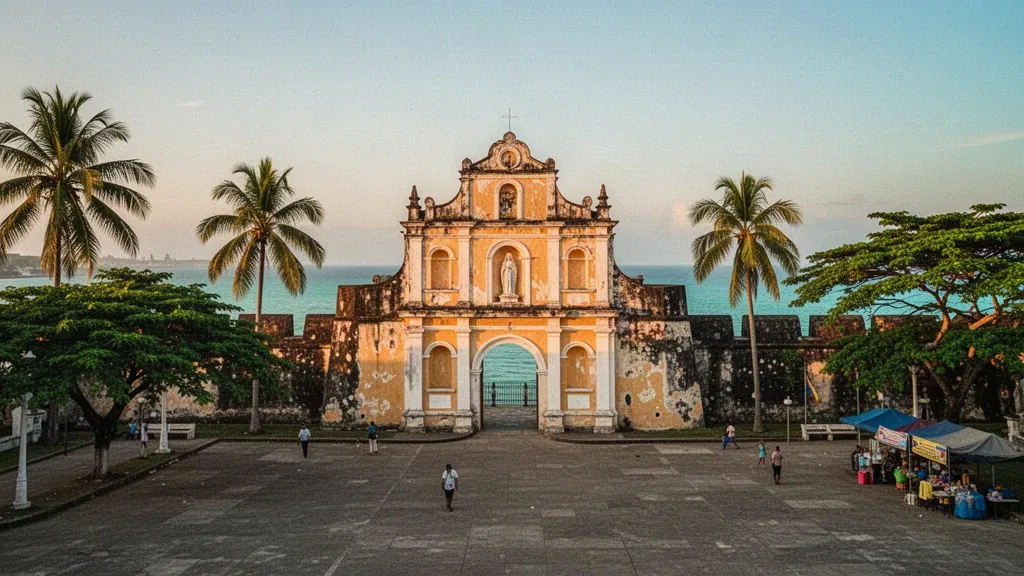
Founded by the Spanish in the 16th century, the city's heritage is most visible at Fort Pilar, a 17th-century stone fort and Marian shrine that remains the city's best-known landmark. Plaza Pershing, the City Hall and historic streets around the centre reflect later periods of development under Spanish, American and Philippine rule.
Downtown Zamboanga centres on the waterfront, markets and busy commercial streets, while Paseo del Mar offers seafront dining and evening views. Across the strait, Great Santa Cruz Island is known for its pink-sand beach and is one of the area's most distinctive natural attractions. Nearby highland and coastal barangays add a quieter, more local side to the city.
As the commercial and administrative hub of the Zamboanga Peninsula, the city supports trade, fishing, sardine production, education and government services. Its food scene mixes Spanish, Moro and local influences, with dishes such as curacha crab, knickerbocker and satti alongside abundant seafood.
For leisure travellers, Zamboanga City combines heritage, beaches and island excursions; for business visitors, it serves as a practical gateway to the peninsula, Basilan, Sulu and Tawi-Tawi.
Zamboanga Peninsula Travel Guide
Best Time to Visit
The drier months from November to May are generally the most reliable for city sightseeing and island boat trips. Rain can occur at any time of year, so it is useful to check conditions before planning visits to Great Santa Cruz Island.
How to Get Around
Zamboanga City is served by jeepneys, tricycles, multicabs and taxis for short trips around the city centre and outlying barangays. Many central sights are walkable, while boats connect to nearby islands such as Great Santa Cruz Island.
Where to Stay
Downtown and the areas near Paseo del Mar, Canelar and the airport offer convenient hotels close to restaurants, landmarks and transport. Quieter resorts and beachfront stays are available further from the centre.
Food & Drink
Zamboanga City's food reflects Spanish, Moro and local influences. Try curacha crab, knickerbocker and satti, plus fresh seafood from markets, eateries and waterfront restaurants across the city.
Ground Transportation Services in Zamboanga Peninsula
Airport Transfers
Travel between Zamboanga International Airport and hotels, the city centre, seaports and other destinations across the city and nearby areas.
Hourly Chauffeur
Book a private chauffeur by the hour for business meetings, city tours, events and flexible travel around Zamboanga City.
Car Rental
Rent a car in Zamboanga City for independent travel around the peninsula and convenient journeys to nearby towns and attractions.
Bus & Group Transfers
Arrange minibuses or charter buses for groups, corporate travel, events, airport transfers and tours in Zamboanga City.
Related Cities in Philippines
View all
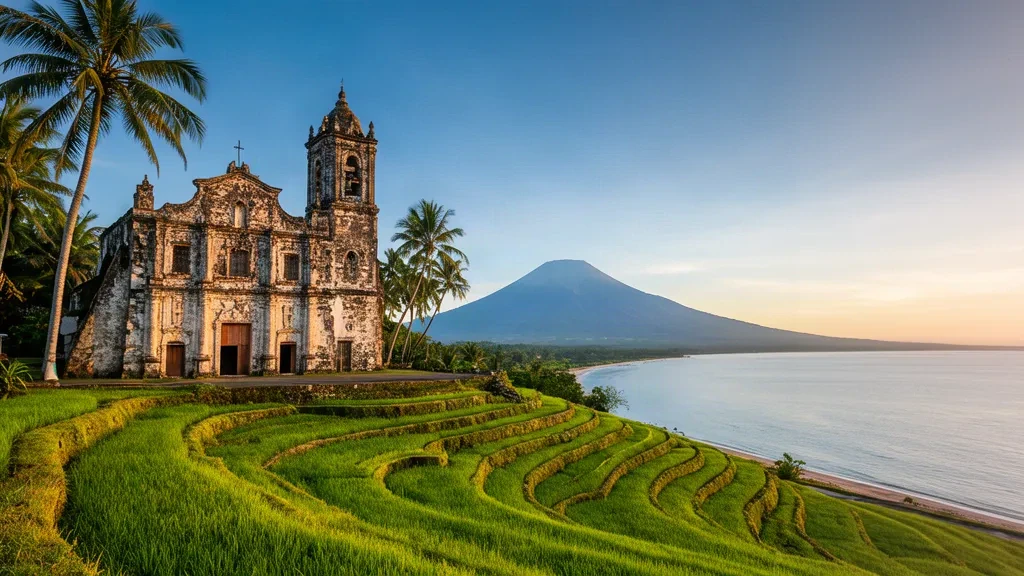
Biliran
Biliran is a laid-back coastal municipality on Biliran Island, where historic church landmarks sit close to waterfalls, hot springs and views of Mount Biliran.
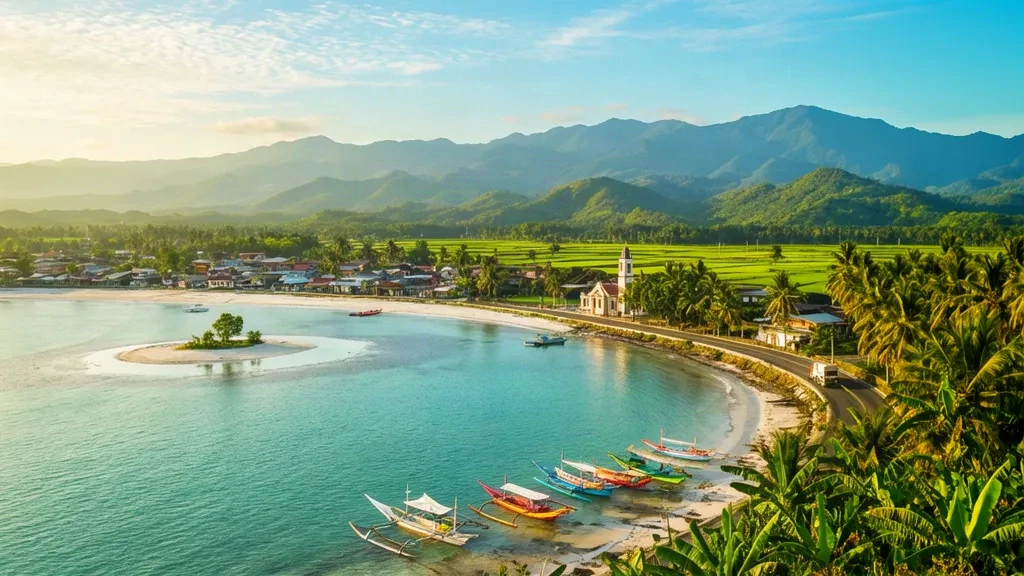
Antique
Antique, on the island of Panay in the Philippines, is known for its heritage towns, old churches, coastal villages and the rugged interior of Mount Madja-as.
Zamboanga Sibugay
Zamboanga Sibugay, a coastal province on the Zamboanga Peninsula, is known for its rice fields, fishing villages and the lively capital town of Ipil.
Airports in Philippines
View all airports in the country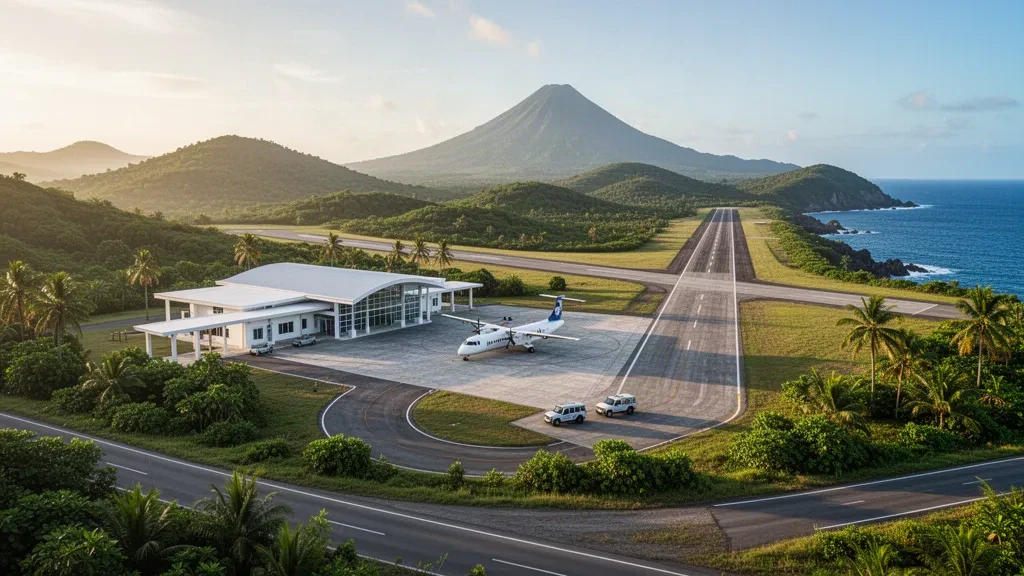
Basco Airport (BSO)
Basco Airport is the main gateway to Basco and the Batanes islands in the northern Philippines. Compare transfer options to Basco town, Sabtang, Ivana and other nearby areas, and plan your journey with ease.
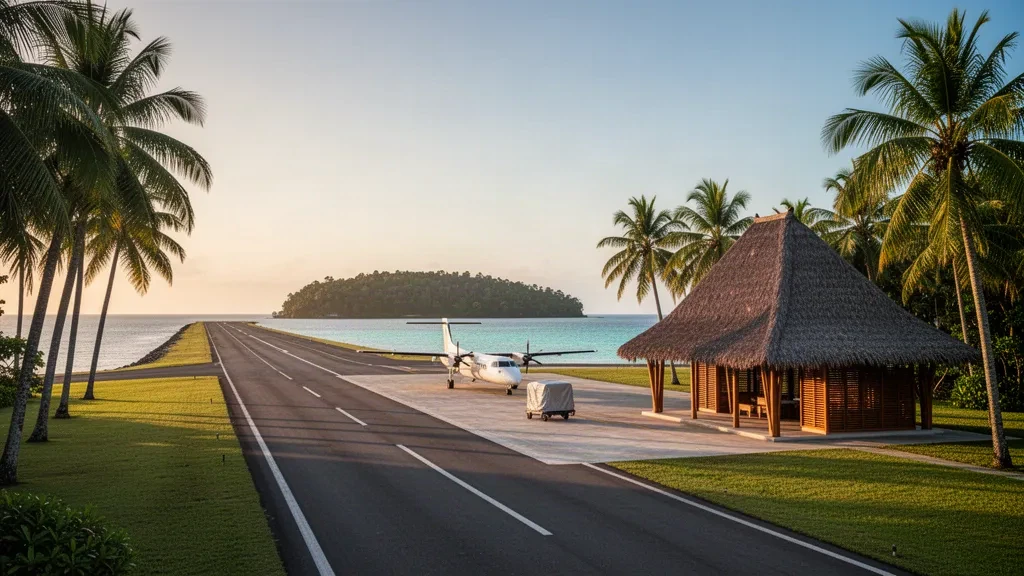
Balesin Island Airport (BSI)
Balesin Island Airport serves Balesin Island and the Alphaland Balesin Island Club, a private membership resort in Polillo, Quezon, Philippines. It connects resort guests arriving by charter flight from Manila and nearby departure points to the island's villa areas and beaches.
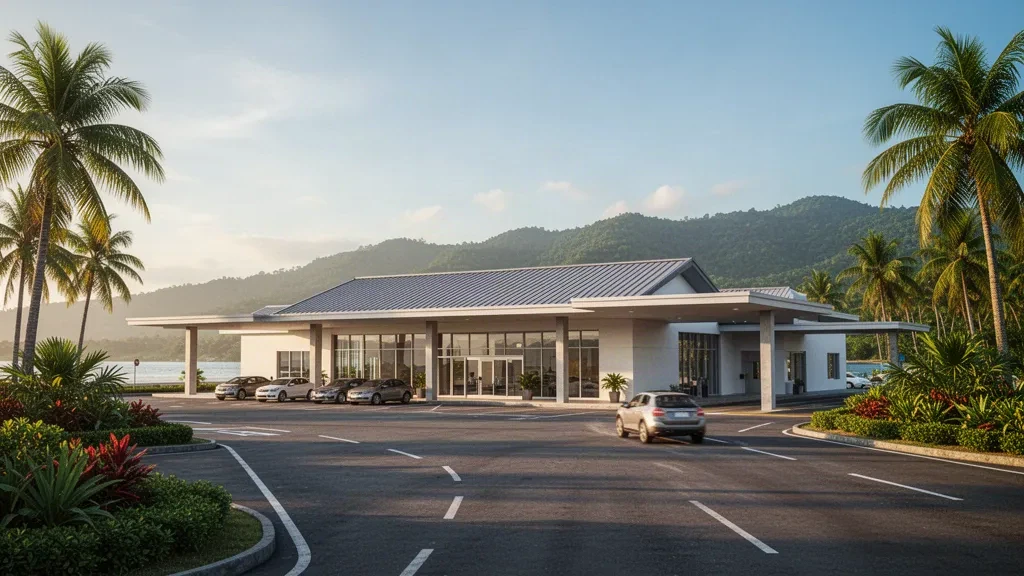
Dr. Juan C. Angara Airport (BQA)
Dr. Juan C. Angara Airport (BQA) serves Baler, the capital of Aurora province, and is the main air gateway to the region's Pacific surf beaches. Compare transfer options to Baler town, Sabang Beach, San Luis and nearby coastal destinations along Aurora's coast.
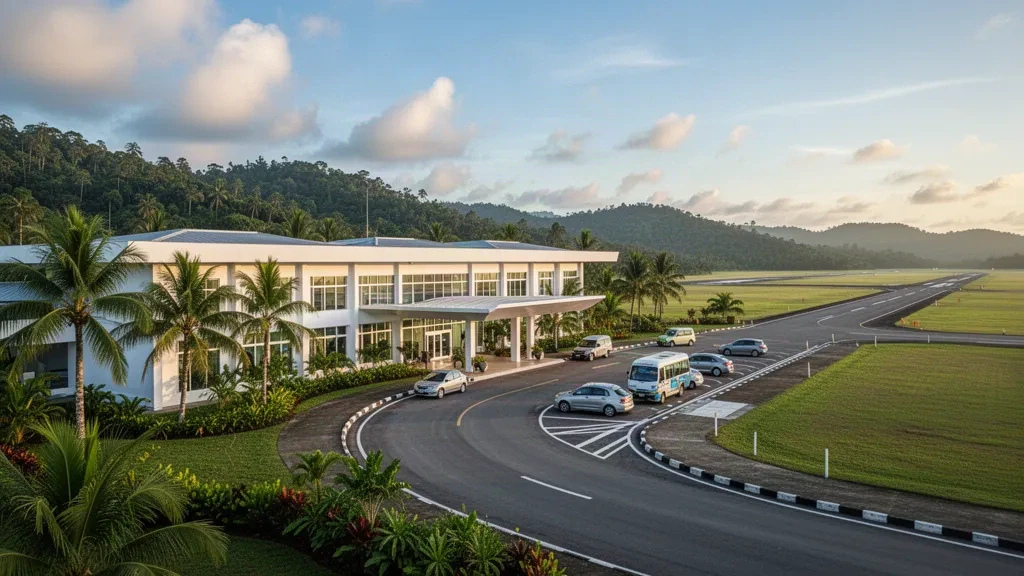
Bislig Airport (BPH)
Bislig Airport is a compact community airport serving Bislig City and eastern Surigao del Sur on the island of Mindanao. Compare transfer options to Bislig's city center, Tinuy-an Falls, the Bislig Baywalk, and nearby coastal towns such as Hinatuan.