Tumbes
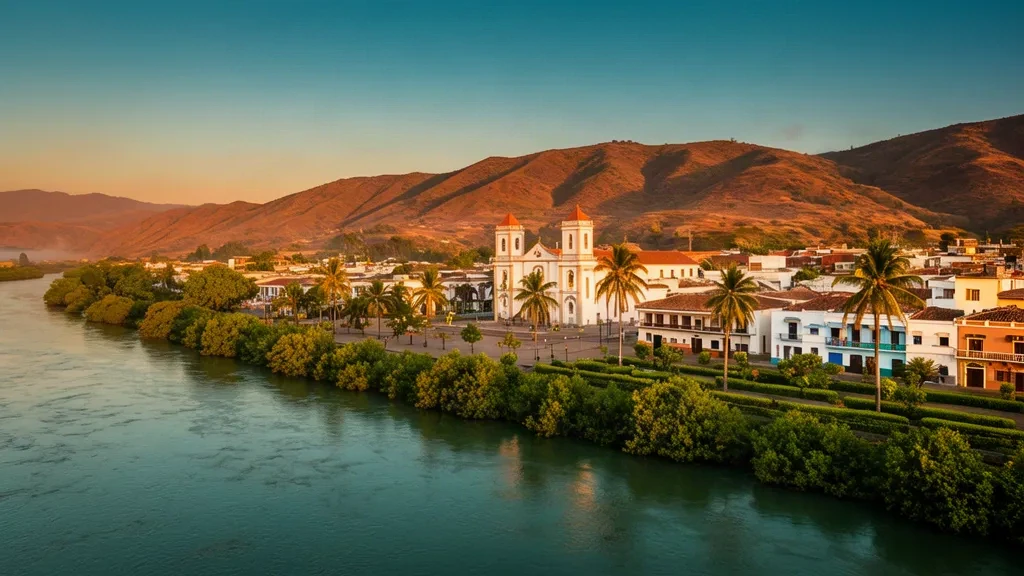
Tumbes, a tropical coastal city in northwestern Peru, pairs Pacific beaches and mangrove wetlands with a warm borderland culture and a relaxed plaza-centered pace. Its history and proximity to Ecuador give the city a distinct character.
Passengers
Luggage
About Tumbes
Tumbes is Peru's northernmost city and the capital of the Tumbes Region, sitting on the north bank of the Tumbes River about 30 km from the Ecuadorian border. Its warm tropical climate, nearby beaches and protected mangrove and dry-forest ecosystems give it a distinctive role as the gateway to Peru's far north.
The city's history runs deep. Francisco Pizarro landed nearby at what is now Puerto Pizarro in 1532, beginning the Spanish conquest of Peru, and Tumbes proclaimed its independence on 7 January 1821 before the national declaration in Lima, earning the nickname "Cradle of Peruvianness." Modern Tumbes developed further after the 1942 border settlement with Ecuador, which strengthened cross-border trade.
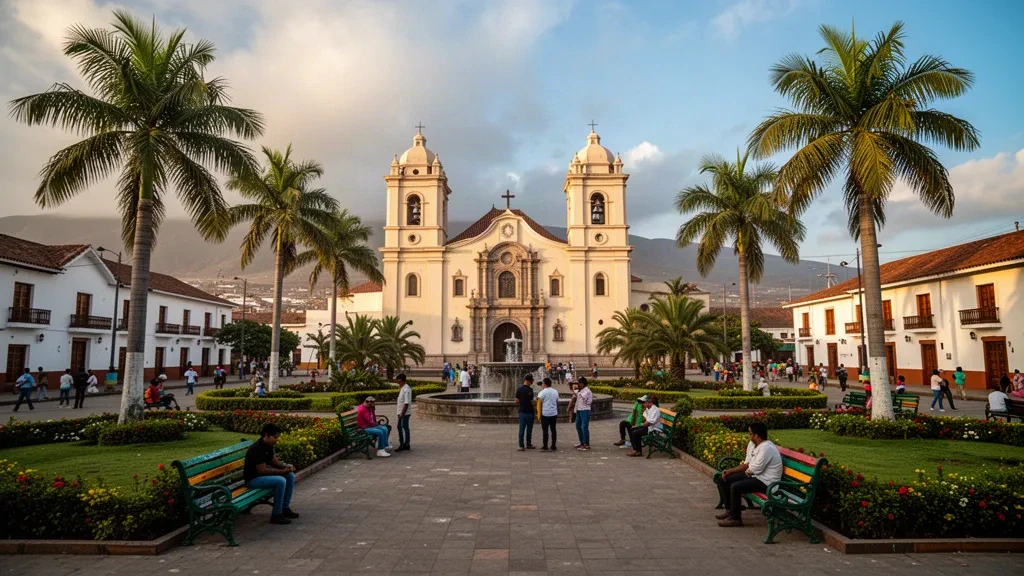
In the centre, the Plaza de Armas features sculptures by Víctor Delfín, a Concha Acústica with local historical motifs and a monument to Peruvian–Ecuadorian integration. Nearby stand the 17th-century San Nicolás de Tolentino Cathedral, the riverfront Malecón Benavides lookout and the Paseo Jerusalén with its clock tower and condor monument.
Beyond the city, the Santuario Nacional Los Manglares de Tumbes protects mangroves, crocodiles and the black-shell clam central to local cuisine, while Cerros de Amotape National Park preserves the region's unique Pacific tropical dry forest. Puerto Pizarro, Zorritos and Punta Sal offer beaches, boat trips and water sports within easy reach.
As a border commercial hub, Tumbes draws business travellers involved in trade, agriculture, aquaculture and tourism, and its food scene is led by ceviche de conchas negras and majarisco tumbesino. Festivals such as the 7 January independence anniversary and the September tourism week add year-round reasons to visit.
Tumbes Travel Guide
Best Time to Visit
May to November is generally drier and comfortable for mangroves, nature reserves and sightseeing, while December to April brings the hottest weather and the main beach season, with occasional heavy rain during El Niño years. October is a popular month for sunny days and regional events.
How to Get Around
Mototaxis are the main way to move around central Tumbes, and microbuses and colectivos connect the city with Puerto Pizarro, Zarumilla and the Aguas Verdes border. Taxis and rental cars are useful for reaching beaches such as Zorritos and Punta Sal.
Where to Stay
Hotels near the Plaza de Armas put visitors close to the cathedral, markets and restaurants, while Puerto Pizarro and Zorritos suit beach stays. Punta Sal offers quieter resorts and lodges along the coast about 84 km from the city.
Food & Drink
Tumbes is known for fresh seafood, especially ceviche de conchas negras, majarisco tumbesino, sudado de pescado and chinguirito. Local markets and coastal restaurants in Puerto Pizarro, Zorritos and the city centre are good places to try regional dishes.
Ground Transportation Services in Tumbes
Airport Transfers
Travel between Cap. FAP Pedro Canga Rodríguez Airport and hotels in Tumbes, Puerto Pizarro, Zorritos and Punta Sal with a pre-booked private transfer.
Hourly Chauffeur
Book a private chauffeur by the hour for business meetings, events, city sightseeing and flexible trips to nearby beaches and reserves.
Car Rental
Rent a car in Tumbes for independent travel along the Pan-American Highway to nearby beaches, the Ecuador border and regional attractions.
Bus & Group Transfers
Arrange minibuses or charter buses for groups, corporate travel, events, airport pickups and tours to the Tumbes mangroves and surrounding beaches.
Frequently Asked Questions
Related Cities in Peru
View all
Pucallpa
Pucallpa, the capital of Peru's Ucayali region, is a bustling Amazonian city known as a gateway to the rainforest, with a lively port, markets and access to nearby natural wonders.
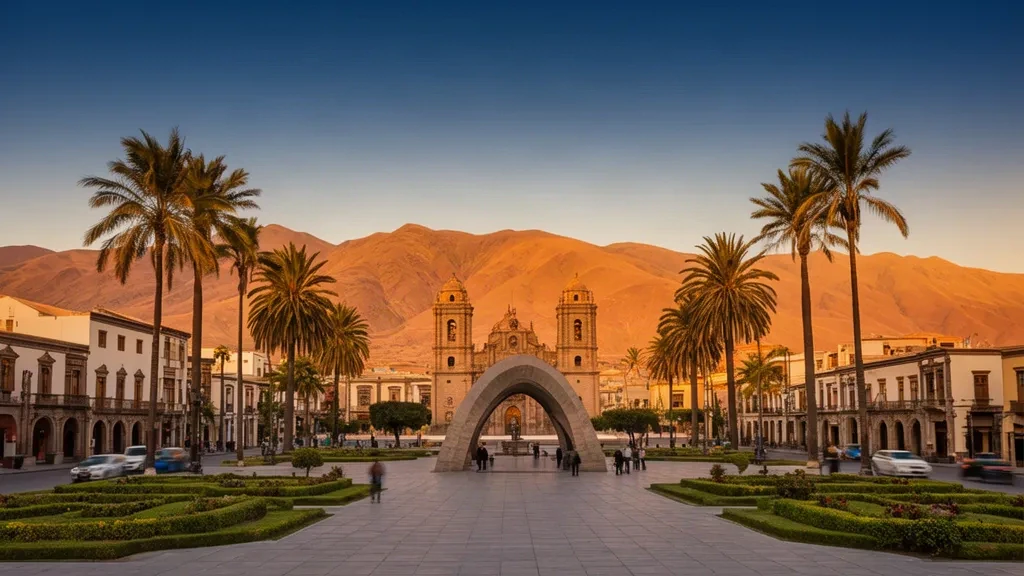
Tacna
Tacna, known as Peru's Heroic City, blends desert landscapes and Pacific beaches with a proud civic history, colonial-era architecture and a lively market and food scene.
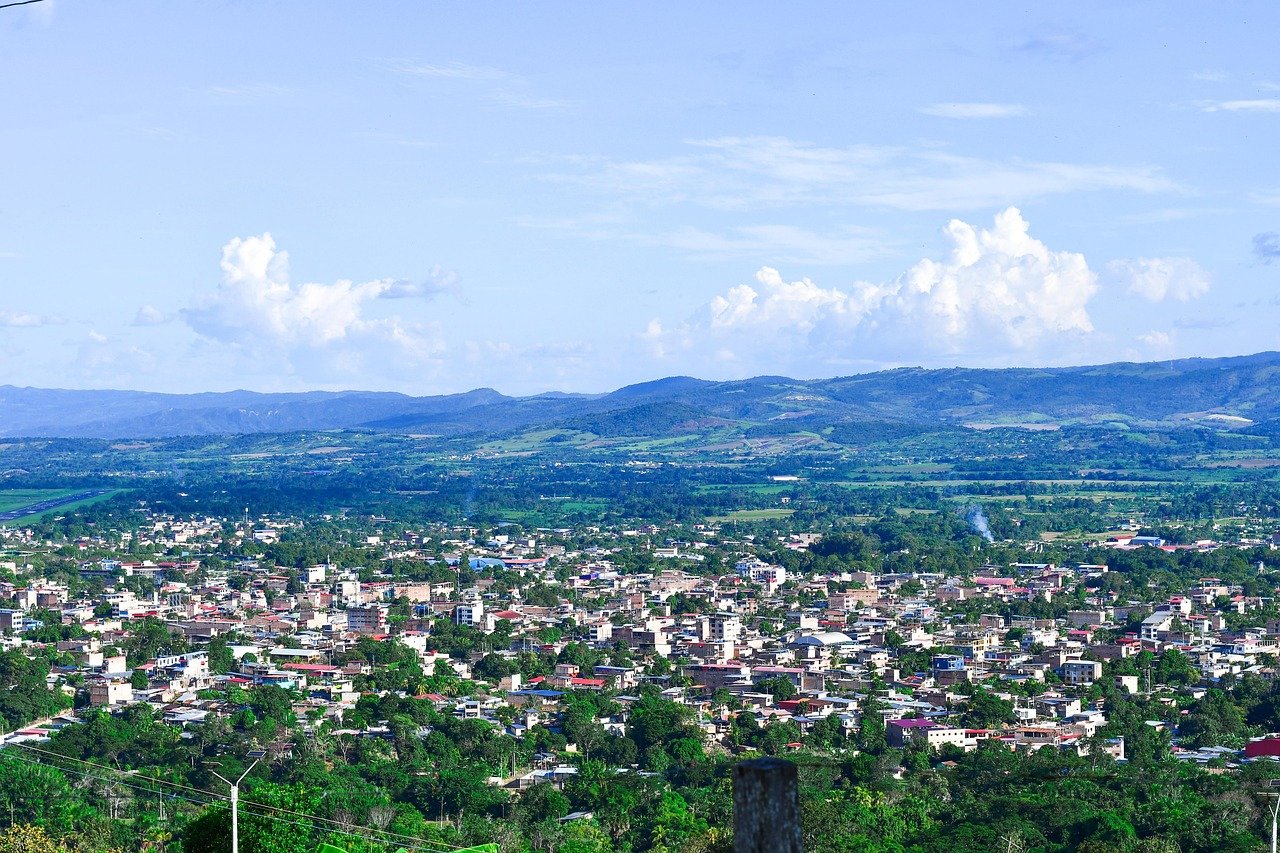
San Martín
San Martín, a vibrant gateway to the Peruvian Amazon, blends lush rainforest scenery, warm local traditions and a rich cultural heritage.
Airports in Peru
View all airports in the country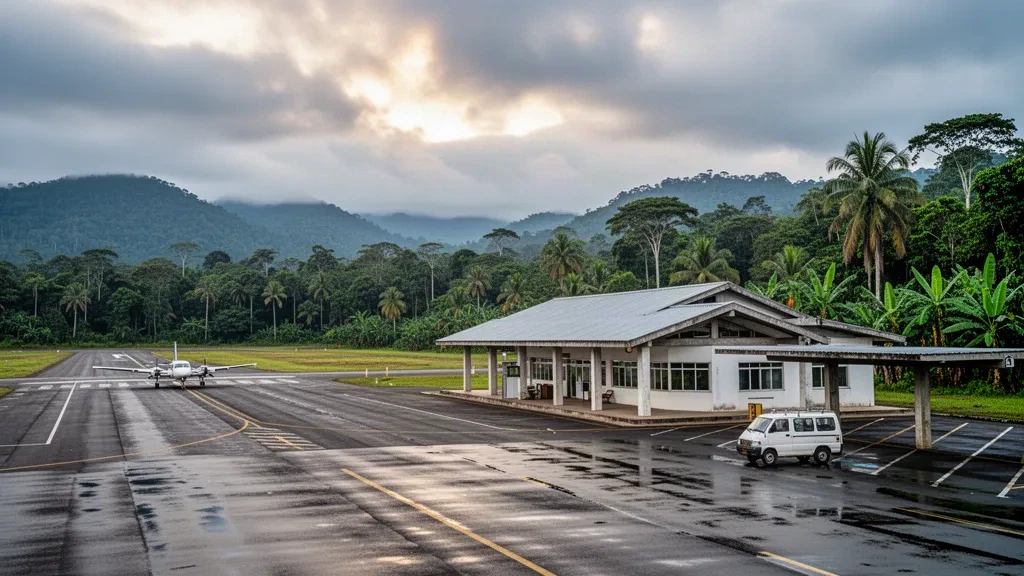
Huallaga Airport (BLP)
Huallaga Airport is a small gateway to Bellavista and Peru's San Martín region, serving the Huallaga Valley and nearby towns. Compare transfer options to Bellavista, Juanjuí, Saposoa and surrounding areas.
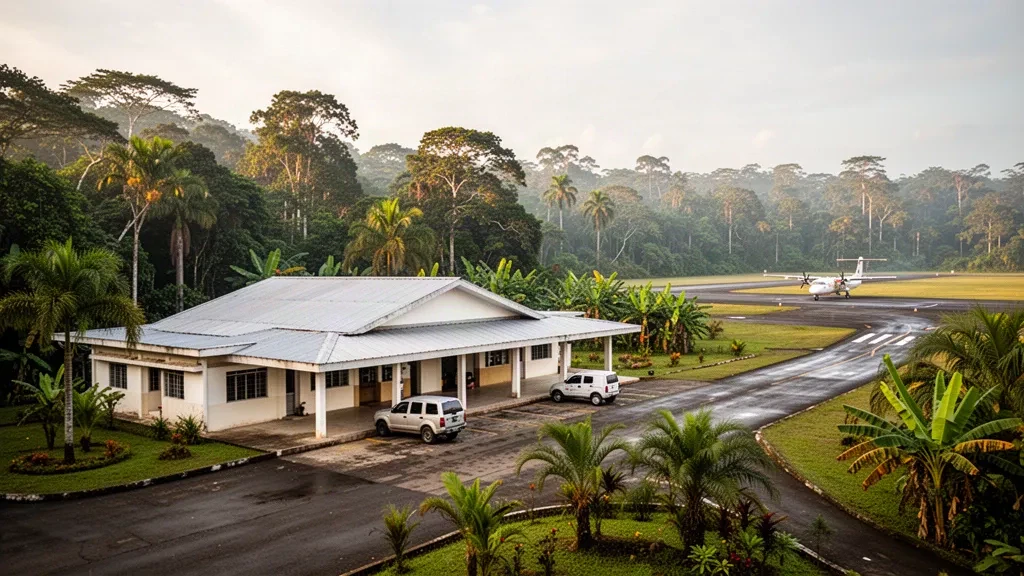
Teniente General Gerardo Pérez Pinedo Airport (AYX)
Teniente General Gerardo Pérez Pinedo Airport is a small regional gateway serving Atalaya and the Ucayali region of the Peruvian Amazon. From the airport, travelers can connect to the town centre, nearby river ports and destinations across the central jungle.
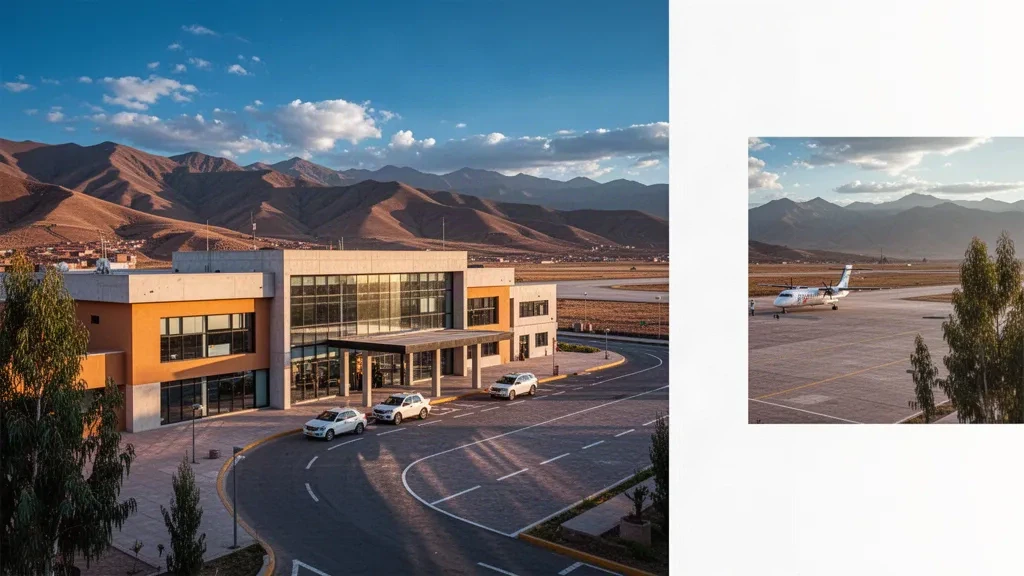
Coronel FAP Alfredo Mendívil Duarte Airport (AYP)
Coronel FAP Alfredo Mendívil Duarte Airport is the main gateway to Ayacucho and the surrounding Andean region in south-central Peru. Compare transfer options to Ayacucho city centre, Huanta, Huamanga and nearby destinations, and plan your onward journey with ease.
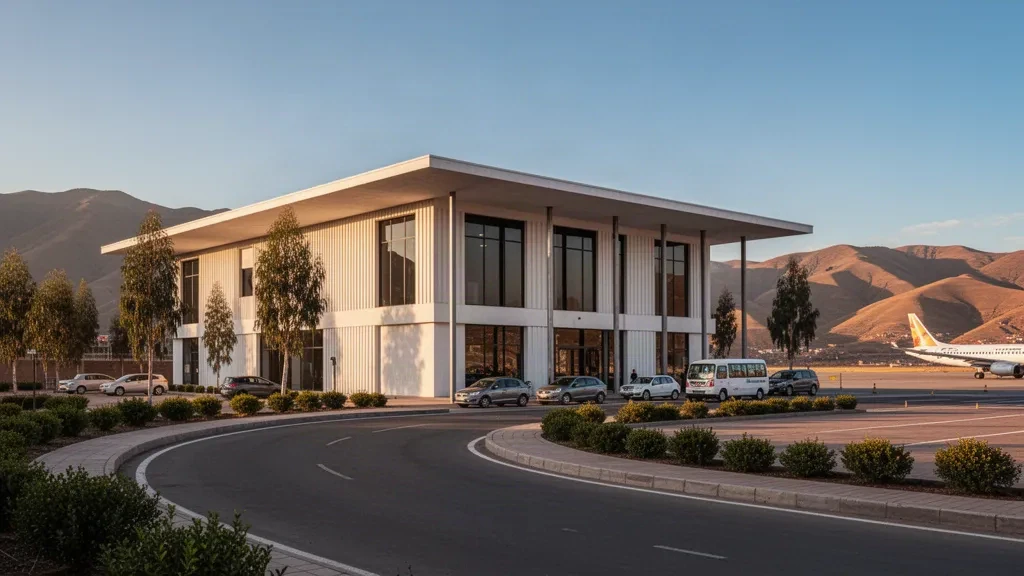
Coronel FAP Alfredo Mendívil Duarte Airport (AYP)
Coronel FAP Alfredo Mendívil Duarte Airport is the main gateway to Ayacucho and Peru's central-southern Andean region. It connects travellers with the city centre and nearby highland destinations, with taxis, private transfers and car rental available for onward journeys.