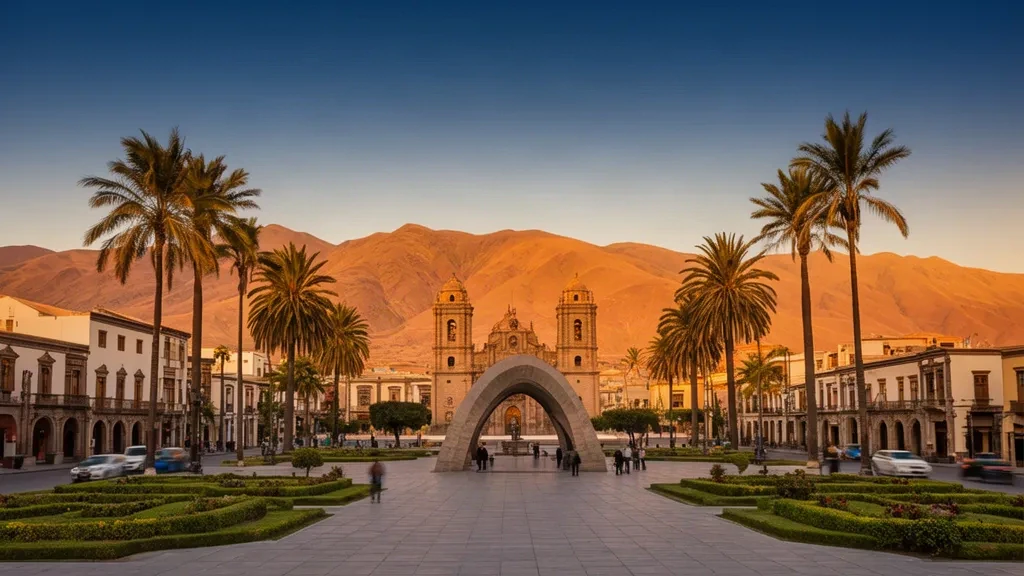
Tacna
Tacna, known as Peru's Heroic City, blends desert landscapes and Pacific beaches with a proud civic history, colonial-era architecture and a lively market and food scene.
Passengers
Luggage
About Tacna
Tacna is a compact, sun-drenched city in southern Peru, set in the arid Caplina River valley near the border with Chile. Known as Peru's 'Heroic City,' it combines strong national pride with duty-free commerce, warm hospitality and a relaxed pace.
Its history is closely tied to the War of the Pacific and the region's return to Peru in 1929. Landmarks such as the neo-Renaissance Cathedral, the Paseo Cívico and the pink-stone Arco Parabólico honour heroes like Miguel Grau and Francisco Bolognesi, while the Casa de Zela and the National Railway Museum recall the city's colonial past and its railway link to Arica.
The compact centre is easy to explore on foot, with the Paseo Cívico, Alameda Bolognesi and Municipal Theatre anchoring daily life. Nearby districts such as Pocollay offer green orchards and traditional picanterías, while the Alto de la Alianza complex commemorates the 1880 battle on the hills above the city. Just outside town, the Miculla petroglyphs and the Calientes hot springs add desert and valley excursions.
Tacna is southern Peru's main commercial hub, driven by the Zofratacna duty-free zone and steady cross-border trade with Chile. Its cuisine centres on picante a la tacneña, adobo and fresh bread, accompanied by regional wines and piscos from the Valle Viejo vineyards.
For leisure and business travellers alike, Tacna works as a practical gateway between Peru and northern Chile, with border crossings, trade fairs and civic celebrations keeping the city busy year-round.
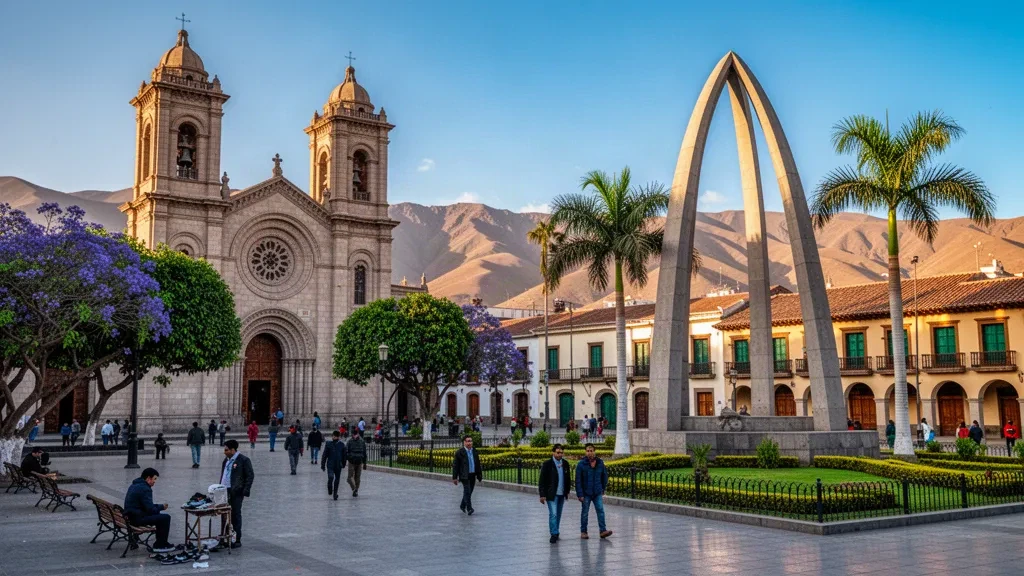
Tacna Travel Guide
Best Time to Visit
Tacna has a mild, dry and sunny climate year-round, with little rainfall. April to November offers the most comfortable daytime temperatures for walking and excursions, while the late-August anniversary of the city's return to Peru brings parades and civic celebrations.
How to Get Around
The historic centre around the Paseo Cívico is compact and easy to explore on foot. Taxis, colectivos and urban buses serve the wider city, while private transfers, rental cars or organised tours are useful for the Valle Viejo, Miculla petroglyphs, Calientes hot springs and the border.
Where to Stay
Hotels around the city centre put the Cathedral, Paseo Cívico and restaurants within walking distance. Pocollay offers a quieter setting with orchards and traditional dining, while options near the airport or bus terminals suit short stays and onward travel.
Food & Drink
Tacna's signature dishes include picante a la tacneña, adobo and pastel de choclo, often served with marraqueta bread and a glass of local wine. Picanterías, markets and cafés around the centre and Pocollay are good places to sample regional cuisine and pisco.
Ground Transportation Services in Tacna
Airport Transfers
Travel between Coronel FAP Carlos Ciriani Santa Rosa International Airport and hotels, the city centre, bus terminals or border departure points in Tacna.
Hourly Chauffeur
Book a private driver by the hour for business meetings, border crossings, shopping in the duty-free zone, events and sightseeing around Tacna.
Car Rental
Rent a car in Tacna for flexible travel through the city, visits to Valle Viejo wineries and hot springs, or journeys toward the Peruvian-Chilean border.
Bus & Group Transfers
Arrange minibuses or charter buses for groups, corporate travel, events, tours to the Miculla petroglyphs and Calientes hot springs, and transfers in and around Tacna.
Frequently Asked Questions
Related Cities in Peru
View all
Pucallpa
Pucallpa, the capital of Peru's Ucayali region, is a bustling Amazonian city known as a gateway to the rainforest, with a lively port, markets and access to nearby natural wonders.
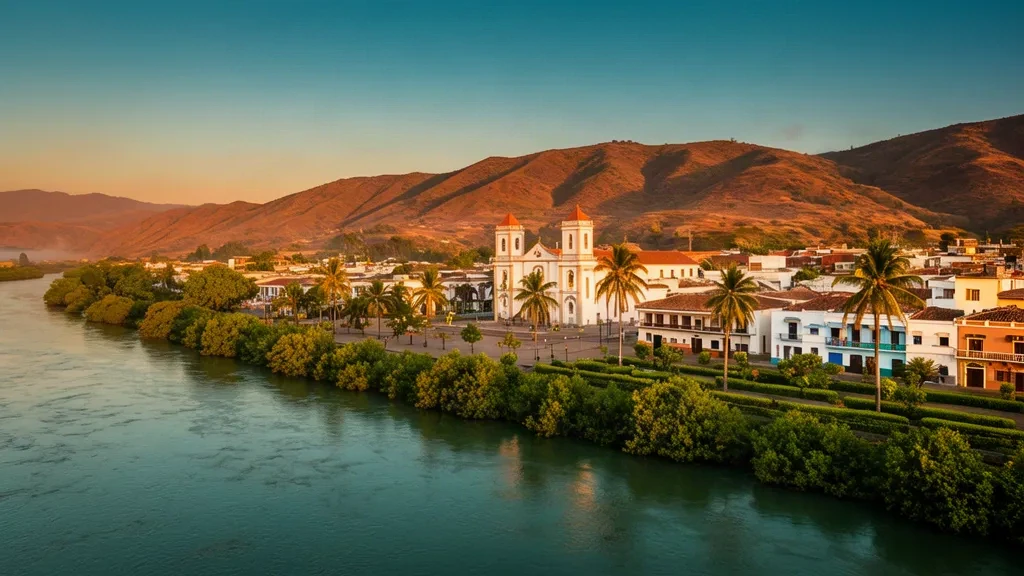
Tumbes
Tumbes, a tropical coastal city in northwestern Peru, pairs Pacific beaches and mangrove wetlands with a warm borderland culture and a relaxed plaza-centered pace. Its history and proximity to Ecuador give the city a distinct character.
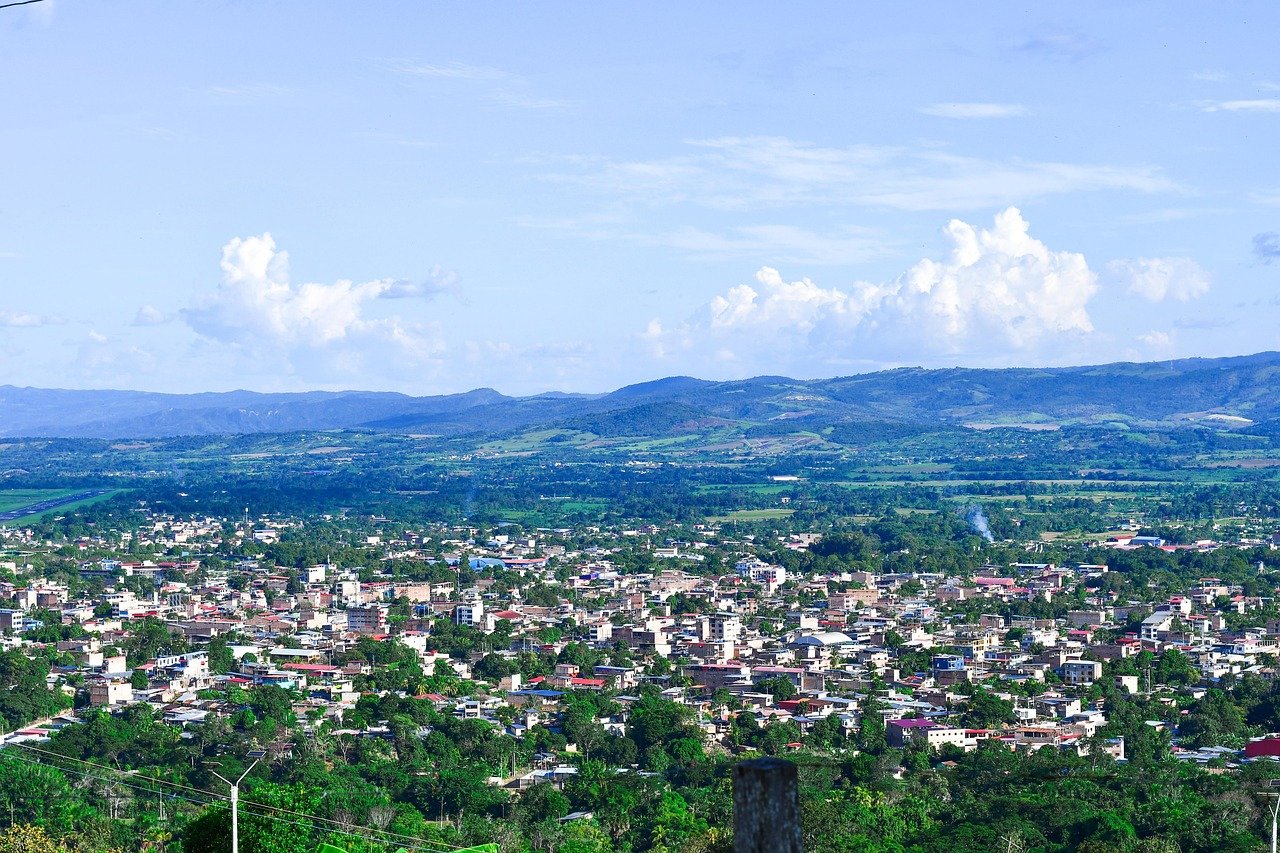
San Martín
San Martín, a vibrant gateway to the Peruvian Amazon, blends lush rainforest scenery, warm local traditions and a rich cultural heritage.
Airports in Peru
View all airports in the country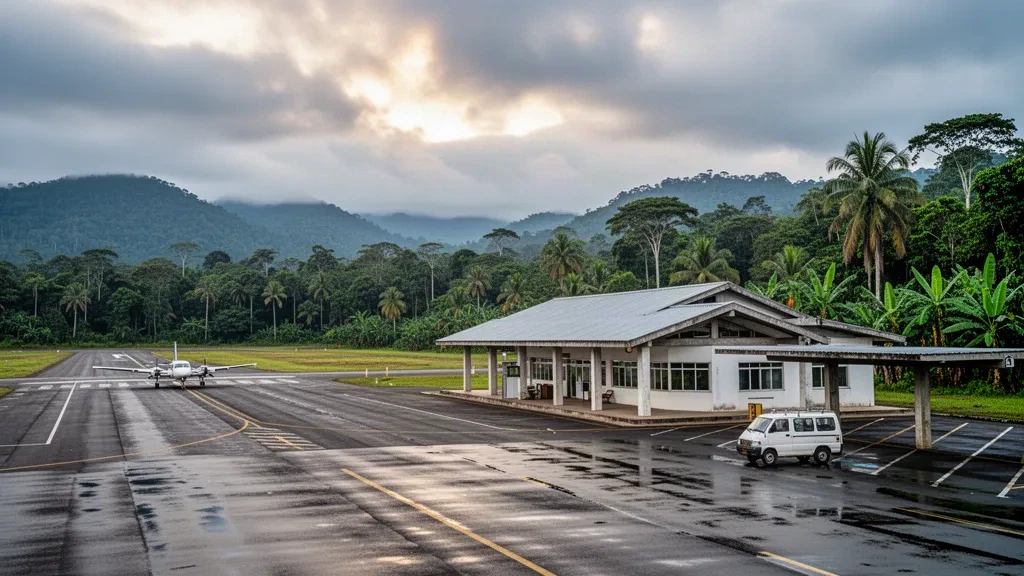
Huallaga Airport (BLP)
Huallaga Airport is a small gateway to Bellavista and Peru's San Martín region, serving the Huallaga Valley and nearby towns. Compare transfer options to Bellavista, Juanjuí, Saposoa and surrounding areas.
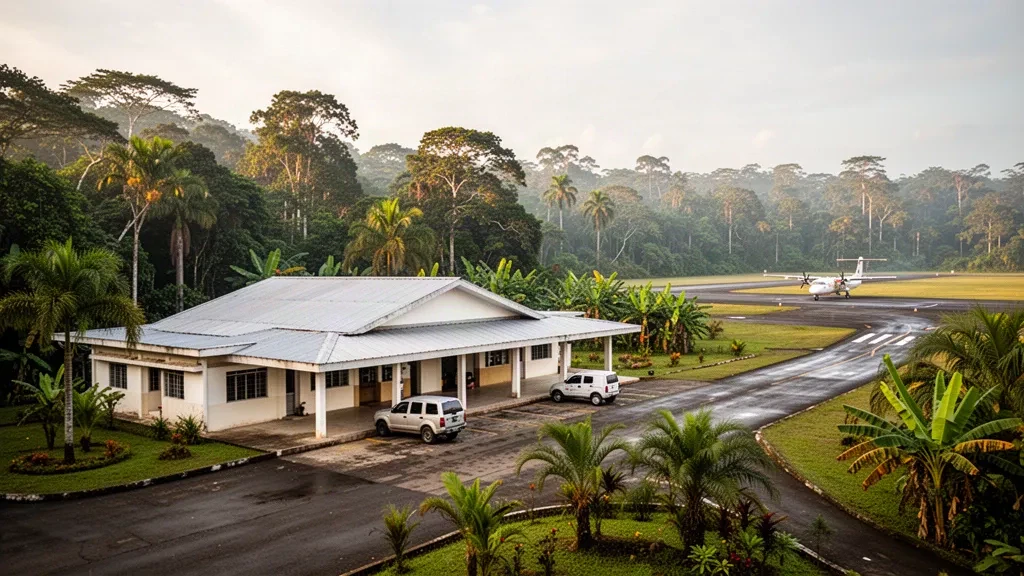
Teniente General Gerardo Pérez Pinedo Airport (AYX)
Teniente General Gerardo Pérez Pinedo Airport is a small regional gateway serving Atalaya and the Ucayali region of the Peruvian Amazon. From the airport, travelers can connect to the town centre, nearby river ports and destinations across the central jungle.
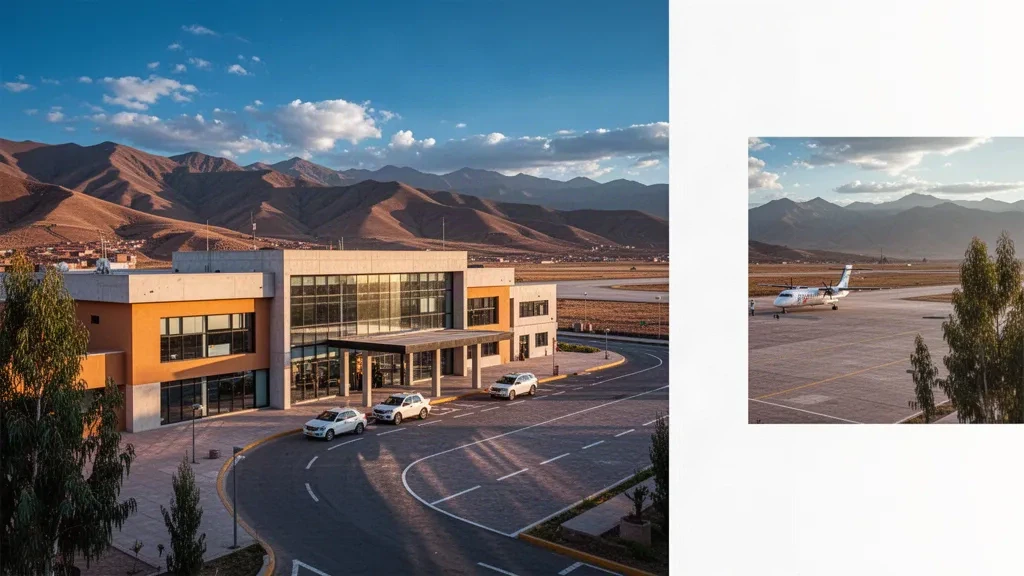
Coronel FAP Alfredo Mendívil Duarte Airport (AYP)
Coronel FAP Alfredo Mendívil Duarte Airport is the main gateway to Ayacucho and the surrounding Andean region in south-central Peru. Compare transfer options to Ayacucho city centre, Huanta, Huamanga and nearby destinations, and plan your onward journey with ease.
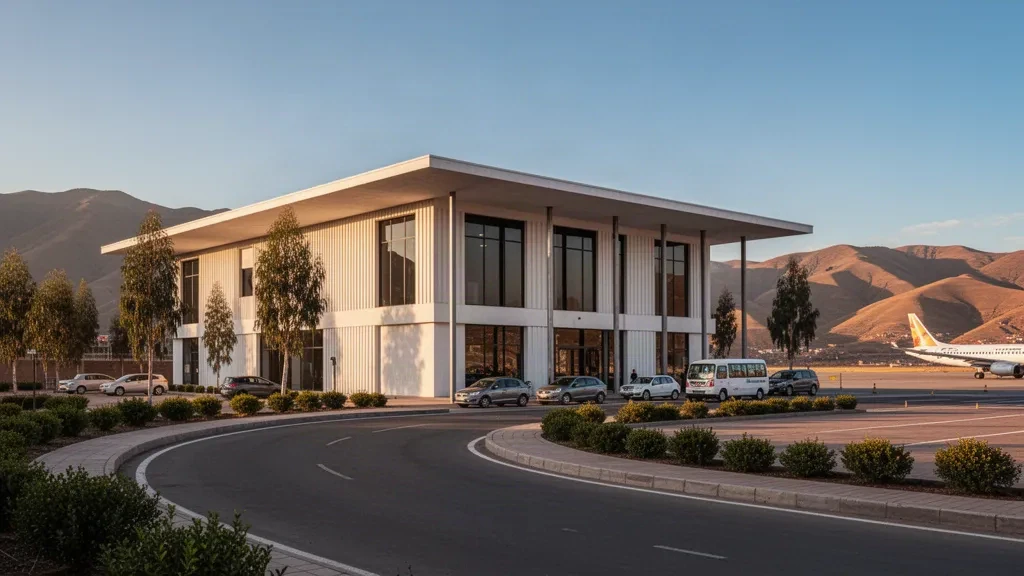
Coronel FAP Alfredo Mendívil Duarte Airport (AYP)
Coronel FAP Alfredo Mendívil Duarte Airport is the main gateway to Ayacucho and Peru's central-southern Andean region. It connects travellers with the city centre and nearby highland destinations, with taxis, private transfers and car rental available for onward journeys.