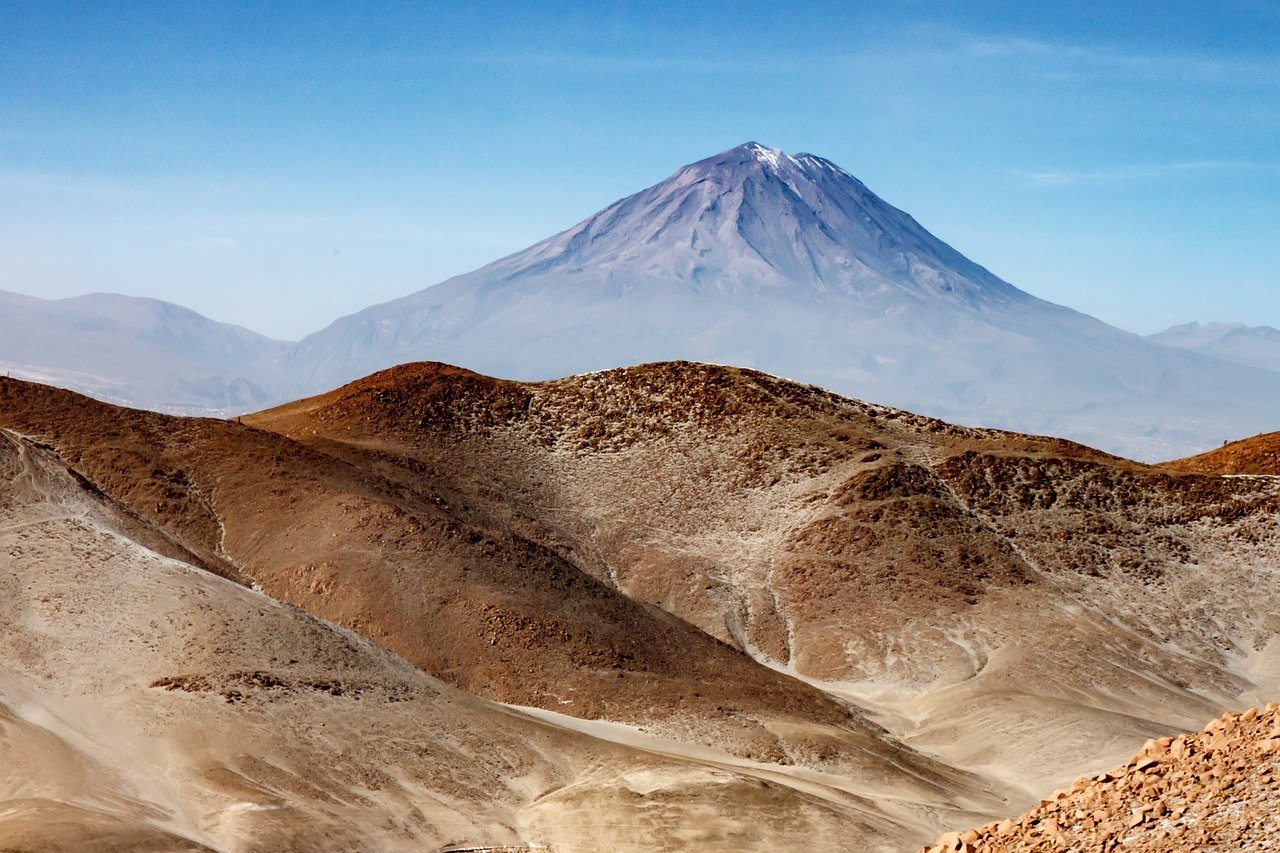
Junín
Junín is a highland city in central Peru, shaped by colonial history and Andean scenery, with Lake Junín and the surrounding central sierra nearby.
Passengers
Luggage
About Junín
Junín is a small Andean town in Peru's central highlands and the capital of Junín Province within the Junín Region. It sits at roughly 4,100 metres above sea level on the shore of Lake Junín, one of Peru's largest lakes, surrounded by open puna grassland and wetlands. Its high altitude, cold air and vast skies give the town a quiet, remote character.
The town is best known for the Battle of Junín on 6 August 1824, a cavalry clash that helped seal South American independence under Simón Bolívar. The nearby Chacamarca Historic Sanctuary marks the battlefield with the Obelisk of the Heroes, and the Plaza de Armas features a monument to Bolívar, keeping that history central to local identity.
Lake Junín and the Junín National Reserve are the area's main natural attractions, protecting wetlands, reed beds and high-Andean birds such as Andean flamingos, giant coots and various ducks. Around the compact town centre, visitors find a simple plaza, a local market and small restaurants serving hearty highland food, while nearby villages such as Ondores offer views across the lake.
Junín matters to travellers as a base for history, birdwatching and highland scenery, and it lies on routes connecting Lima with the central Andes. The wider region's mining and agriculture also bring business visitors, making the town a practical stop for both leisure and work-related journeys.
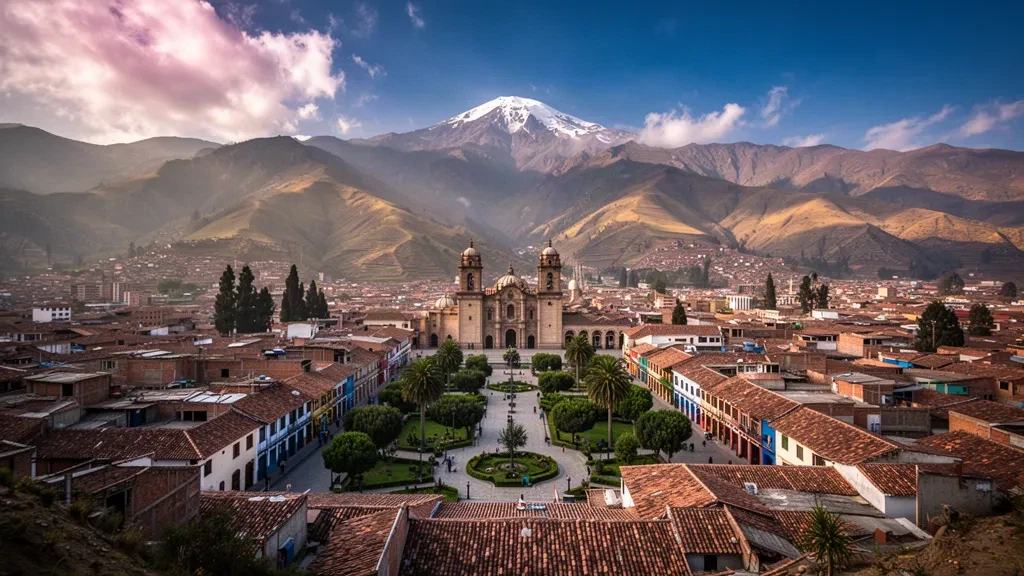
Junín Travel Guide
Best Time to Visit
The dry season from May to October is the most reliable time to visit Junín, with clearer skies, colder nights and easier access to the reserve and battlefield sites. Rain is common between November and April, and high altitude and strong sun need to be planned for year-round.
How to Get Around
Junín's compact centre is easy to explore on foot, while taxis and mototaxis handle short trips to the lake, viewpoints and nearby villages. Buses and shared vans connect the town with Tarma, Huancayo and other towns in the Junín Region, and private transfers are useful for reaching Jauja airport.
Where to Stay
Accommodation is modest and concentrated in and around the town centre, with small hostels, guesthouses and simple hotels. Visitors can also base themselves in Tarma or Huancayo and make day trips to Junín, the lake and the Chacamarca sanctuary.
Food & Drink
Local food is hearty and suited to the cold climate, with trout from Lake Junín, chuño, alpaca dishes, soups and coca tea widely available. Small restaurants and the town market offer simple highland cooking, with more dining options in nearby Tarma or Huancayo.
Ground Transportation Services in Junín
Airport Transfers
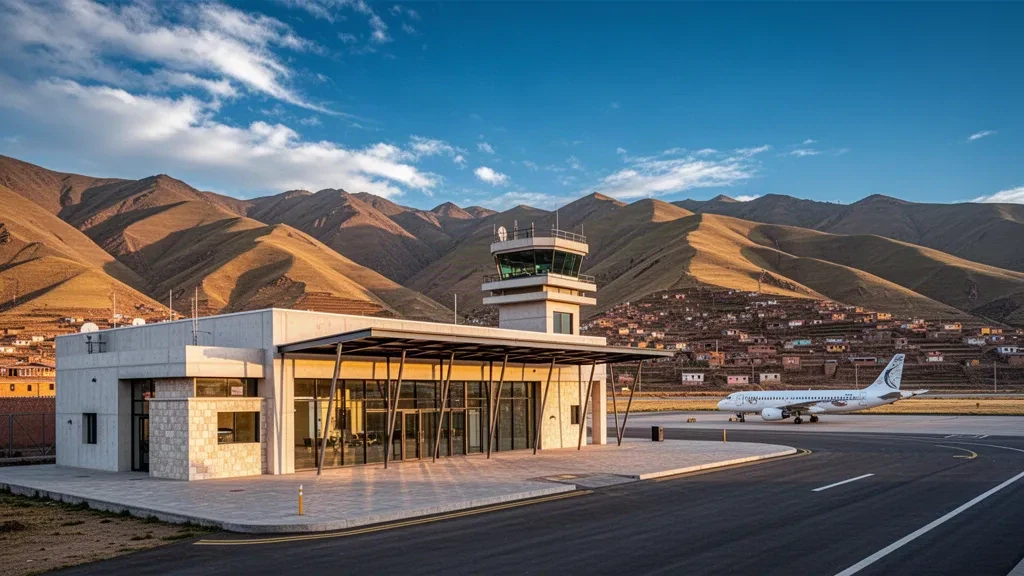
Travel between Francisco Carle Airport in Jauja, or Lima's Jorge Chávez International Airport, and Junín, hotels, the lake and surrounding towns.
Hourly Chauffeur
Book a private driver by the hour for sightseeing around Lake Junín, visits to the Chacamarca battlefield and flexible travel across the central highlands.
Car Rental
Rent a car for independent travel through the Junín Region and convenient trips between Junín, Tarma, Huancayo and nearby highland destinations.
Bus & Group Transfers
Arrange minibuses or charter buses for groups travelling to the Junín National Reserve, historic sites, events and regional transfers.
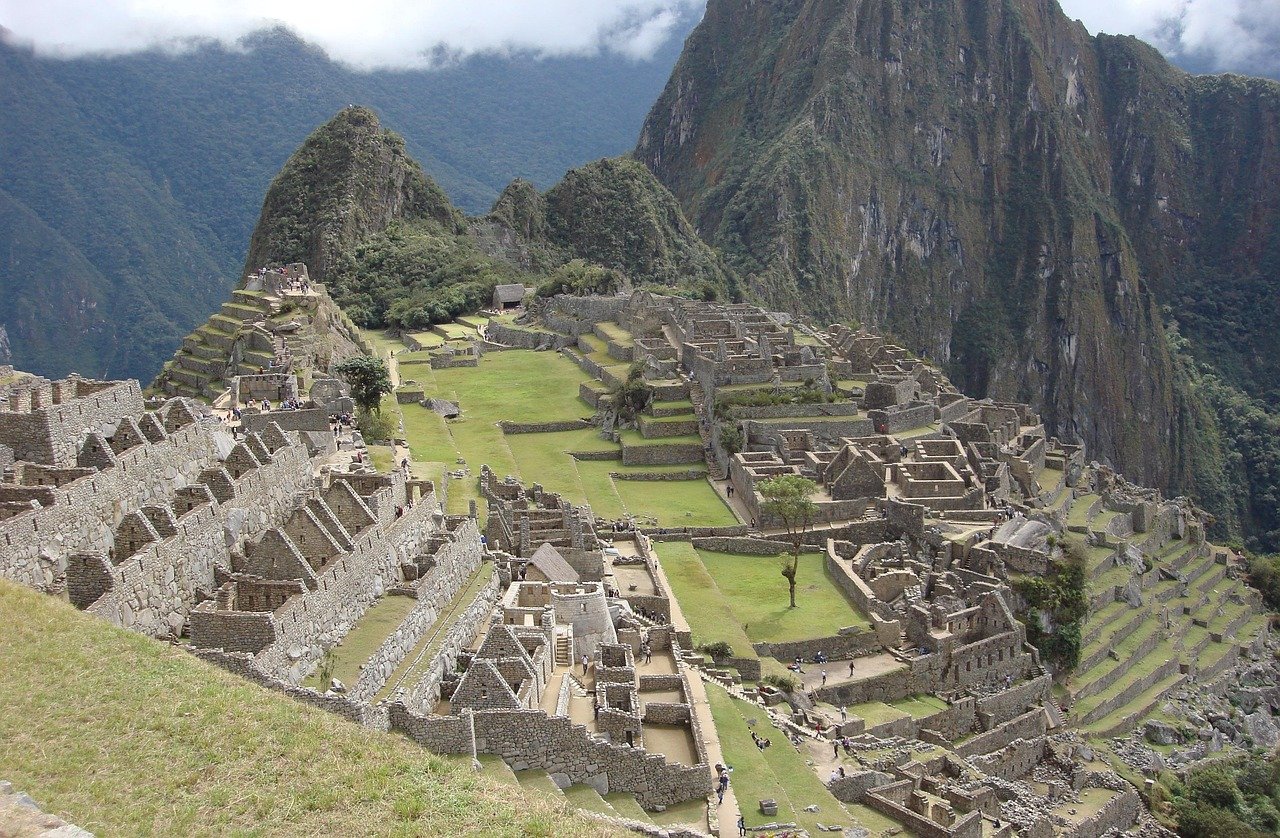
Airports in Junín
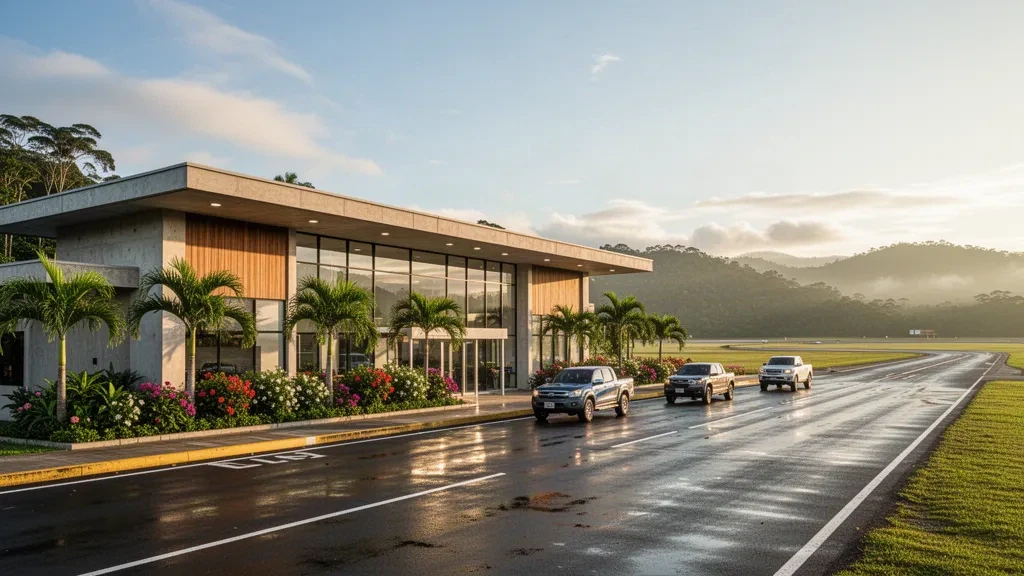
Frequently Asked Questions
Related Cities in Peru
View all
Pucallpa
Pucallpa, the capital of Peru's Ucayali region, is a bustling Amazonian city known as a gateway to the rainforest, with a lively port, markets and access to nearby natural wonders.
Tumbes
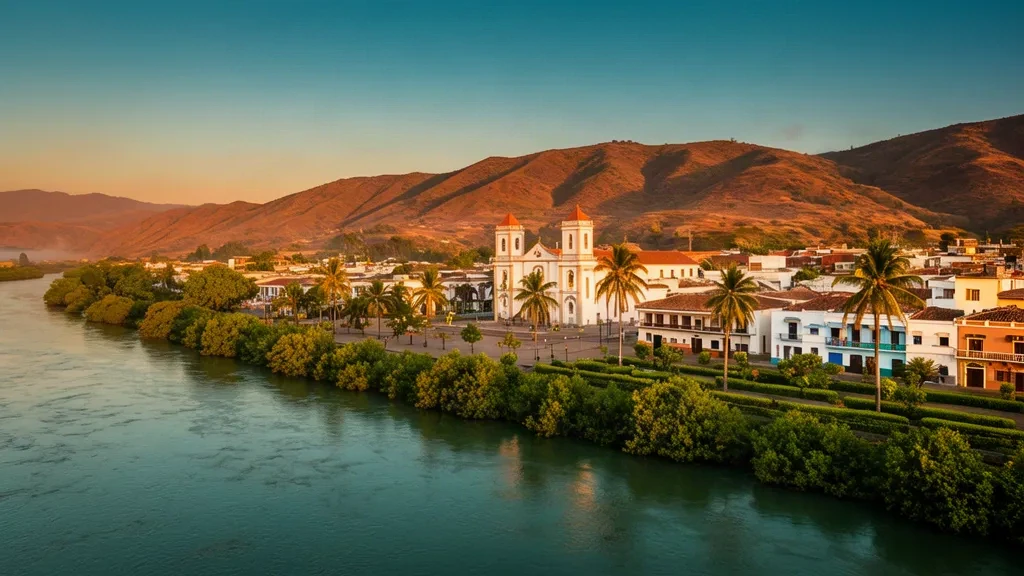
Tumbes, a tropical coastal city in northwestern Peru, pairs Pacific beaches and mangrove wetlands with a warm borderland culture and a relaxed plaza-centered pace. Its history and proximity to Ecuador give the city a distinct character.
Tacna
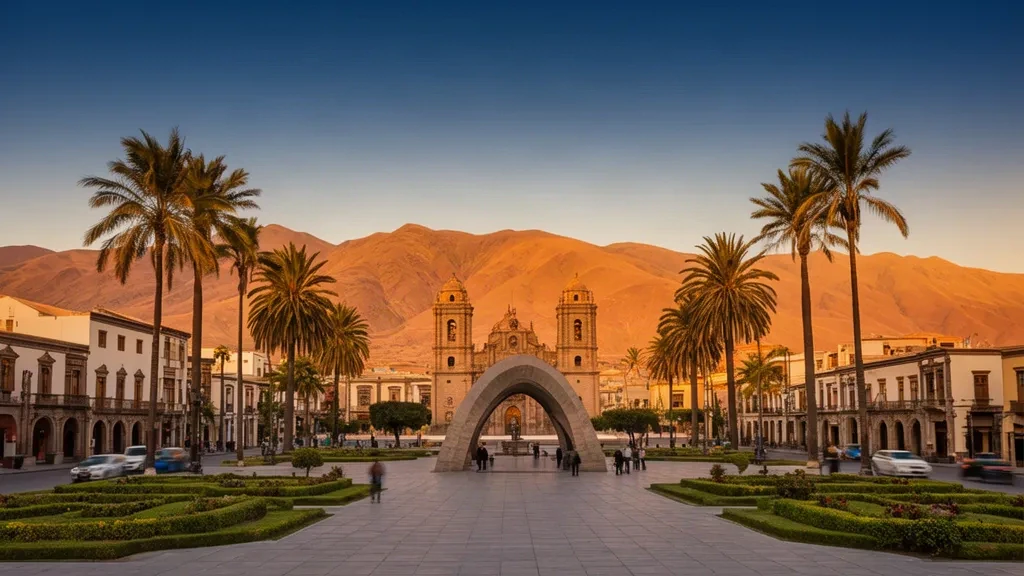
Tacna, known as Peru's Heroic City, blends desert landscapes and Pacific beaches with a proud civic history, colonial-era architecture and a lively market and food scene.