Ngöbe-Buglé Comarca
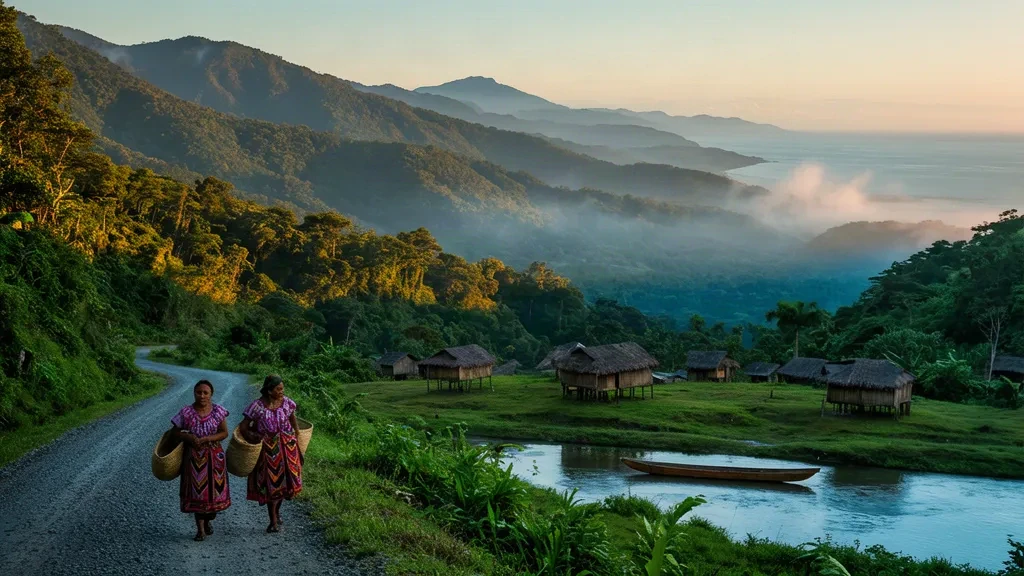
Ngöbe-Buglé Comarca is an indigenous territory in western Panama, where long-standing Ngöbe and Buglé traditions meet rugged highlands, remote villages and a distinctive cultural landscape.
Passengers
Luggage
About Ngöbe-Buglé Comarca
Ngäbe-Buglé Comarca is a mountainous indigenous territory in western Panama, formed in 1997 from parts of Bocas del Toro, Chiriquí and Veraguas provinces. Its capital, Büäbti (also called Llano Tugrí), sits in the Müna district, and the comarca is divided into three sub-regions, nine districts and dozens of corregimientos.
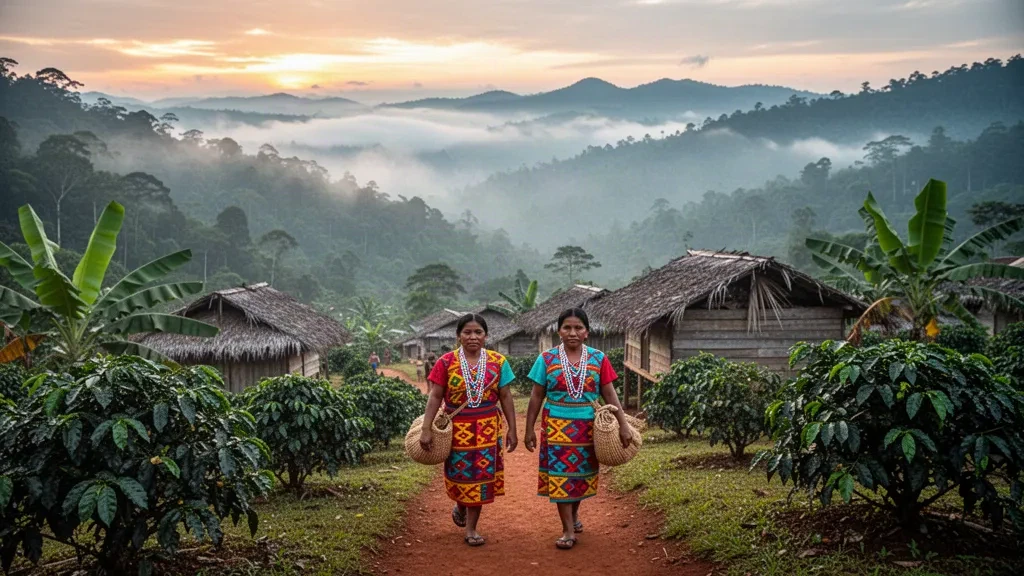
The region is home to the Ngäbe and Buglé peoples, two related but linguistically distinct groups who speak Ngäbere and Buglere, with Spanish used as a second language. Together they form the largest indigenous population in Panama, and daily life is closely tied to subsistence farming of corn, rice, beans, bananas and coffee on steep, rocky slopes.
Traditional culture remains visible in woven chácara bags, hand-embroidered nagua dresses and local markets where artisans sell their work. The landscape ranges from Caribbean rainforest with no true dry season to drier Pacific slopes, with rivers and streams used for washing and drinking.
Access is limited: few year-round roads enter the comarca, and much travel is done on foot or horseback. The main route begins near San Félix on the Pan-American Highway and climbs toward Büäbti, while the nearby Cerro Colorado copper deposit ranks among the world's largest, making mining a sensitive local issue.
For travelers, the comarca offers a rare look at living indigenous traditions and remote highland scenery, usually reached through the gateway cities of David, Santiago or Bocas del Toro. It suits culturally focused and adventurous visitors more than mainstream leisure tourism, and business interest centres mainly on agriculture, mining and development work.
Ngöbe-Buglé Comarca Travel Guide
Best Time to Visit
The driest period runs roughly from December to April on the Pacific side, making it the most practical time for travel on unpaved access roads. The Caribbean slope stays wet most of the year, and the rainy season can leave many interior tracks muddy and difficult.
How to Get Around
Road access inside the comarca is limited, so visitors typically arrive by 4x4 from San Félix on the Pan-American Highway and continue on foot or horseback. A local guide or private driver is helpful for reaching communities such as Büäbti.
Where to Stay
Formal lodging is scarce within the comarca; options are mostly small guesthouses and community homestays near Büäbti and along main access routes. Travelers seeking full-service hotels usually base themselves in David, Santiago or Bocas del Toro and make day trips.
Food & Drink
Meals centre on corn, rice, beans, plantains, bananas and locally grown coffee, often complemented by chicha, a fermented corn drink. Small local markets and family-run eateries offer simple, fresh dishes rather than a developed restaurant scene.
Ground Transportation Services in Ngöbe-Buglé Comarca
Airport Transfers
Arrange transfers from Enrique Malek International Airport in David to San Félix and other gateway points leading into the Ngäbe-Buglé Comarca.
Hourly Chauffeur
Book a private 4x4 driver by the hour for flexible travel to Büäbti, nearby communities and viewpoints across the comarca.
Car Rental
Rent a 4x4 vehicle in David for independent travel along the comarca's unpaved access roads and connecting routes to the Pan-American Highway.
Bus & Group Transfers
Arrange minibuses or charter buses for groups traveling from David, Santiago or Bocas del Toro to comarca gateways, community visits and cultural events.
Frequently Asked Questions
Related Cities in Panama
View all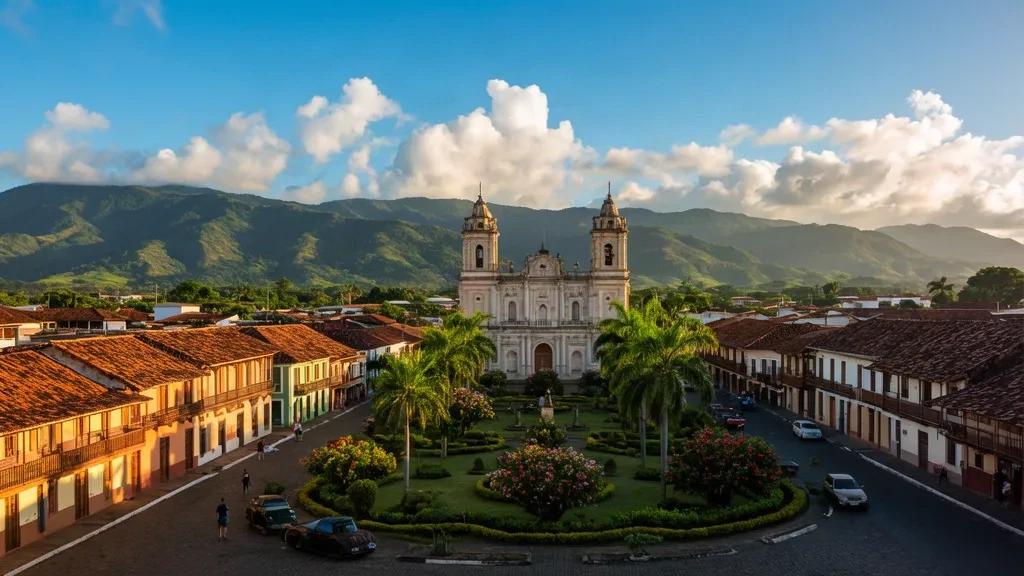
Santiago de Veraguas
Santiago de Veraguas, the capital of Panama's Veraguas Province, pairs colonial history with a bustling commercial center and easy access to beaches, mountains and the Pacific coast.
Panamá Oeste
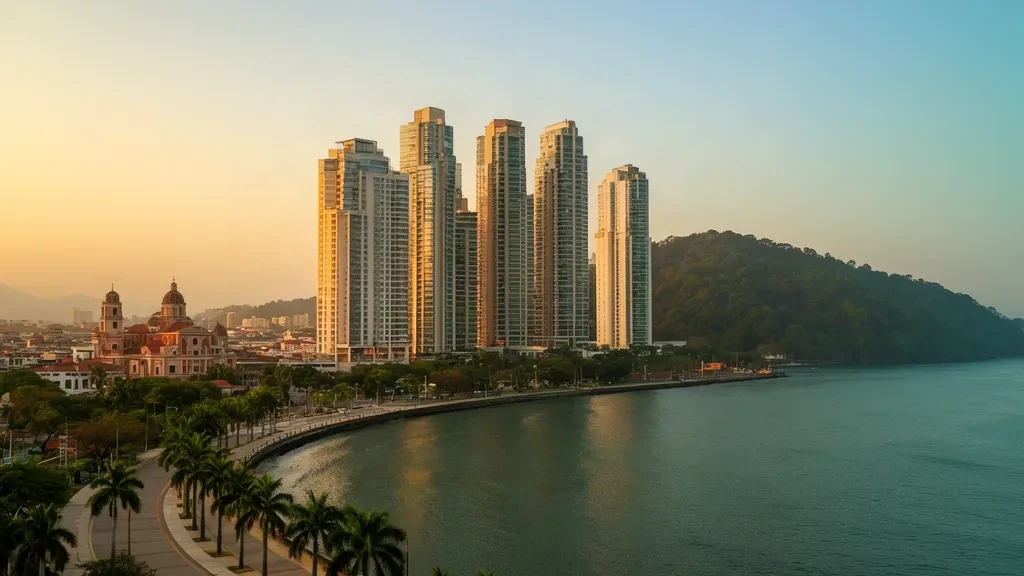
Panamá Oeste, west of Panama City, pairs Pacific beaches and green highlands with a fast-growing suburban landscape.
Panama City
Panama City, Panama's cosmopolitan capital, pairs a historic old town with a modern skyline, diverse neighbourhoods and easy access to the Panama Canal.
Airports in Panama
View all airports in the country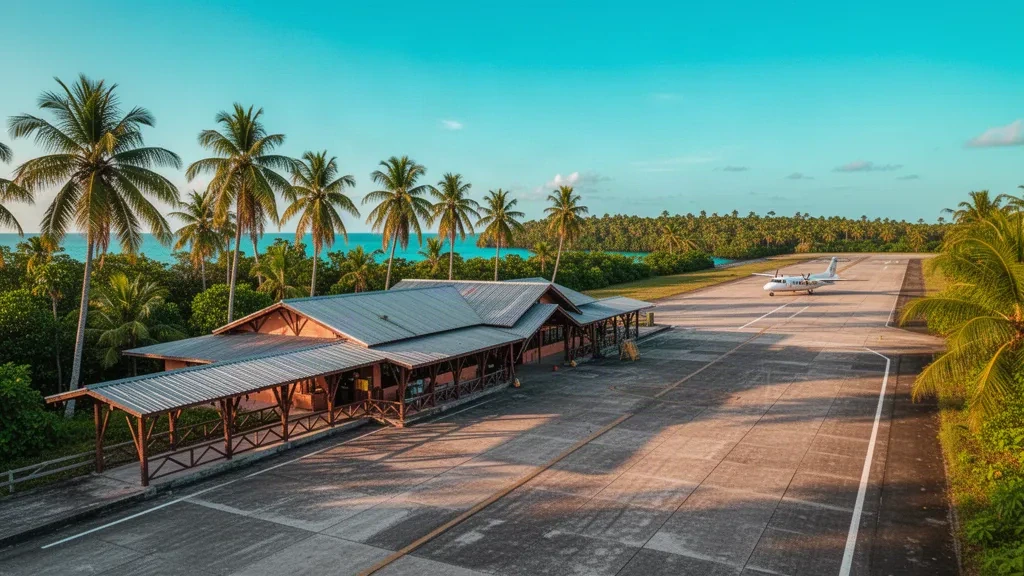
Bocas del Toro Isla Colón International Airport (BOC)
Bocas del Toro Isla Colón International Airport serves the town of Bocas del Toro on Isla Colón and is the main air gateway to the Bocas del Toro archipelago. From here, travelers can reach Bocas Town and continue by water taxi to nearby islands such as Isla Carenero, Isla Bastimentos, and Isla Solarte.
Panamá Pacífico International Airport (BLB)
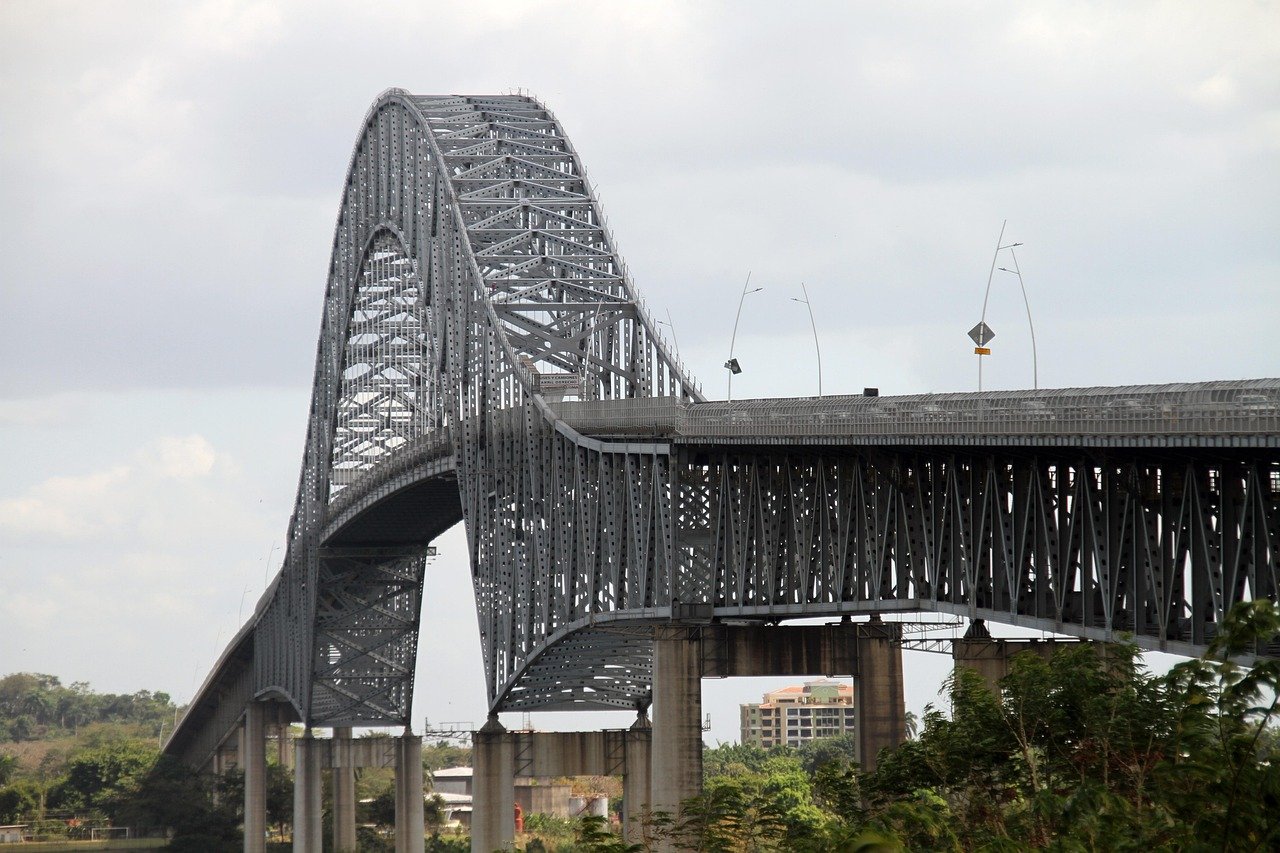
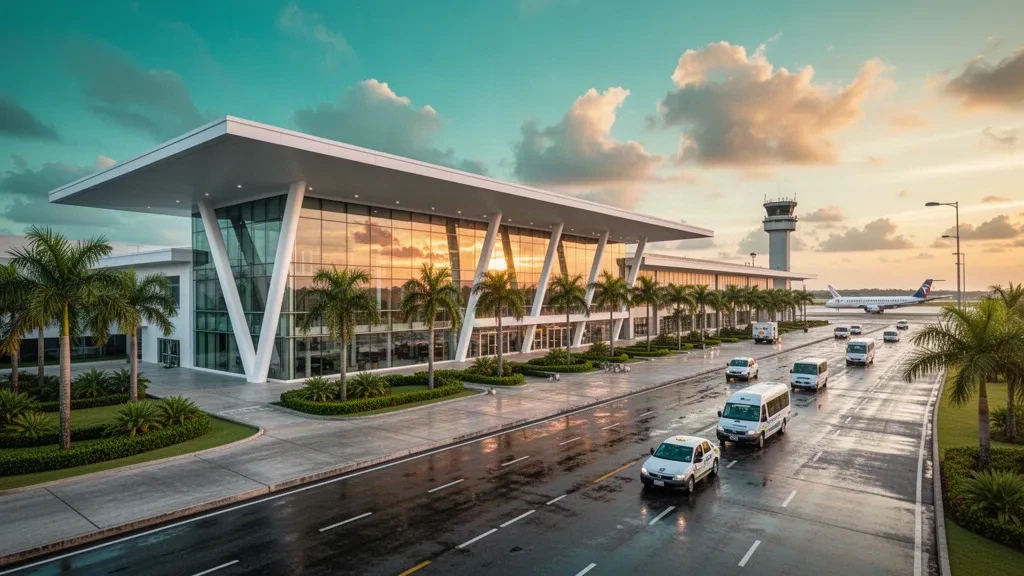
Panamá Pacífico International Airport is a compact gateway to Panama City and the Pacific side of the Panama Canal, located southwest of the capital in the Panamá Pacífico area. It mainly serves low-cost and regional flights, with onward connections by road across the Bridge of the Americas to the city centre, Balboa, Amador, and nearby coastal areas.
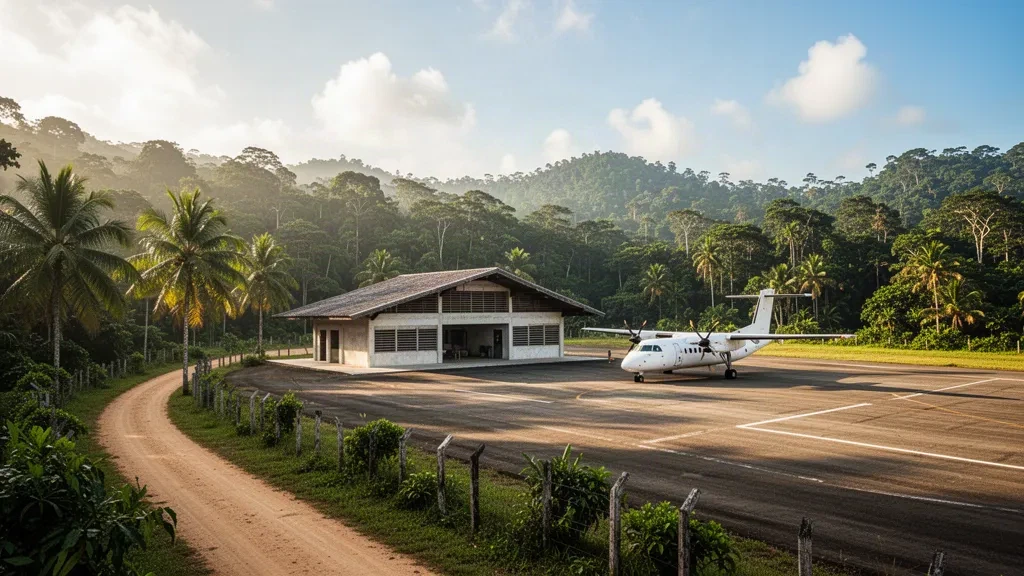
Bahía Piña Airport (BFQ)
Bahía Piña Airport is a small airstrip serving Puerto Piña and the Pacific coast of Panama's Darién Province. Most travellers use it to reach sport-fishing lodges around Piñas Bay, with onward boat connections to nearby lodges.
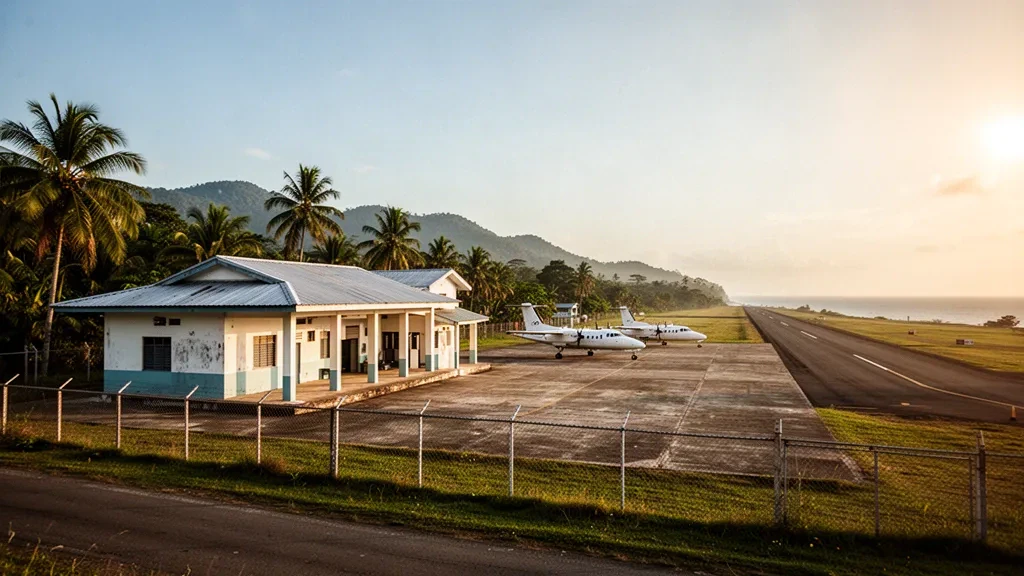
Puerto Armuelles Airport (AML)
Puerto Armuelles Airport (AML) serves the coastal town of Puerto Armuelles and the surrounding Barú district in Panama's western Chiriquí Province. From the airport, travelers can arrange local taxis or private transfers to the town center, Pacific beaches and nearby areas, with road connections continuing toward David and the Costa Rica border.