
Tarawa
Tarawa, the capital of Kiribati, is a chain of islets and causeways in the Pacific. It draws visitors with its wartime history, turquoise lagoon and unhurried island life.
Passengers
Luggage
About Line
Kiritimati, also known as Christmas Island, is the main populated atoll in Kiribati's Line Islands and the largest coral atoll in the world by land area. Its main villages are Tabwakea, London, Banana and Poland, and the island sits in the UTC+14 time zone, making it one of the first inhabited places on Earth to begin each new day.
The island was named by James Cook when he arrived on Christmas Eve in 1777, and later saw guano mining, coconut plantations and British nuclear testing in the 1950s and 1960s. Today Kiritimati is better known as a vast wildlife sanctuary and a quiet, remote Pacific destination.
Much of the atoll is protected as the Kiritimati Wildlife Sanctuary, home to large seabird colonies including sooty terns and frigatebirds. Visitors come for birdwatching, the enormous lagoon, world-class bonefishing and fly fishing, and long, empty beaches far from mainstream tourism.
Daily life centres on fishing, copra, salt production and a small number of guesthouses, while Cassidy International Airport connects the island mainly through weekly flights from Tarawa and occasional charter services. Travellers should plan around limited flights, simple accommodation and basic services.
Kiritimati appeals to anglers, nature enthusiasts and independent travellers seeking a genuinely remote Pacific experience, while business travel is mostly linked to fisheries, conservation and infrastructure work.

Line Travel Guide
Best Time to Visit
Kiritimati is warm throughout the year and relatively dry outside El Niño periods, with the lightest rainfall typically later in the year. Anglers often plan around tides and fishing seasons, and all visitors should confirm flight and accommodation availability before booking.
How to Get Around
There is very little public transport on Kiritimati, so most visitors use rental cars, 4x4 vehicles, bicycles or motorbikes arranged through guesthouses. Roads are mostly unpaved and villages are spread out, so advance planning is useful.
Where to Stay
Accommodation is concentrated in small guesthouses and lodges around London, Tabwakea and Banana. Options are limited and fairly simple, so booking ahead is important, especially for fishing trips and airport transfers.
Food & Drink
Meals on Kiritimati are often based on fresh fish, coconut, rice and imported staples, with many guesthouses providing food for their guests. A few small shops and eateries operate in the villages, and supplies can be limited on the remote atoll.
Ground Transportation Services in Line
Airport Transfers
Arrange transport between Cassidy International Airport and guesthouses or lodges in Banana, London and Tabwakea on Kiritimati.
Hourly Chauffeur
Book a private driver by the hour for fishing trips, birdwatching, sightseeing and travel between the island's scattered villages.
Car Rental
Rent a car or 4x4 on Kiritimati for independent travel along the atoll's unpaved roads and access to remote fishing and birdwatching areas.
Bus & Group Transfers
Arrange vehicles for groups, fishing parties, events and airport pickups on Kiritimati, where public transport options are very limited.

Frequently Asked Questions
Related Cities in Kiribati
View all
Phoenix
Phoenix, within Kiribati's remote Phoenix Islands, is known for coral atolls, clear lagoons and a tranquil Pacific atmosphere.

Gilbert
Gilbert is a peaceful island city in Kiribati, part of the Gilbert Islands, with a strong sense of community, traditional culture and a slow-paced Pacific lifestyle.
Airports in Kiribati
View all airports in the country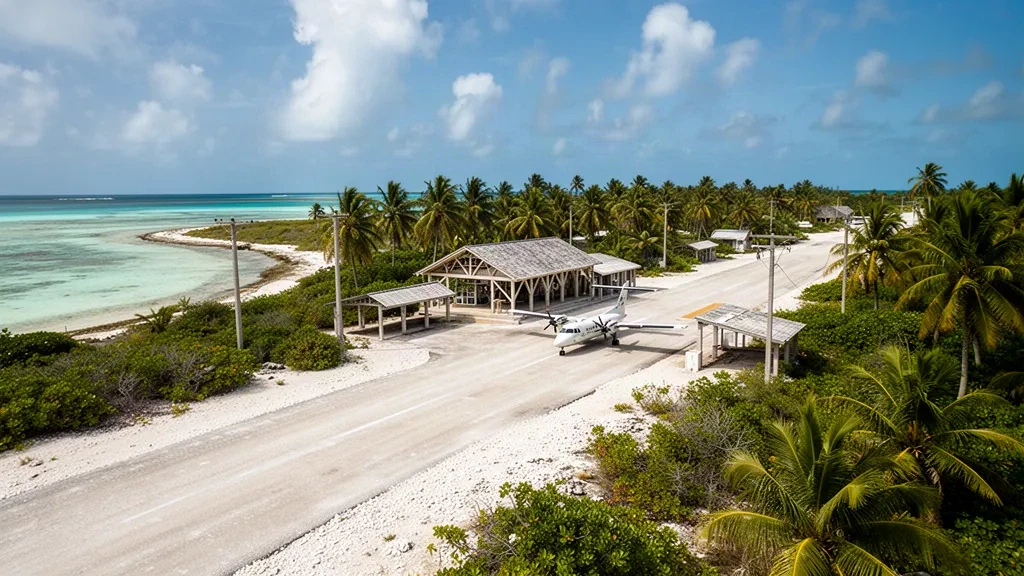
Beru Airport (BEZ)
Beru Airport (BEZ) is a small domestic airfield on Beru Island in Kiribati's southern Gilbert Islands, linking the atoll with the capital, Tarawa. Compare Air Kiribati flights and short village transfers from nearby Teteirio and Rongorongo.
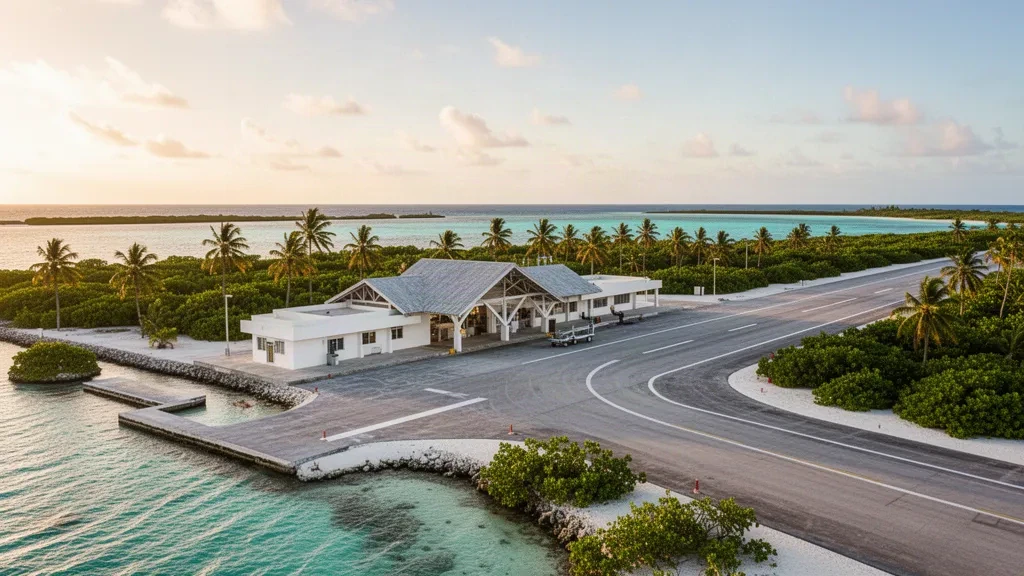
Butaritari Airport (BBG)
Butaritari Airport (BBG) is a small gateway to Butaritari Atoll in the Gilbert Islands, connecting the atoll with South Tarawa and other islands in Kiribati. Compare transfer options to Butaritari village, Tanimaiaki, Keuea and nearby guesthouses, and plan your island journey with ease.
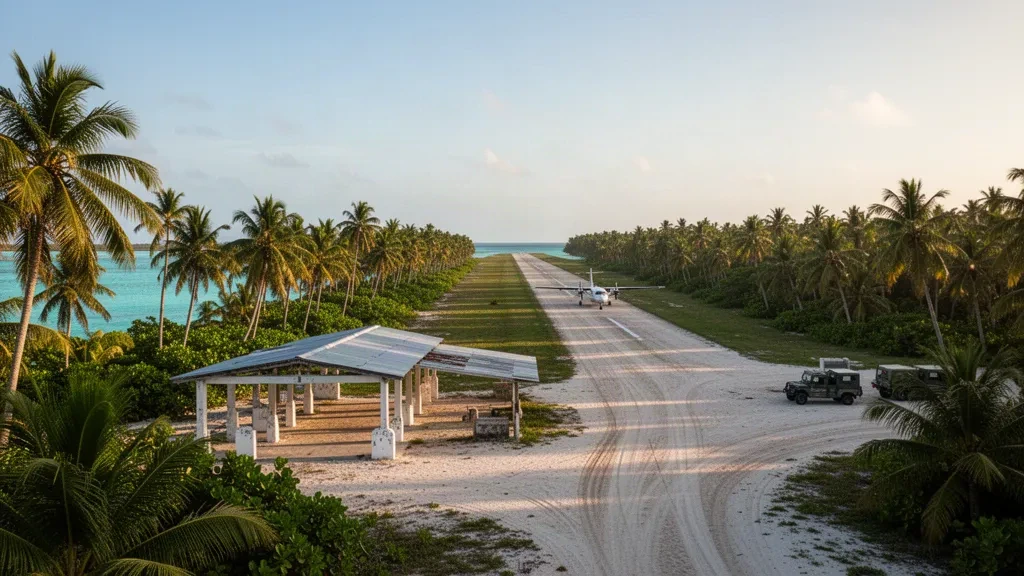
Arorae Island Airport (AIS)
Arorae Island Airport is a small domestic gateway serving Arorae, the southernmost island in Kiribati's Gilbert Islands. It links the villages of Tamaroa and Roreti to the rest of the country through Air Kiribati flights, mainly via Tabiteuea North.

Abemama Airport (AEA)
Abemama Airport is the air gateway to Abemama Atoll in the Gilbert Islands, connecting travelers with domestic flights from South Tarawa. From the airport, compare transfer options to nearby villages such as Tabiang and Kariatebike, and plan onward travel across the atoll with ease.