Potaro-Siparuni
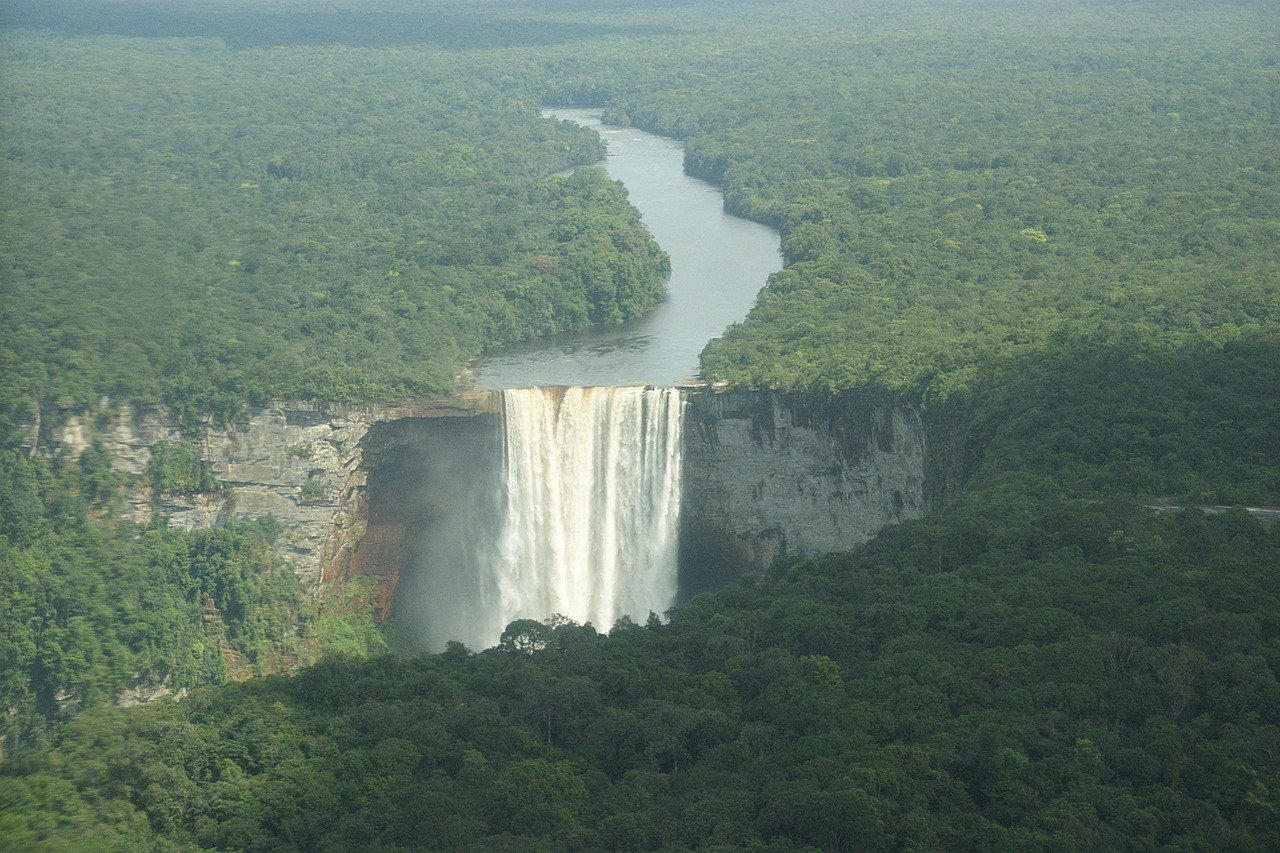
Potaro-Siparuni is a rugged interior region of Guyana, home to Kaieteur Falls, sweeping savannahs and Amerindian communities around Mahdia.
Passengers
Luggage
About Potaro-Siparuni
Potaro-Siparuni is Guyana's eighth administrative region, a thinly populated interior landscape of rainforest, rivers and mining settlements centred on the small town of Mahdia. The region is known as a gold and diamond heartland and as the gateway to Kaieteur Falls, one of the world's most powerful single-drop waterfalls.
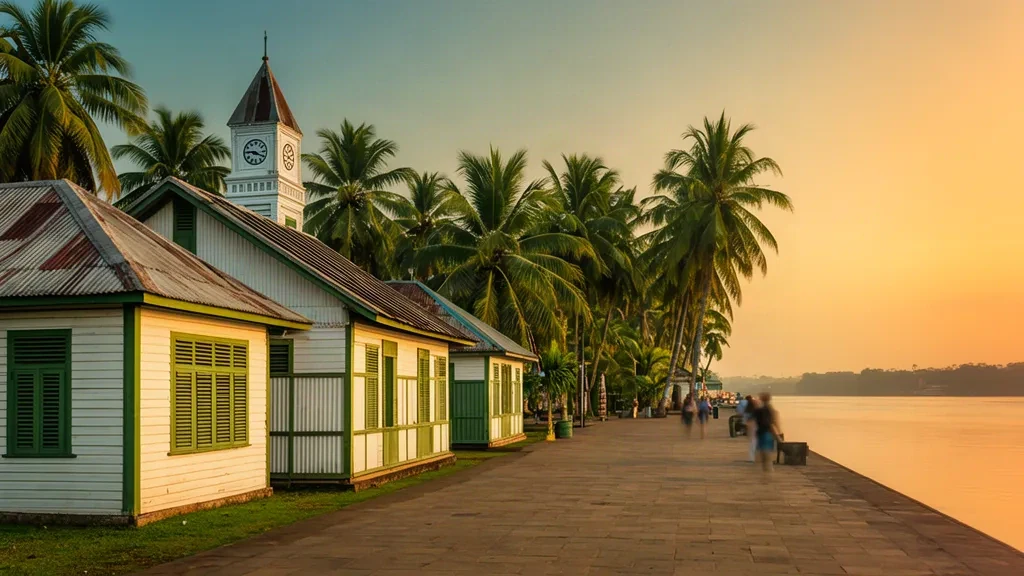
Mahdia was founded in 1884 by formerly enslaved Africans from Berbice and the East Coast of Demerara who travelled inland in search of gold. The British Consolidated Mining Company later expanded operations and opened colonial offices, and Saint Lucian miners brought French Patois and La Rose traditions that still colour local culture. The cable-suspended Denham Bridge, built in 1933 over the Garraway Stream, remains in use and is a recognised heritage landmark.
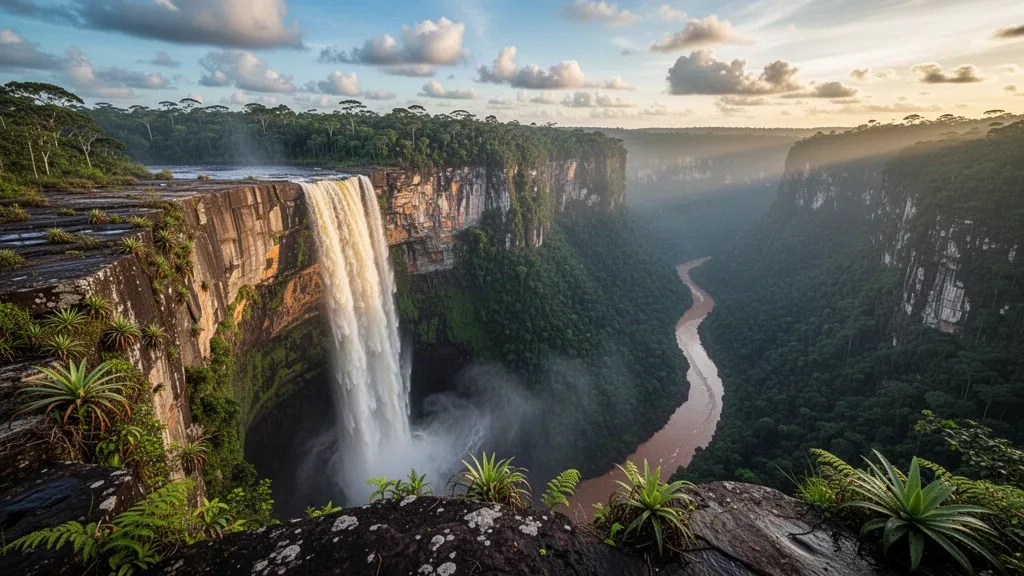
Kaieteur National Park is the region's defining attraction, where the Potaro River plunges 226 metres over a sandstone cliff in a single fall amid intact rainforest. Around Mahdia, visitors find a compact town with schools, a hospital, a market, restaurants, shops and guesthouses, alongside indigenous Patamona communities and active mining areas.
Gold and diamond mining remains the economic backbone, supported by small-scale agriculture, while the town comes alive after dark with bars, grills and street food vendors. Its remoteness, rough roads and small airstrip make it a destination for adventurous travellers and ecotourism rather than mass tourism.
For leisure visitors, Potaro-Siparuni offers one of South America's most dramatic natural spectacles and an authentic view of Guyana's interior. For business travellers, it is linked to mining, logistics and regional administration, with Mahdia serving as the practical service hub.
Potaro-Siparuni Travel Guide
Best Time to Visit
The drier months, roughly February to April and September to November, are the most reliable for overland travel and trips to Kaieteur Falls. Wet-season rains can make interior roads muddy and affect small aircraft flights.
How to Get Around
Mahdia is small enough to explore on foot, with taxis and motorbikes available for short trips. Most visitors arrive by domestic flight from Georgetown to Mahdia Airport or by four-wheel-drive along the rough Linden-Mabura road, then use 4x4s or river boats for surrounding areas.
Where to Stay
Accommodation is concentrated in Mahdia, where small hotels, guesthouses and lodges serve miners and travellers. Options are simple and limited, so it is wise to book ahead before Kaieteur Falls excursions.
Food & Drink
Mahdia serves Guyanese home-style cooking such as pepperpot, cook-up rice, cassava dishes and fresh river fish in local restaurants and snackettes. Evening bars and food vendors fire up grills, giving the town a lively after-dark scene.
Ground Transportation Services in Potaro-Siparuni
Airport Transfers
Travel between Mahdia Airport (MHA) and hotels, guesthouses and the town centre, including meet-and-greet for domestic flights arriving from Georgetown.
Hourly Chauffeur
Book a private driver with a four-wheel-drive vehicle by the hour for town trips, mining-area visits, administrative errands and local sightseeing around Mahdia.
Car Rental
Rent a four-wheel-drive vehicle for independent travel across Potaro-Siparuni's rough interior roads and journeys toward Linden or trek staging points.
Bus & Group Transfers
Arrange minibuses or 4x4 convoys for group travel, tours, mining crews and transfers between Mahdia, the airstrip and Kaieteur Falls trek routes.
Frequently Asked Questions
Related Cities in Guyana
View all
Lethem
Lethem, the principal town of Guyana's Upper Takutu-Upper Essequibo region, lies on the Takutu River and offers a frontier blend of Guyanese and Brazilian cultures amid the Rupununi savannah.

Linden
Linden, Guyana's second-largest town and the capital of Upper Demerara-Berbice, grew around its bauxite-mining heritage along the Demerara River. Its industrial past and riverside setting give it a distinct character within the country's interior.

Pomeroon-Supenaam
Pomeroon-Supenaam stretches along Guyana's north-western coast, where river communities, rice and coconut farms, and small market towns shape a quiet, rural way of life.
Airports in Guyana
View all airports in the country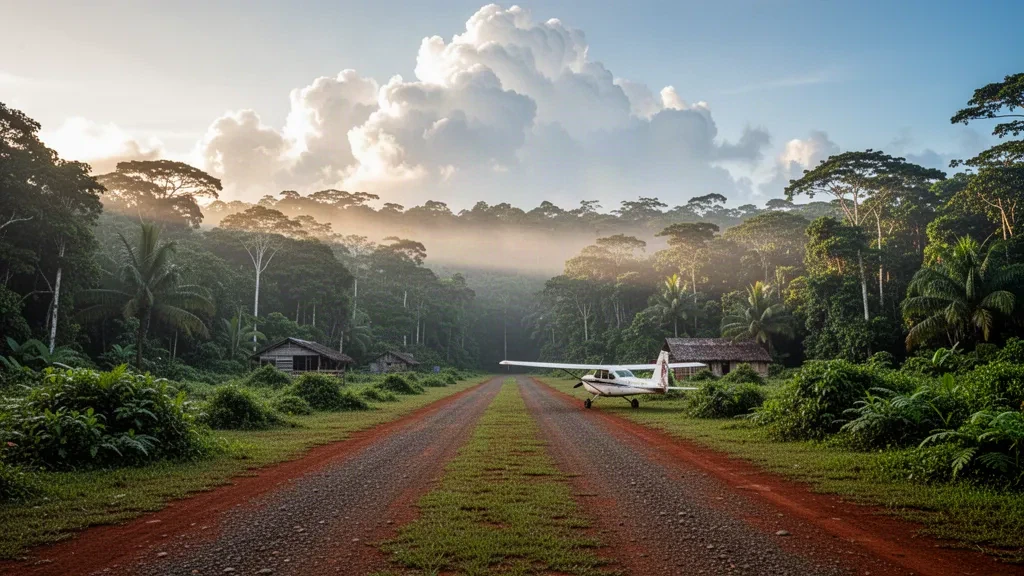
Baramita Airport (BMJ)
Baramita Airport is a small domestic airstrip serving the Amerindian village of Baramita in Guyana's Barima-Waini Region. It connects the remote northwestern community by air with Georgetown and other settlements in the interior.
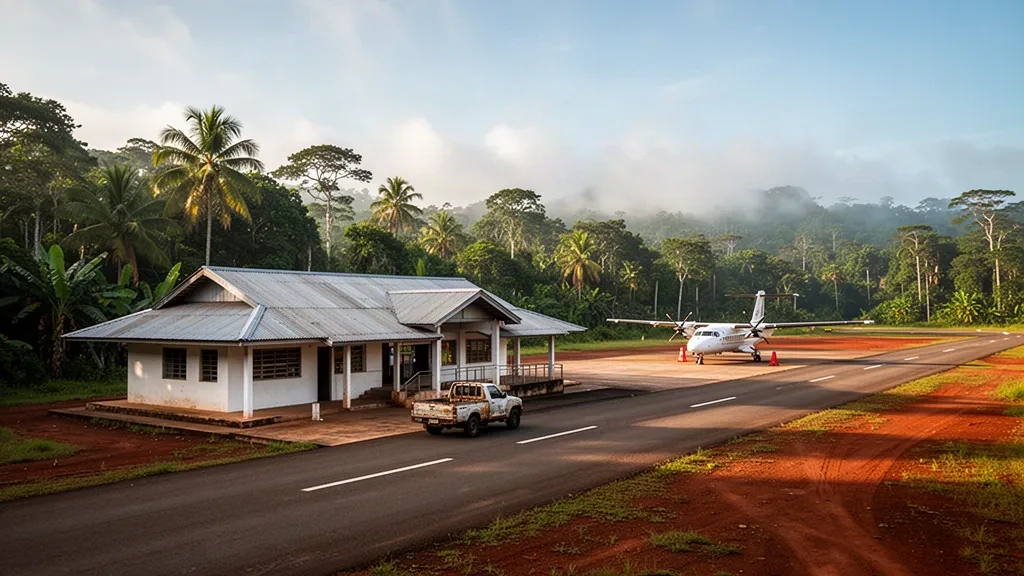
Bemichi Airport (BCG)
Bemichi Airport serves Kumaka and the wider Barima-Waini region of northern Guyana. From this small domestic airfield, travelers can continue to Georgetown by air or arrange local road, 4x4 and boat connections to nearby villages, eco-lodges and the Shell Beach turtle-nesting area.
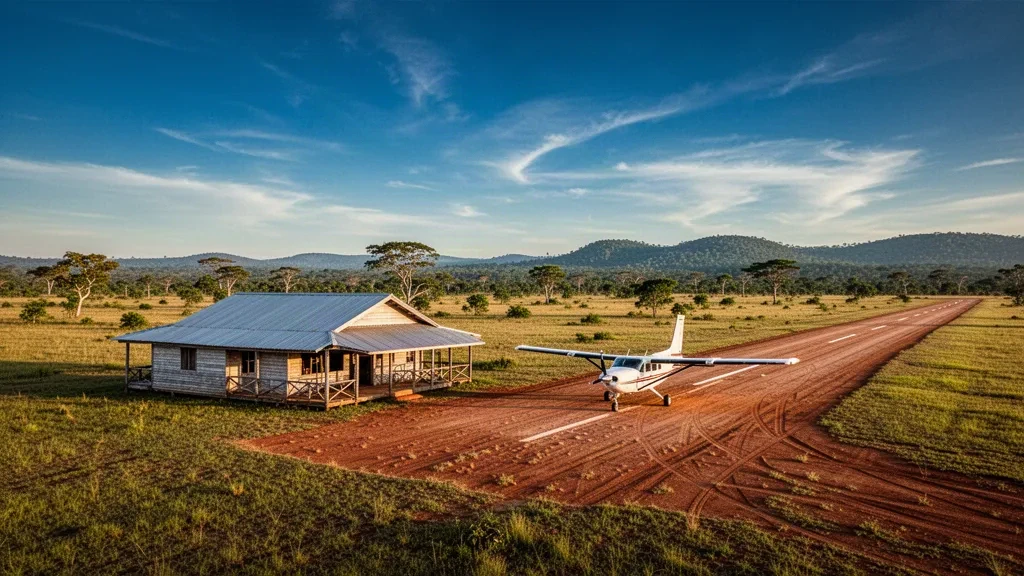
Aishalton Airport (AHL)
Aishalton Airport is a small domestic gateway to Aishalton village and the South Rupununi savannah in southern Guyana. Compare transfer options to the village, nearby Rupununi communities and onward road connections to Lethem.