Rostock
Rostock, the largest city in Mecklenburg-Vorpommern, combines a Hanseatic port heritage, Gothic brick architecture and a lively Baltic waterfront with a modern university atmosphere.
Passengers
Luggage
About Mecklenburg-Vorpommern
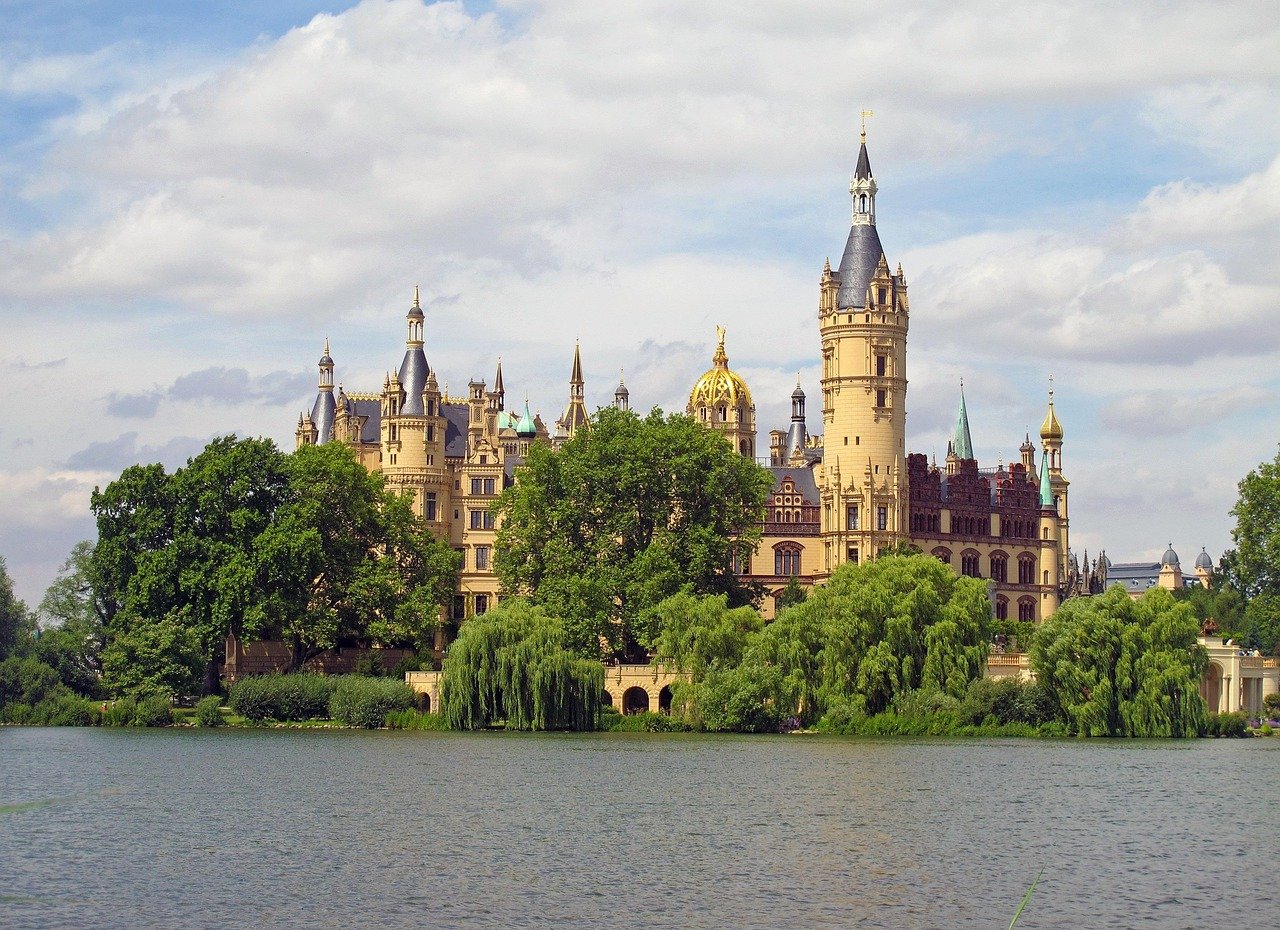
Schwerin is the capital of Mecklenburg-Vorpommern and one of northern Germany's most distinctive small cities, set around Lake Schwerin and a network of inner-city lakes. Its defining landmark, Schwerin Castle, sits on an island and houses the state parliament, forming the heart of the Residence Ensemble Schwerin added to the UNESCO World Heritage List in 2024.
The old town centres on the market square and Schwerin Cathedral, a brick Gothic church, with narrow streets, gabled merchants' houses and the 18th-century Schelfstadt district nearby. The Alter Garten square brings together the Mecklenburg State Theatre, the State Museum and the castle gardens, creating a compact cultural core.
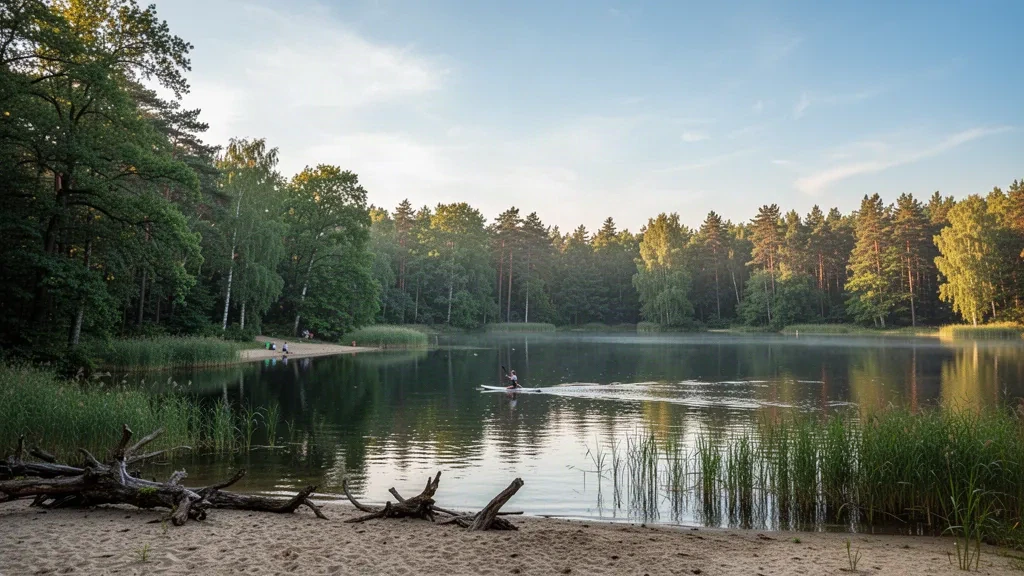
Lakes are central to everyday life in Schwerin. Paths and boat services around Lake Schwerin, the Pfaffenteich and the Ziegelsee connect the centre with green shores, beaches and viewpoints, making it easy to combine sightseeing with outdoor relaxation.
As the state capital, Schwerin supports public administration, healthcare, education and services, with events, markets and a food scene built around regional fish, Mecklenburg specialities and cafés. The city is smaller and calmer than Germany's major hubs, appealing to travellers seeking history and lakeside character without crowds.
Leisure and business visitors alike find Schwerin walkable and well connected: regular trains link it to Hamburg, Rostock and Berlin, while trams and buses make the historic centre and surrounding districts easy to reach.
Mecklenburg-Vorpommern Travel Guide
Best Time to Visit
Schwerin is at its best from late spring to early autumn, when the lakes, castle gardens and outdoor cafés are most enjoyable. Summer brings festivals and boat trips, while December offers a compact Christmas market and a quieter winter atmosphere.
How to Get Around
Schwerin is compact and easy to explore on foot, with trams and buses operated by Nahverkehr Schwerin linking the old town to outer districts. Trains from Schwerin Hauptbahnhof connect to Hamburg, Rostock and Berlin, and taxis or rental cars are useful for lake excursions.
Where to Stay
The Altstadt and Schelfstadt place most sights within walking distance, with hotels and guesthouses near the castle, cathedral and Pfaffenteich. Quieter options are available along the lake shores and in surrounding districts with easy tram access.
Food & Drink
Regional cooking in Schwerin features freshwater fish, game and hearty Mecklenburg dishes, often served in traditional restaurants around the old town. Cafés, bakeries, breweries and seasonal markets add lighter choices, with lake-view terraces popular in summer.
Upcoming Events in Germany
View all events
Ground Transportation Services in Mecklenburg-Vorpommern
Airport Transfers
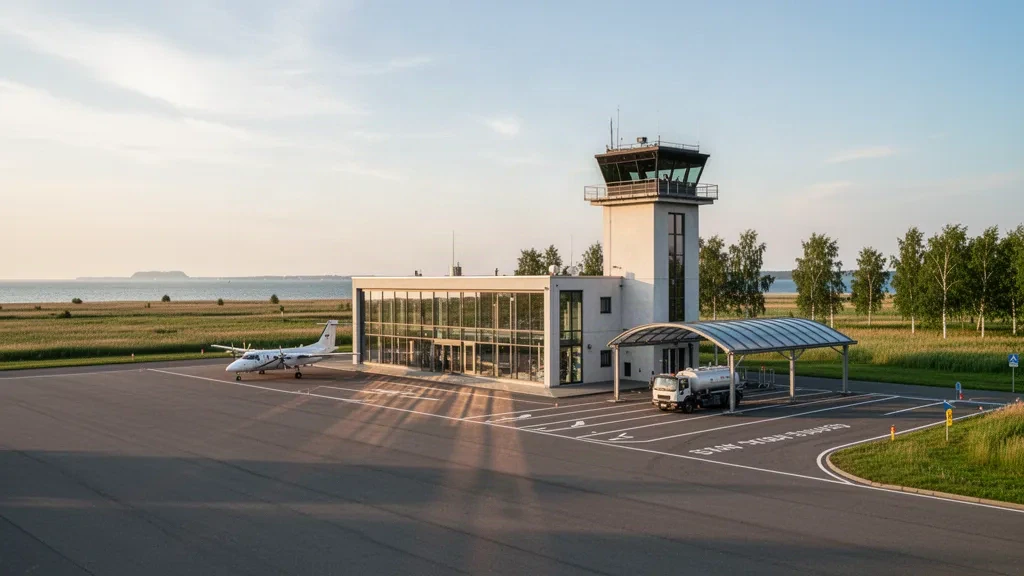
Book a private transfer between Hamburg Airport or Rostock–Laage Airport and Schwerin, including hotels, the old town, business addresses and lakeside destinations.
Hourly Chauffeur
Hire a private chauffeur by the hour for business appointments, castle and lake sightseeing, events or flexible travel around Schwerin and the Mecklenburg lake region.
Car Rental
Rent a car in Schwerin for independent travel around the city, lake excursions and journeys to Hamburg, Rostock, Wismar or the Baltic coast.
Bus & Group Transfers
Arrange minibuses or charter buses for group travel, corporate events, weddings, school trips and transfers between Schwerin, nearby airports and destinations across Mecklenburg-Vorpommern.
Frequently Asked Questions
Related Cities in Germany
View all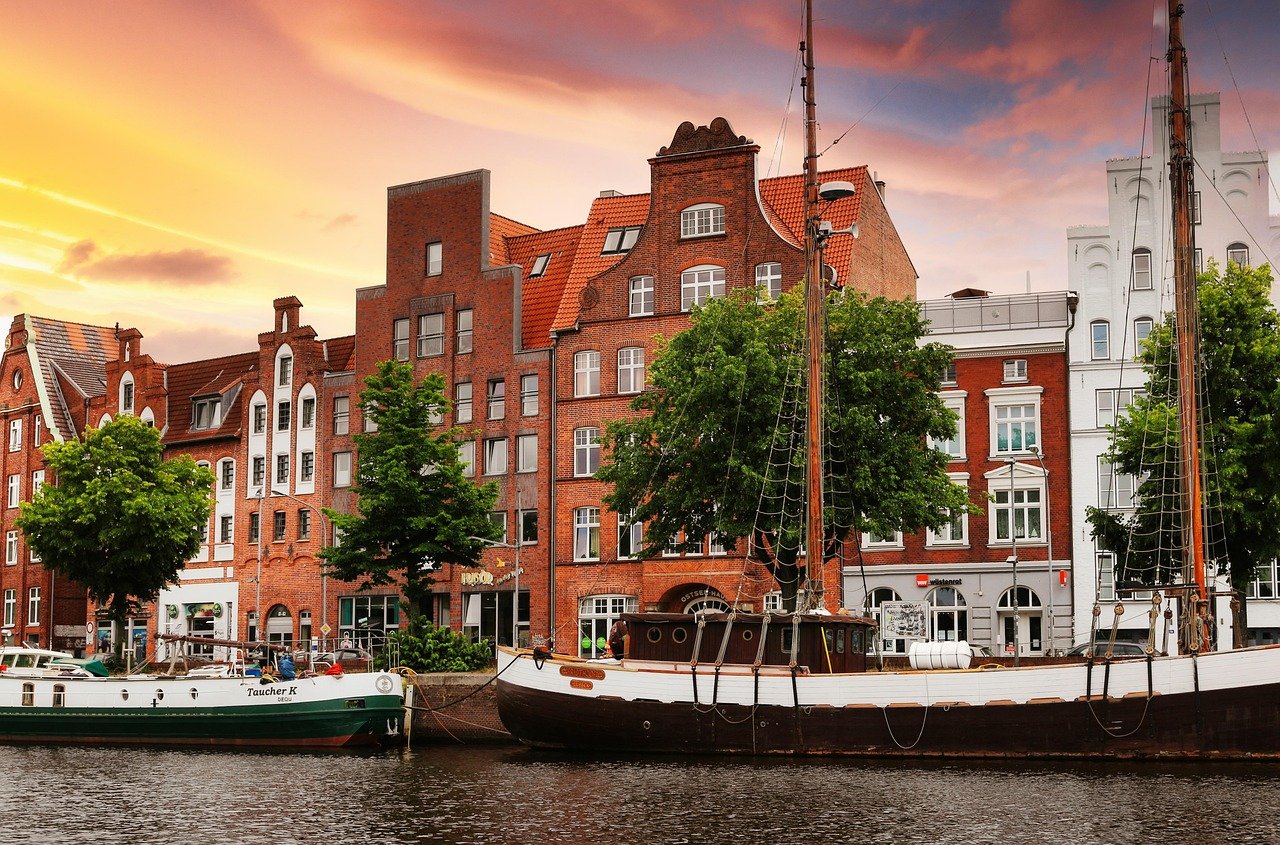
Kiel
Kiel, the Baltic port capital of Schleswig-Holstein, blends maritime history, harbour-side energy and a compact old town with ferries and coastal escapes close at hand.
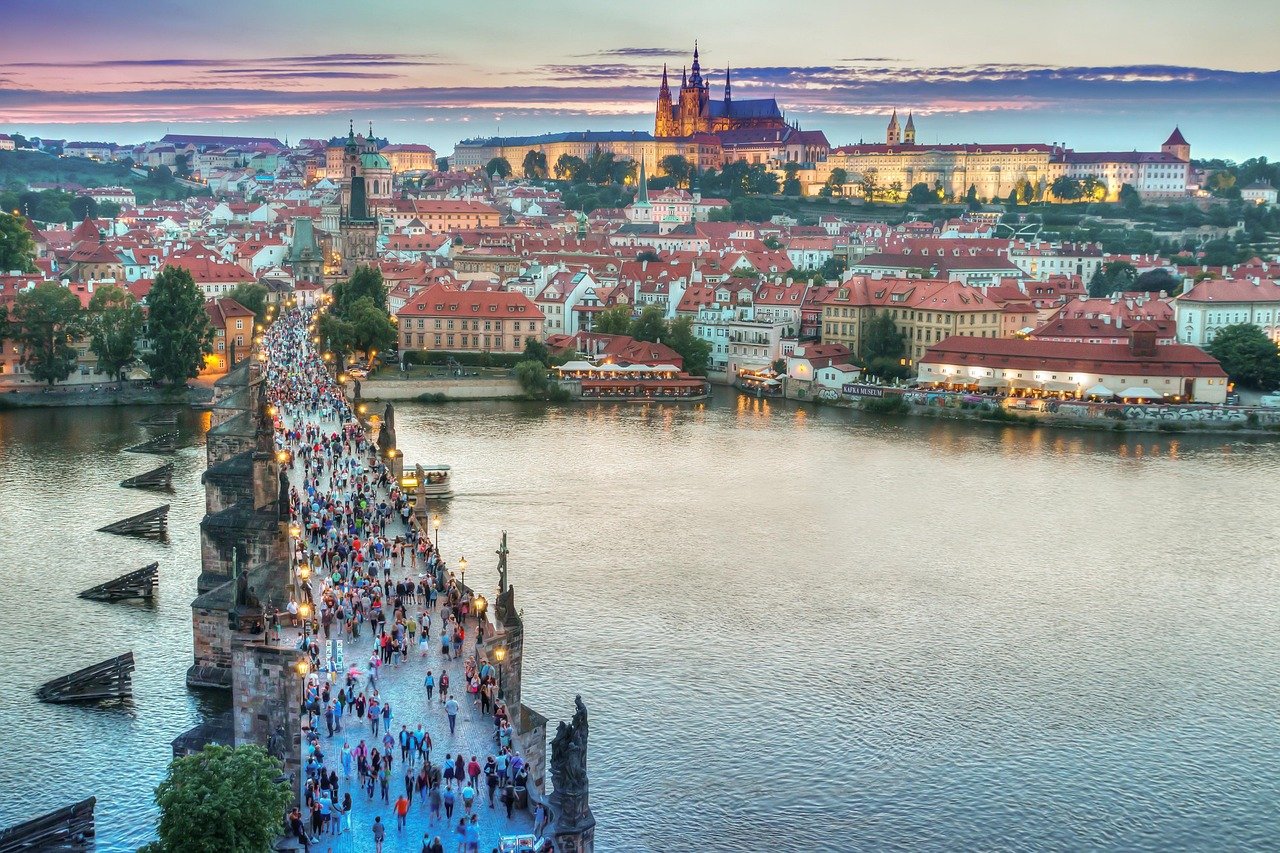
Erfurt
Erfurt, the capital of Thuringia, pairs a medieval old town and the Krämerbrücke with a lively university atmosphere and a striking cathedral square. Its restored squares, riverside paths and long horticultural tradition give the city a welcoming, walkable character.
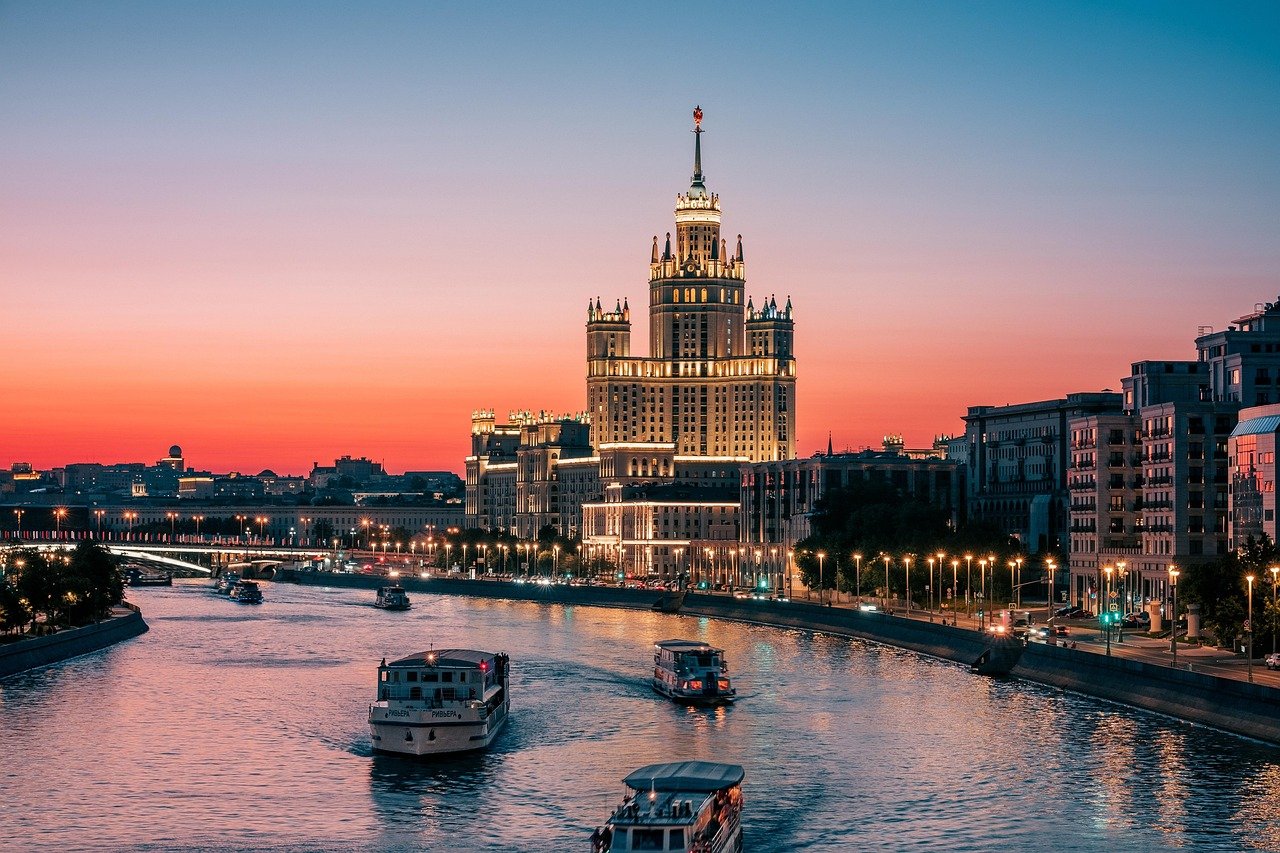
Magdeburg
Magdeburg, the capital of Saxony-Anhalt, pairs medieval heritage and striking modernist architecture with a lively riverside atmosphere along the Elbe.