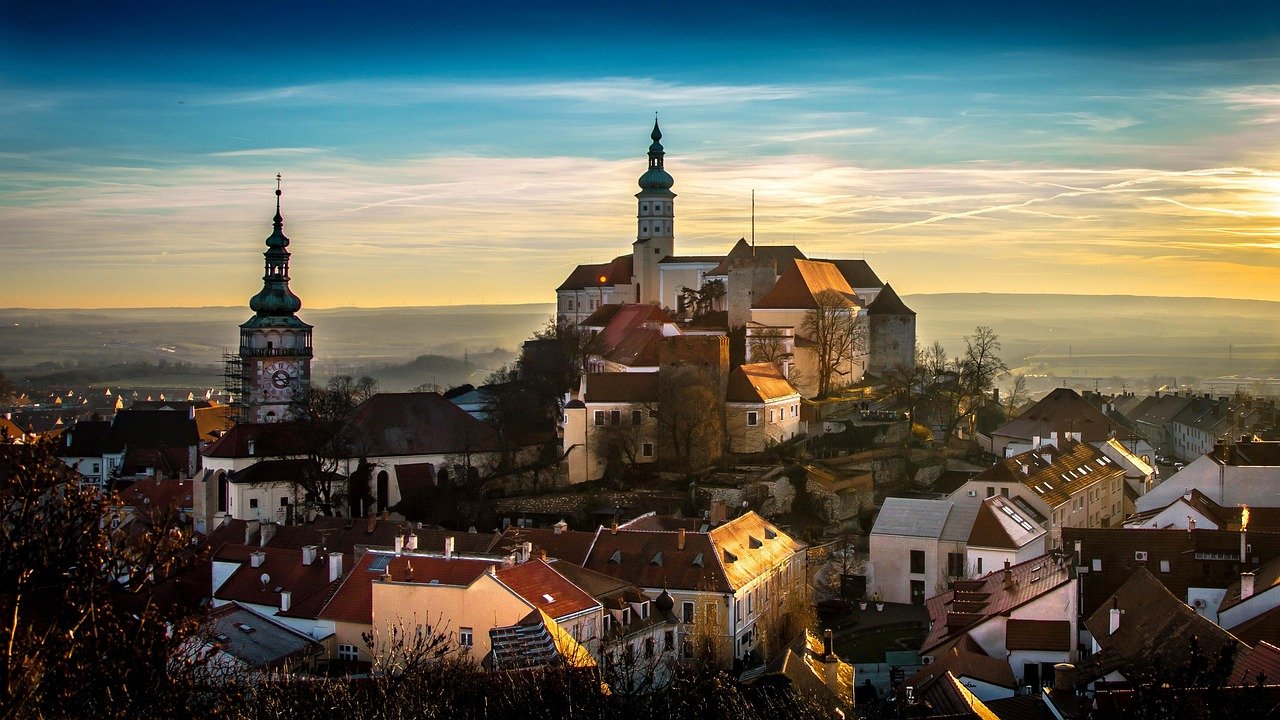
Quito
Quito, Ecuador's high-altitude capital, pairs a UNESCO-listed colonial centre with lively modern districts, Andean views and a thriving business and cultural scene.
Passengers
Luggage
About Pichincha
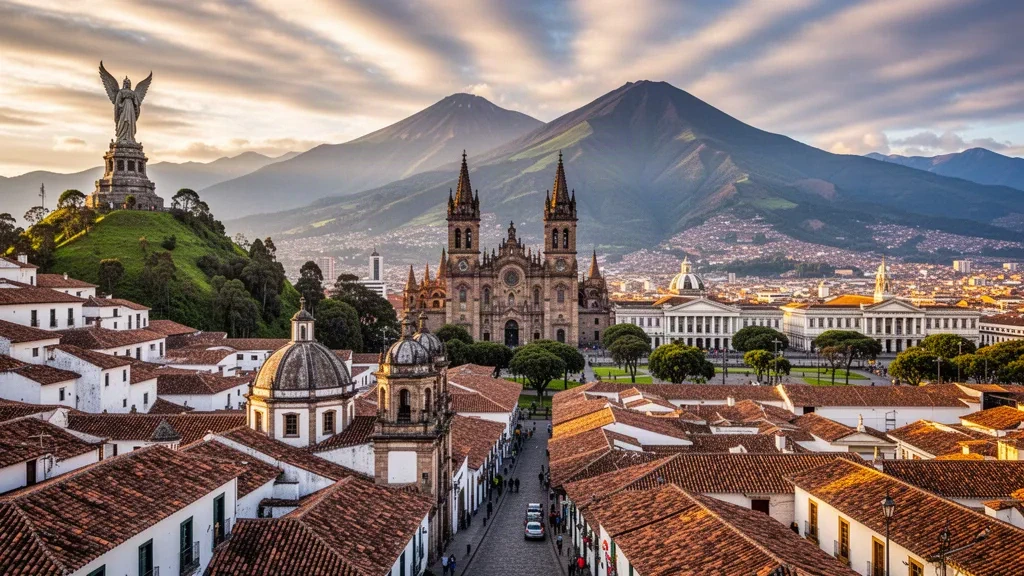
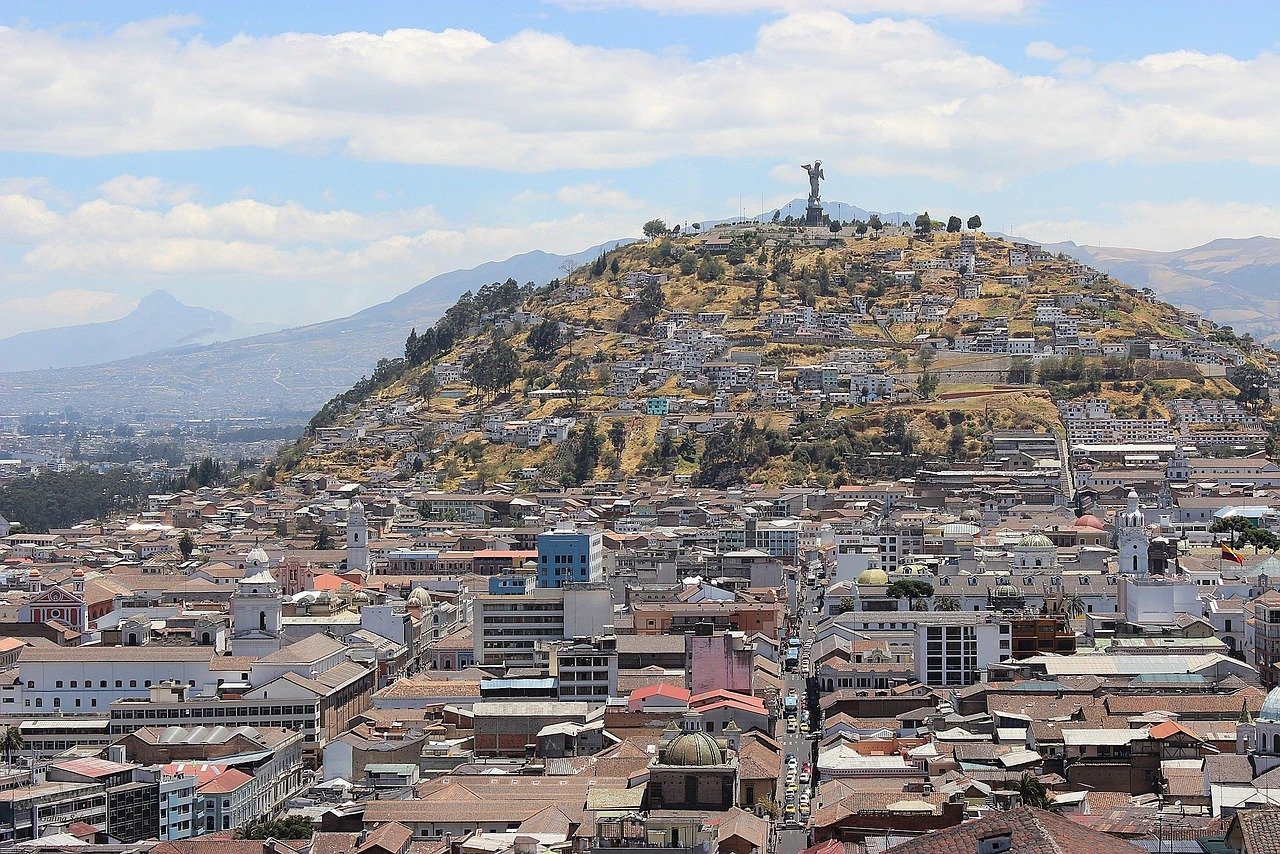
Quito is Ecuador's capital, set high in the Andes at about 2,850 metres above sea level. Its compact colonial core is among the best preserved in Latin America and was one of the first places named a UNESCO World Heritage Site, while the surrounding Pichincha volcano and mountain slopes give the city a dramatic natural backdrop.
Founded in 1534 on an earlier Inca settlement, Quito blends Spanish colonial architecture with Andean heritage. Landmarks such as the San Francisco church and convent, the gilded interior of La Compañía de Jesús, Plaza Grande and the neo-Gothic Basilica del Voto Nacional tell the story of the city's religious, political and architectural history.
Different neighbourhoods offer distinct experiences. The Historic Center is known for churches, museums and the traditional street of La Ronda, while La Mariscal concentrates cafés, bars and nightlife and La Floresta has galleries and creative spaces. The Mitad del Mundo monument marks the equatorial line north of the city, and the TelefériQo cable car climbs Pichincha for panoramic views.
Quito is also Ecuador's political and economic centre, hosting government institutions, conferences and international events. Its Andean location makes it a practical base for day trips to Cotopaxi, the Otavalo market and the Mindo cloud forest, and a gateway for travellers continuing to the Galápagos Islands or the Amazon.
For both leisure and business visitors, Quito combines history and museums with a lively food scene, from locro de papa and empanadas to modern restaurants and markets. Its year-round springlike climate and central position in the country make it a distinctive and convenient Andean destination.
Pichincha Travel Guide
Best Time to Visit
June to September is Quito's drier season and generally offers the most stable weather for sightseeing. December is also popular for festive events, while October to May brings frequent afternoon rain but still has mild daytime temperatures.
How to Get Around
Quito has an integrated public transport system that includes the metro, Trolebús and Ecovía bus corridors along with regular buses. Registered taxis and ride-hailing apps are widely used, and the Historic Center is best explored on foot.
Where to Stay
The Historic Center suits visitors focused on colonial landmarks, while La Mariscal and La Floresta are popular for nightlife, cafés and creative culture. Northern neighbourhoods and Cumbayá offer quieter, more residential options with good hotel access.
Food & Drink
Local specialities include locro de papa, hornado, empanadas and the warm spiced drink canelazo. Markets such as Mercado Central, traditional spots along La Ronda and modern restaurants in La Floresta and La Mariscal cover a wide range of budgets and styles.
Ground Transportation Services in Pichincha
Airport Transfers
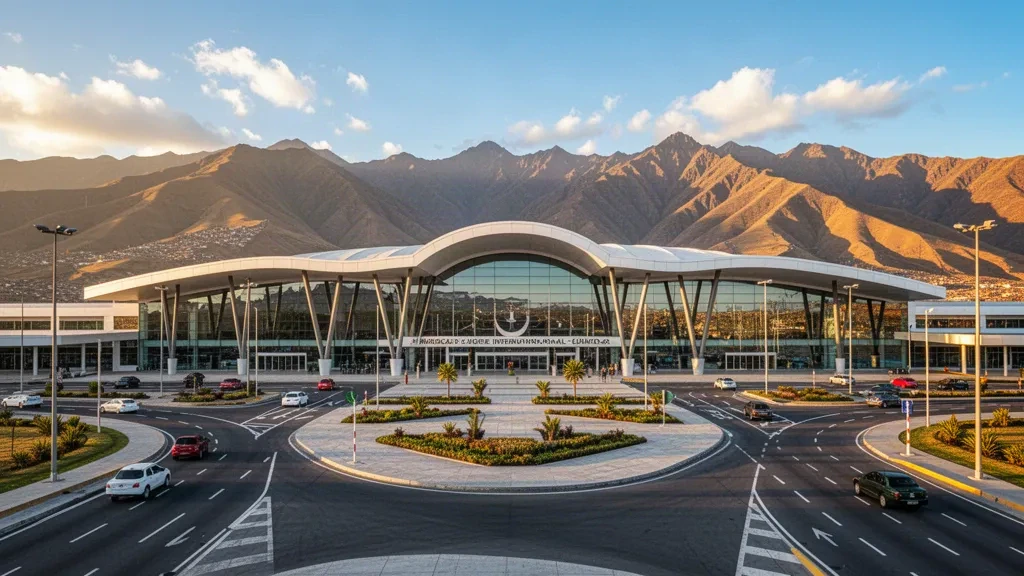
Travel between Mariscal Sucre International Airport and hotels, the Historic Center, business districts and other destinations across Quito and the Pichincha area.
Hourly Chauffeur
Book a private chauffeur by the hour for business meetings, events, sightseeing and flexible travel around Quito and nearby Andean destinations.
Car Rental
Rent a car in Quito for independent travel around the city and convenient day trips to Cotopaxi, Otavalo, Mindo and other nearby destinations.
Bus & Group Transfers
Arrange minibuses or charter buses for groups, corporate travel, events, airport transfers and tours within Quito and to surrounding destinations.
Frequently Asked Questions
Related Cities in Ecuador
View all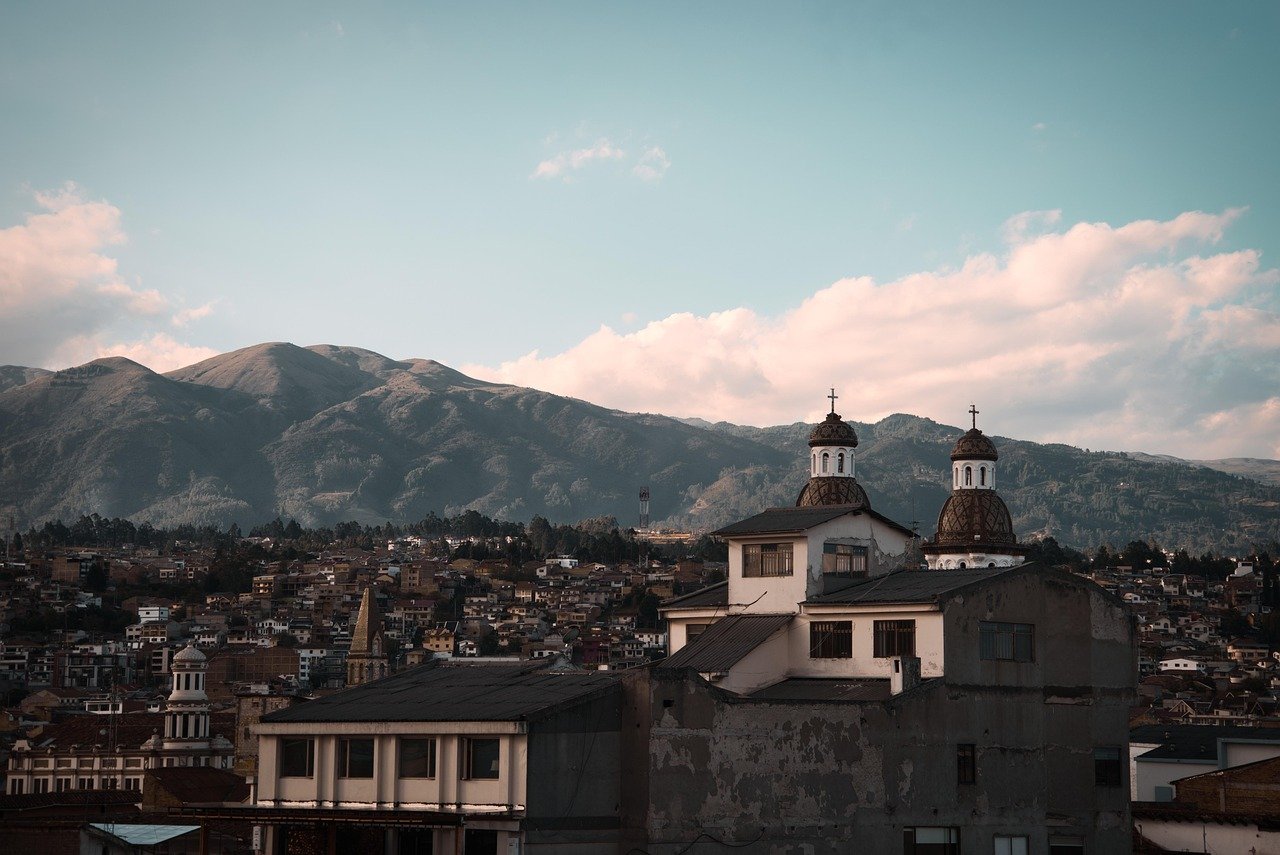
Zamora
Zamora, the capital of Ecuador's Zamora Chinchipe province, blends colonial heritage with Amazonian surroundings and serves as a gateway to Podocarpus National Park.
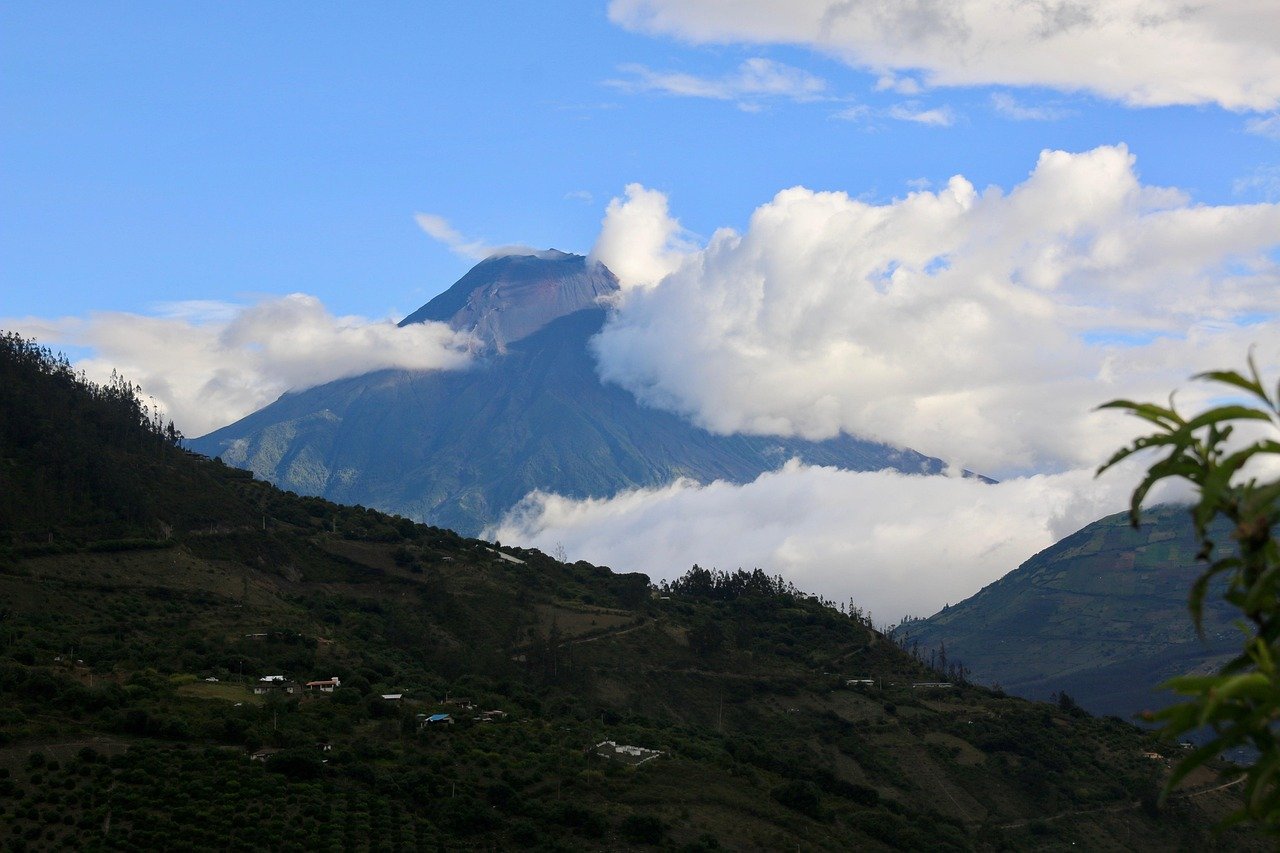
Ambato
Ambato, the capital of Tungurahua province in Ecuador, blends colonial architecture, bustling flower markets and a rich literary heritage.
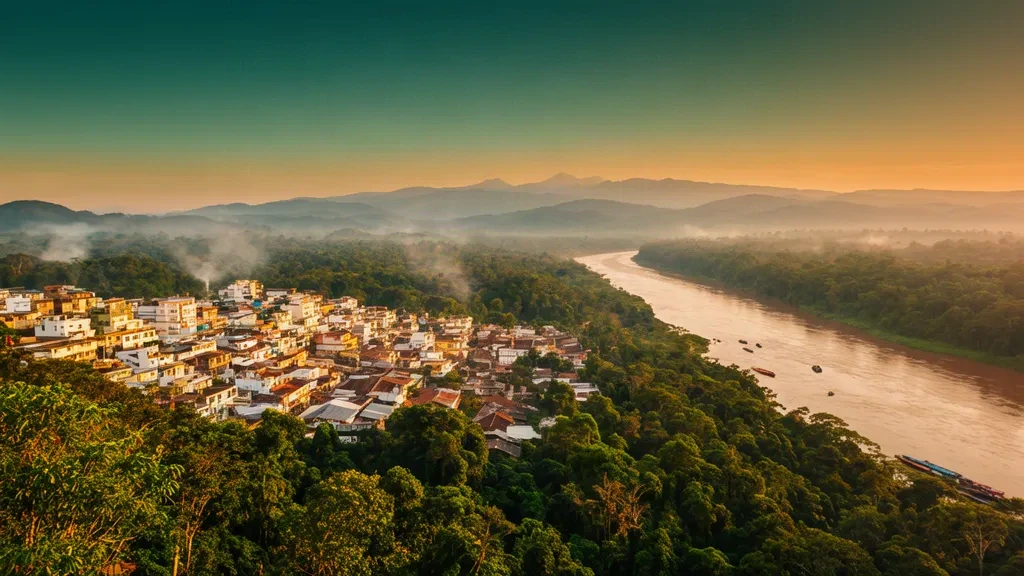
Nueva Loja
Nueva Loja, the capital of Sucumbíos in Ecuador's Amazon region, is a bustling gateway to rainforest reserves and a hub for oil, trade and local culture.