Ali Sabieh
Ali Sabieh, a southern Djibouti hub, pairs a relaxed small-city rhythm with desert surroundings, lively local markets and a strategic place along key road and rail routes.
Passengers
Luggage
About Ali Sabieh
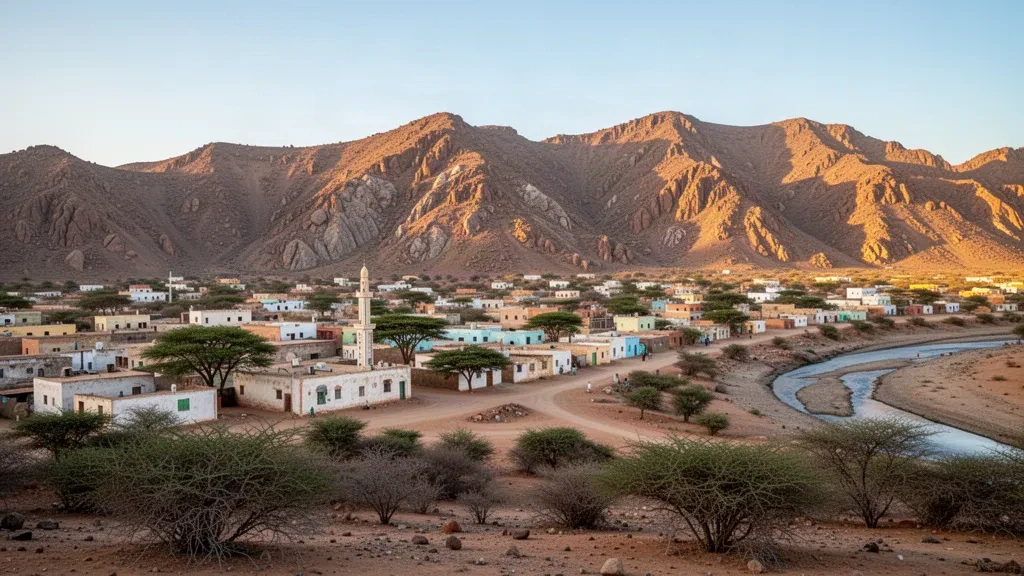
Ali Sabieh is Djibouti's second-largest city and the capital of Ali Sabieh Region. Set about 90 km southwest of Djibouti City and roughly 10 km from the Ethiopian border, it lies along National Highway 5 at an altitude of around 750 metres. This highland setting gives the town a noticeably cooler climate than the coast, making it a popular weekend retreat for residents of the capital.
Founded in 1899 during the French colonial period, Ali Sabieh has long been shaped by transport and trade. Its railway heritage is especially strong: the Addis Ababa–Djibouti Railway passes through the town, and Ali Sabieh is a major stop on the line. Colonial-era buildings and a busy local market add to the town's distinct character, while French and Arabic serve as official languages and Somali and Afar are widely spoken.
Around the town, the red-earth landscapes of the Arrey range frame the horizon, with Mount Arrey reaching 1,286 metres and Mount Dadin to the east. The nearby Grand Bara is a vast desert plain known for sand yachting, cross-country races and rock engravings, while the Assamo protected area shelters antelope and offers quieter eco-tourism experiences.
Ali Sabieh's position near Ethiopia makes it a strategic trade and transport hub, reinforced by the railway and the highway toward the border. Sport and community events, an emerging eco-camp at Assamo and the town's cooling highland air are drawing more domestic visitors, while commerce and logistics remain central to the local economy.
For travellers, Ali Sabieh offers a practical gateway to southern Djibouti's deserts, mountains and border landscapes. Leisure visitors come for hiking, sand sports and a break from coastal heat, while business travellers encounter a compact regional centre with transport links into Ethiopia.
Ali Sabieh Travel Guide
Best Time to Visit
The cooler months from November to March are the most comfortable for hiking, desert trips and sightseeing around Ali Sabieh. The town's higher altitude also makes it a popular escape from coastal heat, especially in the hotter summer season.
How to Get Around
Ali Sabieh is compact enough to explore on foot or by local taxi. National Highway 5 links the town with Djibouti City, the Addis Ababa–Djibouti Railway stops at Ali Sabieh station, and a private driver or 4x4 is useful for reaching the Grand Bara, Mount Arrey and Assamo.
Where to Stay
Accommodation in Ali Sabieh is limited, with a small number of hotels and guesthouses in town plus an eco-camp near Assamo. Many visitors stay in Djibouti City and travel to Ali Sabieh as a day trip, or use the town as a base for exploring the surrounding region.
Food & Drink
Local dining centres on Djiboutian and Somali flavours such as grilled meat, rice dishes, flatbreads, spiced tea and coffee. Small cafés, tea stalls and the town market offer simple, authentic meals, while more formal restaurant options remain limited.
Ground Transportation Services in Ali Sabieh
Airport Transfers
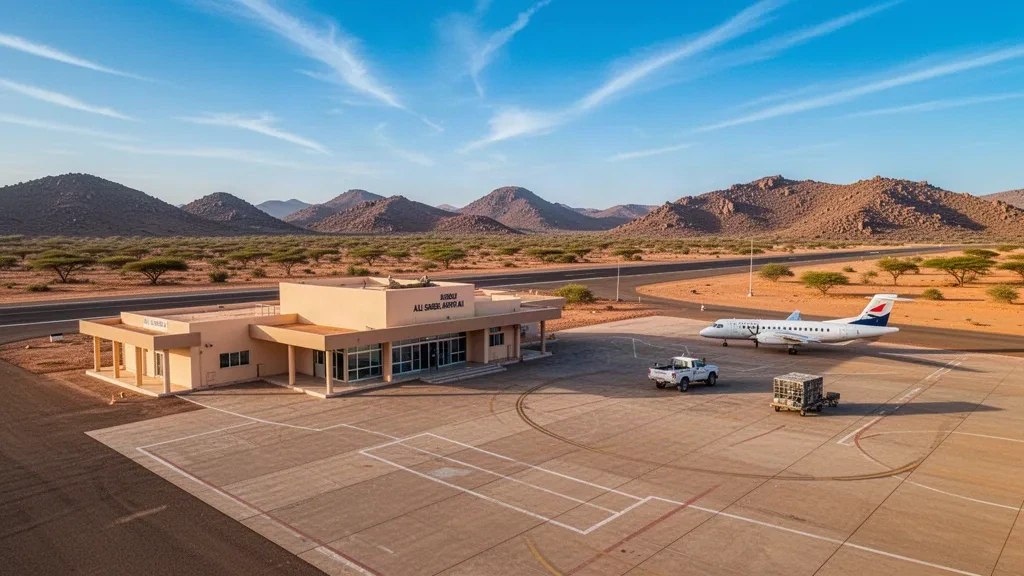
Travel between Djibouti–Ambouli International Airport and Ali Sabieh by private vehicle along National Highway 5, with transfers also available to the railway station and local hotels.
Hourly Chauffeur
Book a private chauffeur by the hour for business visits, sightseeing and flexible trips to the Grand Bara, Mount Arrey, Assamo and other destinations around Ali Sabieh.
Car Rental
Rent a car, ideally a 4x4, for independent travel around Ali Sabieh and convenient access to desert plains, mountain viewpoints and the Ethiopian border area.
Bus & Group Transfers
Arrange minibuses or charter buses for groups, events, railway station pickups and guided excursions from Ali Sabieh to the Grand Bara and nearby attractions.
Frequently Asked Questions
Related Cities in Djibouti
View all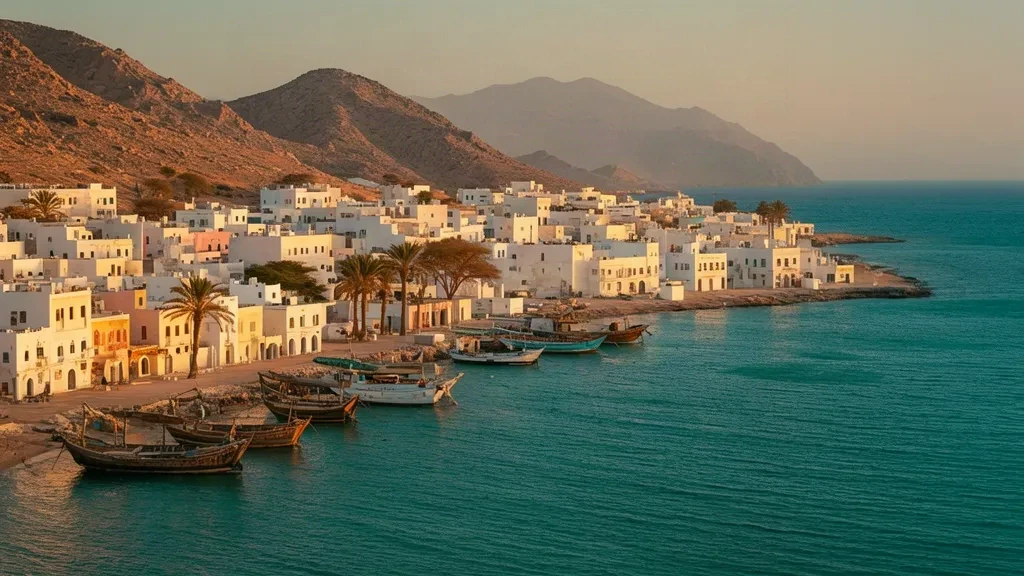
Tadjourah
Tadjourah, a historic coastal town in Djibouti, pairs whitewashed streets and old trading heritage with quiet beaches and access to coral reefs.
Obock
Obock is a coastal town in northern Djibouti, known for its beaches, coral reefs and relaxed port atmosphere on the Gulf of Tadjoura. Its historic role as an early French Somaliland trading post adds character to a destination that draws travelers seeking diving, marine life and a quieter side of Djibouti.
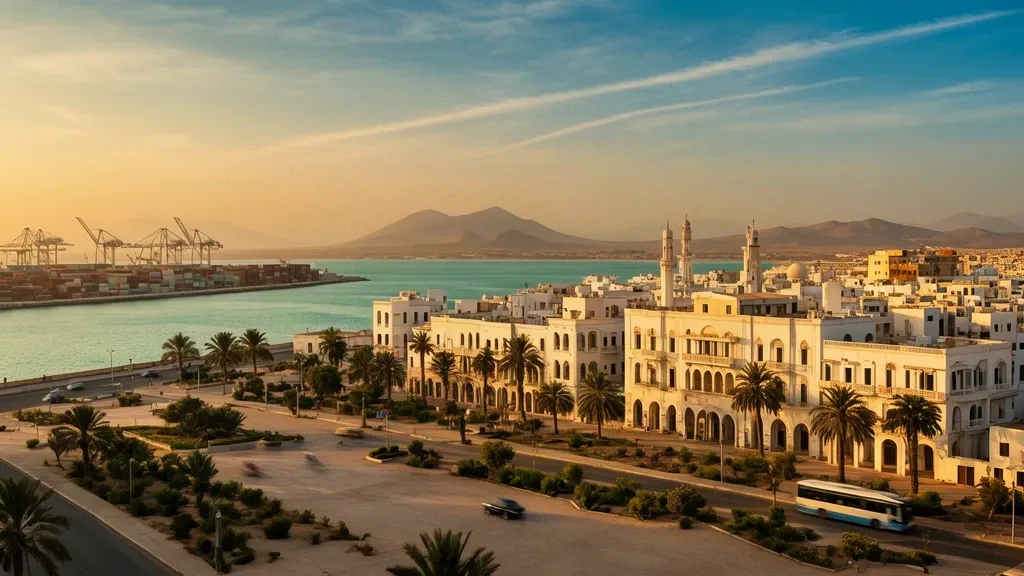
Djibouti
Djibouti, a port city on the Horn of Africa, blends African, Arab and French influences, with a lively market scene and strategic importance as a gateway to the Red Sea.