Djibouti
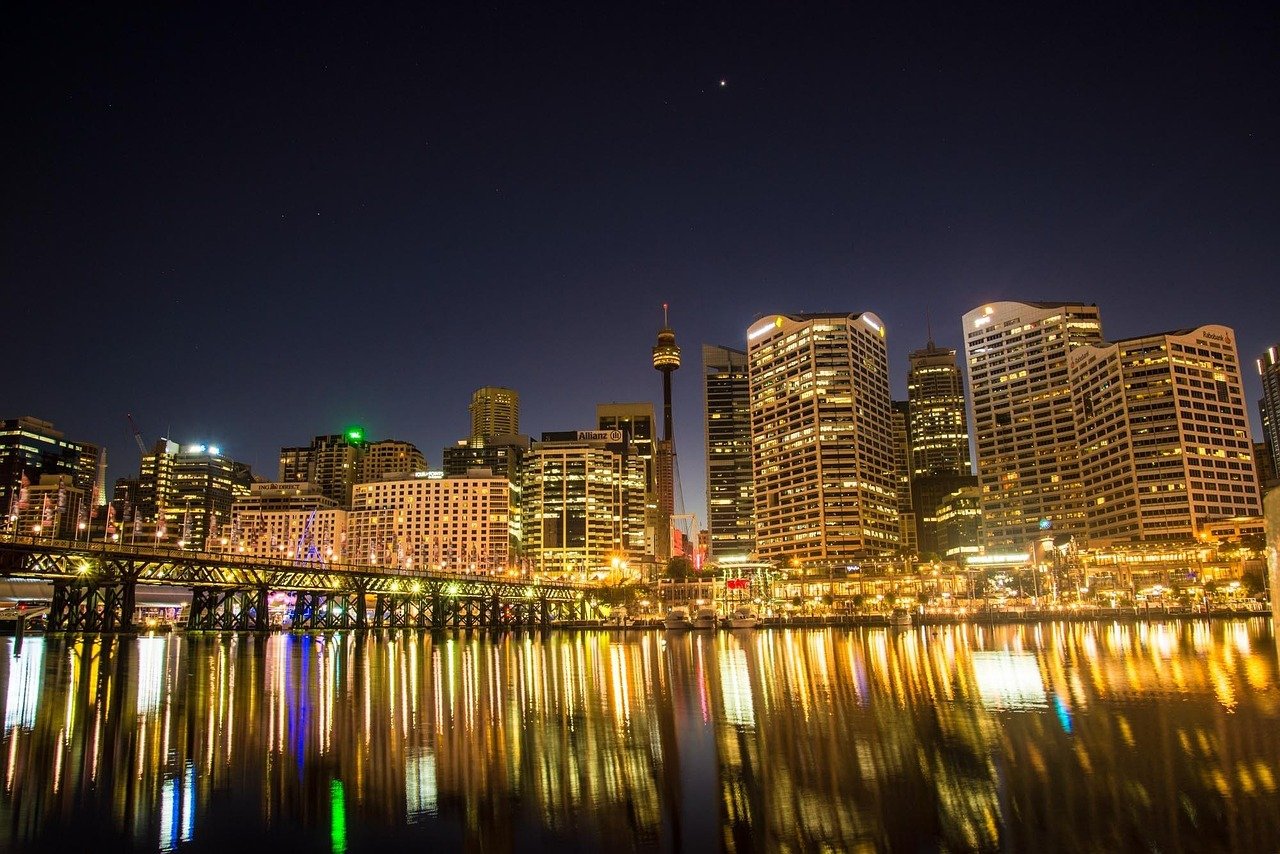
Djibouti sits where the Red Sea meets the Gulf of Aden, combining a busy port capital with volcanic landscapes, salt lakes and enduring Afar and Somali traditions.
Passengers
Luggage
About Djibouti
Djibouti is a small but strategically placed country in the Horn of Africa, where the Red Sea and the Gulf of Aden meet at the Bab-el-Mandeb. Its arid, volcanic scenery and coastal position give the country a distinct character shaped by trade, shipping and a long connection to both Africa and the Arabian Peninsula.
Djibouti City is the capital, main port and economic centre, with markets, French colonial-era buildings and a busy harbour. Other notable towns include Tadjoura, an old whitewashed settlement across the Gulf of Tadjoura, as well as Obock, Ali Sabieh, Dikhil and Arta, each serving as gateways to different parts of the country.
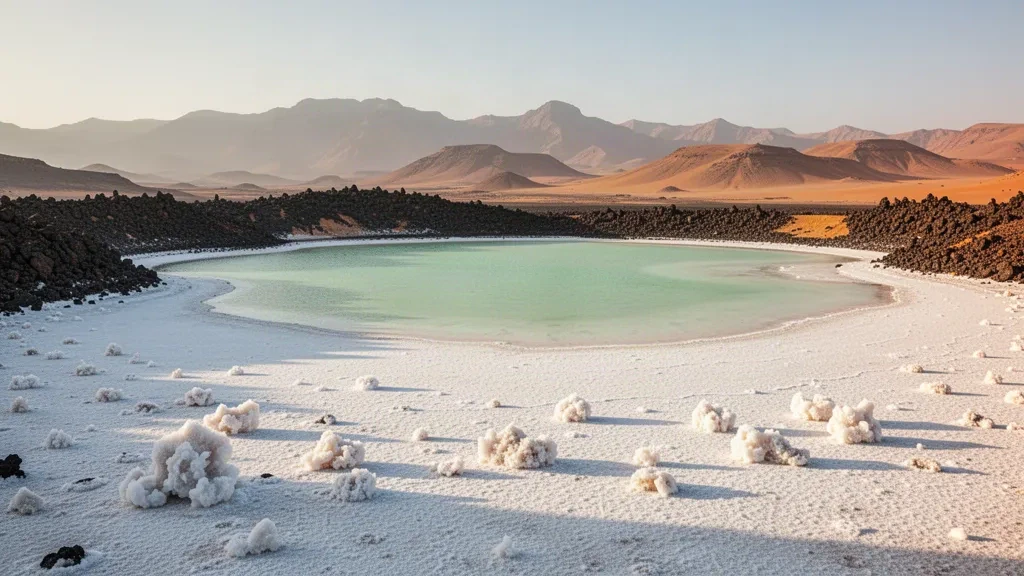
Beyond the capital, the landscape is defined by striking natural features. Lake Assal, one of the lowest points in Africa, lies in a salt-encrusted volcanic basin, while Lake Abbe is known for its limestone chimneys and geothermal vents. The Goda Mountains and Day Forest offer cooler highland scenery, and the Gulf of Tadjoura provides sheltered waters, coral reefs and seasonal whale shark sightings.
Djibouti is internationally important as a logistics and trade hub. Its deep-water port handles much of Ethiopia's seaborne trade, the Addis Ababa–Djibouti railway links the coast to the Ethiopian interior, and several countries maintain a naval or military presence in the area, reinforcing its role as a regional crossroads.
Djibouti-Ambouli International Airport serves the capital, while roads, the port and the railway connect Djibouti City with inland regions and neighbouring Ethiopia. This mix of air, road, rail and sea links makes it practical to travel between the airport, hotels, business districts, ports, event venues and the country's main natural and coastal destinations.
Country Information
Why Visit Djibouti?
Red Sea Gateway
Djibouti's port and its position on the Bab-el-Mandeb make it a key maritime crossroads between the Red Sea and the Gulf of Aden.
Volcanic Landscapes
Discover Lake Assal, one of the lowest and saltiest places on Earth, along with the limestone chimneys of Lake Abbe and other volcanic terrain.
Marine Adventures
Snorkel, dive or look for whale sharks around the Gulf of Tadjoura and islands such as Moucha along the coast.
Popular Cities in Djibouti
View all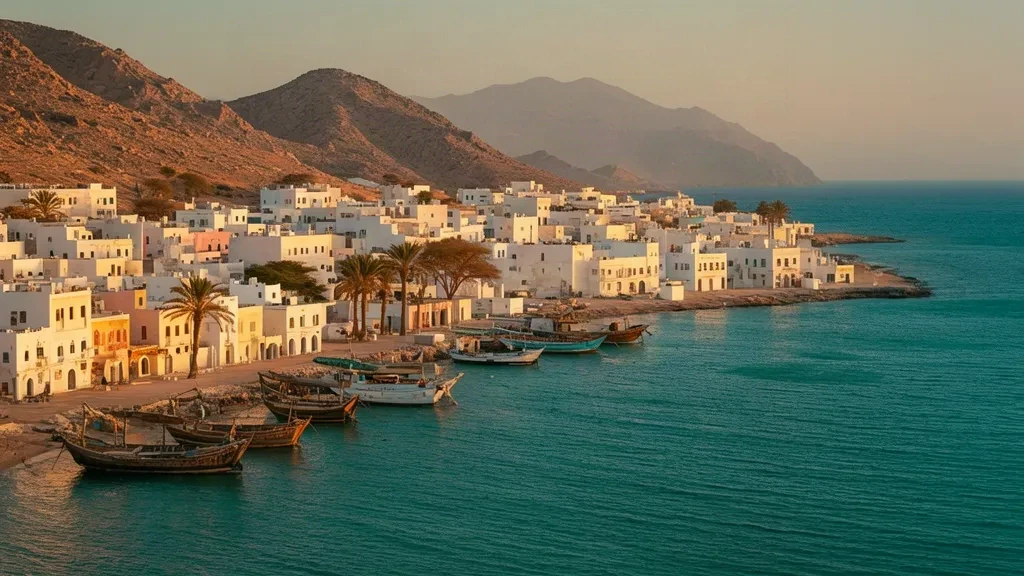
Tadjourah
Tadjourah, a historic coastal town in Djibouti, pairs whitewashed streets and old trading heritage with quiet beaches and access to coral reefs.
Obock
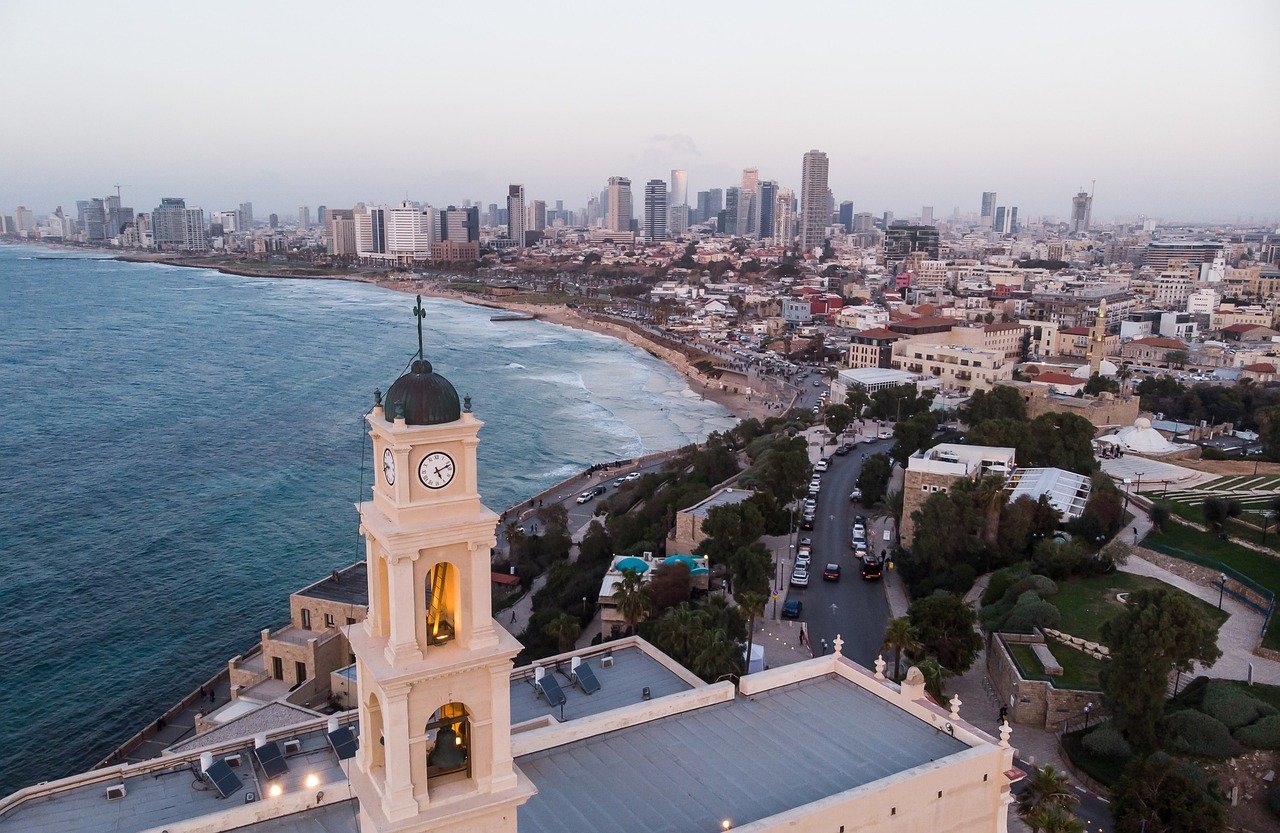
Obock is a coastal town in northern Djibouti, known for its beaches, coral reefs and relaxed port atmosphere on the Gulf of Tadjoura. Its historic role as an early French Somaliland trading post adds character to a destination that draws travelers seeking diving, marine life and a quieter side of Djibouti.
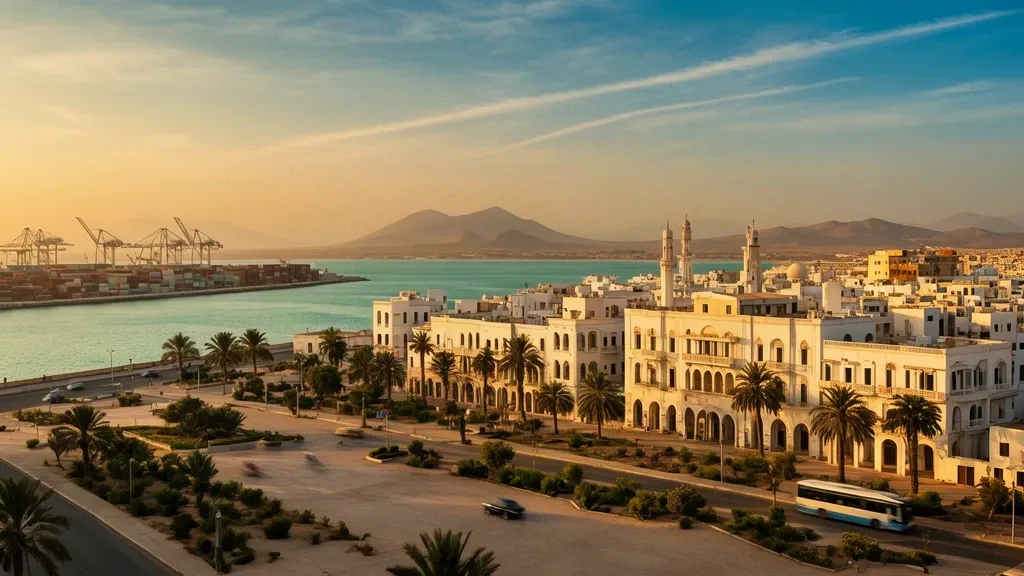
Djibouti
Djibouti, a port city on the Horn of Africa, blends African, Arab and French influences, with a lively market scene and strategic importance as a gateway to the Red Sea.
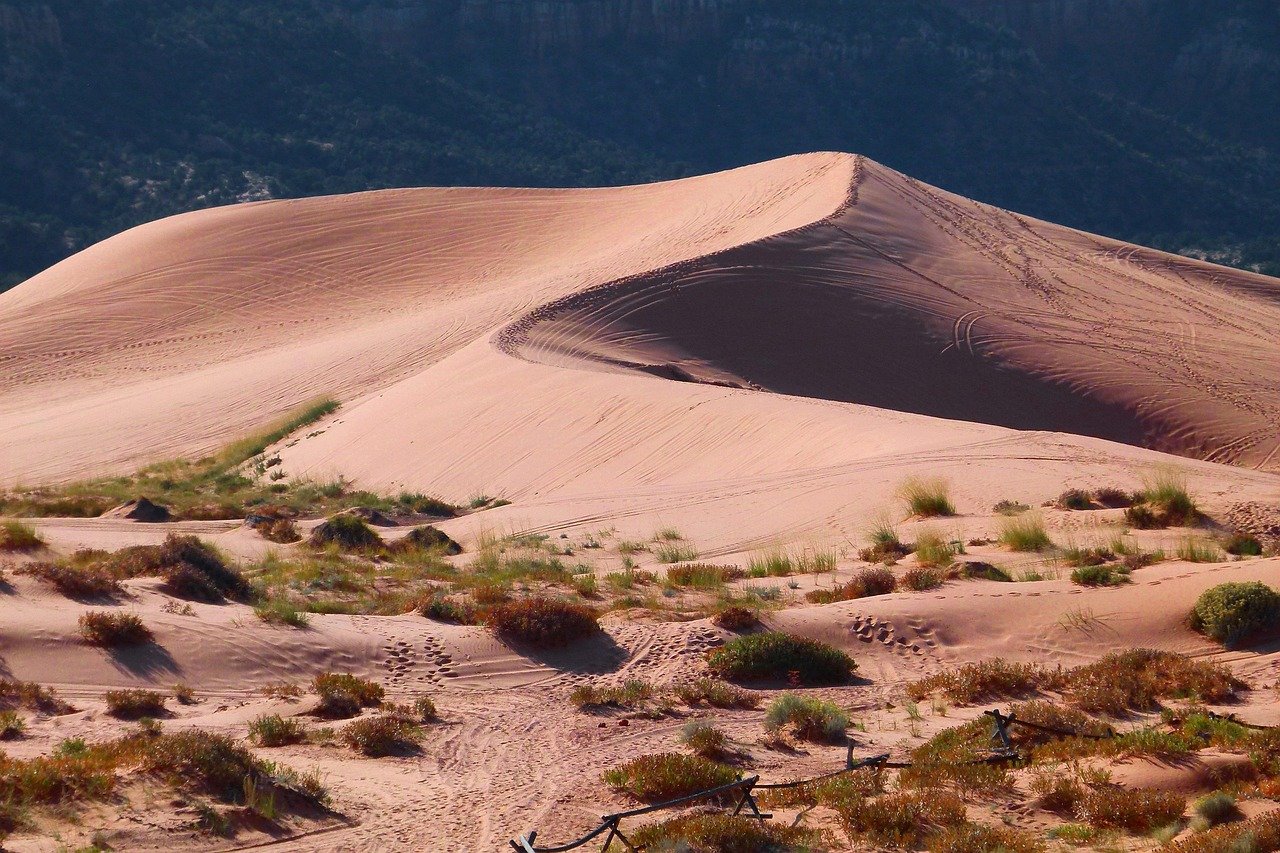
Dikhil
Dikhil, an inland town in southern Djibouti, serves as a regional hub with a long history as a crossroads and market centre. Its desert setting, traditional architecture and proximity to the Ethiopian border give it a distinct character.
Travel Services in Djibouti
Transfers
Travel between Djibouti-Ambouli International Airport, the port, hotels and destinations such as Tadjoura and Lake Assal with private transfer options.
Hourly Chauffeur
Book a chauffeur by the hour for business meetings, port visits, city travel or flexible sightseeing in Djibouti City.
Charter Bus
Arrange bus transportation for groups, events, crew movements and journeys to the Gulf of Tadjoura or inland sites.
Car Rental
Rent a car in Djibouti for independent travel between Djibouti City, the coast and inland destinations at your own pace.
Travel Essentials
Frequently Asked Questions
Airports in Djibouti
View all airports in the country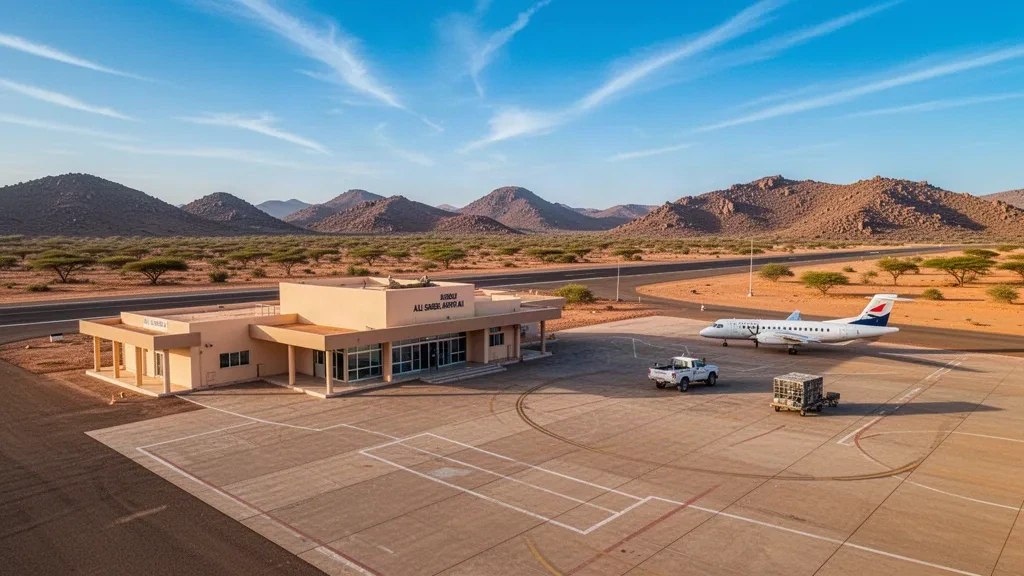
Related Destinations
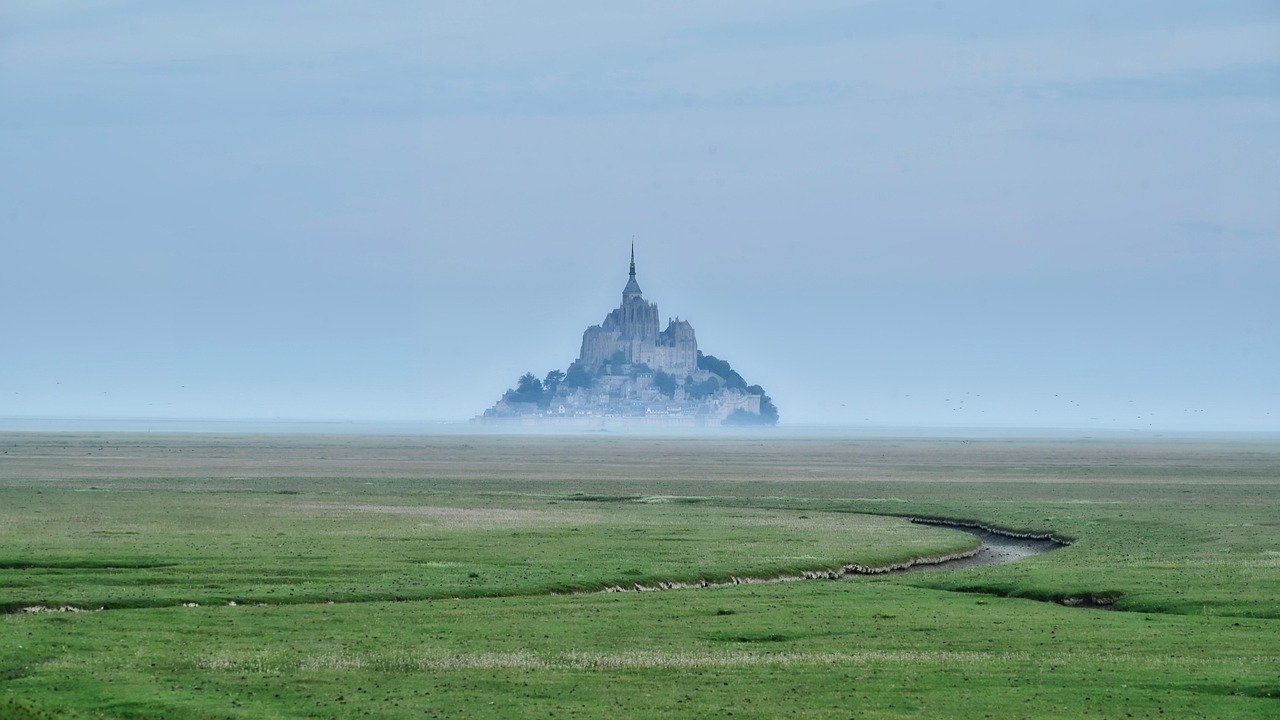
Jersey
The largest of the Channel Islands, Jersey combines sandy bays, cliff paths and a lively harbour capital with a relaxed island character and a distinctive Norman-English heritage.
Zimbabwe
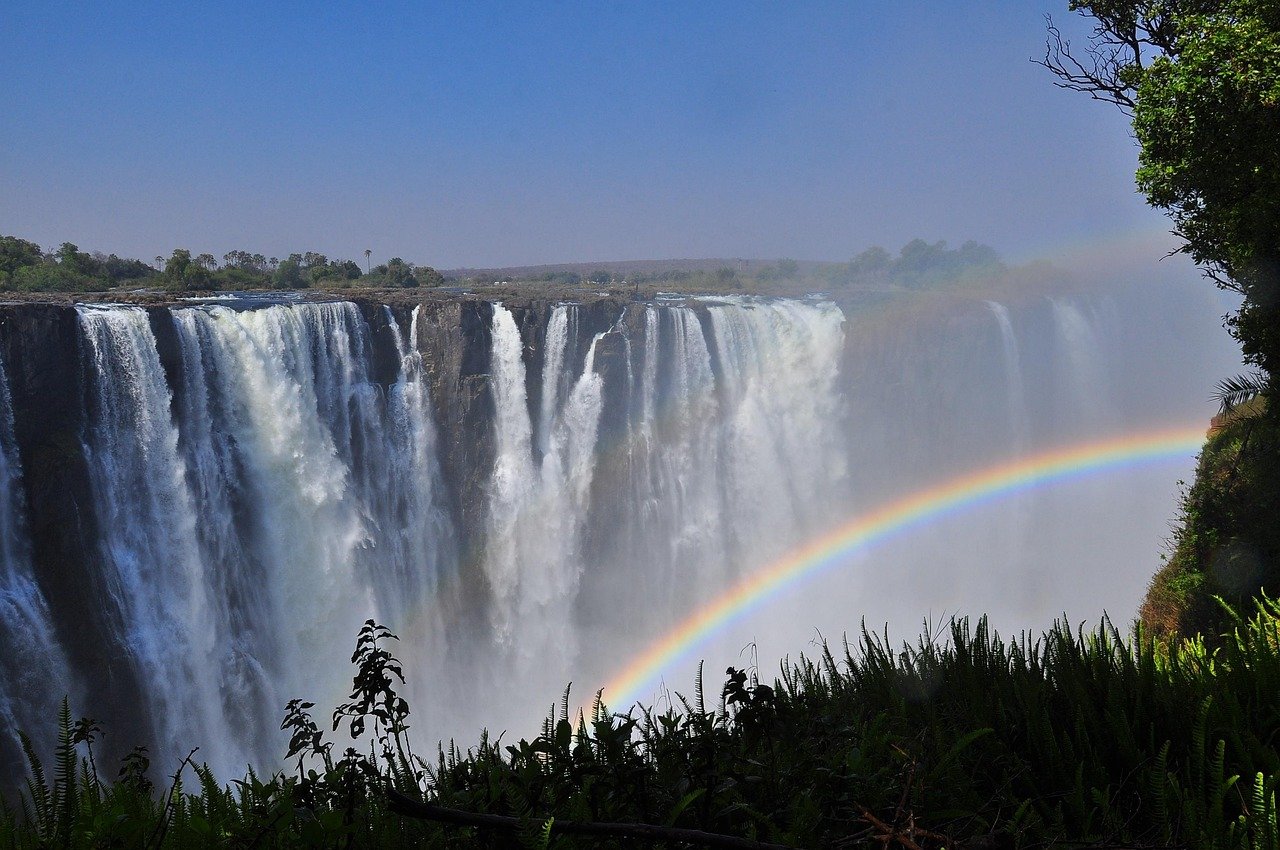
Zimbabwe blends one of Africa's great natural wonders, ancient stone cities and rich wildlife areas, with welcoming towns and a proud cultural heritage.
Zambia
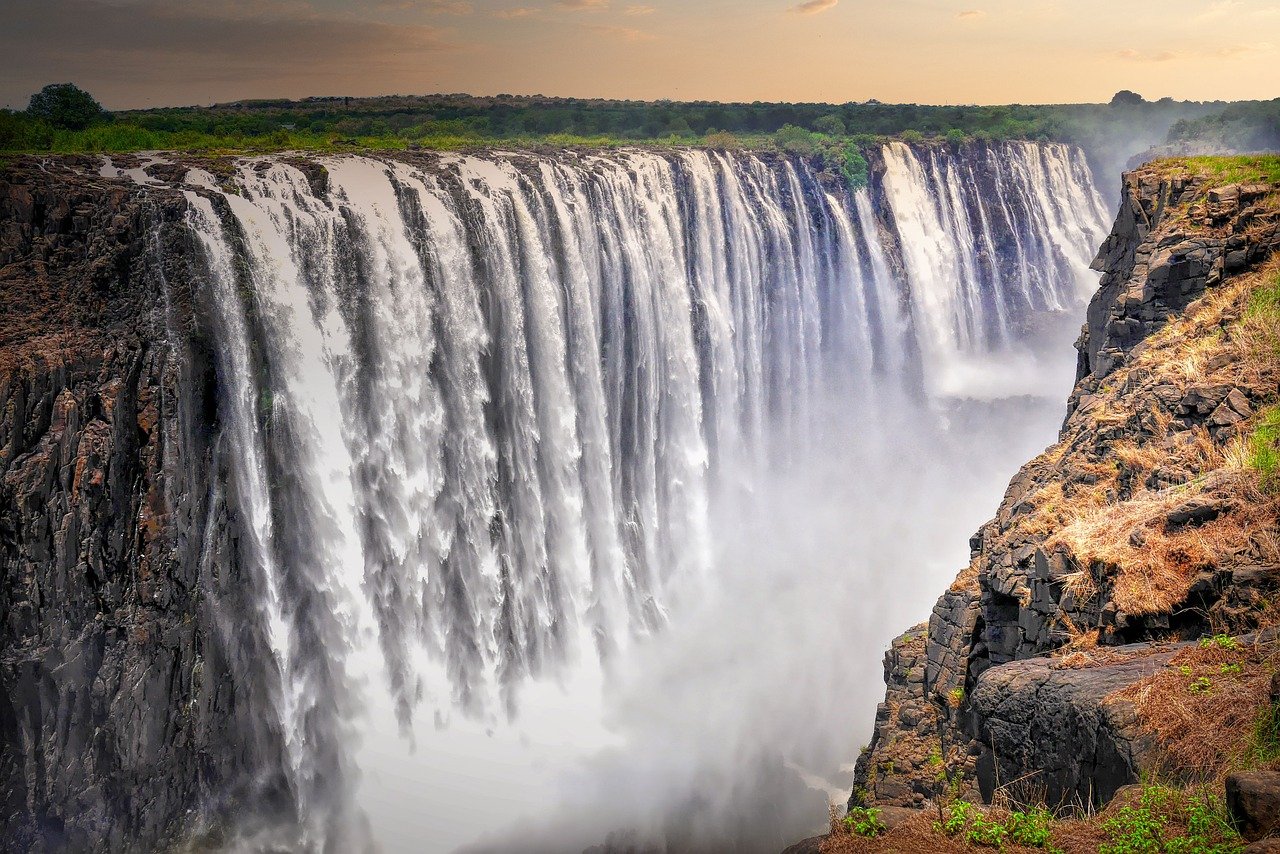
Zambia is a landlocked southern African country defined by the Victoria Falls, the Zambezi River and vast wildlife reserves, offering a genuine safari and nature experience.
Yemen
Yemen pairs ancient mudbrick cities, rugged highlands, coastal plains and the otherworldly island of Socotra, creating one of the Arabian Peninsula's most distinctive cultural landscapes.