Obock
Obock is a coastal town in northern Djibouti, known for its beaches, coral reefs and relaxed port atmosphere on the Gulf of Tadjoura. Its historic role as an early French Somaliland trading post adds character to a destination that draws travelers seeking diving, marine life and a quieter side of Djibouti.
Passengers
Luggage
About Obock
Obock is a small port town on Djibouti's northeastern coast, facing the Bab-el-Mandeb strait and the Gulf of Tadjoura. Known as the country's first capital under French rule, it combines colonial-era history with Afar fishing culture, quiet beaches and a remote Red Sea setting.
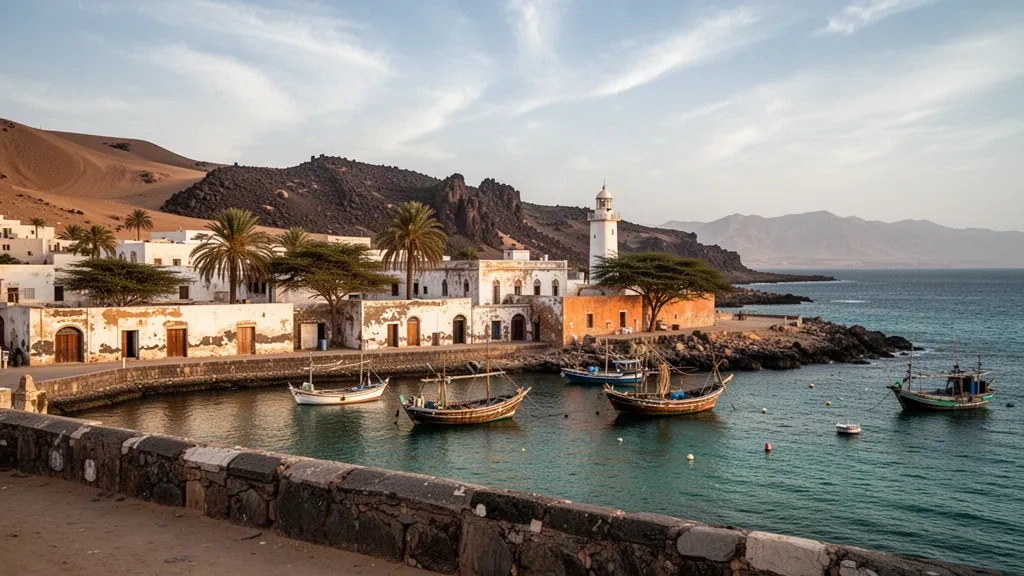
The town entered modern history in 1862, when France signed a treaty with local Afar leaders and Obock became the region's first French colonial base. Governor Léonce Lagarde established the administration here in 1884, before the capital moved to Djibouti City in 1896. Reminders of that period include the former governor's residence, an old marine cemetery where French sailors were buried, and the nearby Ras Bir lighthouse.
Around the harbour, low-rise buildings, small restaurants and wooden fishing boats give Obock a modest, unhurried atmosphere. Excursions head out to the Godoria and Khor Angar mangroves, the Mabla Mountains, coral reefs and the volcanic Seven Brothers Islands, which are prized by divers and snorkellers.
Obock's economy is built on fishing, livestock and a small but growing tourism sector. Local Afar communities keep pastoral traditions, and the town serves as a gateway to the northern Red Sea coast, with road and ferry links across the region.
For travellers, Obock works as a slower-paced stop combining history, beaches and nature, while Djibouti City supplies the main international connections and business infrastructure.
Obock Travel Guide
Best Time to Visit
November to March is the most comfortable period, with cooler temperatures and lower humidity than the very hot summer months. Sea excursions and outdoor visits along the coast are easiest during this dry season.
How to Get Around
Obock is small enough to explore on foot, while shared taxis and minibuses cover short local routes. For beaches, mangroves, the Mabla Mountains and the Seven Brothers Islands, visitors typically use private 4x4 vehicles or organised tours.
Where to Stay
Accommodation is limited, with a few guesthouses, small hotels and the Red Sea Village tourism centre offering simple lodgings. Some visitors choose to stay in Djibouti City and visit Obock on a day trip or overnight excursion.
Food & Drink
Local food centres on fresh fish and seafood, including grilled catch from the harbour, alongside Afar and Somali dishes, rice, flatbreads and spiced tea. Small restaurants and cafés around town offer simple, affordable meals.
Ground Transportation Services in Obock
Airport Transfers
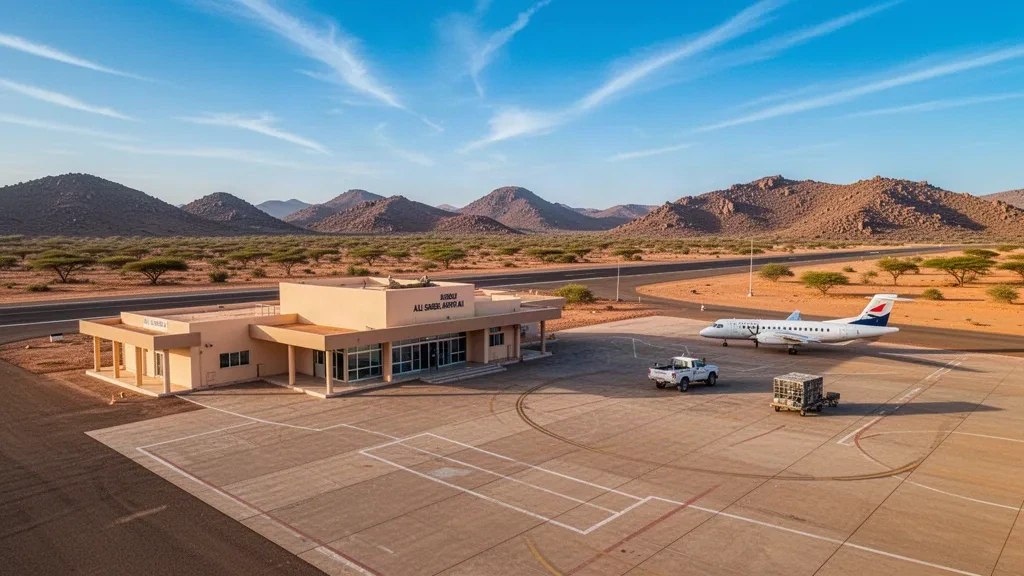
Travel between Obock Airport (OBC) and hotels, guesthouses, the harbour or other points around Obock with a pre-arranged vehicle.
Hourly Chauffeur
Book a private driver by the hour for harbour visits, colonial heritage sites, business calls or flexible travel around Obock and the northern Red Sea coast.
Car Rental
Rent a car or 4x4 in Obock for independent travel to beaches, mangroves, the Mabla Mountains and other regional destinations, where road conditions can be rough.
Bus & Group Transfers
Arrange minibuses or charter buses for groups, airport pickups, coastal excursions, events and transfers between Obock and surrounding areas.
Frequently Asked Questions
Related Cities in Djibouti
View all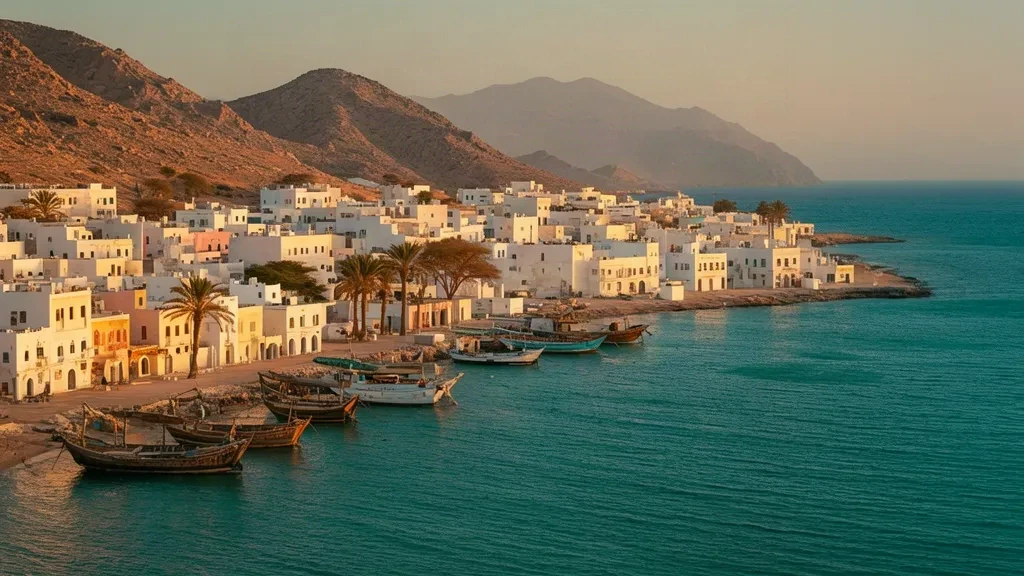
Tadjourah
Tadjourah, a historic coastal town in Djibouti, pairs whitewashed streets and old trading heritage with quiet beaches and access to coral reefs.
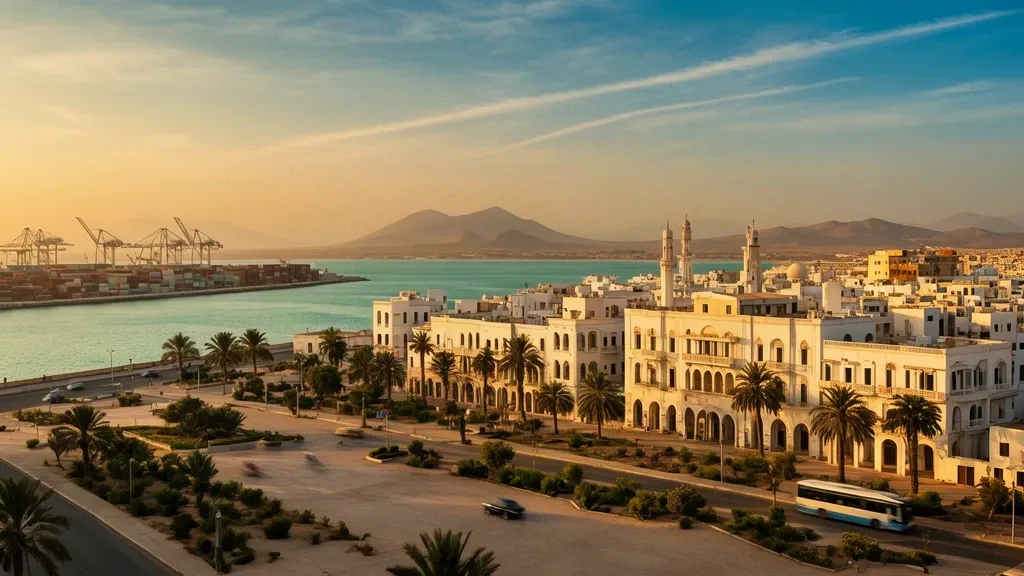
Djibouti
Djibouti, a port city on the Horn of Africa, blends African, Arab and French influences, with a lively market scene and strategic importance as a gateway to the Red Sea.
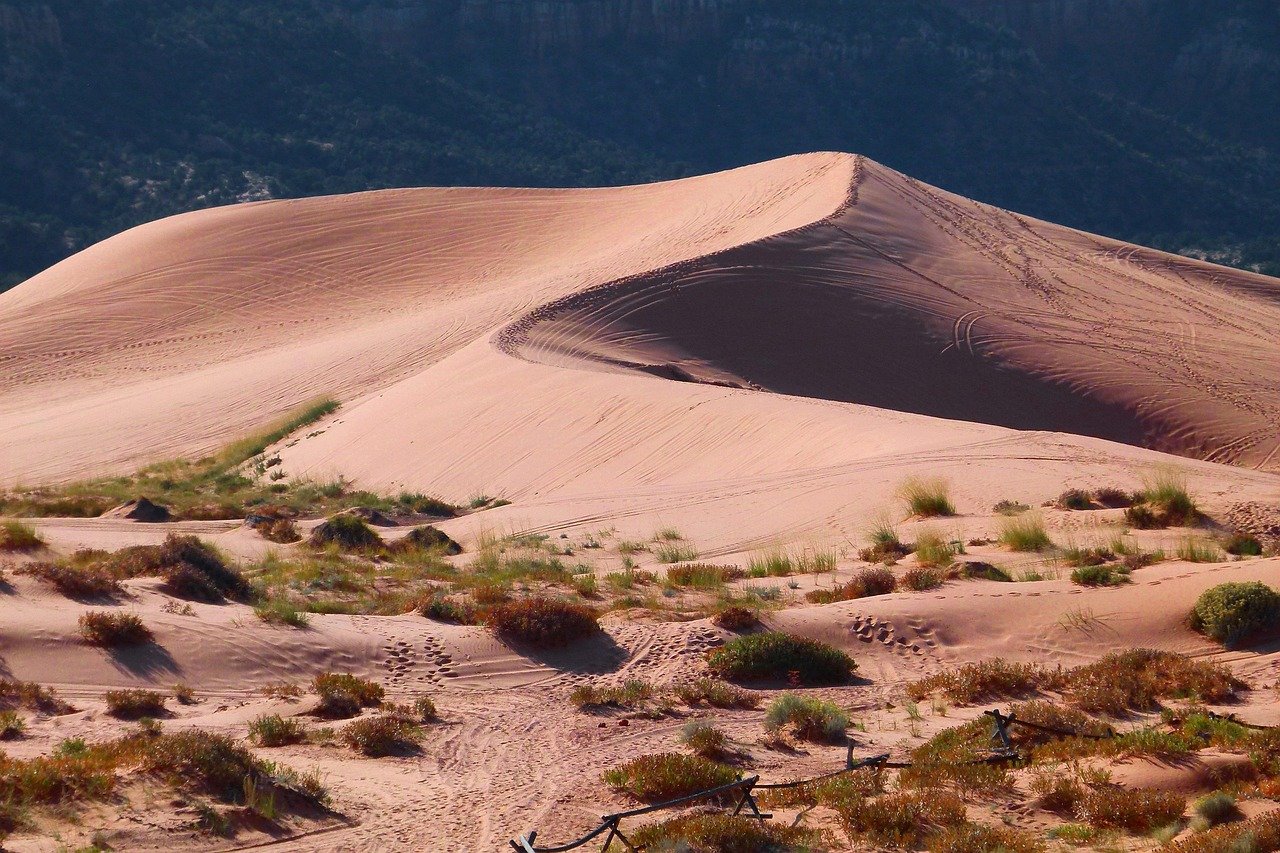
Dikhil
Dikhil, an inland town in southern Djibouti, serves as a regional hub with a long history as a crossroads and market centre. Its desert setting, traditional architecture and proximity to the Ethiopian border give it a distinct character.