Mai-Ndombe
Mai-Ndombe, in the Democratic Republic of the Congo, is a remote destination of dense rainforest, winding rivers and the wide waters of Lake Mai-Ndombe.
Passengers
Luggage
About Mai-Ndombe
Inongo is the lakeside capital of Mai-Ndombe Province in western Democratic Republic of the Congo. Built on the eastern shore of Lake Mai-Ndombe, one of the DRC's largest blackwater lakes, it feels more like a busy trading port than a sprawling city, with fishing, river transport and lakeside life at its center.
The town was part of the former Bandundu Province until Mai-Ndombe became a separate province in 2015. Its colonial past is tied to rubber and copal collection around Lake Léopold II, as Lake Mai-Ndombe was then known, while today Inongo is divided into the communes of Bonse, Mpolo and Mpongonzoli and remains home to Ntomba, Bolia, Sengele and Ekonda communities.
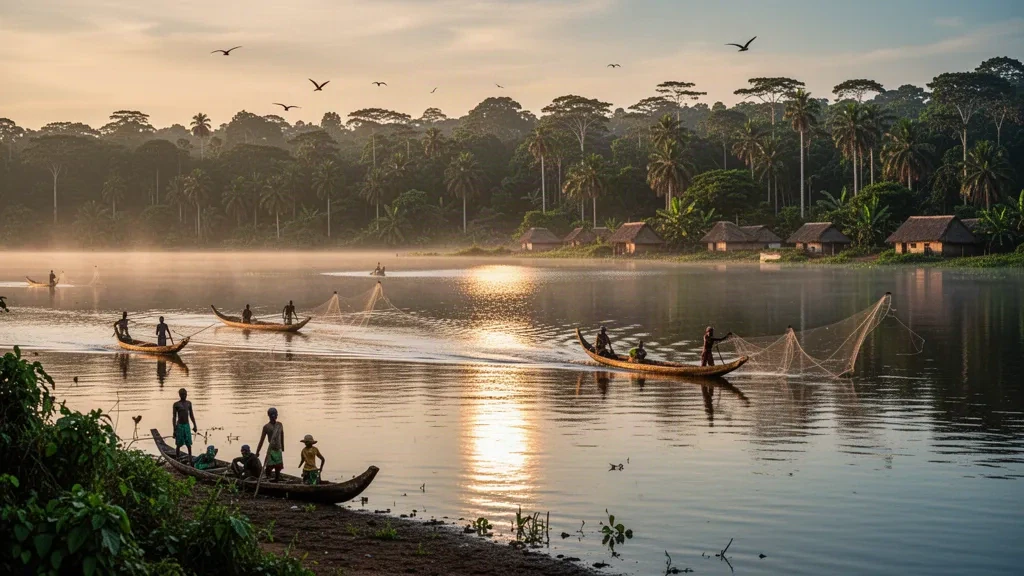
Most visits center on the water: the lake's dark, tannin-rich waters support busy fishing harbors, wooden pirogues and cargo boats, while market streets sell fresh and smoked fish, cassava and rice. Boat excursions lead toward Lake Tumba, flooded forest and rainforest-edge villages that are increasingly part of community-based tourism and conservation work.
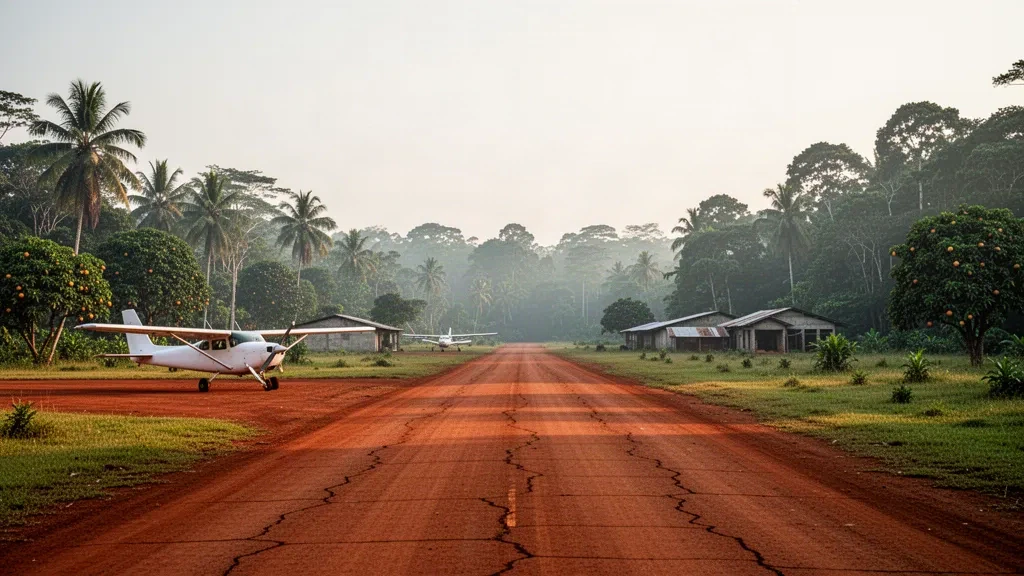
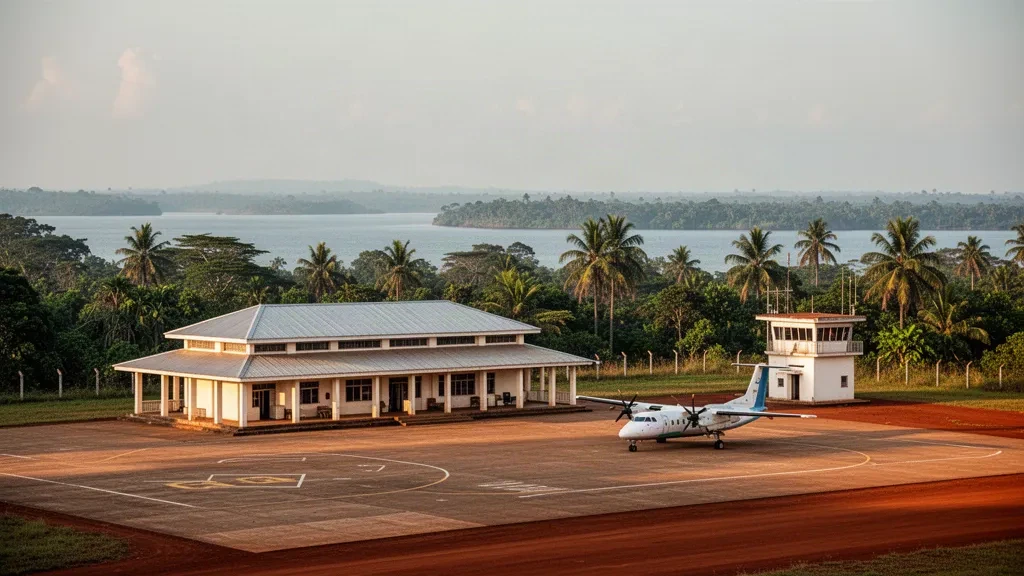
Inongo's economy runs on fishing, agriculture, government administration and conservation projects linked to the region's wetlands and forests. Travel from Kinshasa is usually made by river along the Congo and Fimi systems or by small aircraft to Inongo Airport, which keeps the town important for regional trade, researchers and development missions.
For leisure visitors, Inongo offers a low-key gateway to the Mai-Ndombe wetlands rather than polished city tourism, with simple guesthouses, local food and canoe trips on the lake. Business travelers and conservation teams use it as a practical base for meetings, field logistics and access to the wider province.
Mai-Ndombe Travel Guide
Best Time to Visit
The drier months, roughly June to September, are generally the most practical time to travel, with more reliable conditions for boats, forest tracks and the small airstrip. Heavy seasonal rains can make river and road access slower at other times of year.
How to Get Around
Inongo has no formal public transport network, so most movement is by foot, motorcycle taxi or wooden pirogue and motorized boat along the lake and rivers. Visitors usually arrange local boats or guides for longer trips and use private transfers around the center.
Where to Stay
Accommodation is limited to small guesthouses, mission-linked lodgings and basic hotels, mostly in the central lakeside area of the Bonse, Mpolo and Mpongonzoli communes. For wetland and rainforest visits, simple community or eco-lodge stays are usually arranged in advance.
Food & Drink
Lake Mai-Ndombe supplies much of the local menu, with fresh and smoked fish served alongside cassava-based staples, rice, plantains and greens. Small markets and informal restaurants offer simple Congolese meals, and visitors should drink bottled or treated water.
Ground Transportation Services in Mai-Ndombe
Airport Transfers
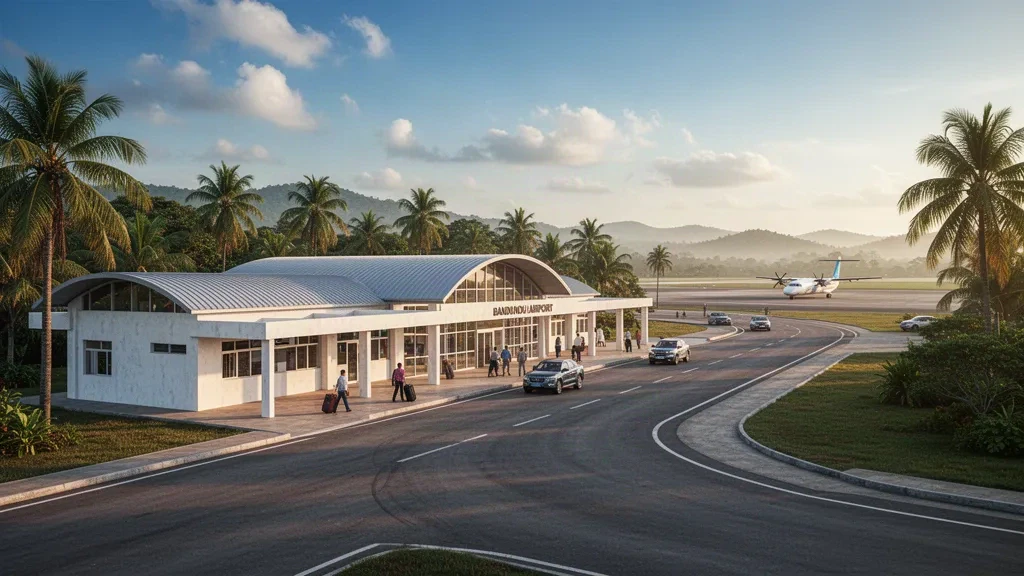
Arrange transfers between Inongo Airport (INO), the lakeside center, guesthouses, administration offices and boat departure points.
Hourly Chauffeur
Book a private driver by the hour for meetings, administrative visits, lakeside sightseeing and flexible travel within Inongo.
Car Rental
Rent a vehicle for independent travel in and around Inongo, bearing in mind that options are limited and many trips continue by boat or with a local guide.
Bus & Group Transfers
Arrange minibuses or chartered boats for groups, corporate travel, events, airport transfers and tours in Inongo.
Airports in Mai-Ndombe
Frequently Asked Questions
Related Cities in Democratic Republic of the Congo
View all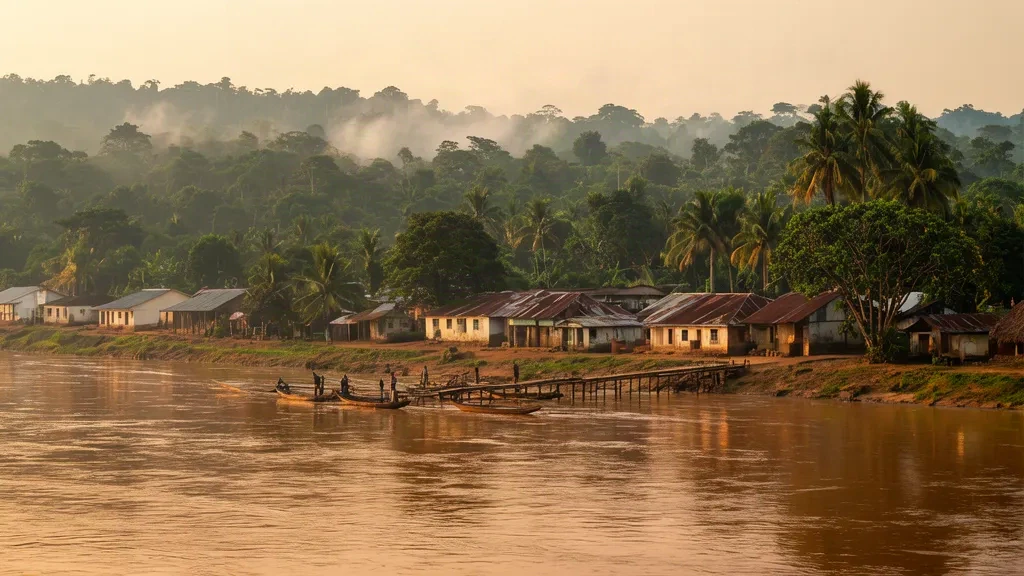
Boende
Boende, the capital of Tshuapa Province in the Democratic Republic of the Congo, sits along the Tshuapa River and serves as a gateway to the region's forests and waterways.
Kisangani
Kisangani, capital of Tshopo Province, is a Congo River city where historic riverfront buildings and busy markets meet the edge of the rainforest.
Tanganyika
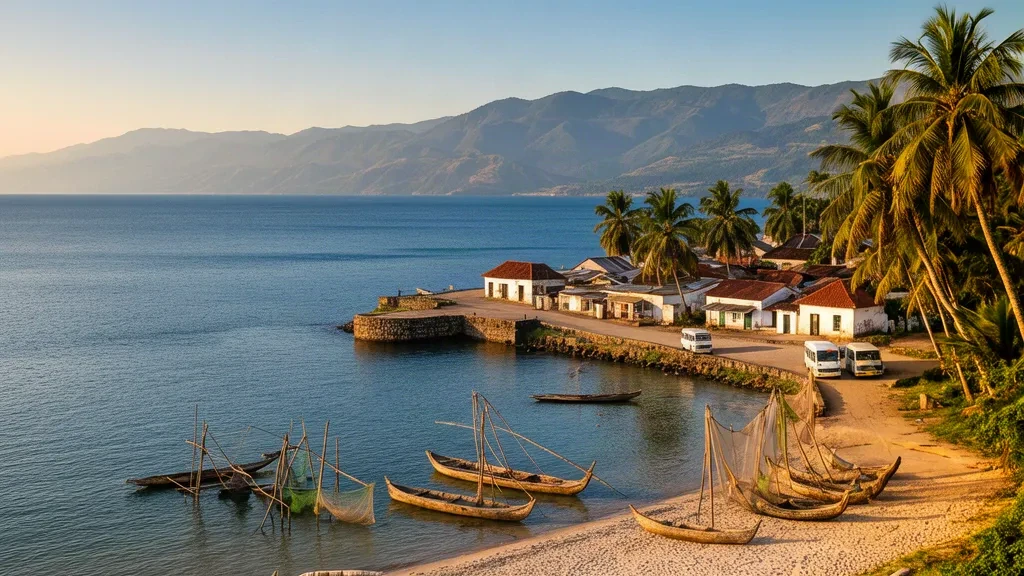
Tanganyika, a dynamic city in the Democratic Republic of the Congo, is known for its warm local culture, colorful markets and proximity to the vast Lake Tanganyika.