Tanganyika
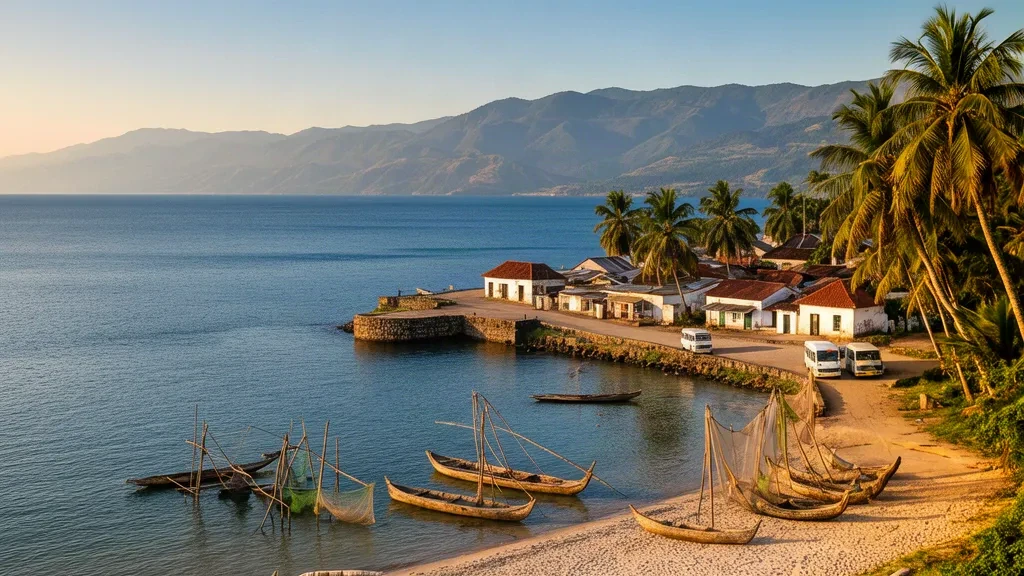
Tanganyika, a dynamic city in the Democratic Republic of the Congo, is known for its warm local culture, colorful markets and proximity to the vast Lake Tanganyika.
Passengers
Luggage
About Tanganyika
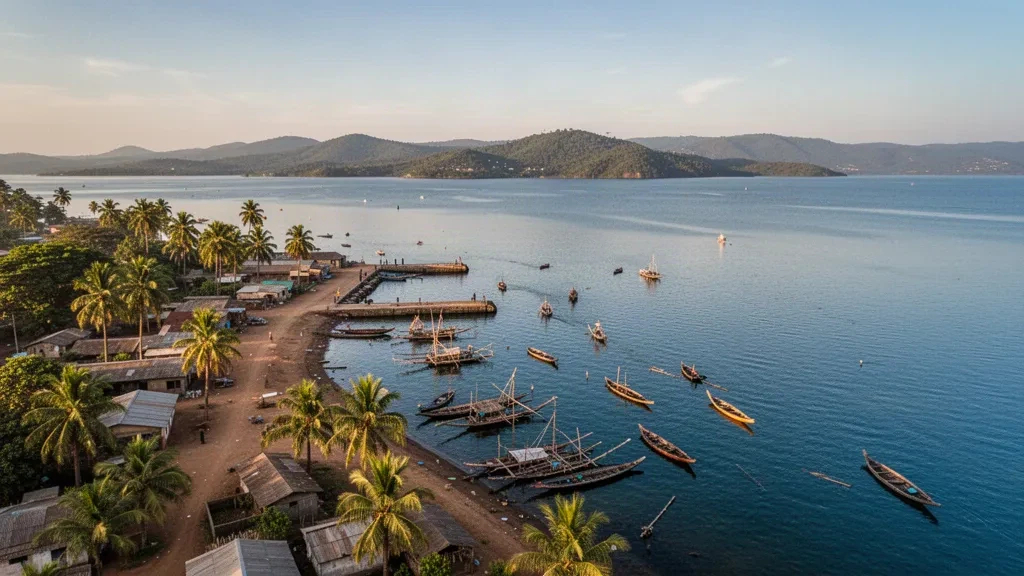
Kalemie is the capital of Tanganyika Province in the southeastern Democratic Republic of the Congo, set on the western shore of Lake Tanganyika where the Lukuga River flows out toward the Congo River system. Founded in the 1890s as the Belgian military post of Albertville, the city later became a rail and lake port and took its present name during the 1970s. The lakefront gives the city its distinctive character, with a working port, fishing boats and long views across one of Africa's great inland waters.
The city's colonial-era core still shows in its shaded avenues, older residences, churches and the rail spur leading to the harbour. Landmarks include the Pro-Cathedral of Christ the King and the historic Saint-Albert Church, while the lake itself is the main natural attraction, with the Lukuga River outflow and nearby beaches drawing visitors.
Kalemie functions through its markets and port rather than through a formal tourism circuit. The waterfront market, Marche du port and the produce markets of Katanga Kivu and Lubuye reveal the local economy of lake fish, cassava, rice and goods moved along the N5 road and the railway to Lubumbashi. Neighbourhoods range from the older lakefront quarters to growing residential areas inland.
As a provincial capital, Kalemie is also a centre for administration, the University of Kalemie, humanitarian and UN agencies, fisheries, cross-border trade with Tanzania and the transshipment of minerals and imports through the port. Textile and cement production, fishing and a nearby hydroelectric station support the local economy, while scheduled flights and lake and rail connections keep the city linked to the wider region.
For travellers, Kalemie offers a genuine view of life on Lake Tanganyika rather than polished tourism. It suits visitors interested in the lake, regional trade routes, Congolese port towns and the landscapes of the east, and it serves as a practical base for onward journeys by air, road or water.
Tanganyika Travel Guide
Best Time to Visit
The dry season from June to September is the most comfortable period to visit Kalemie, with calmer lake winds, clearer skies and more reliable roads. The rainy season from November to April brings thunderstorms and can make the N5 road and rural routes difficult to travel.
How to Get Around
Kalemie is compact enough to explore the centre on foot, while motorbike taxis and shared taxis cover longer distances within the city. Boats and lake ferries connect points along Lake Tanganyika, and four-wheel-drive vehicles are useful for rougher roads outside town.
Where to Stay
Hotels such as Hotel Kalemie, Hotel TCHAM and the beachfront Musalala Hotel on Avenue Tanganyika serve the town centre and lakefront. More modest guesthouses are found in neighbourhoods like Mahobilali and Quartier de la Paix.
Food & Drink
Lake fish is the local staple, from small dried dagaa to grilled tilapia served with cassava, rice or plantains. The port market and small restaurants around the centre offer everyday Congolese dishes, and Brasimba beer is a familiar local drink.
Ground Transportation Services in Tanganyika
Airport Transfers
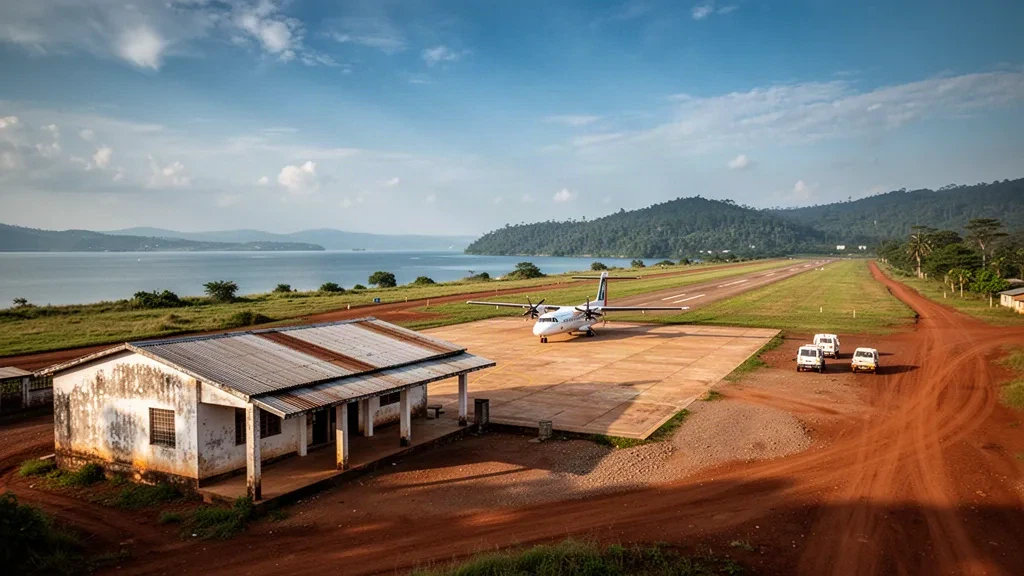
Travel between Kalemie Airport (FMI) and hotels, the port, business districts and other destinations in and around Kalemie.
Hourly Chauffeur
Book a private chauffeur by the hour for business meetings, site visits, sightseeing and flexible travel around Kalemie and the Lake Tanganyika shoreline.
Car Rental
Rent a vehicle in Kalemie for independent travel around the city and journeys to nearby towns, ideally choosing a suitable vehicle for variable road conditions.
Bus & Group Transfers
Arrange minibuses or charter buses for groups, corporate travel, events, airport transfers and excursions in Kalemie and the surrounding region.
Frequently Asked Questions
Related Cities in Democratic Republic of the Congo
View all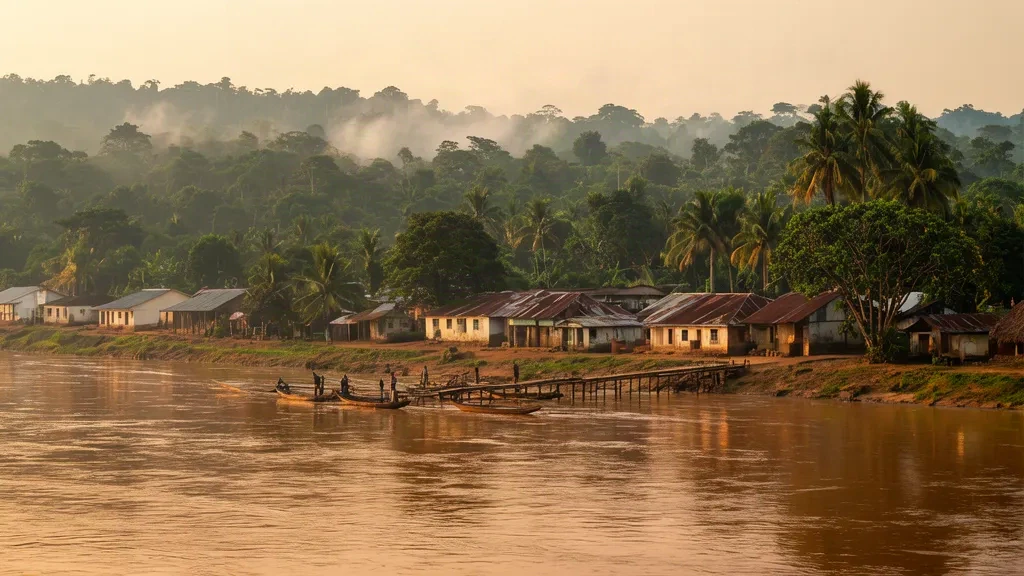
Boende
Boende, the capital of Tshuapa Province in the Democratic Republic of the Congo, sits along the Tshuapa River and serves as a gateway to the region's forests and waterways.
Kisangani
Kisangani, capital of Tshopo Province, is a Congo River city where historic riverfront buildings and busy markets meet the edge of the rainforest.
Gemena
Gemena, the capital of Sud-Ubangi Province in the Democratic Republic of the Congo, is an administrative and commercial hub with a lively market atmosphere and links to the wider Ubangi region.