Obo
Obo, the capital of Haut-Mbomou Prefecture, is a remote market town in southeastern Central African Republic where riverine trade and cross-border connections shape everyday life.
Passengers
Luggage
About Haut-Mbomou
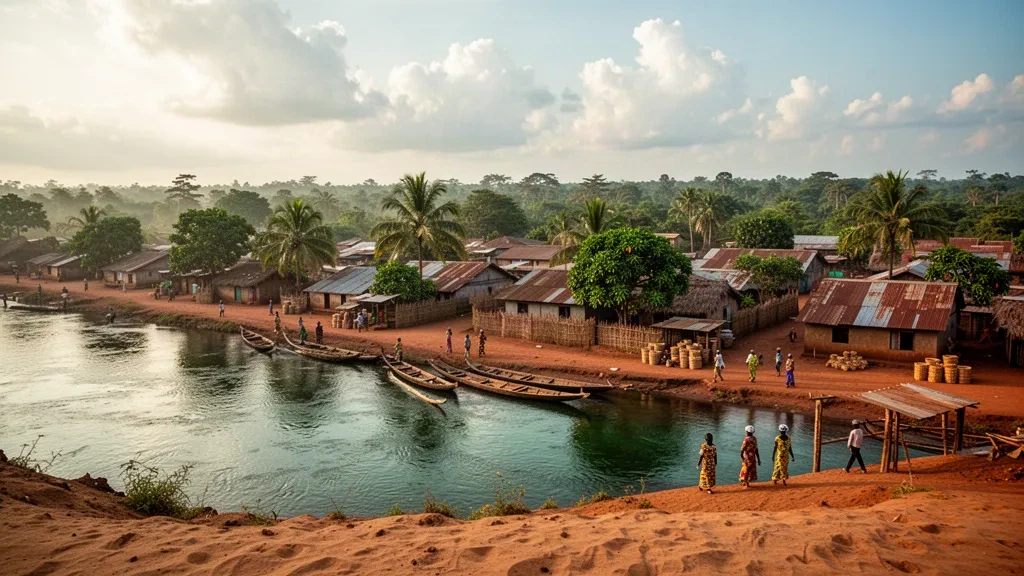
Obo is the capital of Haut-Mbomou prefecture in the far southeast of the Central African Republic, a remote administrative centre near the borders with South Sudan and the Democratic Republic of the Congo. The town stands on the left bank of the Mbokou River, roughly 1,228 km east of Bangui along the RN2, and lies close to the African Pole of Inaccessibility, the point of the continent furthest from the sea.
The town takes its name from the Zande chief Ogbo and grew from a small river settlement into a regional hub. The Africa Inland Mission established a presence in 1925 through the Linquist family, and that missionary legacy remains visible in local institutions such as the evangelical medical centre. Obo also hosts the Hôpital Préfectoral, the only hospital in the prefecture.
Today Obo is a modest trading and administrative town shaped by Zande culture, with a central market, churches and a small airstrip serving the community. Its setting near the Mbomou headwaters offers a glimpse of southeastern Central African Republic's forested, sparsely populated landscape, far from the country's larger urban centres.
For travellers and organisations working in the region, Obo functions as a practical gateway for humanitarian, government and logistics missions in Haut-Mbomou. Infrastructure is limited, roads can be difficult in the rainy season and independent visitors should plan carefully with reliable local support.
The town's remoteness and proximity to the Pole of Inaccessibility give it a distinctive geographic character, while its Zande heritage and frontier setting make it a point of interest for those with a reason to travel to this little-visited part of Central Africa.
Haut-Mbomou Travel Guide
Best Time to Visit
The dry season, roughly from November or December to April, is the most practical time to reach Obo, when the RN2 and local tracks are more passable. Heavy rains from around May to October can make regional road travel slow and unpredictable.
How to Get Around
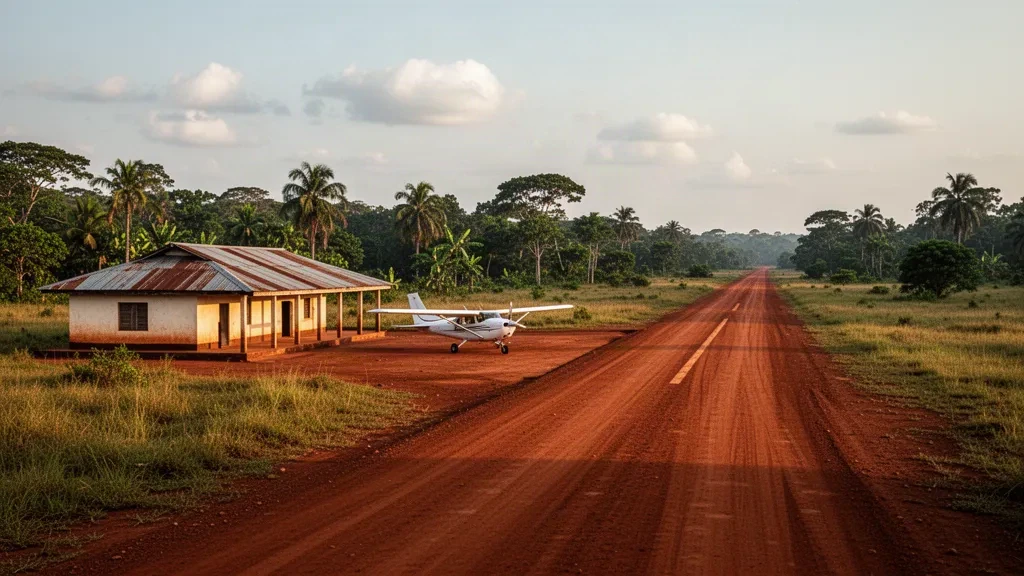
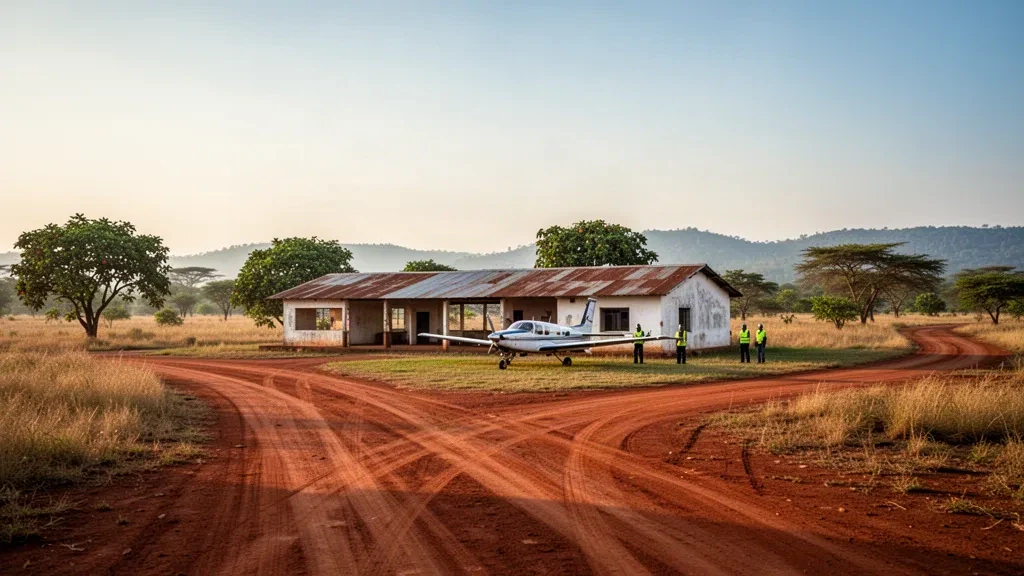
Obo itself is small enough to explore on foot, with motorbike taxis available for short trips around town. Longer journeys require a 4x4 vehicle, and scheduled flights land at Poste Airport for access from other parts of the country.
Where to Stay
Accommodation in Obo is limited to simple guesthouses and lodging used by aid and government missions. It is best to arrange a place to stay in advance through local contacts, as options and services are basic.
Food & Drink
Local meals in Obo centre on cassava, maize, plantains, river fish and grilled meat, often served with sauces and greens. The central market and small street stalls are the main places to find food, with bottled water and supplies limited.
Ground Transportation Services in Haut-Mbomou
Airport Transfers
Arrange transport between Poste Airport and lodgings, offices and meeting points in Obo town and the surrounding area.
Hourly Chauffeur
Book a private driver by the hour for local business meetings, humanitarian site visits and flexible movement around Obo.
Car Rental
Rent a 4x4 in Obo for independent travel within the town and for long-distance journeys on the RN2 and regional tracks.
Bus & Group Transfers
Organise minibuses or charter vehicles for NGO teams, government missions and other groups travelling to or within Haut-Mbomou.

Airports in Haut-Mbomou
Frequently Asked Questions
Related Cities in Central African Republic
View all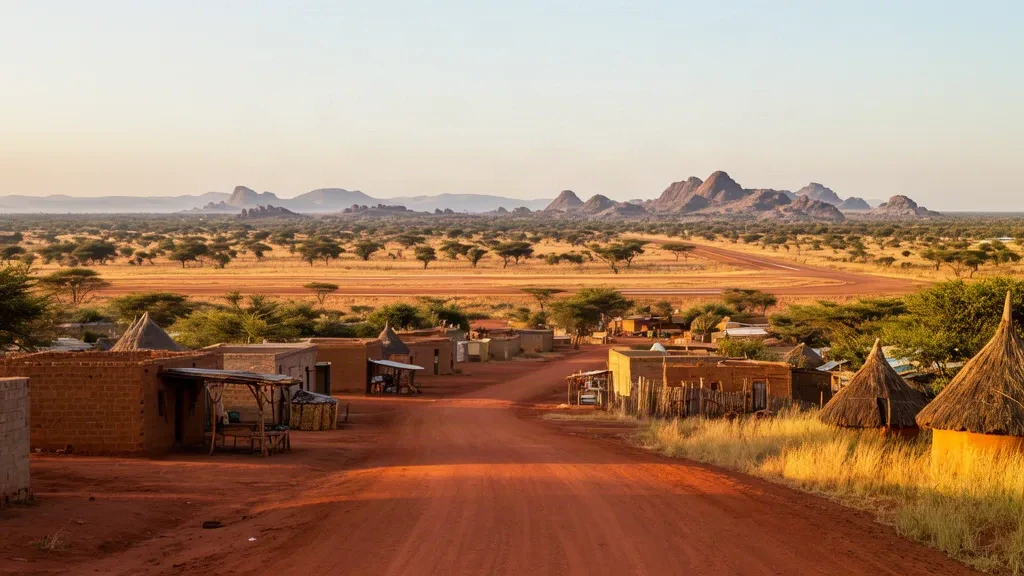
Birao
Birao is the capital of Vakaga Prefecture in the far northeast of the Central African Republic, close to the borders with Chad and Sudan. The town's remote location and Sahelian surroundings shape its role as a small administrative and crossroads settlement.
Sangha-Mbaéré
Sangha-Mbaéré, in the southwest of the Central African Republic, is known for its dense rainforests, rich biodiversity and the Dzanga-Sangha protected areas.
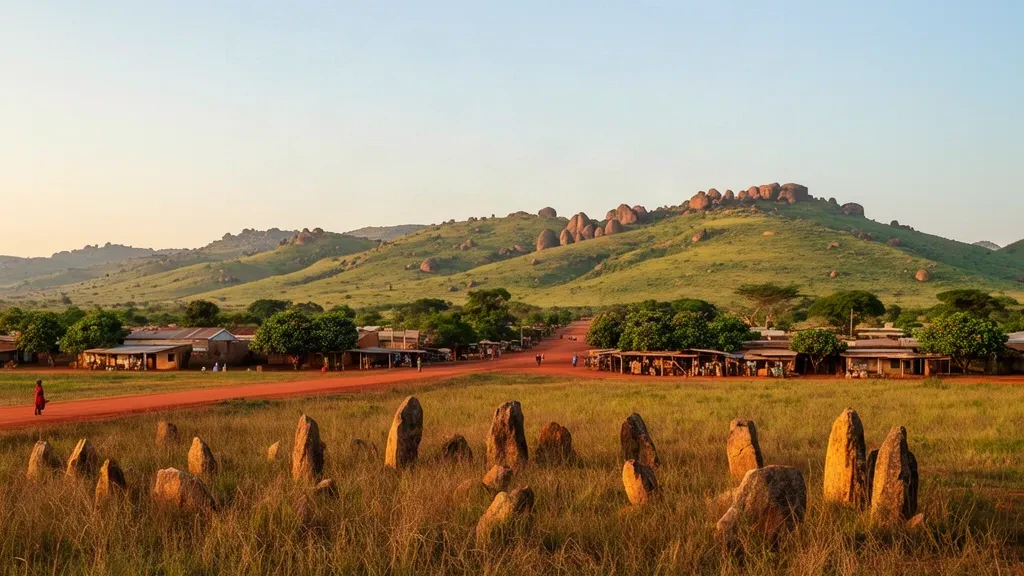
Bozoum
Bozoum, the capital of Ouham-Pendé, is a quiet commercial town in northwestern Central African Republic, set among rolling savanna and known for its busy market.