Trashigang
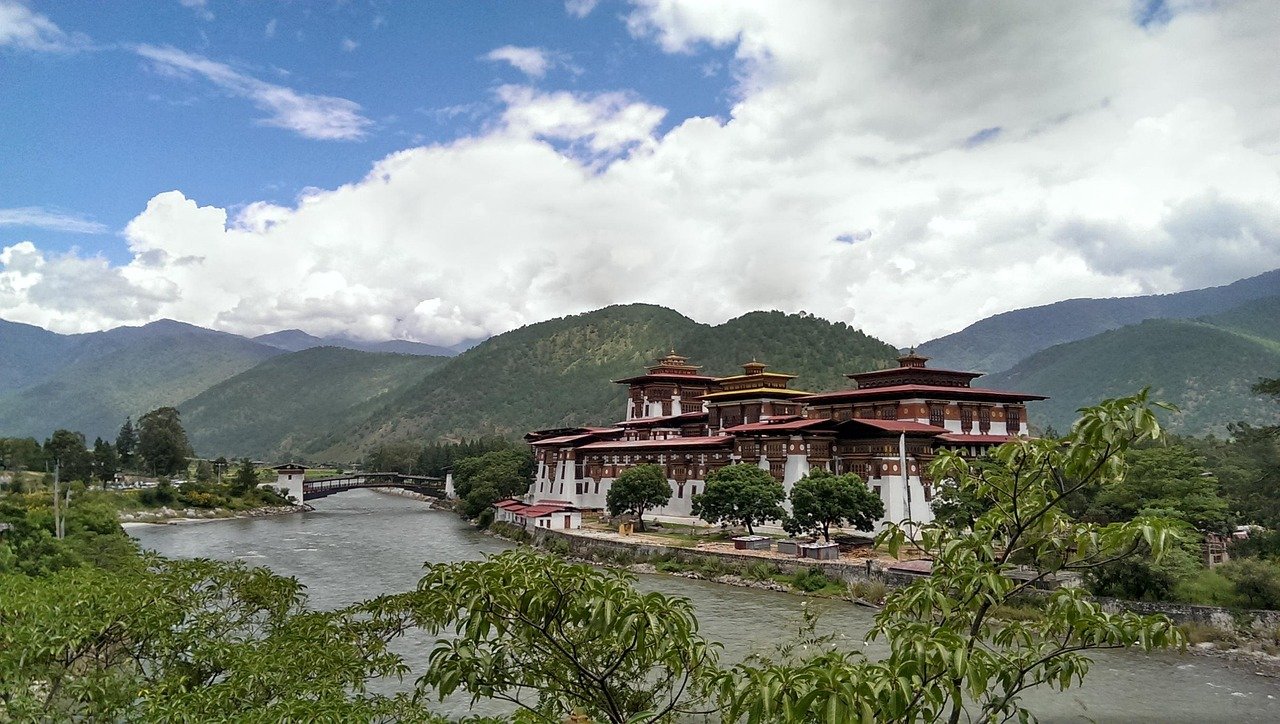
Trashigang, the largest town in eastern Bhutan, sits above the Gamri River and is anchored by the 17th-century Trashigang Dzong, a historic fortress-monastery at the heart of a lively trading and administrative center.
Passengers
Luggage
About Trashigang
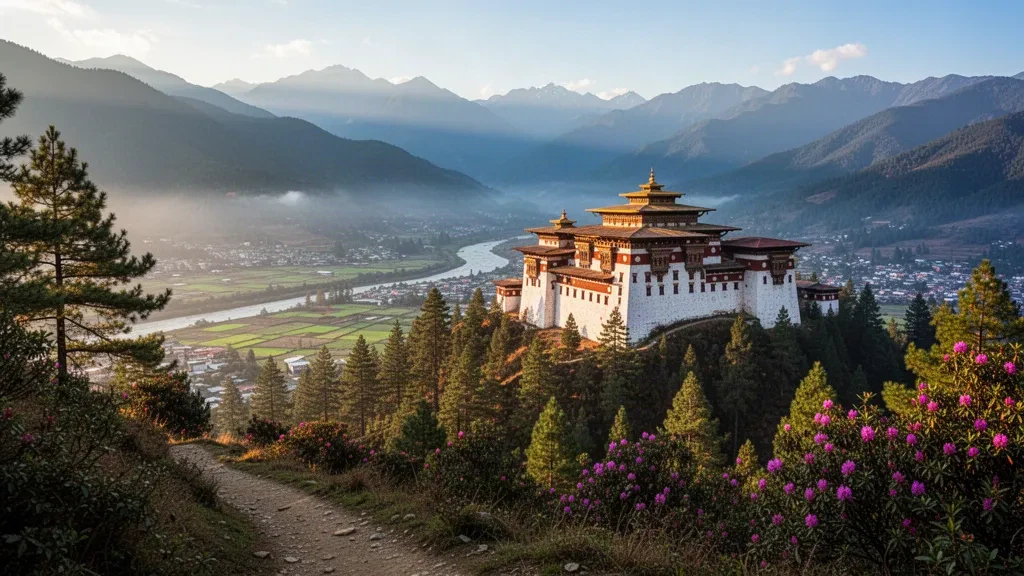
Trashigang is the administrative and trading centre of eastern Bhutan, set on a hilltop above the Drangme Chhu valley. Known as the Jewel of the East, it is the main town of Bhutan's east and a natural stop for travellers crossing the country's mountainous eastern districts.
The town's landmark is Trashigang Dzong, built in 1659 on a ridge with steep cliffs on three sides and used for centuries as both fortress and monastery. Nearby Gom Kora, beside the Drangme Chhu river, is a revered Buddhist pilgrimage site that draws visitors from eastern Bhutan and neighbouring Arunachal Pradesh.
The compact old bazaar clusters around a prayer wheel and remains the district's main trading point, with painted shopfronts, small cafés and a crossroads atmosphere shaped by old trade routes. Around Kanglung, Sherubtse College is one of Bhutan's best-known institutions of higher learning and gives the area a youthful, academic character.
Beyond the town, the district stretches toward Merak and Sakteng, home to semi-nomadic Brokpa communities with distinctive dress and yak-based livelihoods. Seasonal tsechu festivals, including those at Trashigang and Gom Kora, bring masked dances and large local gatherings.
For travellers, Trashigang offers a quieter and more traditional eastern Bhutanese experience, useful as a base between Mongar, Trashi Yangtse and Samdrup Jongkhar. It also matters for regional administration, education and commerce, giving both leisure and business visitors a clear reason to stop.
Trashigang Travel Guide
Best Time to Visit
Spring (March to May) and autumn (October to November) offer the most comfortable weather for exploring Trashigang, with clear mountain views and key festivals. The Trashigang Tsechu usually falls in November or December, while the Gom Kora festival draws pilgrims in spring, and the summer monsoon can bring heavy rain and landslides.
How to Get Around
Trashigang's compact centre is easy to explore on foot, including the old bazaar, prayer wheel and the short walk up to Trashigang Dzong. Local taxis handle longer trips around town, while buses and shared taxis connect Trashigang with Mongar, Samdrup Jongkhar, Trashi Yangtse and Thimphu.
Where to Stay
Most accommodation is small, simple and locally run, concentrated in Trashigang town and nearby Kanglung. Staying near the bazaar gives easy access to the dzong and shops, while Kanglung is convenient for Sherubtse College and the route toward Yongphulla Airport.
Food & Drink
Local eating centres serve Bhutanese staples such as ema datshi (chillies and cheese), momos, rice and seasonal vegetables, alongside simple Indian-influenced dishes. Small cafés around the bazaar offer tea, butter tea and light meals, and festival periods bring extra food stalls to the town.
Ground Transportation Services in Trashigang
Airport Transfers
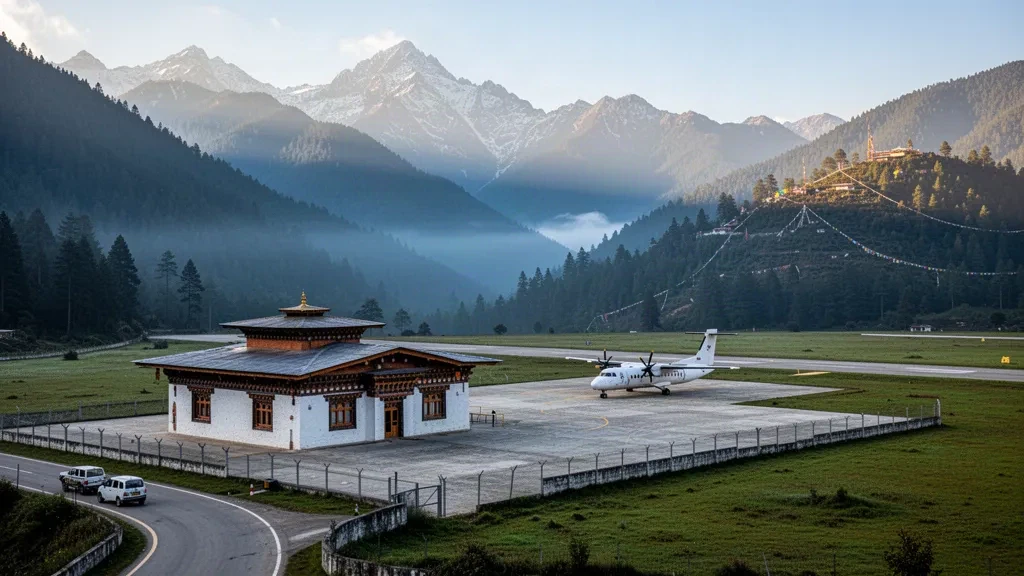
Travel between Yongphulla Airport (Yonphula) and Trashigang town, Kanglung or other destinations across eastern Bhutan.
Hourly Chauffeur
Book a private chauffeur by the hour for visits to Trashigang Dzong, Gom Kora and nearby valleys, or for business travel around eastern Bhutan.
Car Rental
Rent a vehicle in Trashigang for independent travel around eastern Bhutan, with a driver recommended for steep mountain roads.
Bus & Group Transfers
Arrange minibuses or charter buses for group travel to tsechu festivals, pilgrimage sites, corporate events and journeys across eastern Bhutan.
Frequently Asked Questions
Related Cities in Bhutan
View all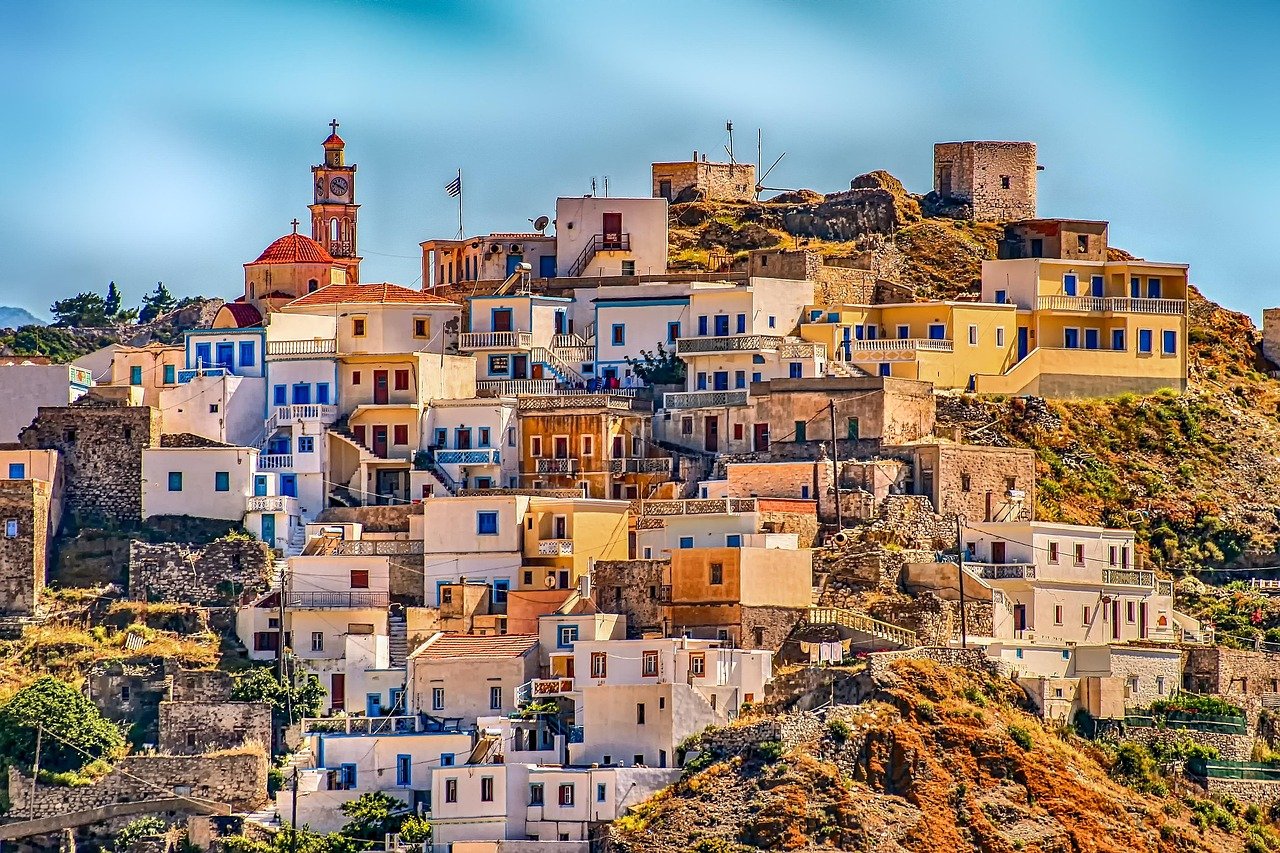
Zhemgang
Zhemgang is a quiet town in south-central Bhutan, set among forested hills and known for its traditional Kheng culture and the historic Zhemgang Dzong. It serves as a gateway to some of the country's richest biodiversity and remote Himalayan landscapes.
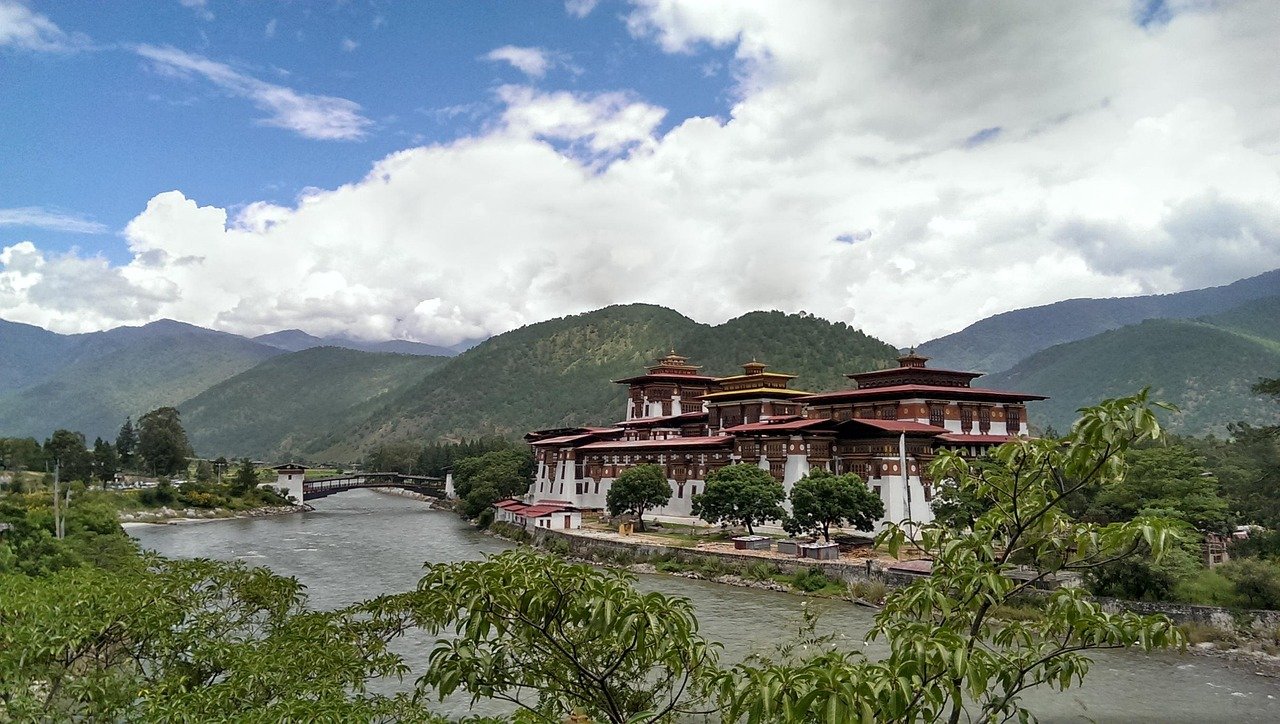
Wangdue Phodrang
Wangdue Phodrang, a historic town in central Bhutan, is defined by its ridge-top dzong, traditional architecture and setting near the confluence of the Punakha Chhu and Dang Chhu rivers. It serves as a gateway to central Bhutan and retains a quiet, distinctly Bhutanese character.
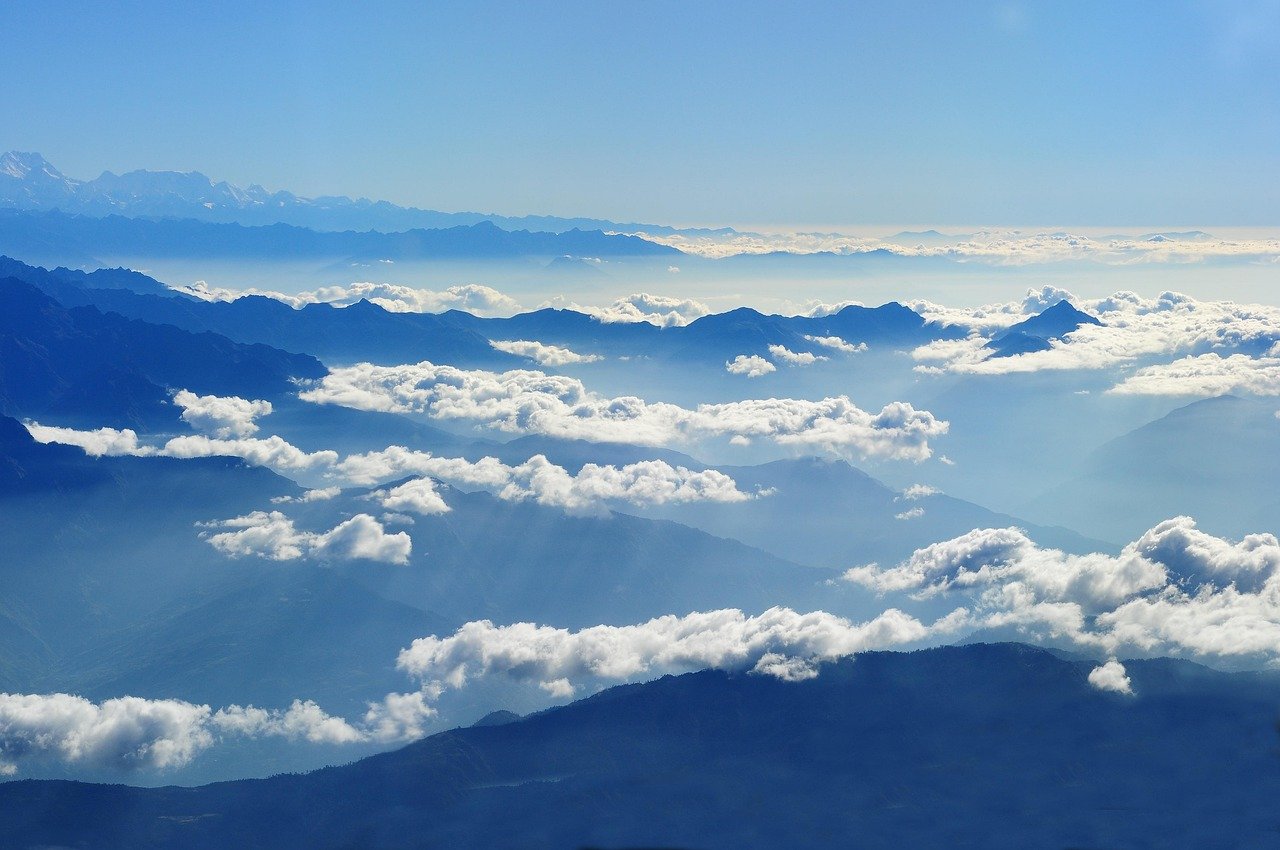
Tsirang
Tsirang, a warm district town in south-central Bhutan, spreads across terraced hills and lush farmland, with a relaxed market atmosphere and views toward the Himalayan foothills.