Tsirang
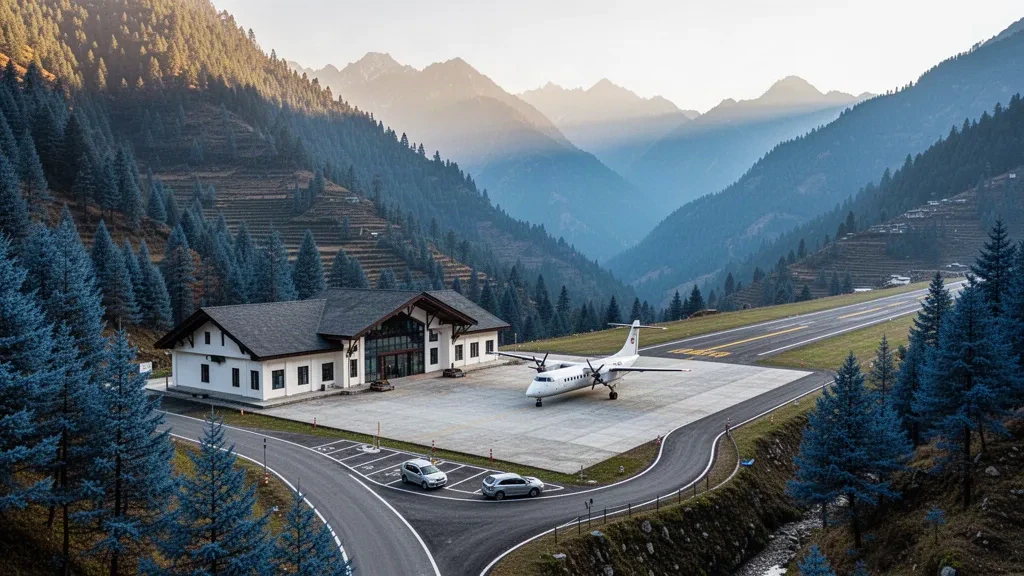
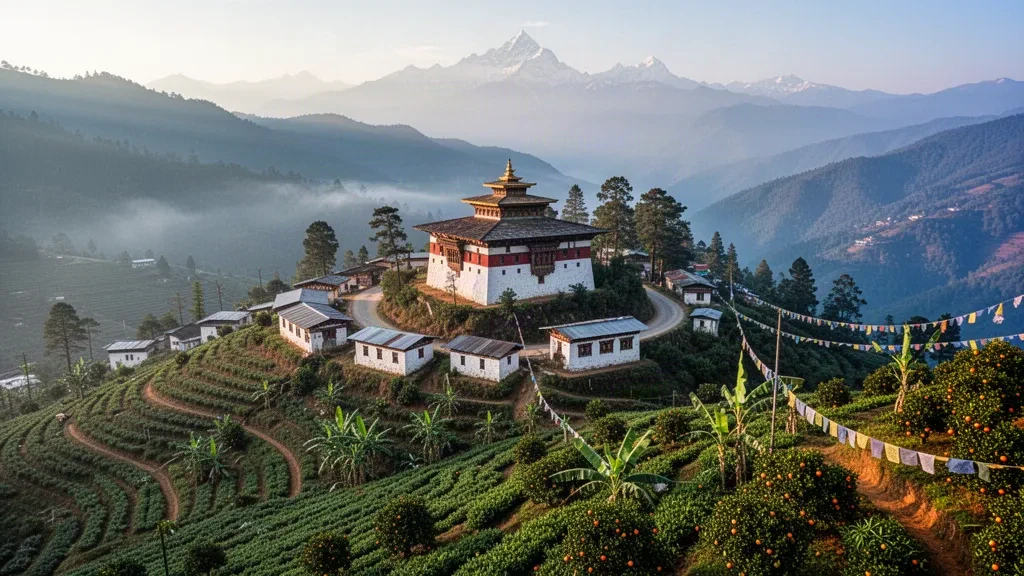
Tsirang, a warm district town in south-central Bhutan, spreads across terraced hills and lush farmland, with a relaxed market atmosphere and views toward the Himalayan foothills.
Passengers
Luggage
About Tsirang
Tsirang is Bhutan's smallest dzongkhag, a warm and gently rolling agricultural district in the south-central part of the country. Its main town, Damphu, sits at about 1,570 metres on the Sarpang–Wangdue highway and serves as the district headquarters, surrounded by orange orchards, cardamom plantations, rice terraces and forested hills.
The district's character is shaped by the meeting of Buddhist and Hindu traditions. In the center of Damphu, a single temple has two doors, one used by the Buddhist Tsirang Dratshang and the other by the Hindu Dharma Foundation of Bhutan. Nearby, Tsirang Namgyel Chholing Rabdey Dratshang is the district's religious center and hosts the annual Tsirang Tshechu, which ends with the unfurling of a Guru Rinpoche thongdrol.
Tsirang Dzong overlooks Damphu as a modern administrative and cultural landmark, while Rigsum Pemai Dumra town park offers a relaxed evening gathering place. Across the district, twelve gewogs hold quiet villages where visitors can join farm visits, village walks, produce tastings and countryside homestays. The Punatsang Chhu river, known downstream as the Sankosh, runs through Tsirang and supports winter birding for species such as ibisbill and crested kingfisher.
As one of Bhutan's most productive farming regions, Tsirang is known for sweet oranges, cardamom, ginger and rice. It also forms a practical road corridor between Gelephu near the Indian border and the valleys farther north, giving it growing relevance as the Gelephu Mindfulness City project develops nearby.
For travelers, Tsirang offers a quieter, less commercialized side of Bhutan: comfortable winter weather, honest rural landscapes and a genuine look at everyday village life. It works well as a cultural stopover on longer road journeys and as a base for slow travel, farm experiences and nature.
Tsirang Travel Guide
Best Time to Visit
October to April is the most comfortable time to visit Tsirang, when Damphu's moderate altitude keeps days pleasant and winters milder than higher valleys. The monsoon from June to August brings heavy rain that can make driving and walking difficult.
How to Get Around
Tsirang is best explored by road, with Damphu located on the Sarpang–Wangdue highway. Private vehicles, taxis and guided transport are the main options, and many visitors combine a stop here with journeys between Gelephu and central Bhutan.
Where to Stay
Damphu town has small hotels and guesthouses convenient for an overnight stop. Countryside homestays and farm stays around the district's villages offer a quieter way to experience rural Bhutanese life.
Food & Drink
Tsirang's cuisine reflects its farming landscape, with fresh local produce such as oranges, cardamom, ginger and rice. Travelers can try traditional Bhutanese dishes like ema datshi alongside southern, Nepali-influenced cooking and home-cooked farm meals.
Ground Transportation Services in Tsirang
Airport Transfers
Travel between Paro International Airport or Gelephu Airport and Damphu, Tsirang hotels, farm stays and other destinations across the district.
Hourly Chauffeur
Book a private chauffeur by the hour for village visits, farm tours, the Tsirang Tshechu and flexible travel around the district.
Car Rental
Rent a car in Tsirang or Damphu for independent journeys along the Sarpang–Wangdue highway and to nearby districts such as Sarpang and Dagana.
Bus & Group Transfers
Arrange minibuses or charter buses for groups traveling between Gelephu, Damphu and northern Bhutan, including festivals, farm tours and corporate travel.
Related Cities in Bhutan
View all
Zhemgang
Zhemgang is a quiet town in south-central Bhutan, set among forested hills and known for its traditional Kheng culture and the historic Zhemgang Dzong. It serves as a gateway to some of the country's richest biodiversity and remote Himalayan landscapes.
Wangdue Phodrang
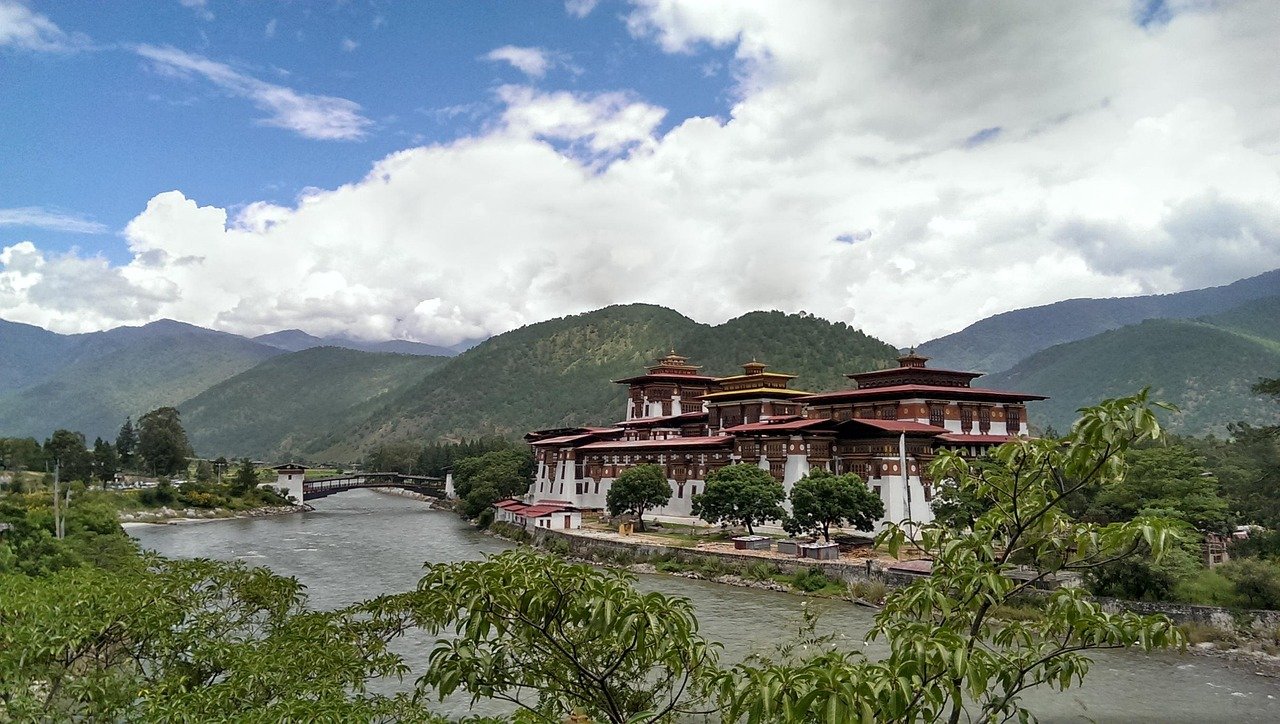
Wangdue Phodrang, a historic town in central Bhutan, is defined by its ridge-top dzong, traditional architecture and setting near the confluence of the Punakha Chhu and Dang Chhu rivers. It serves as a gateway to central Bhutan and retains a quiet, distinctly Bhutanese character.
Trongsa
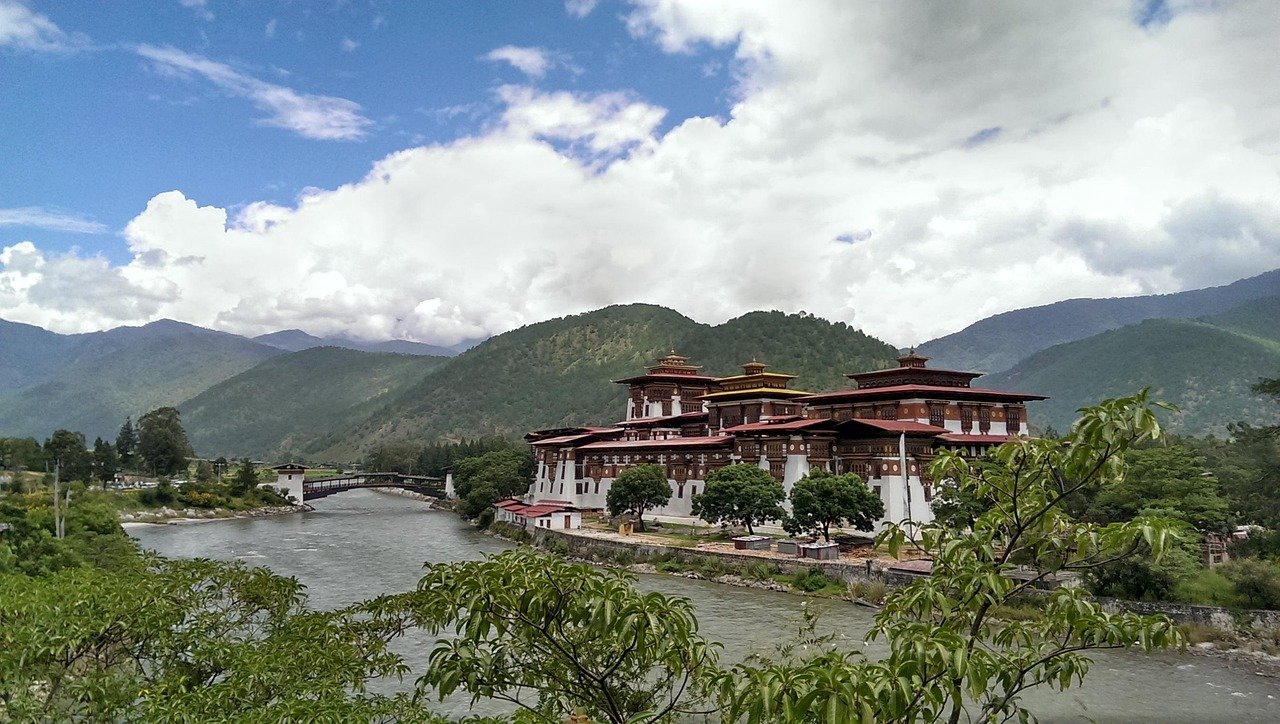
Trongsa, a historic town in central Bhutan, is known for its imposing dzong, the ancestral home of the Wangchuck dynasty, and its dramatic mountain setting. Traditional architecture, sacred sites and quiet streets offer a glimpse of Bhutanese culture and everyday life.