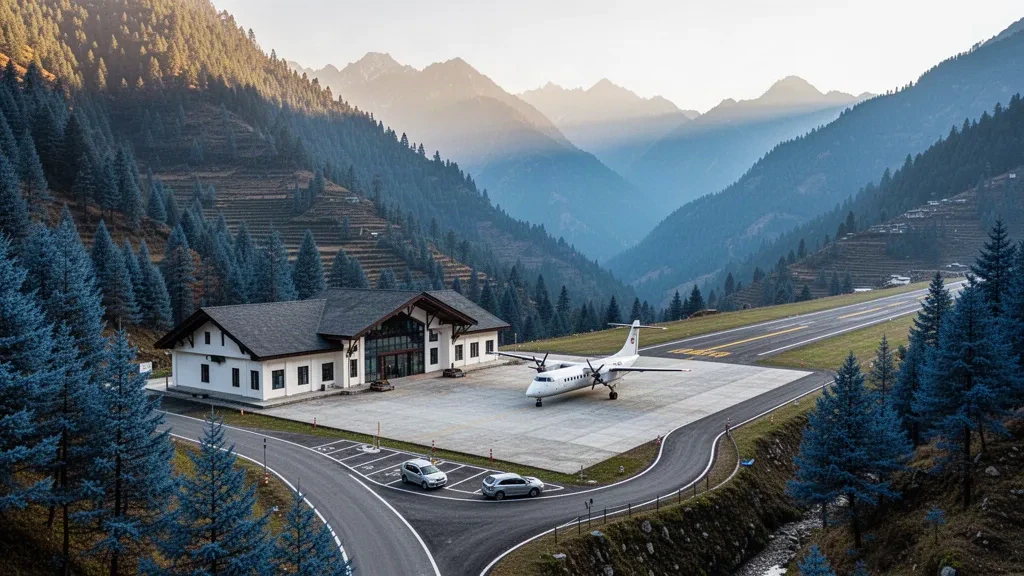
Wangdue Phodrang
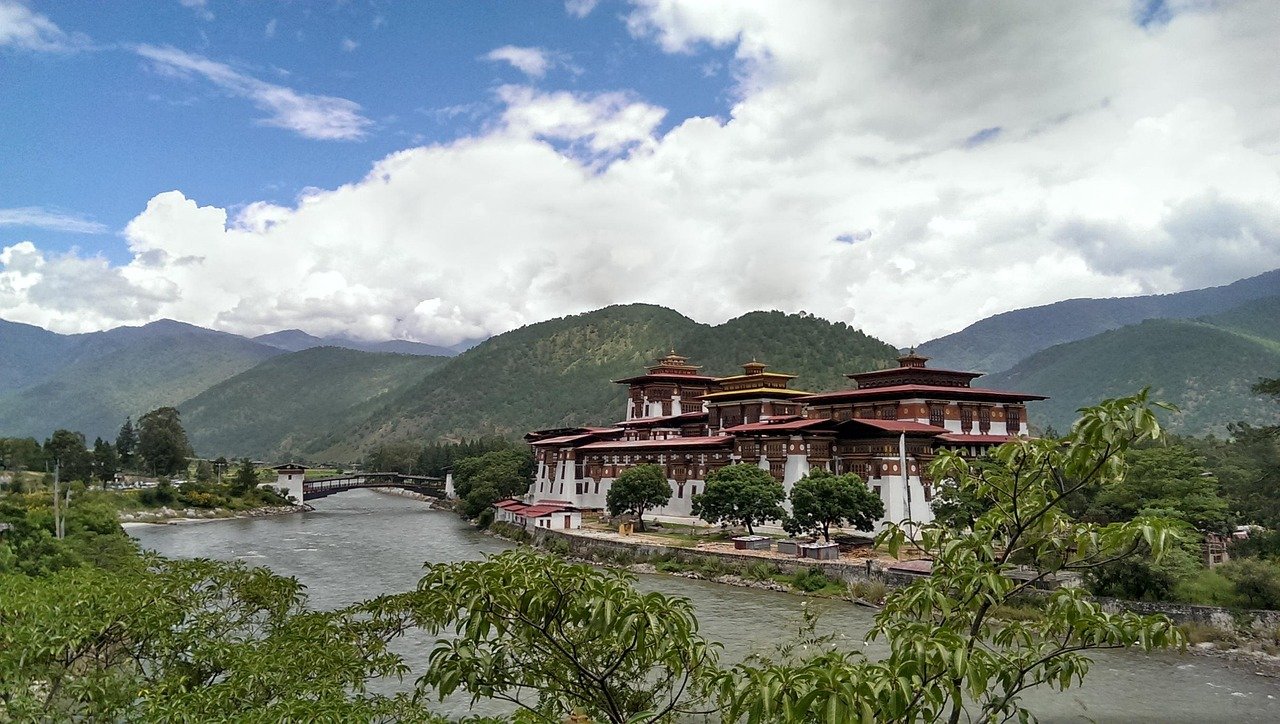
Wangdue Phodrang, a historic town in central Bhutan, is defined by its ridge-top dzong, traditional architecture and setting near the confluence of the Punakha Chhu and Dang Chhu rivers. It serves as a gateway to central Bhutan and retains a quiet, distinctly Bhutanese character.
Passengers
Luggage
About Wangdue Phodrang
Wangdue Phodrang is a small riverside town in west-central Bhutan and the administrative capital of Wangdue Phodrang District. Set where the Puna Tsang Chhu and Dang Chhu rivers meet, it serves as a crossroads between the western valleys and central Bhutan, with terraced fields and forested hills rising around the town.
The town's identity is closely tied to Wangdue Phodrang Dzong, founded in 1638 by Zhabdrung Ngawang Namgyal. Built on a ridge above the river confluence, the fortress was a major administrative and religious centre for centuries. After a fire damaged the dzong in 2012, it was carefully rebuilt using traditional methods, and it remains the focal point for local ceremonies and the annual Wangdue Tshechu festival.
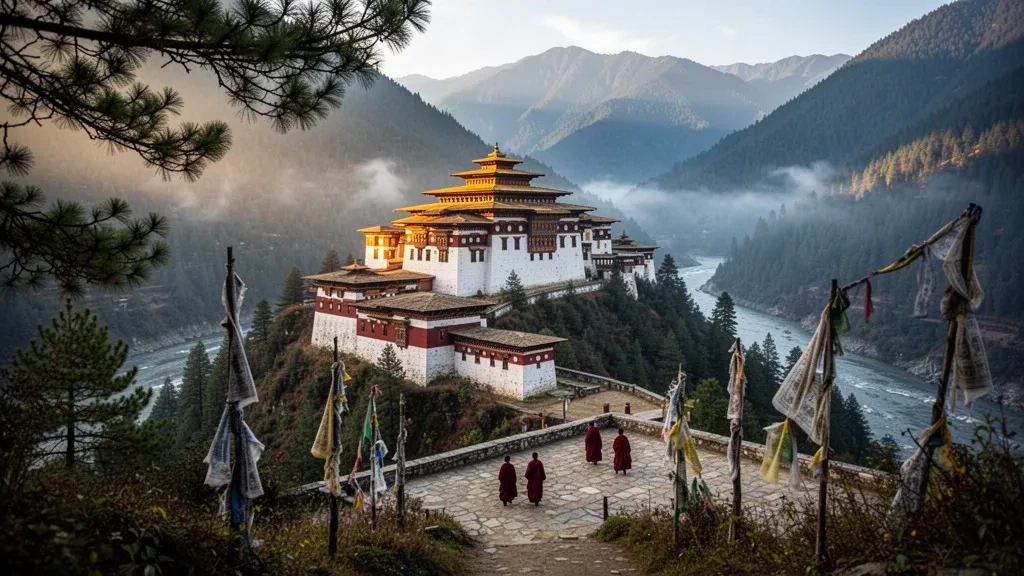
Wangdue Phodrang is best known as the gateway to Phobjikha Valley, a glacial valley near Gangtey Monastery where endangered black-necked cranes winter from late October to February. The valley's wetlands, farm trails and the Gangtey Goenpa monastery attract nature lovers, while the short drive to nearby Punakha opens up another major dzong and fertile riverside valley.
Local life centres on small markets, farm produce, weaving and trade along the Thimphu–Trongsa highway. Visitors can explore the rebuilt dzong, walk to village viewpoints and combine the town with stops at Punakha, Gangtey and Dochula Pass. For business and leisure travellers alike, Wangdue Phodrang offers a quieter, more traditional base for reaching central Bhutan's cultural and natural landmarks.
Wangdue Phodrang Travel Guide
Best Time to Visit
October to November and March to May are the most comfortable periods, with clear skies, mild daytime temperatures and good road conditions. Late autumn is especially rewarding when black-necked cranes arrive in Phobjikha Valley, and the Wangdue Tshechu festival takes place.
How to Get Around
Wangdue Phodrang is compact enough to explore on foot around the town and dzong, while taxis and hired cars are the main options for reaching Phobjikha Valley, Gangtey and Punakha. Public buses connect the town with Thimphu and central Bhutan along the east-west highway.
Where to Stay
Wangdue town and the nearby Bajo area have small hotels and guesthouses convenient for the dzong and highway. Phobjikha Valley offers farmstays and lodges with valley views, while Punakha, about 30 minutes away, provides a wider choice of resorts.
Food & Drink
Local restaurants serve Bhutanese staples such as ema datshi, red rice, momos and buckwheat noodles, often with generous use of chilies and cheese. Small cafés and hotel dining rooms offer simpler Indian, Tibetan and western dishes for travellers.
Ground Transportation Services in Wangdue Phodrang
Airport Transfers
Travel between Paro International Airport and Wangdue Phodrang by private vehicle, covering the roughly 3–4 hour road journey through Thimphu and over Dochula Pass.
Hourly Chauffeur
Book a private chauffeur by the hour for visits to Wangdue Phodrang Dzong, Phobjikha Valley, Gangtey Monastery and nearby Punakha.
Car Rental
Rent a car with an experienced driver for flexible travel around Wangdue Phodrang and onward journeys into central Bhutan.
Bus & Group Transfers
Arrange minibuses or charter buses for groups travelling to festivals, monasteries, treks and cultural sites around Wangdue Phodrang.
Frequently Asked Questions
Related Cities in Bhutan
View all
Zhemgang
Zhemgang is a quiet town in south-central Bhutan, set among forested hills and known for its traditional Kheng culture and the historic Zhemgang Dzong. It serves as a gateway to some of the country's richest biodiversity and remote Himalayan landscapes.
Tsirang
Tsirang, a warm district town in south-central Bhutan, spreads across terraced hills and lush farmland, with a relaxed market atmosphere and views toward the Himalayan foothills.
Trongsa
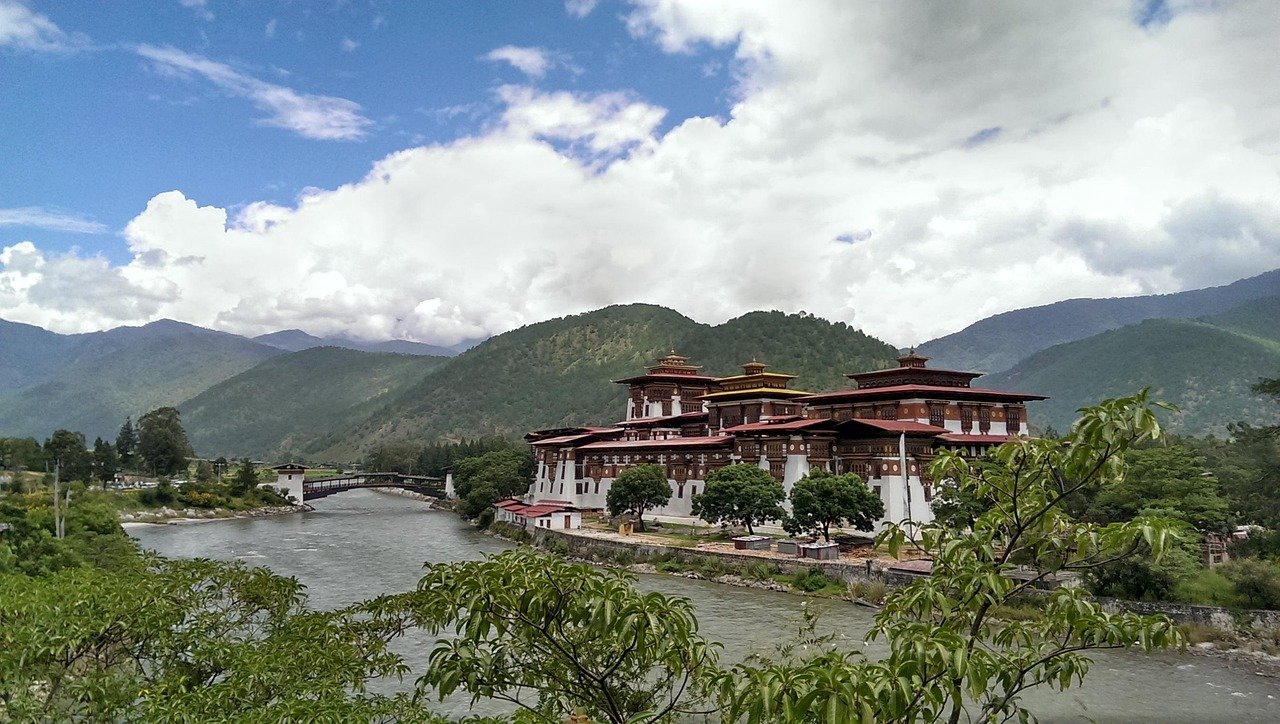
Trongsa, a historic town in central Bhutan, is known for its imposing dzong, the ancestral home of the Wangchuck dynasty, and its dramatic mountain setting. Traditional architecture, sacred sites and quiet streets offer a glimpse of Bhutanese culture and everyday life.