Sarpang
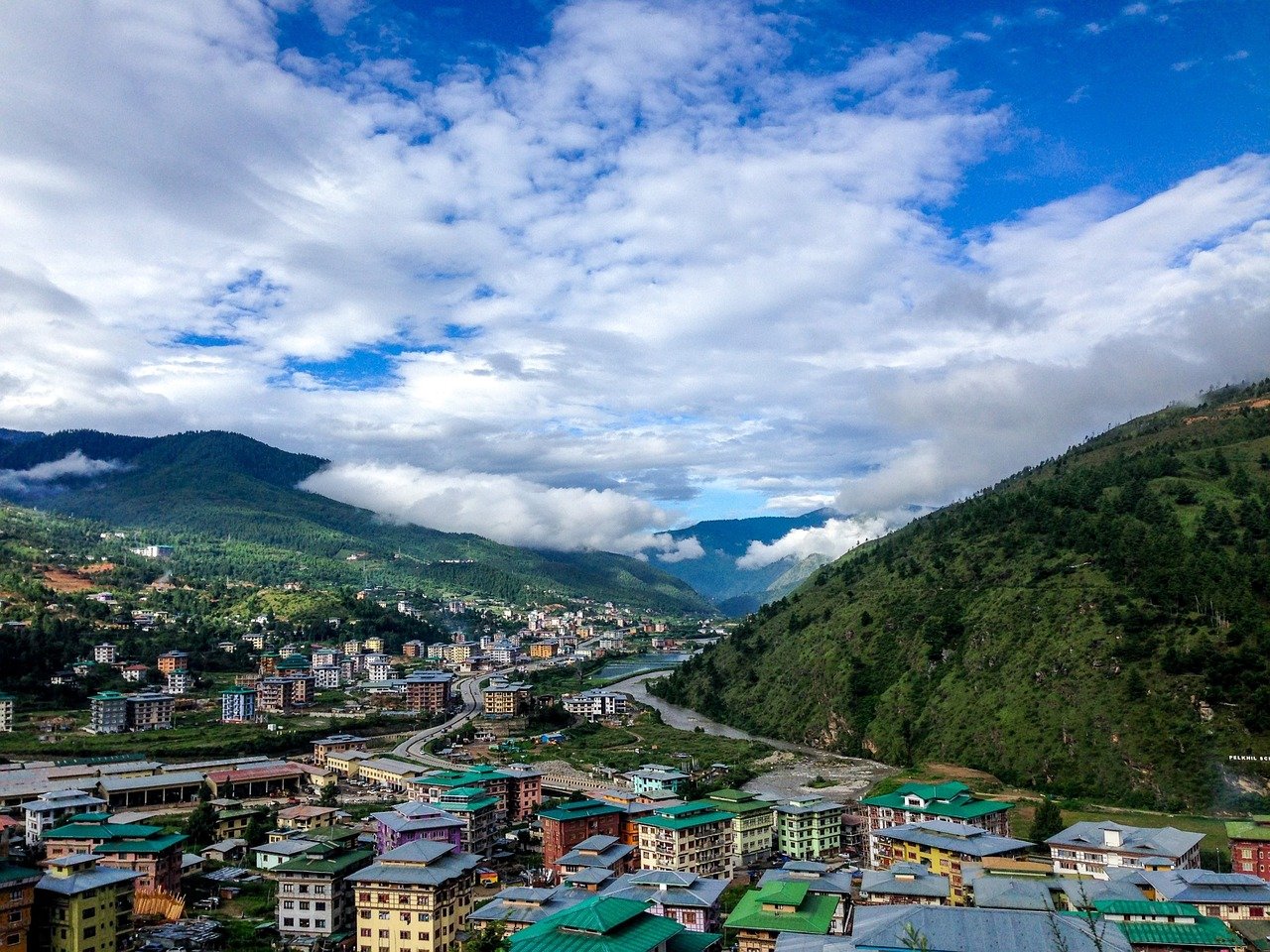
Sarpang, a town in southern Bhutan, blends traditional Bhutanese culture with the energy of a border trading hub, surrounded by lush subtropical landscapes and wildlife-rich national parks.
Passengers
Luggage
About Sarpang
Sarpang is a small district capital in southern Bhutan, set in the subtropical lowlands near the border with the Indian state of Assam. Unlike the alpine valleys of western and central Bhutan, this part of the country is warm, green and largely flat, with rice fields, sal forest and river plains shaping the landscape.
Sarpang District is one of Bhutan's most culturally mixed areas. The town is the administrative headquarters of Sarpang Dzongkhag, while nearby Gelephu serves as the district's main commercial centre and gateway to the south. Much of the local population is Lhotshampa and Nepali is widely spoken, alongside Dzongkha and other regional languages, with both Hindu and Buddhist traditions present in daily life.
The wider district is best known for Royal Manas National Park, Bhutan's oldest protected area, which reaches into eastern Sarpang and is home to elephants, hornbills, tigers and other lowland wildlife. The Gelephu Tshachu hot springs are a popular local stop, and the area is also linked to the emerging Gelephu Mindfulness City development, which is drawing attention as a future economic and tourism hub.
Sarpang town itself is compact and practical rather than a major sightseeing destination. It has government offices, local shops and small eateries, and sits along routes heading toward Zhemgang and central Bhutan. Visitors generally use Sarpang and Gelephu as a base for exploring the southern plains, national park access points and nearby border areas.
For travellers, Sarpang offers a different view of Bhutan: a warmer, more tropical southern landscape with strong cross-border cultural influences. It is useful for leisure visitors interested in wildlife, hot springs and off-the-beaten-path routes, and increasingly relevant for business travel linked to the Gelephu Mindfulness City and regional development projects.
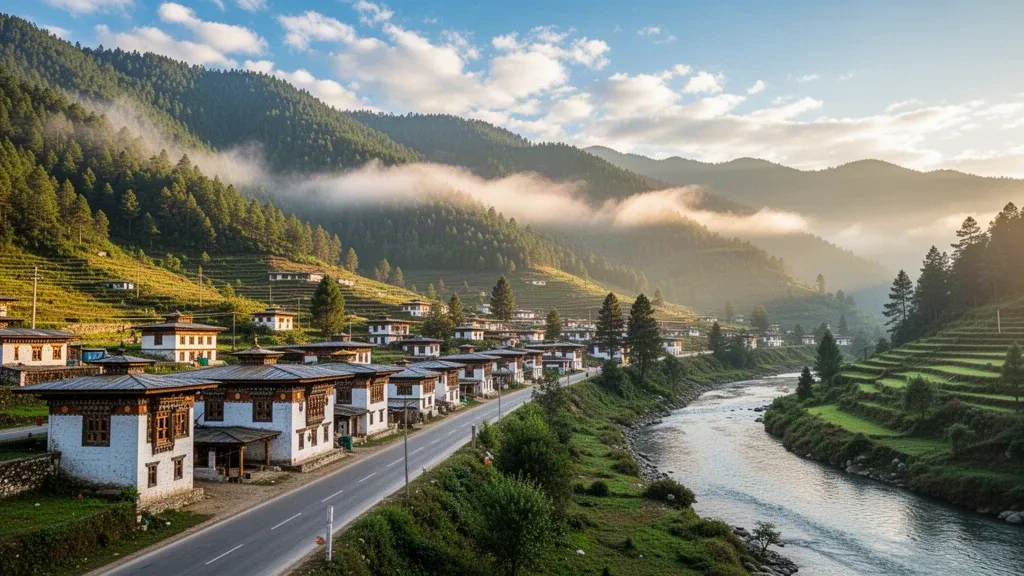
Sarpang Travel Guide
Best Time to Visit
The dry months from November to March are the most comfortable time to explore Sarpang, with cooler evenings and less rain. Summer brings monsoon heat and heavy rainfall that can affect roads and outdoor plans.
How to Get Around
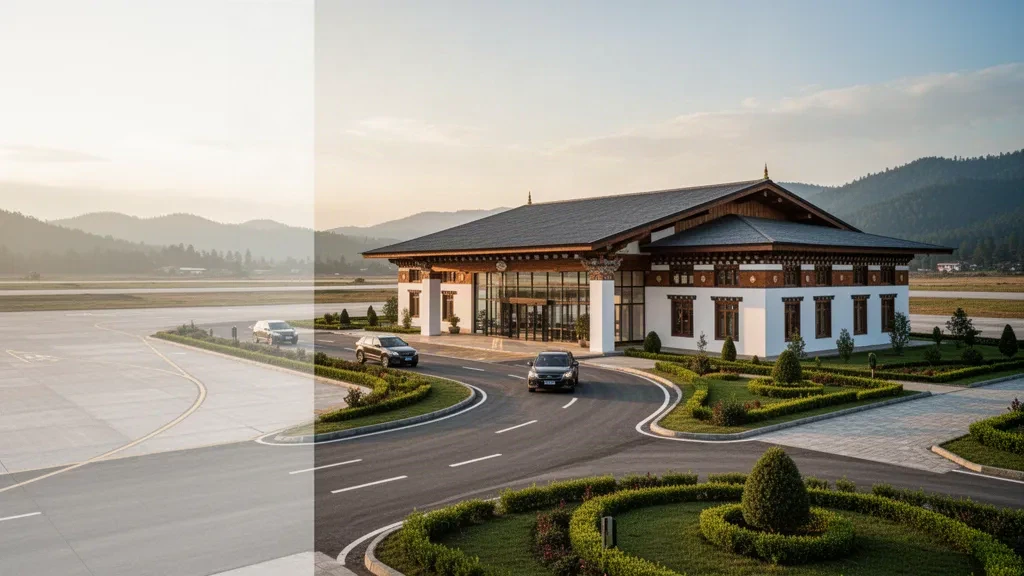
Sarpang is small enough to explore on foot, while taxis and local buses connect the town with Gelephu and other parts of the district. For longer journeys, private cars and domestic flights from Gelephu Airport to Paro are practical options.
Where to Stay
Sarpang town has a limited choice of guesthouses and small hotels. Gelephu, about 19 km away, offers more accommodation, restaurants and services, and is a convenient base for trips to Royal Manas National Park and the hot springs.
Food & Drink
Local food combines Bhutanese and Lhotshampa-Nepali influences, with dishes such as dal bhat, momos and ema datshi widely available. Small restaurants, tea shops and local markets around Sarpang and Gelephu offer simple, affordable meals and fresh southern-Bhutan produce.
Ground Transportation Services in Sarpang
Airport Transfers
Arrange transfers between Gelephu Airport or Paro International Airport and hotels, offices and attractions in Sarpang and the surrounding district.
Hourly Chauffeur
Book a private chauffeur by the hour for business meetings, government visits, sightseeing around Sarpang and flexible journeys to Gelephu or nearby sites.
Car Rental
Rent a car with a driver for independent travel through southern Bhutan, including routes to Gelephu, Royal Manas National Park access points and onward destinations.
Bus & Group Transfers
Use minibuses or charter buses for group travel, corporate events, airport pickups and tours across Sarpang, Gelephu and the wider southern region.
Frequently Asked Questions
Related Cities in Bhutan
View all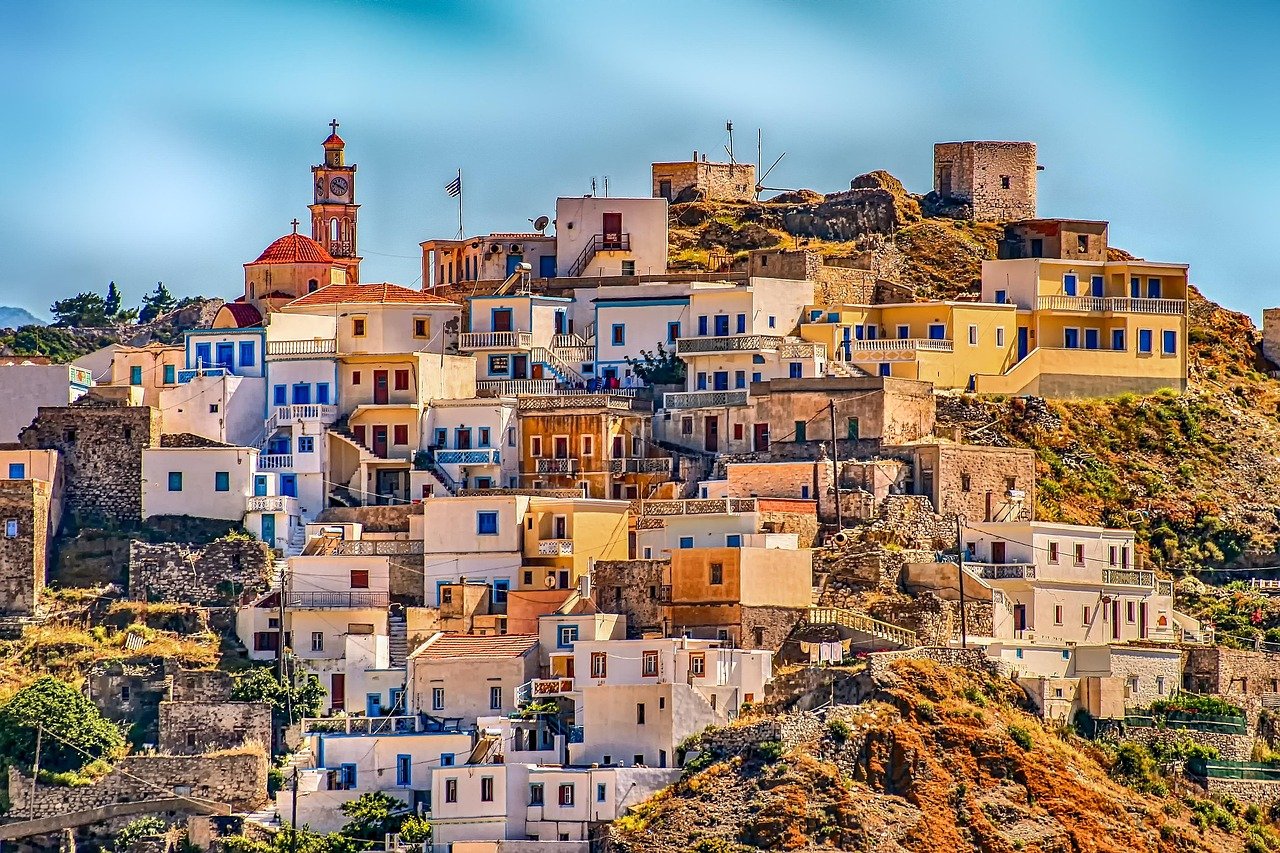
Zhemgang
Zhemgang is a quiet town in south-central Bhutan, set among forested hills and known for its traditional Kheng culture and the historic Zhemgang Dzong. It serves as a gateway to some of the country's richest biodiversity and remote Himalayan landscapes.
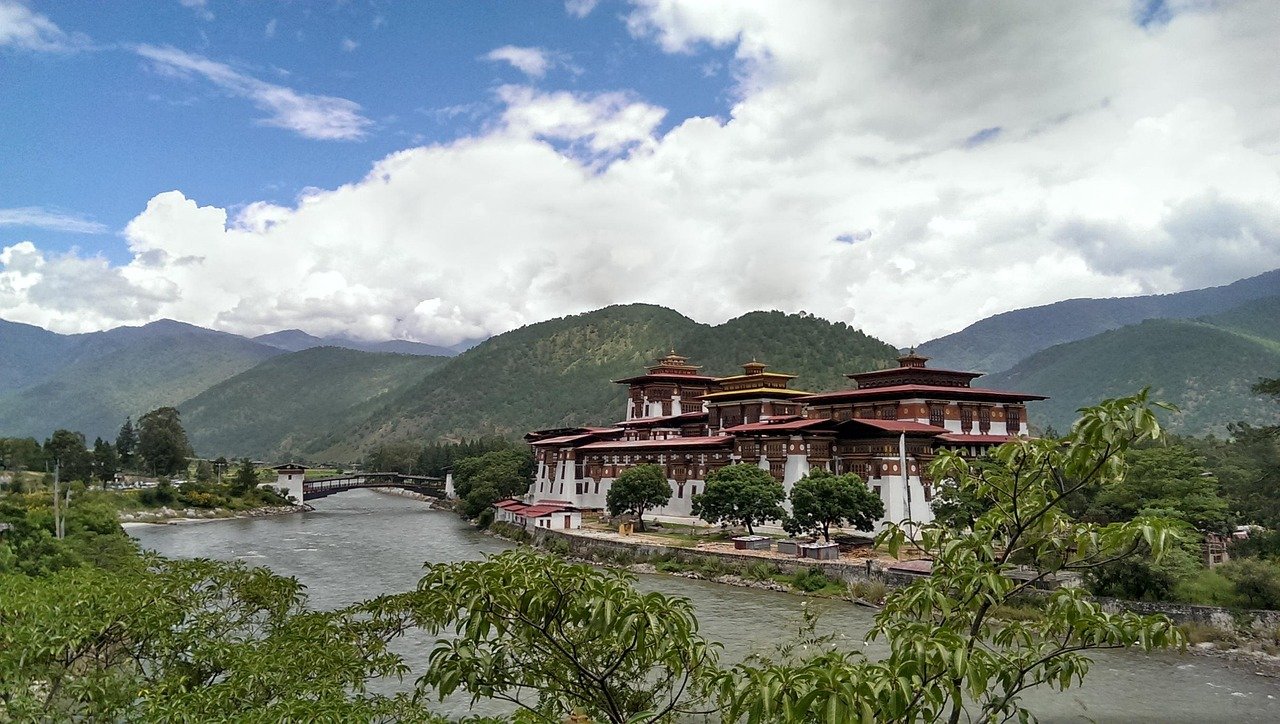
Wangdue Phodrang
Wangdue Phodrang, a historic town in central Bhutan, is defined by its ridge-top dzong, traditional architecture and setting near the confluence of the Punakha Chhu and Dang Chhu rivers. It serves as a gateway to central Bhutan and retains a quiet, distinctly Bhutanese character.
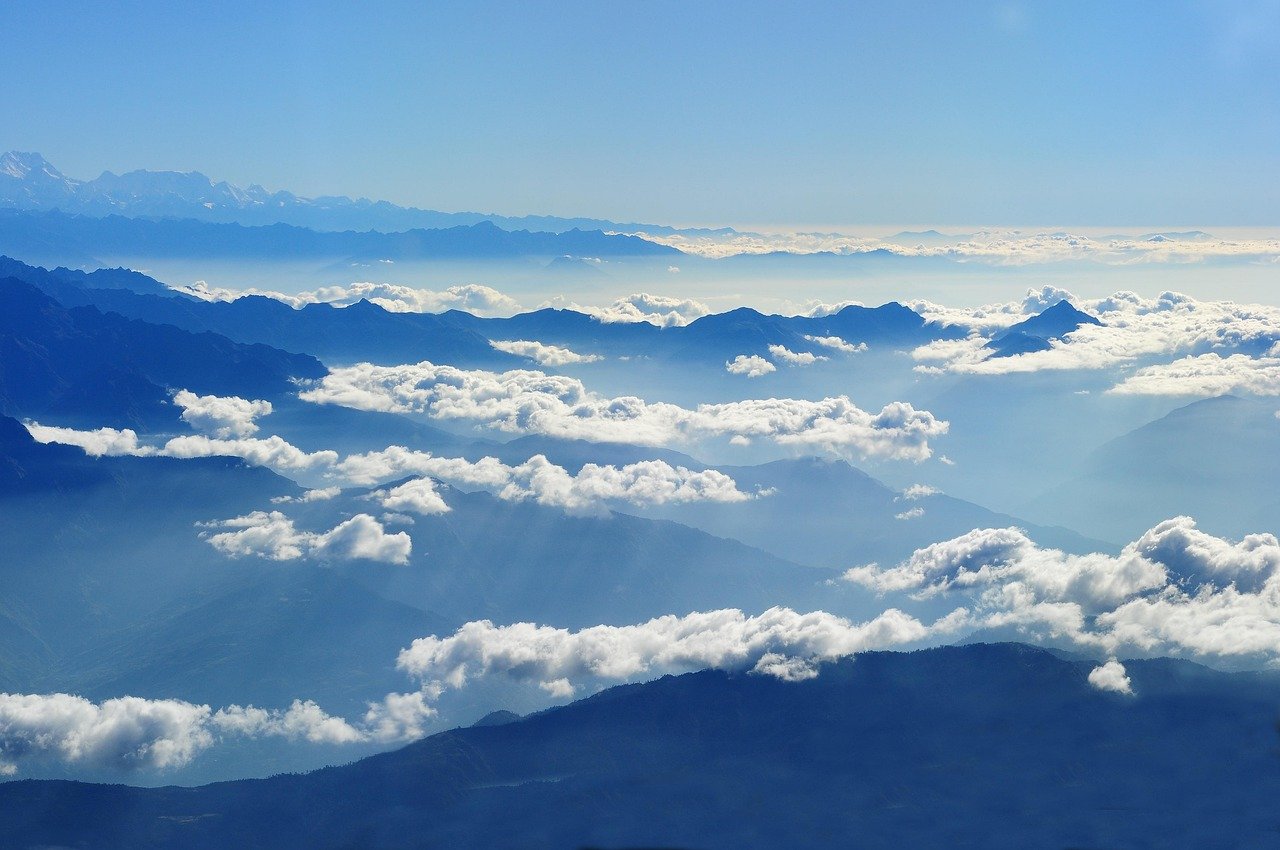
Tsirang
Tsirang, a warm district town in south-central Bhutan, spreads across terraced hills and lush farmland, with a relaxed market atmosphere and views toward the Himalayan foothills.