Naama
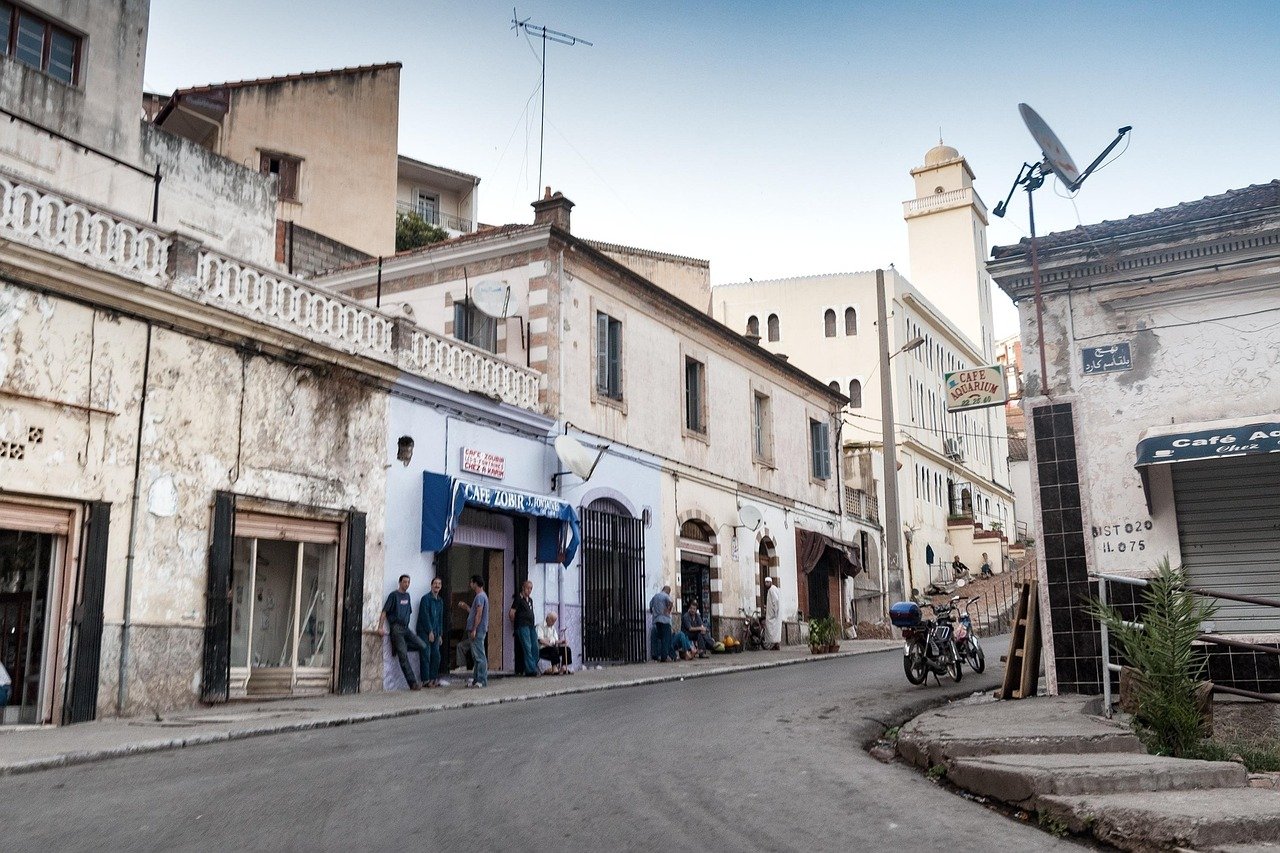
Naama, capital of Naâma Province in western Algeria, lies on the high plateaus near the Ksour Mountains. The town blends a traditional pastoral heritage with a rugged desert-edge setting.
Passengers
Luggage
About Naama
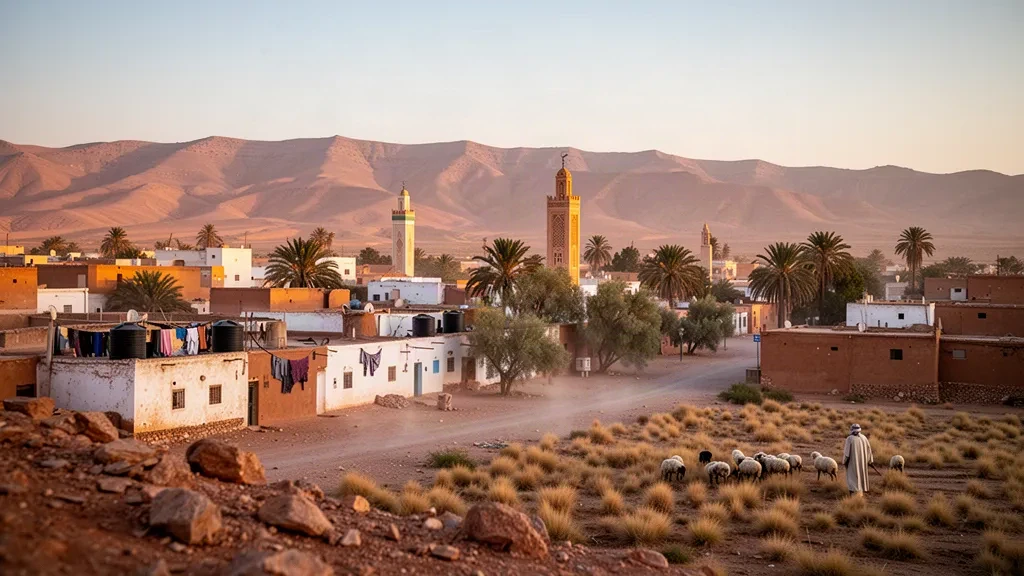
Naâma is a small highland town in western Algeria and the administrative capital of Naâma Province, close to the Moroccan border. Set at roughly 1,176 metres on the Hauts Plateaux between the Tell Atlas and the Sahara, it serves as a modest but authentic gateway to the steppe and desert landscapes that define the region.
The town itself is a quiet provincial centre with a souk, administrative buildings and earthen architecture, while the wider province is better known for its dramatic scenery. Nearby Aïn Séfra, often called a gateway to the Sahara, is fringed by red sand dunes, while the oasis of Tiout combines palm groves with rock engravings and a petrified forest. Old fortified villages known as ksour, such as those at Assela, Moghar and Sfissifa, preserve centuries of Saharan building tradition.
The region also carries historical depth. The Kalaât of Cheikh Bouamama commemorates a local resistance leader of the late 19th century, and the grave of explorer Isabelle Eberhardt at Aïn Séfra links the province to a fascinating chapter of colonial-era travel writing. The natural salt flats around Naâma and the thermal springs at Aïn Ouarka add to its off-the-beaten-track appeal.
Life here is built around pastoral farming, oasis agriculture and cross-border trade, with sheep rearing and date cultivation central to the local economy. The railway line between Oran and Béchar passes through the province, and the national road network links Naâma to the larger centres of the west and the south.
For travellers, Naâma is a base for exploring the high steppe and the northern Sahara rather than a busy tourist hub. It appeals to visitors interested in desert landscapes, heritage ksour, rock art and a slower, more authentic Algerian pace, and it offers practical onward connections for business and regional travel.
Naama Travel Guide
Best Time to Visit
Spring (March to May) and autumn (September to November) are the most comfortable seasons, with mild days suited to visiting ksour, oases and desert viewpoints. Summers are very hot and dry, while winter nights can be cold and sometimes drop below freezing.
How to Get Around
The compact centre of Naâma is easy to explore on foot, and shared or private taxis link the town with nearby Mécheria, Aïn Séfra and Tiout. Buses and long-distance taxis connect to larger cities, while a rental car gives more freedom for visiting dunes, salt flats and remote ksour.
Where to Stay
Accommodation is limited and mostly consists of small hotels and guesthouses in Naâma town. Mécheria and Aïn Séfra offer a few additional options, with Aïn Séfra convenient for the red dunes and Aïn Ouarka having spa-related lodging.
Food & Drink
Local cooking reflects Saharan and highland traditions, with couscous, chorba, slow-roasted lamb and dates from the oases. Mint tea is served throughout the day, and the weekly souks are the best places to find fresh produce, bread and regional specialities.
Ground Transportation Services in Naama
Airport Transfers
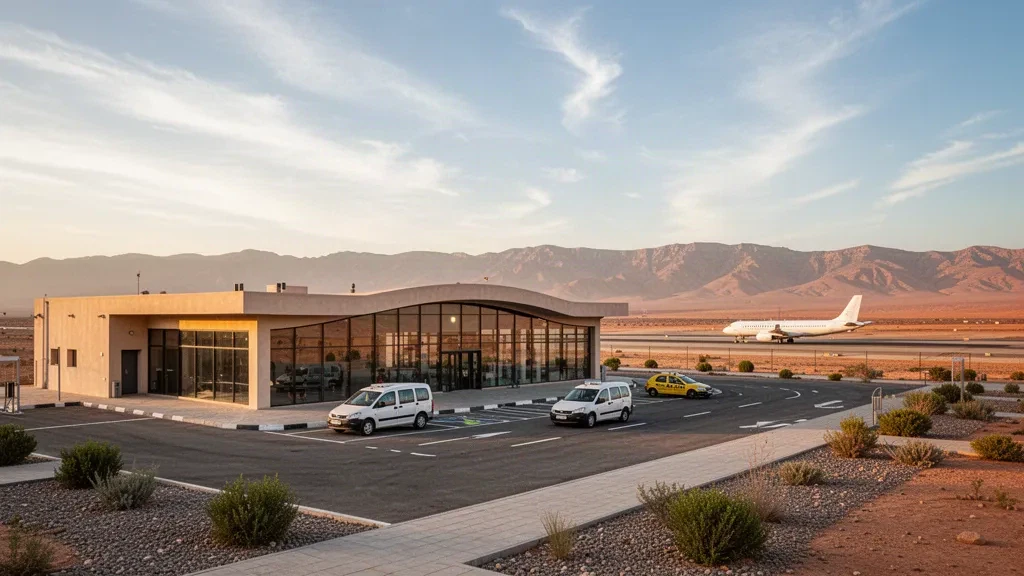
Travel between Cheikh Bouamama Airport near Mécheria and Naâma town, hotels, and destinations across the province.
Hourly Chauffeur
Book a private driver by the hour for business meetings, local errands, or day trips to Aïn Séfra, Tiout and the historic ksour.
Car Rental
Rent a car in Naâma or Mécheria for independent travel across the steppe and easier access to dunes, oases and heritage sites.
Bus & Group Transfers
Arrange minibuses or charter coaches for groups, corporate trips, airport pickups and guided tours around Naâma Province.
Frequently Asked Questions
Related Cities in Algeria
View all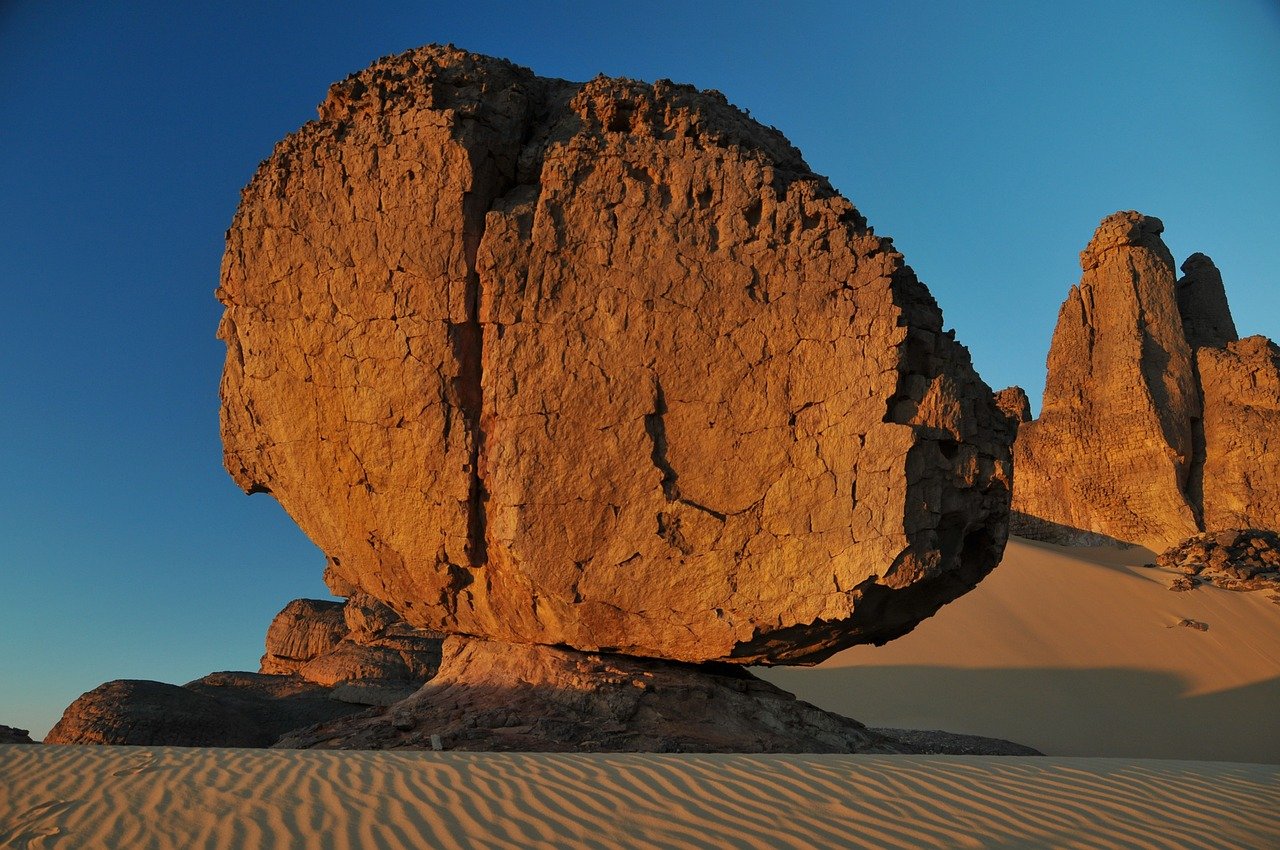
Touggourt
Touggourt, a historic Saharan oasis in Algeria, has long served as a gateway for desert travellers, with palm groves, traditional ksour architecture and a lively market culture. Its blend of Saharan heritage and everyday oasis life gives the city a distinctive, welcoming character.
Tlemcen
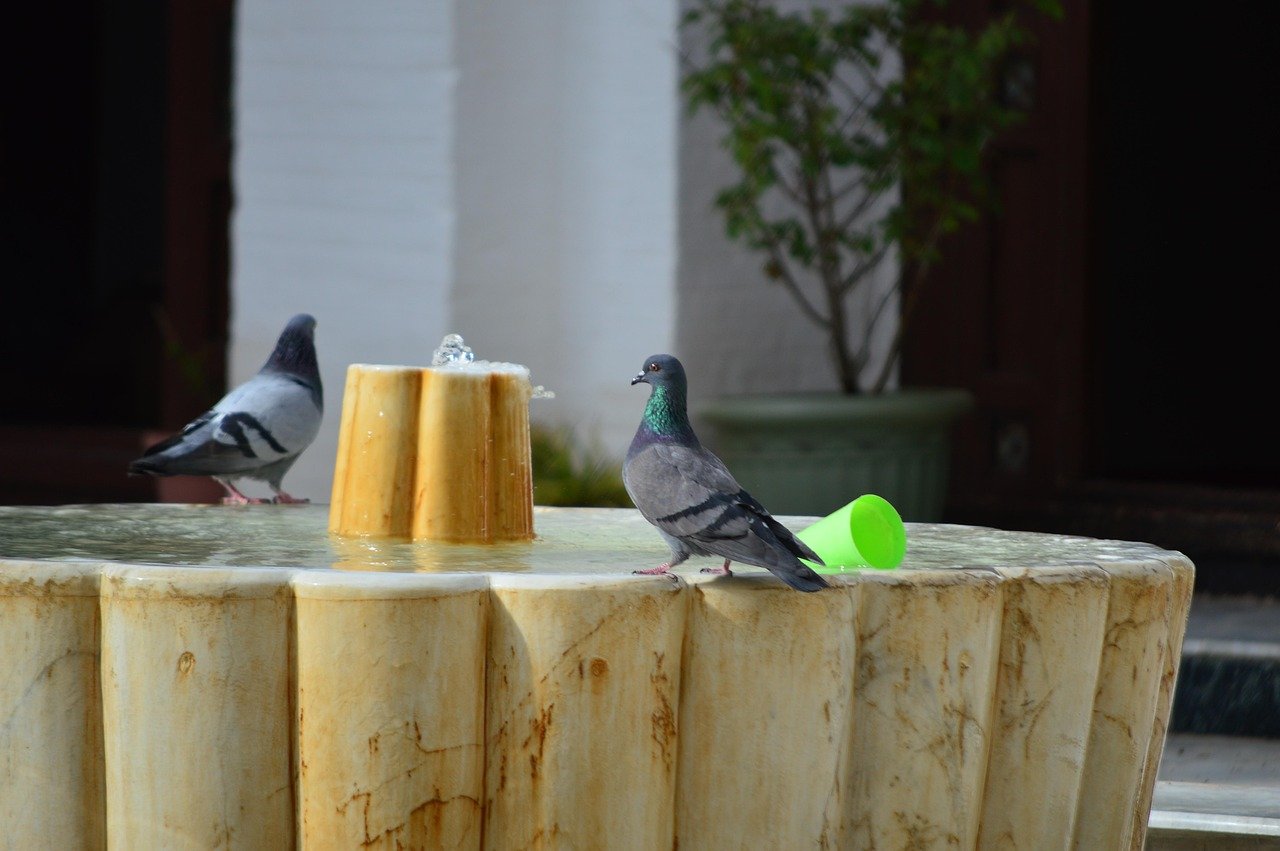
Tlemcen, a historic city in northwestern Algeria, is known for its Andalusian and Islamic architecture, refined cultural heritage and landmarks such as the Great Mosque and El Mechouar Palace. Its lively medina, olive-covered hills and academic traditions give it a distinctive character that rewards slow exploration.
Tizi Ouzou
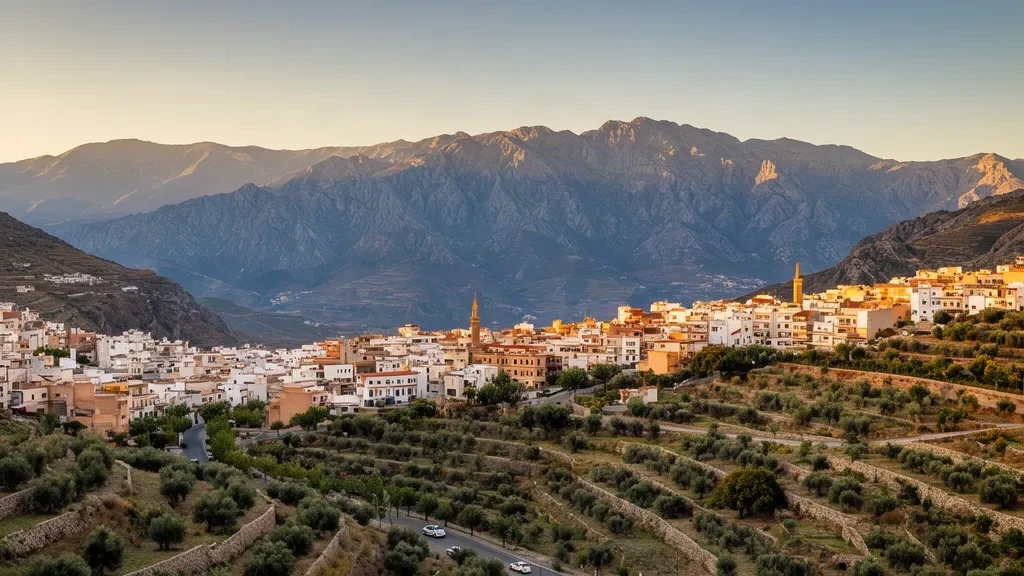
Tizi Ouzou, capital of its namesake province in Algeria's Kabylie region, blends Amazigh heritage, mountain scenery and a youthful university atmosphere with markets, crafts and olive groves.