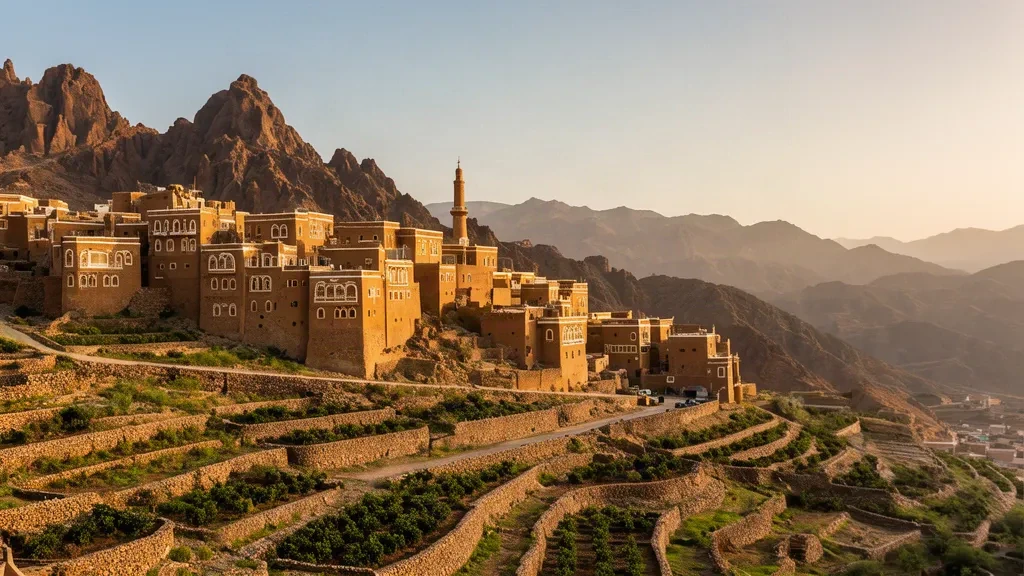
Hajjah
Hajjah, a city in northwestern Yemen, sits in a mountainous region with a long history and a distinct local culture that reflects the traditions of the Yemeni highlands.
Passengers
Luggage
About Hajjah
Hajjah is the capital of Hajjah Governorate in northwestern Yemen, a historic mountain town set at about 1,800 metres above sea level and roughly 127 kilometres northwest of Sana'a. Surrounded by peaks, terraced slopes and deep valleys, the town overlooks Wadi Mawr and the Tihama coastal plain to the west, giving it a dramatic highland setting that has shaped its identity as a regional centre.
The town's heritage is closely tied to its fortifications. The Al-Qahira citadel, built during the first Ottoman rule of Yemen, rises above Hajjah on the eastern side and later served as a prison under Imam Ahmed before becoming a visitor site. Nearby forts such as Jahesh, Naman and the higher Kuhlan Affar citadel, together with Ottoman-influenced older houses, reflect centuries of strategic and architectural importance.
Around the town, the governorate offers a striking mix of landscapes. Mountain villages cling to terraces that grow coffee, fruits and cereals, while weekly souqs draw traders from surrounding districts. Toward the coast, villages of thatched huts along the Hajjah–Haradh road and near Wadi Mawr show a very different building tradition, and Al-Mahabisha is known for finely made palm-leaf hats.
Hajjah remains primarily an agricultural and administrative centre rather than a large business hub. Coffee, cereals, tobacco, dates and livestock support much of the local economy, and the town serves as a base for government services across the governorate.
For travellers, Hajjah appeals mainly as a historic and scenic destination, offering fortress heritage, highland views and access to the contrasting Tihama coast. Because transport and security conditions require planning, most visitors arrange road travel from Sana'a and use local guidance when exploring the governorate.
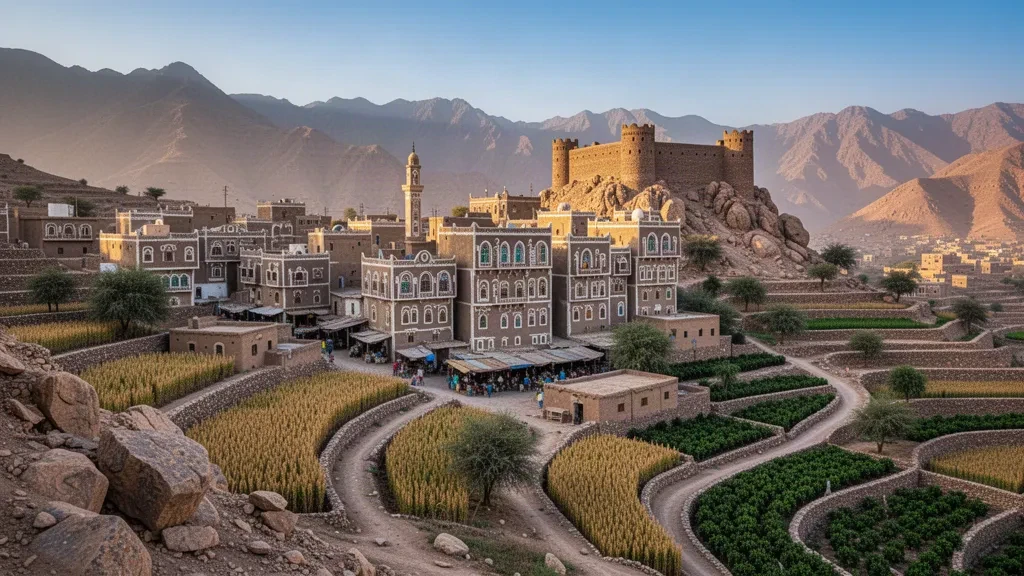
Hajjah Travel Guide
Best Time to Visit
October to March is the most comfortable period, with cooler highland weather for visiting forts and terraces. Summer can be warm in the mountains, while the Tihama coastal plain is hot and humid for much of the year.
How to Get Around
The old town is compact enough to explore on foot, and shared taxis and minibuses serve surrounding districts. For the mountain road from Sana'a and trips to forts and viewpoints, a private car or driver is the most practical option.
Where to Stay
Accommodation in Hajjah is limited, with a small number of hotels and guesthouses near the town centre. Many visitors stay in Sana'a and travel by road, while Haradh and Abs offer basic options on the coastal side of the governorate.
Food & Drink
Local dining centres on Yemeni staples such as saltah stew, fahsa, mandi and fresh flatbreads. The Hajjah region is known for coffee grown on mountain terraces, and small restaurants and weekly souqs provide everyday food across the town.
Ground Transportation Services in Hajjah
Airport Transfers
Travel between Sana'a International Airport and Hajjah across the roughly 127-kilometre mountain road, convenient for arrivals heading to the governorate centre.
Hourly Chauffeur
Book a private chauffeur by the hour to visit Al-Qahira citadel, Kuhlan Affar fort, terraced villages and mountain viewpoints around Hajjah.
Car Rental
Rent a car in Sana'a for independent travel to Hajjah and onward journeys across the governorate's mountain and coastal areas.
Bus & Group Transfers
Arrange minibuses or charter buses for groups travelling to Hajjah, Haradh, Abs and coastal plain sites for tours, events and multi-stop trips.

Frequently Asked Questions
Related Cities in Yemen
View all
Ta'izz
Ta'izz, a historic city in Yemen's highlands, is known for its Rasulid-era architecture, old mosques and the hilltop Al-Qahira Castle, with a lively market and coffee-growing heritage.
Socotra
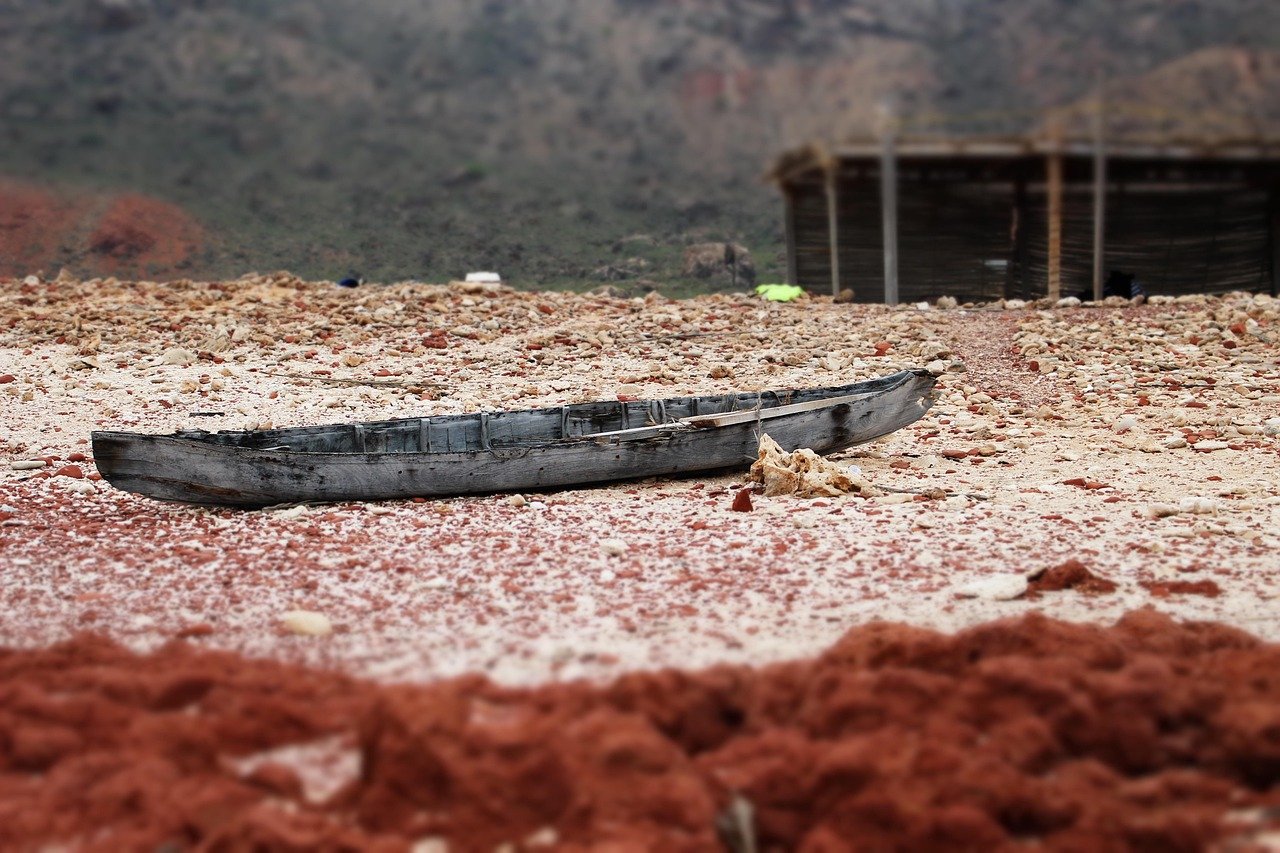
Socotra, Yemen's remote island in the Arabian Sea, is known for its otherworldly landscapes, dragon's blood trees, pristine beaches and rich Yemeni culture.
Shabwah
Shabwah, an ancient city in Yemen, served as the capital of the Kingdom of Hadhramaut and is known for its archaeological ruins, desert landscape and enduring role in southern Arabian history.