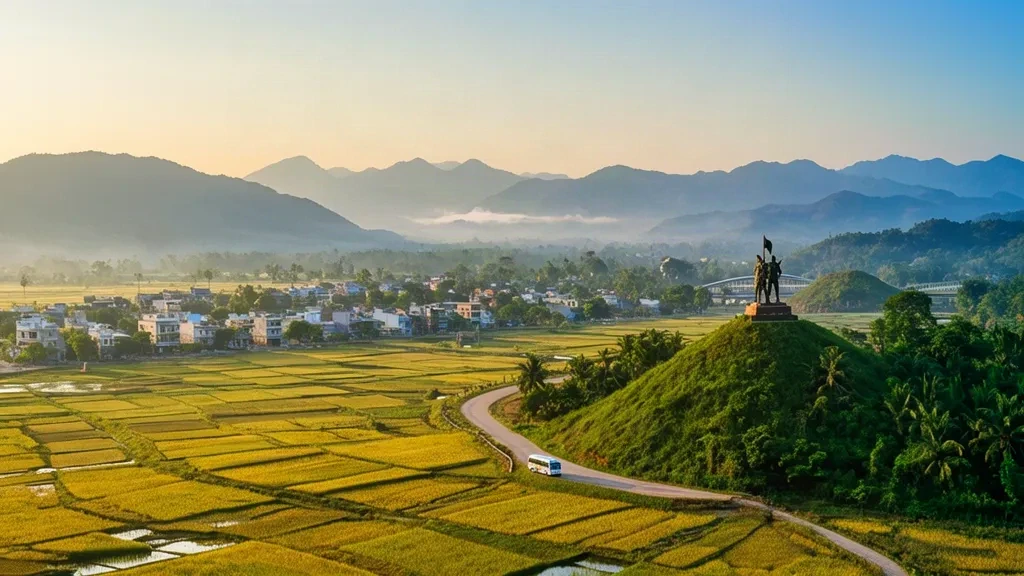
Dien Bien Phu
Dien Bien Phu is a historic valley city in northwest Vietnam, known for the 1954 battle that shaped modern Vietnamese history and for its memorial sites, museums and ethnic minority cultures. Ringed by mountains and close to terraced fields, it offers a quiet, rugged base for exploring the northwest.
Passengers
Luggage
About Điện Biên
Điện Biên Phủ is the capital of Điện Biên province in northwestern Vietnam, set in the broad Mường Thanh valley and ringed by forested mountains. The city is best known as the site of the 1954 Battle of Điện Biên Phủ, which ended French colonial rule in Indochina and made the town a landmark of modern Vietnamese history.
That history is still visible across the city and its surroundings. The Điện Biên Phủ Victory Museum, Hill A1, the De Castries bunker, Mường Thanh Bridge and the Victory Monument on D1 Hill form a compact set of war-heritage sites, while the preserved command post at Mường Phăng sits in the hills outside town. Together they read like an open-air museum of the 56-day siege.
Điện Biên Phủ is also a centre of northwest ethnic culture. Thai, H'Mông and other communities live in stilt-house villages around the valley, and the annual Ban Flower Festival each March celebrates the white ban blossom, traditional dress, music and local crafts. Mường Thanh market and the small central wards give the city a modest, unhurried character.
Around the city, Pá Khoang Lake and the Mường Phăng forest offer easy countryside escapes, while the Tây Trang border gate links the province to Laos. The local food reflects the northwest: sticky rice, smoked buffalo meat, bitter bamboo shoots and grilled fish are common at eateries and markets.
For travellers, Điện Biên Phủ works as both a focused history destination and a gateway to Vietnam's far northwest. Direct flights from Hanoi make it accessible, and its compact centre, nearby relic sites and mountain landscapes suit short stays as well as longer regional journeys.
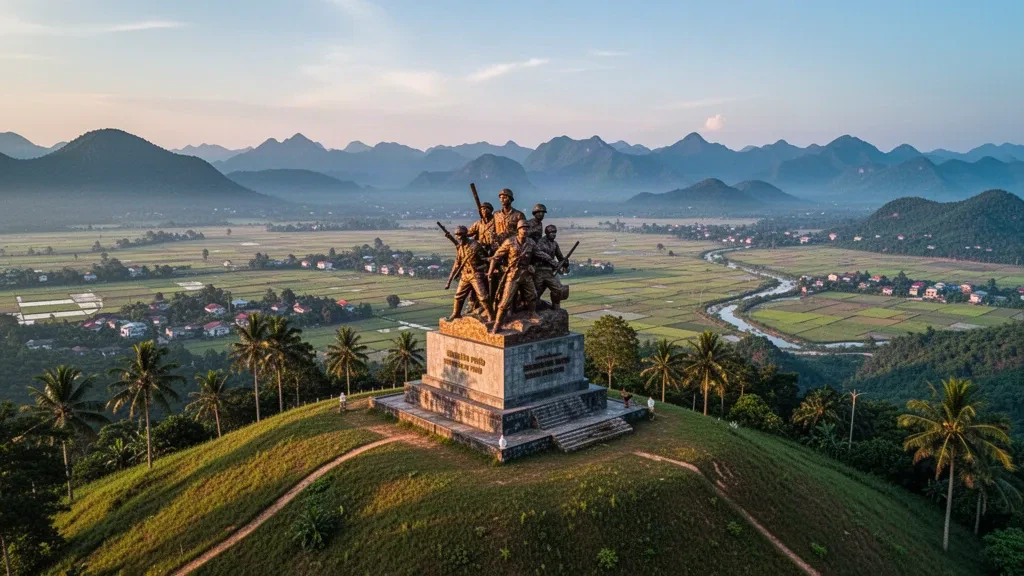
Điện Biên Travel Guide
Best Time to Visit
November to April brings cooler, drier weather that is comfortable for visiting battlefield sites and nearby villages. March is especially appealing for the Ban Flower Festival, while early May marks the Điện Biên Phủ Victory anniversary with large public events.
How to Get Around
The city centre is compact and easy to explore on foot, with taxis, ride-hailing and motorbike taxis available for longer trips. Renting a motorbike or hiring a car is useful for reaching outlying sites such as Mường Phăng, Pá Khoang Lake and the Tây Trang border area.
Where to Stay
Most hotels and guesthouses are concentrated in the central wards around Mường Thanh market, close to the Victory Museum and main war-heritage sites. For a cultural stay, homestays in Thai villages such as Mường Phăng offer simple rooms, local meals and mountain surroundings.
Food & Drink
Điện Biên Phủ's food centres on northwest specialties including sticky rice, smoked buffalo meat, bitter bamboo shoots, grilled fish and local mountain vegetables. Mường Thanh market, small cafés and family-run restaurants are the easiest places to try them.
Ground Transportation Services in Điện Biên
Airport Transfers
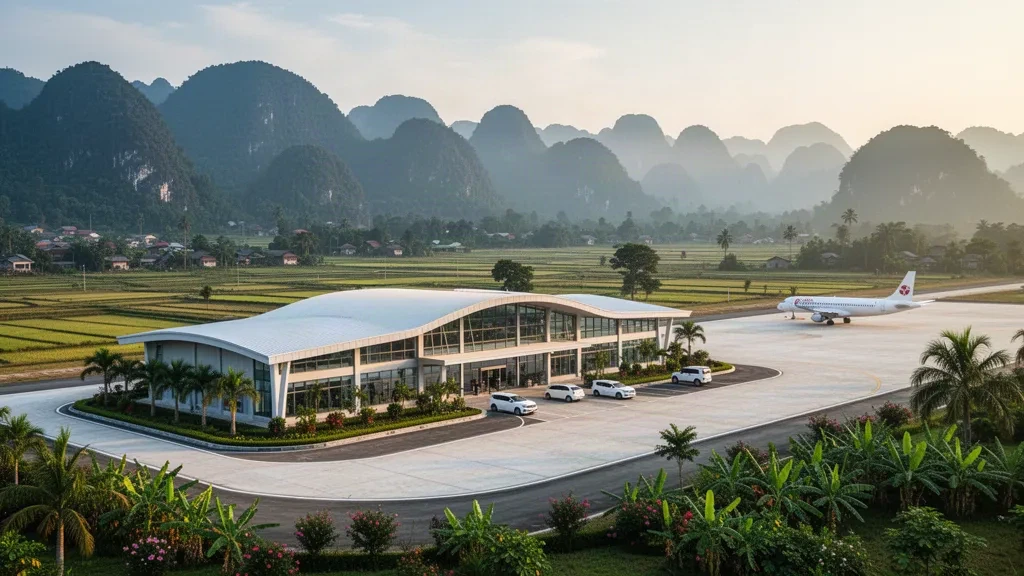
Travel between Điện Biên Phủ Airport (DIN) and the city centre, hotels, war-heritage sites and other destinations across the Mường Thanh valley.
Hourly Chauffeur
Book a private chauffeur by the hour for visiting scattered battlefield sites, business meetings, events and flexible travel around Điện Biên Phủ.
Car Rental
Rent a car in Điện Biên Phủ for independent travel around the city and convenient day trips to Mường Phăng, Pá Khoang Lake and the wider province.
Bus & Group Transfers
Arrange minibuses or charter buses for groups, corporate travel, anniversary events, airport transfers and battlefield tours in Điện Biên Phủ.
Frequently Asked Questions
Related Cities in Vietnam
View all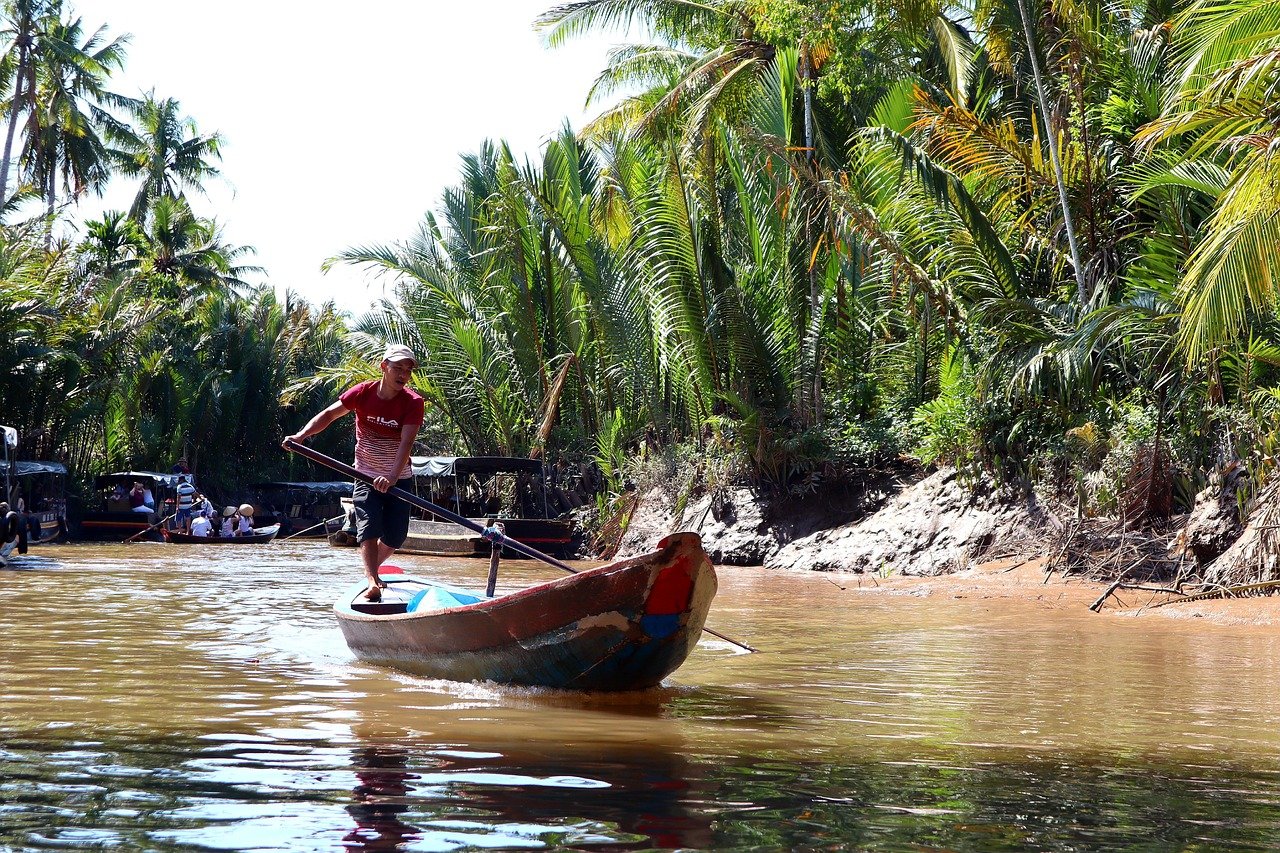
Vĩnh Long
Vĩnh Long, a provincial capital in Vietnam's Mekong Delta, pairs busy riverfront markets and fruit orchards with quiet canals and easy access to nearby islands, giving the city a relaxed, unhurried rhythm.
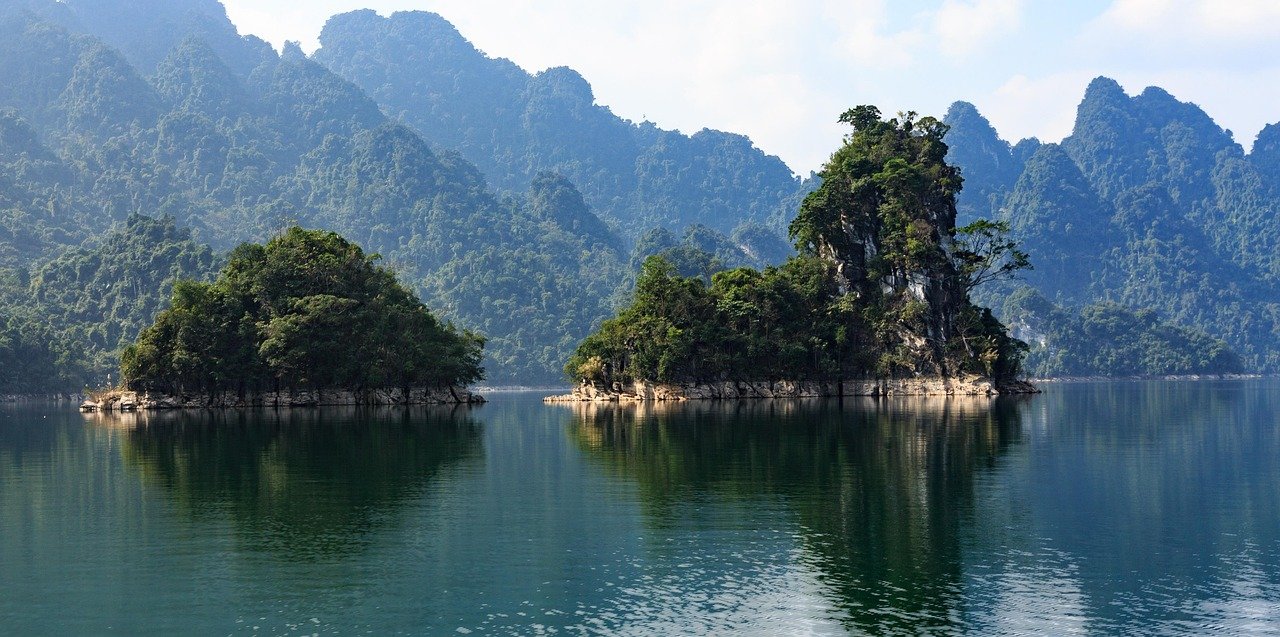
Tuyên Quang
Tuyên Quang, a historic provincial capital in northern Vietnam, blends riverside scenery, ethnic minority cultures and landmarks tied to the country's revolutionary past.
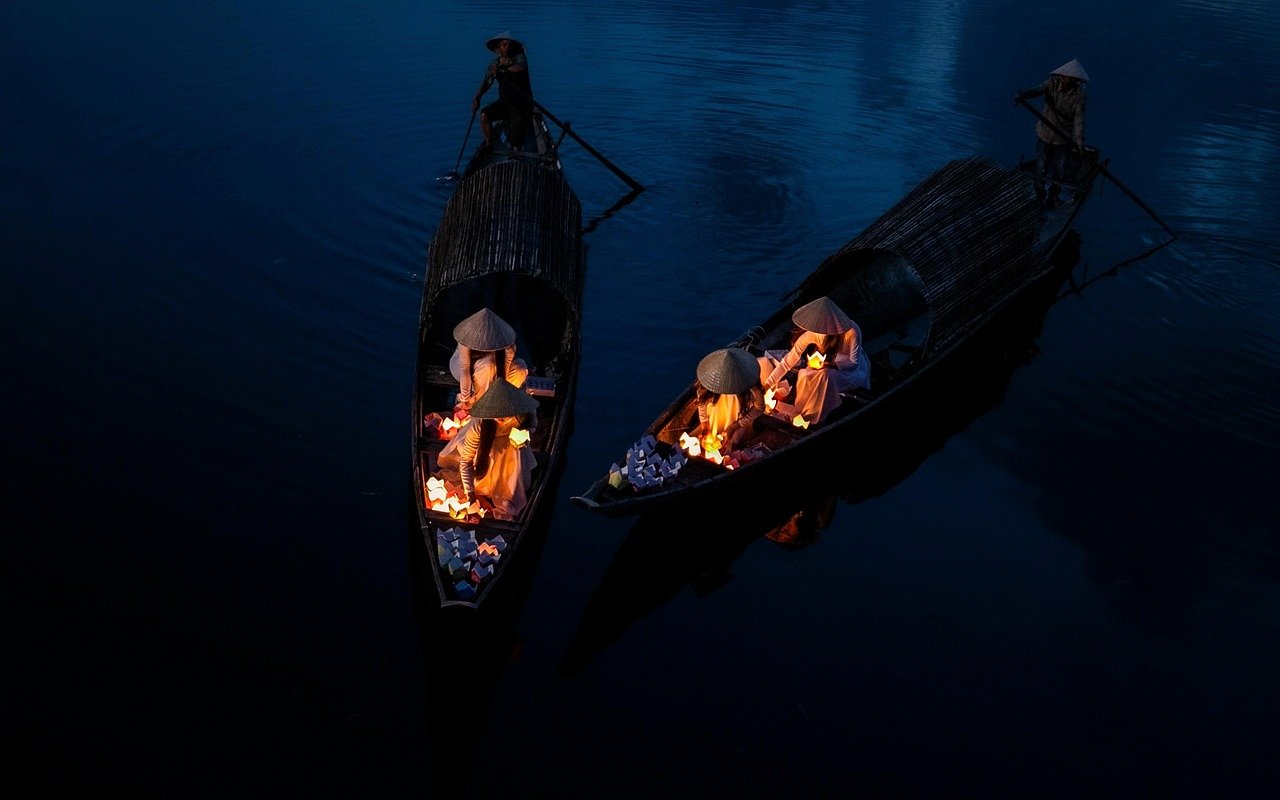
Thừa Thiên-Huế
Thừa Thiên-Huế, Vietnam's former imperial capital, is renowned for its historic citadel, royal tombs, and serene Perfume River, offering a blend of ancient heritage and vibrant local culture.