An Giang
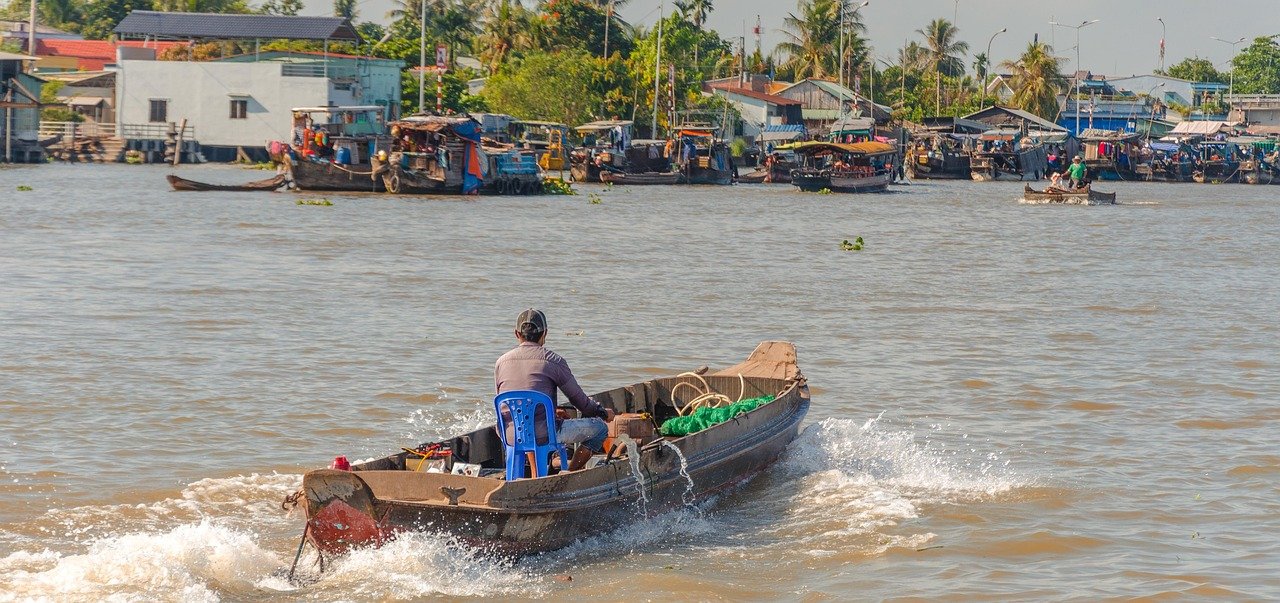
An Giang, in Vietnam's Mekong Delta, blends riverside landscapes, rice paddies, floating markets, Khmer pagodas and Cham heritage into a distinctive cultural crossroads.
Passengers
Luggage
About An Giang
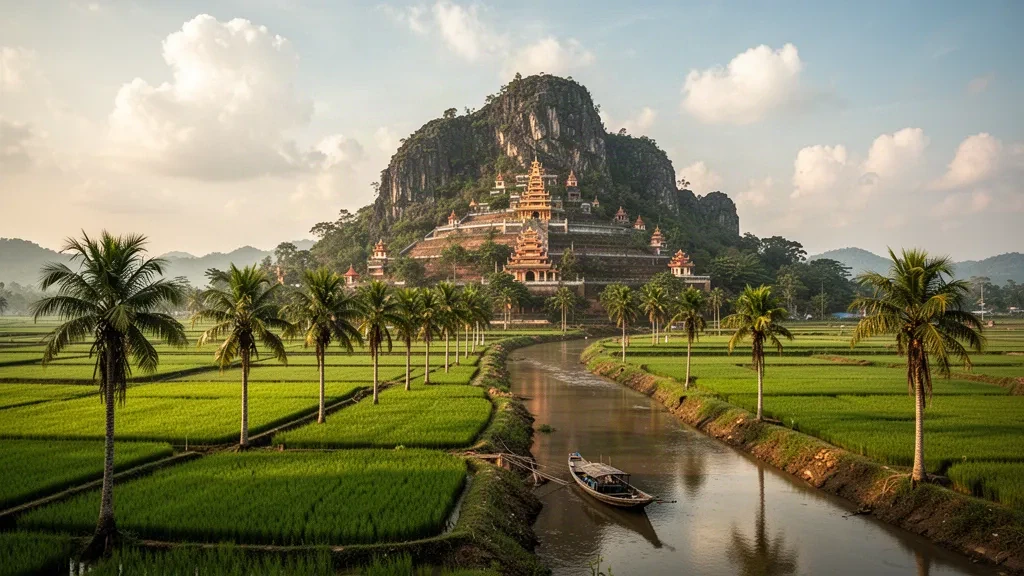
An Giang is a riverside province in Vietnam's Mekong Delta, stretching along the Hau River to the Cambodian border. Its landscape of rice fields, canals and flooded forests, together with Kinh, Khmer and Cham communities, gives the province a distinctive Mekong character centred on the cities of Long Xuyên and Châu Đốc.
Châu Đốc is the spiritual heart of An Giang, dominated by Sam Mountain. Pilgrims climb to Ba Chua Xu Temple and visit Tay An Pagoda and the tomb of Thoai Ngoc Hau, especially during the spring Ba Chua Xu Festival, one of the largest religious events in the delta.
Long Xuyên, the provincial capital, offers a quieter riverside experience with its early-morning floating market, riverfront life and busy markets. Further out, Tri Ton and Tinh Bien districts hold Tra Su Cajuput Forest, Cam Mountain, Khmer pagodas and the floating villages and fish farms of the Châu Đốc area.
An Giang is a major centre for rice, aquaculture and agro-processing, known for basa catfish farming and fermented fish products such as mắm. Local food includes bún cá Châu Đốc, bánh xèo, grilled fish and palmyra thốt nốt sugar, with lively markets across Long Xuyên and Châu Đốc.
Its mix of pilgrimage, Mekong river experiences, nature and cross-border trade along National Highway 91 makes An Giang relevant for both leisure travellers and business visitors working in agriculture, logistics and regional commerce.
An Giang Travel Guide
Best Time to Visit
The dry season from December to April is ideal for temple visits, boat trips and outdoor sightseeing. The flood season, roughly September to November, brings water across the floodplains and is popular for experiencing river life and Tra Su Cajuput Forest at its greenest.
How to Get Around
Long Xuyên and Châu Đốc are connected by National Highway 91, with taxis, xe ôm motorbike taxis and local buses serving the main routes. Renting a motorbike is common for exploring temples and rural areas, while boats are the best way to reach floating villages and flooded forest areas.
Where to Stay
Châu Đốc is the most convenient base for Sam Mountain, Ba Chua Xu Temple and trips toward the Cambodian border. Long Xuyên offers riverside hotels and a more business-oriented stay, while lodges near Tra Su Cajuput Forest suit nature-focused visitors.
Food & Drink
An Giang's food is built on Mekong fish and fermented flavours, including mắm, bún cá Châu Đốc and bánh xèo. Try palmyra thốt nốt sugar and fruit, grilled fish, and local markets for rice-based snacks and fresh produce.
Ground Transportation Services in An Giang
Airport Transfers
Travel between Can Tho International Airport and Long Xuyên, Châu Đốc, Sam Mountain and other destinations across An Giang province.
Hourly Chauffeur
Book a private chauffeur by the hour for temple visits, business meetings, market trips and flexible travel around Long Xuyên, Châu Đốc and An Giang.
Car Rental
Rent a car in An Giang for independent travel along National Highway 91 and convenient journeys to Châu Đốc, Tri Ton, Tra Su Cajuput Forest and nearby border areas.
Bus & Group Transfers
Arrange minibuses or charter buses for pilgrimage groups, corporate travel, festival visits, airport transfers and tours across An Giang province.
Frequently Asked Questions
Related Cities in Vietnam
View all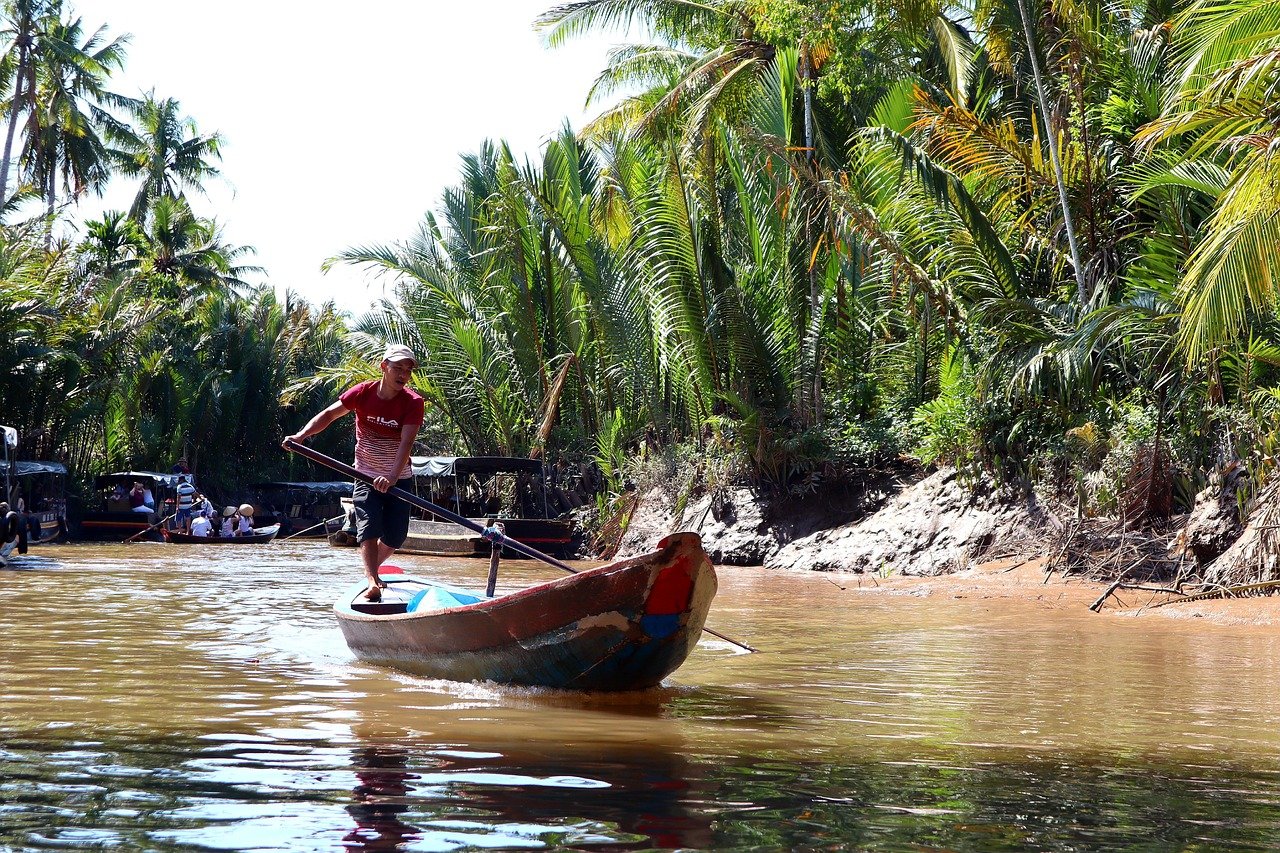
Vĩnh Long
Vĩnh Long, a provincial capital in Vietnam's Mekong Delta, pairs busy riverfront markets and fruit orchards with quiet canals and easy access to nearby islands, giving the city a relaxed, unhurried rhythm.
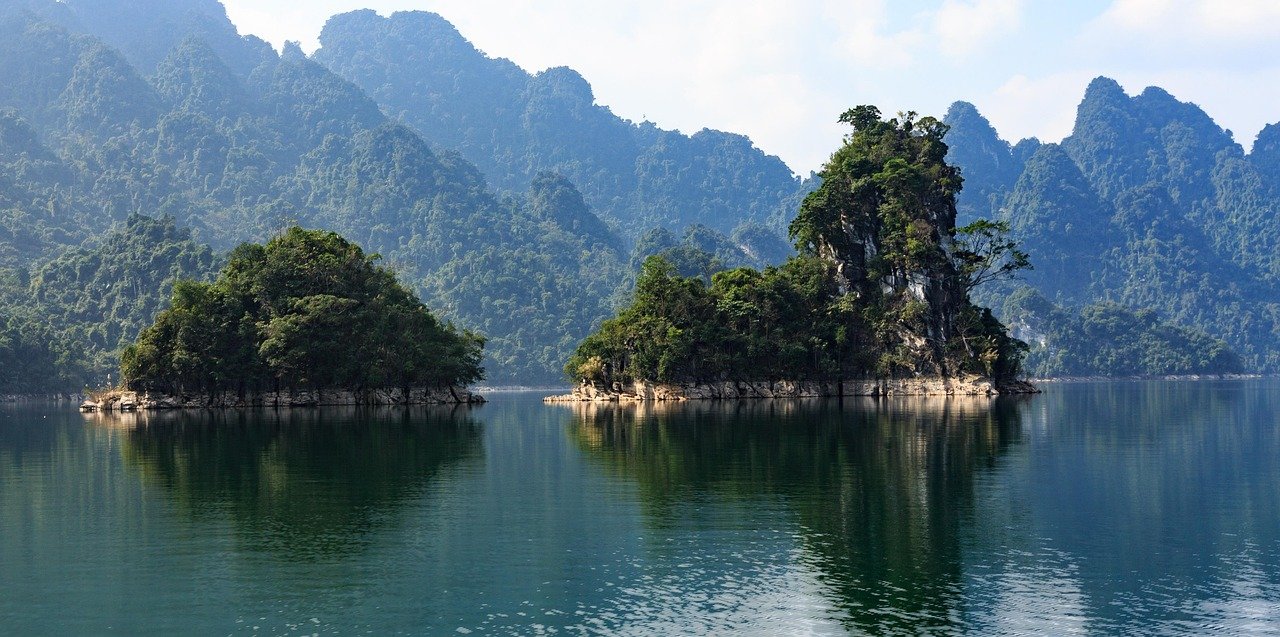
Tuyên Quang
Tuyên Quang, a historic provincial capital in northern Vietnam, blends riverside scenery, ethnic minority cultures and landmarks tied to the country's revolutionary past.
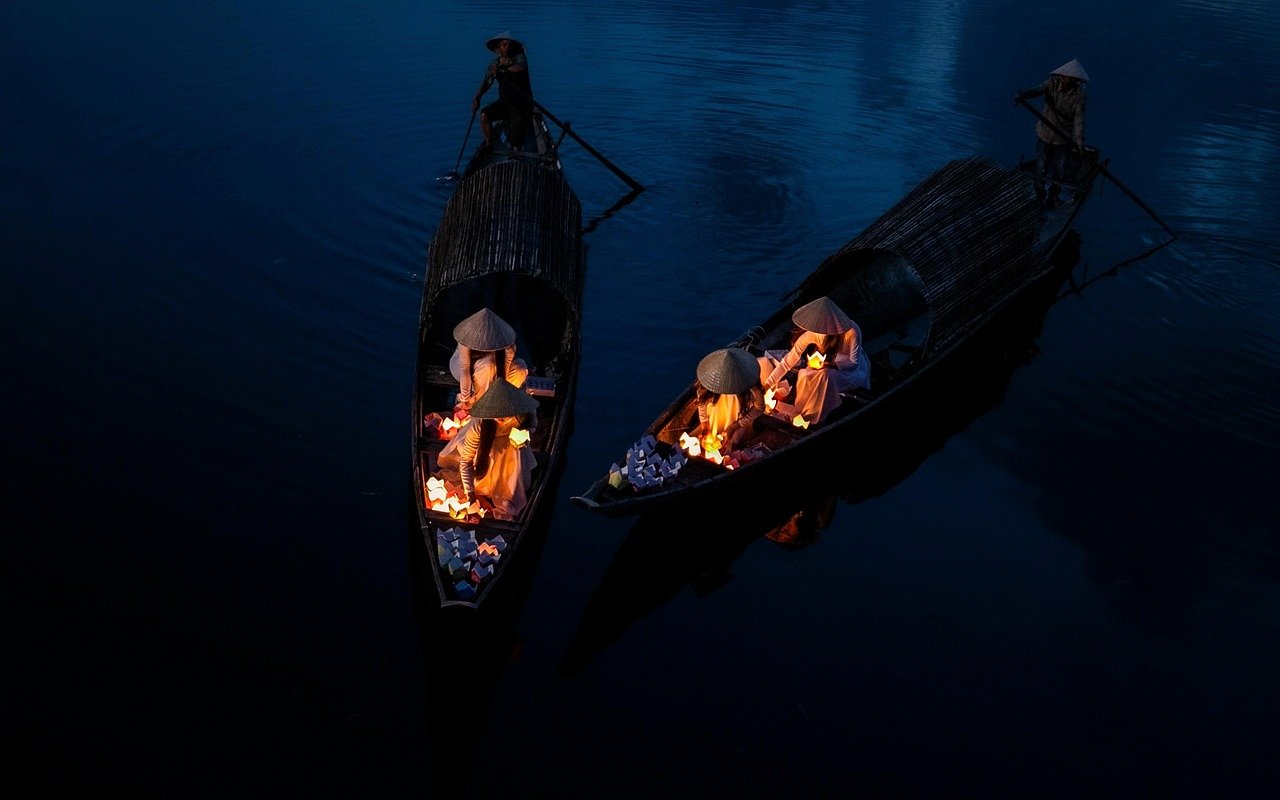
Thừa Thiên-Huế
Thừa Thiên-Huế, Vietnam's former imperial capital, is renowned for its historic citadel, royal tombs, and serene Perfume River, offering a blend of ancient heritage and vibrant local culture.