
Tabora
Tabora, one of Tanzania's oldest trading towns, is known for its railway heritage, colonial-era architecture and vibrant market life, serving as a cultural and commercial hub in the country's central-west.
Passengers
Luggage
About Tabora
Tabora is the capital of Tanzania's Tabora Region, a calm town in central-western Tanzania that grew up around the old caravan trade routes and the Central Line railway. Wide, tree-shaded streets and low-rise colonial-era buildings give the town a relaxed, historic character.
In the 19th century Tabora was a major caravan crossroads for trade in ivory, salt and other goods between the coast and Lake Tanganyika. Under German colonial rule the arrival of the Central Line made it one of the largest towns in German East Africa, and its railway station, old German boma and missionary-era buildings still reflect that period.
Key sights include Livingstone's Tembe at Kwihara, where the explorer David Livingstone stayed and which now houses a small museum, the German-era boma, the Catholic cathedral and the central railway station. Central wards such as Chemchem, Ipuli, Kitete and Uyui mix markets, shops and quiet residential streets.
Today Tabora is a regional administrative, trading and agricultural centre known for tobacco, groundnuts, maize and honey, and it remains an important junction on the railway linking Dar es Salaam with Kigoma and Mwanza.
For travellers, Tabora offers a quieter, history-focused stop in western Tanzania and a practical base for business, government work and onward journeys across the region.
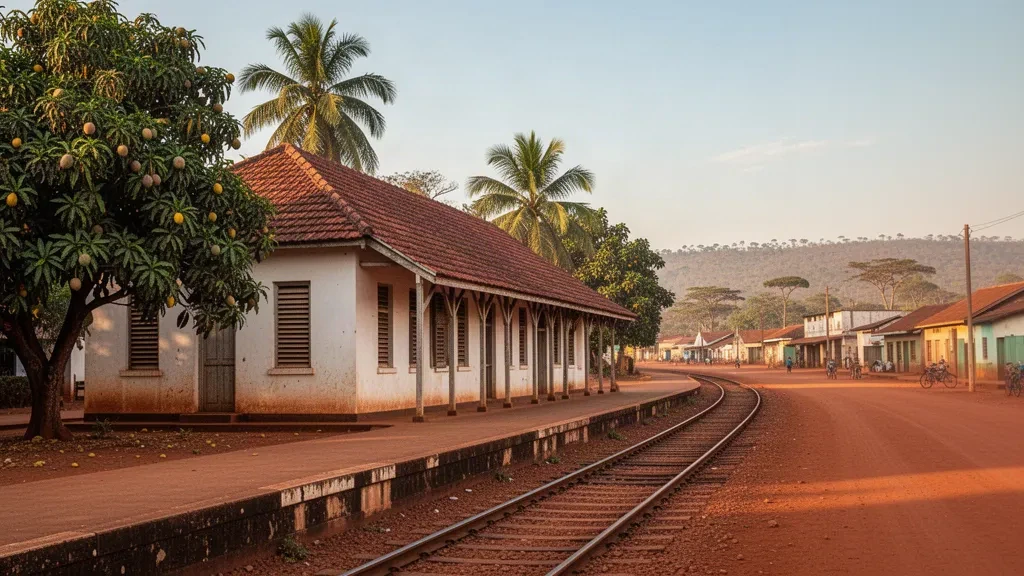
Tabora Travel Guide
Best Time to Visit
The dry season from June to October is the most comfortable time to visit Tabora, with lower rainfall and better road conditions. The rainy season generally runs from November to April, when some rural routes can become difficult.
How to Get Around
Within Tabora, visitors use taxis, shared minibuses called daladalas, auto-rickshaws and motorcycle taxis, while the town centre is easy to cover on foot. Long-distance trains on the Central Line and buses connect Tabora with Dar es Salaam, Kigoma, Mwanza and other regional centres.
Where to Stay
Most accommodation is concentrated around the town centre and railway station area, ranging from small guesthouses to older hotels. Staying centrally is convenient for the station, market and government offices, while quieter lodges and guesthouses are found in outlying wards.
Food & Drink
Local eating ranges from ugali, rice, grilled meat and stews at small restaurants to fresh produce at the central market. Tabora is known for honey, and simple cafés, tea rooms and bars around town offer everyday Tanzanian food and drinks.
Ground Transportation Services in Tabora
Airport Transfers
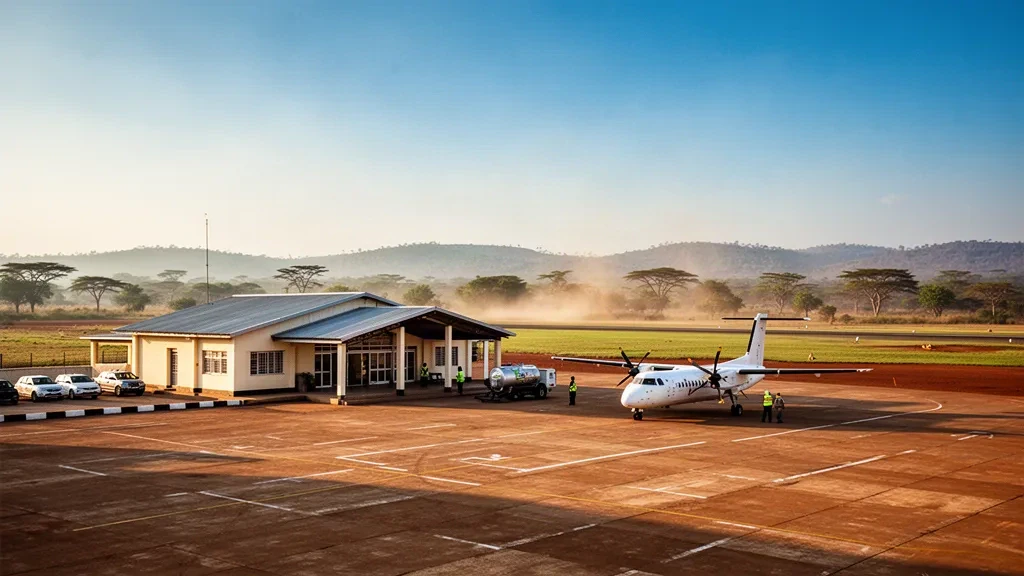
Travel between Tabora Airport (TBO), about 7 km from the town centre, and hotels, guesthouses, business venues and other destinations across Tabora.
Hourly Chauffeur
Book a private chauffeur by the hour for business meetings, government appointments, site visits and flexible travel around Tabora.
Car Rental
Rent a vehicle in Tabora for independent travel around the town and practical journeys to nearby districts and attractions.
Bus & Group Transfers
Arrange minibuses or charter buses for groups, events, corporate travel, airport transfers and tours in and around Tabora.
Frequently Asked Questions
Related Cities in Tanzania
View all
Njombe
Njombe is a highland city in southern Tanzania, known for its cool climate, agricultural trade and green rolling hills that make it a peaceful stop for travelers exploring the Southern Highlands.
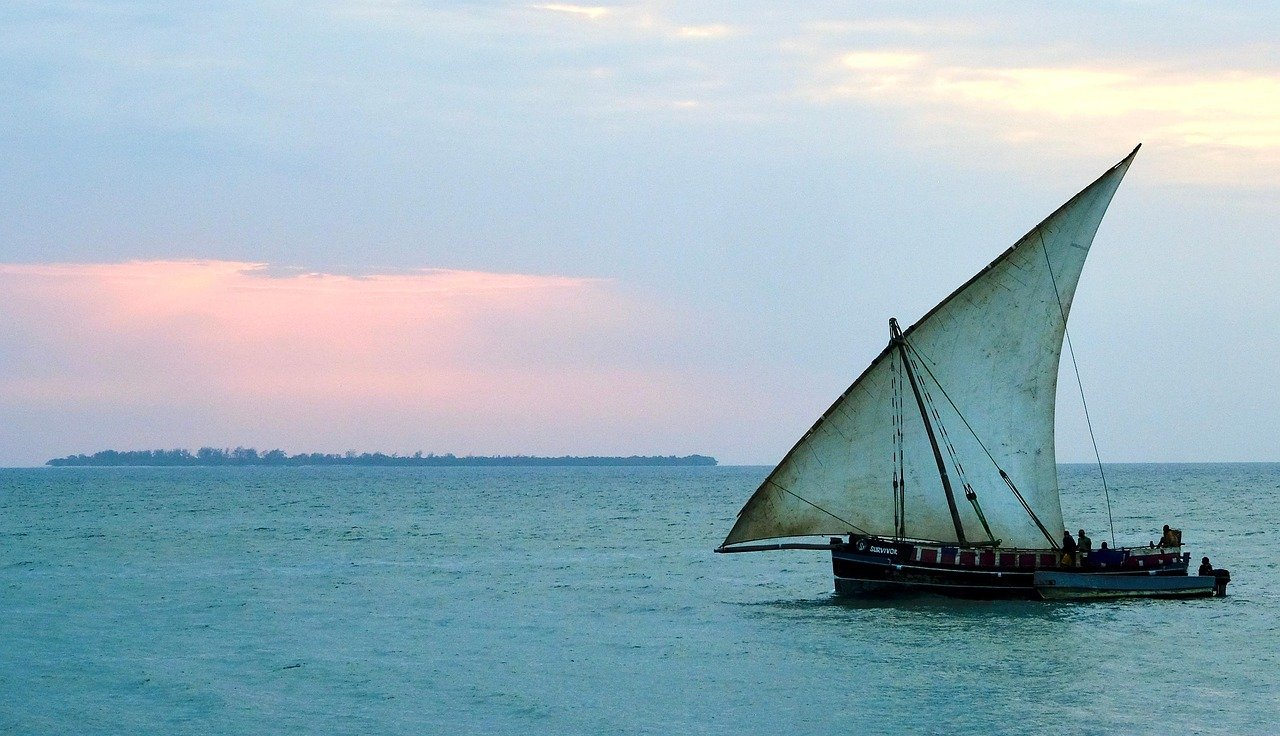
Zanzibar South
Zanzibar South stretches along the southern coast of Unguja, where Jozani Forest, Kizimkazi’s old mosque and quiet Indian Ocean beaches reveal the island’s Swahili heritage and natural beauty.
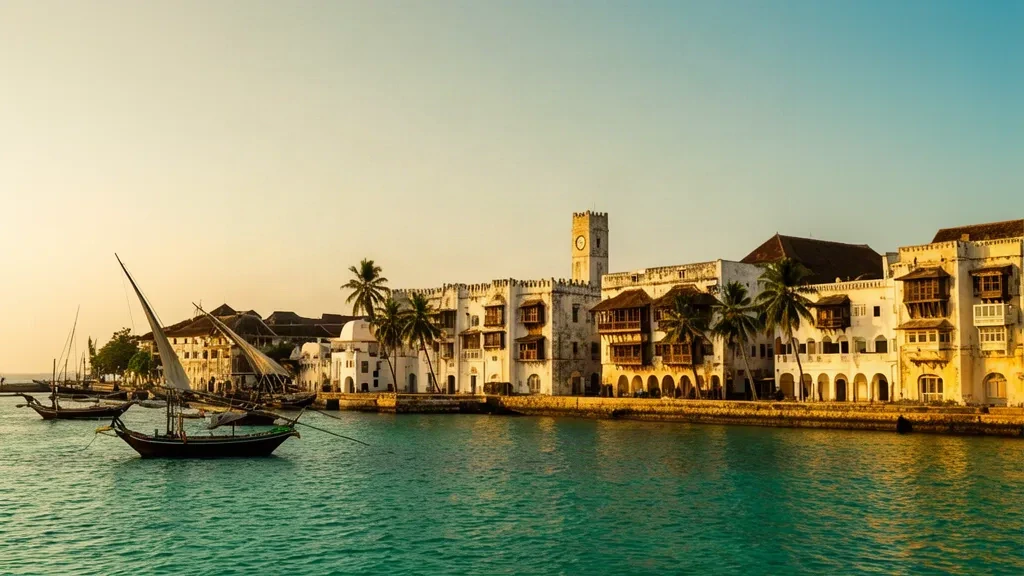
Zanzibar City
Zanzibar City, the capital of Zanzibar, pairs its historic Stone Town with a lively waterfront, spice markets and a blend of Swahili, Arab, Indian and European influences.