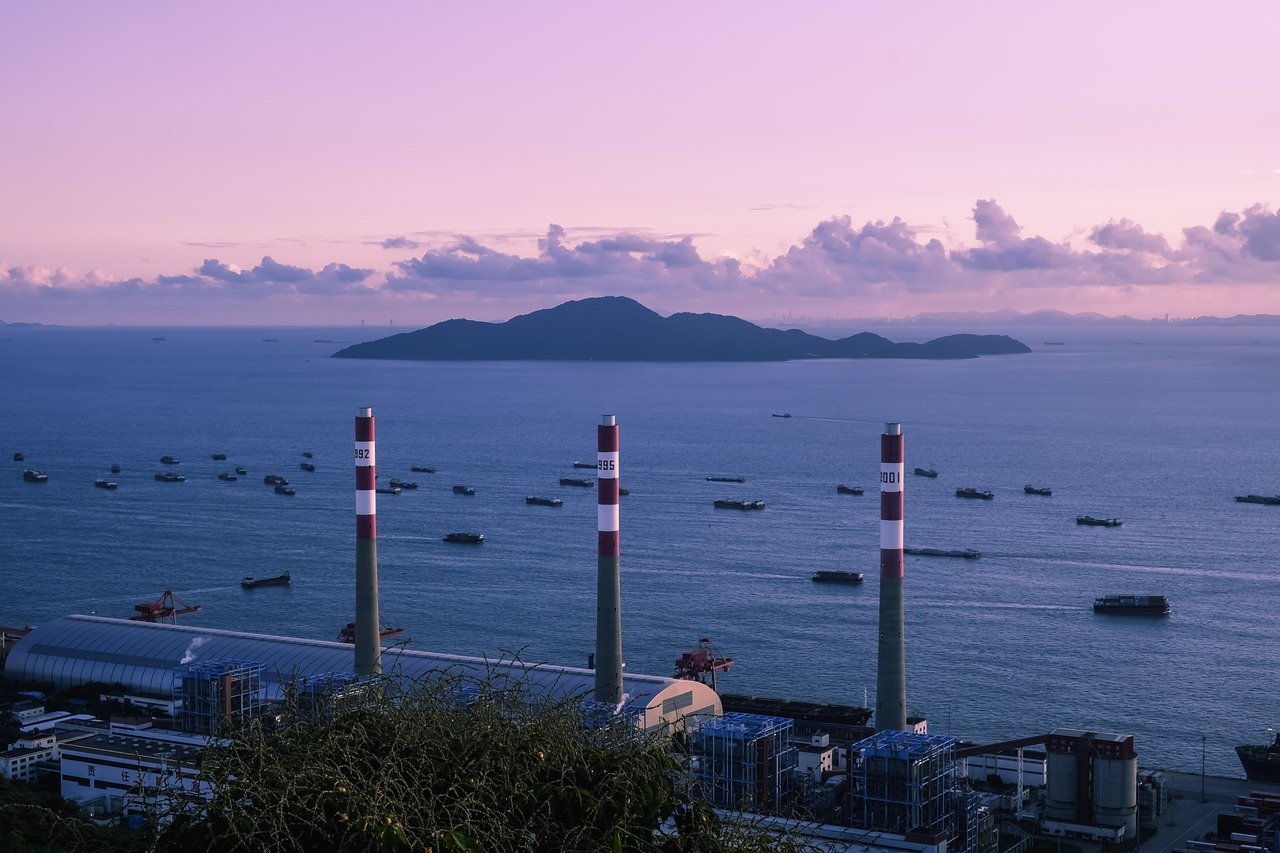
Port Sudan
Port Sudan, Sudan's largest Red Sea port, combines a working harbour and coral-fringed coastline with a distinctive mix of Arab, African and coastal cultures.
Passengers
Luggage
About Red Sea
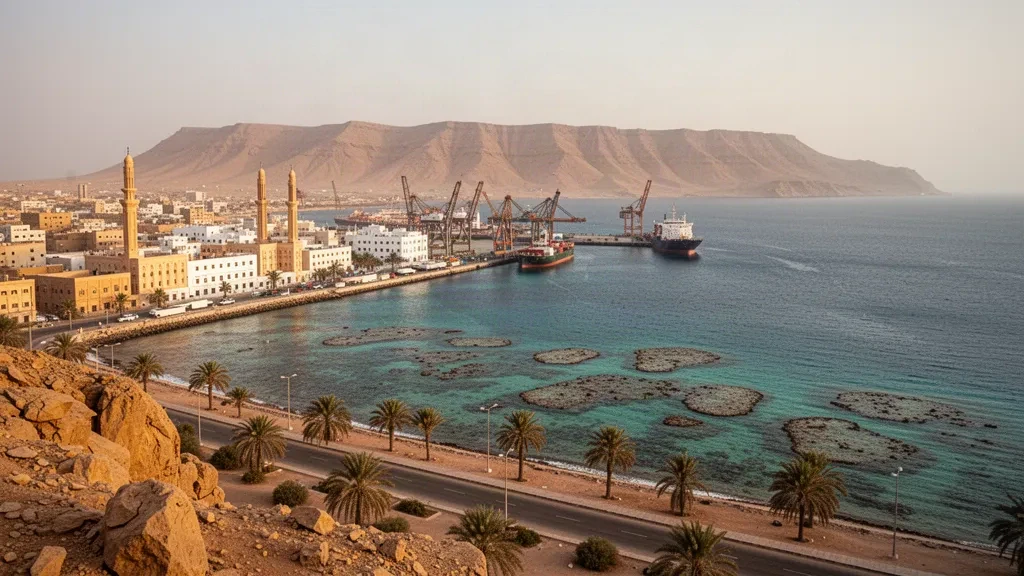
Port Sudan is Sudan's main Red Sea port and the capital of Red Sea State. Founded between 1905 and 1909 to replace the older port of Suakin, the city handles most of Sudan's international trade and has grown from a colonial-era harbour into a busy commercial centre. Its Red Sea location, working port and international airport make it an important gateway for eastern Sudan and the wider region.
The city's layout reflects its port origins, with warehouses, markets and administrative districts clustered near the deep-water harbour, which lies in a coral-free channel. Nearby Suakin, with its historic coral-stone buildings, is the area's best-known older settlement and a reminder of the region's long trading history. Red Sea University, established in 1994, adds an academic presence to the city.
Life in Port Sudan centres on the port, the old market and newer commercial areas that have expanded with the city's growth. The city has a hot desert climate, with very high summer temperatures, and much of its fresh water comes from Wadi Arba'at in the Red Sea Hills and from desalination. These conditions shape daily life and the rhythm of the city.
As a trade and transport hub, Port Sudan is relevant for business travellers, logistics and shipping, and increasingly as a starting point for Red Sea diving and coastal travel. Its mix of port activity, Beja and Arab Sudanese culture, and access to the Red Sea gives the city a distinctive character among Sudan's urban centres.
Red Sea Travel Guide
Best Time to Visit
The cooler months from November to February are the most comfortable for visiting Port Sudan, with milder temperatures and most of the city's limited rainfall. Summer is extremely hot, so outdoor sightseeing is best planned for winter mornings and evenings.
How to Get Around
Port Sudan is served by taxis and shared minibuses, and many central areas around the port and markets can be explored on foot. For independent trips along the coast or to dive sites, a private car or driver is useful, while public transport is limited in outer districts.
Where to Stay
Most hotels and guesthouses are concentrated near the city centre, the port and the airport road. Staying centrally gives easier access to the market, Red Sea University area and transport links, while some visitors use the city as a base for Suakin and Red Sea excursions.
Food & Drink
Port Sudan offers a mix of Sudanese staples such as ful, stews and flatbreads, alongside Red Sea fish and seafood dishes. Local cafés, tea stalls and small restaurants are common around the market and main streets, with international options limited but available in larger hotels.
Ground Transportation Services in Red Sea
Airport Transfers
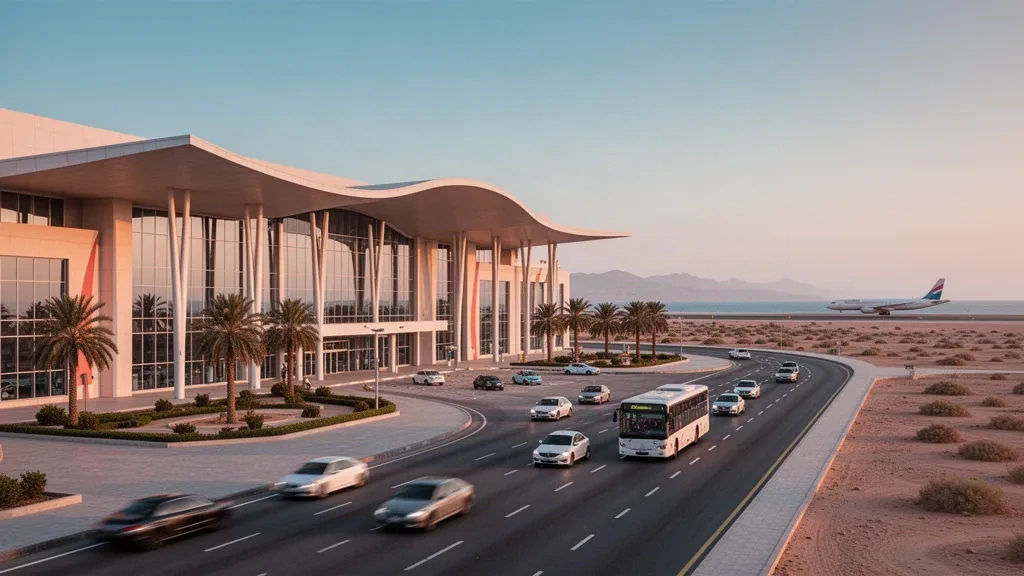
Travel between Port Sudan New International Airport and hotels, the port, business areas and other destinations across Port Sudan.
Hourly Chauffeur
Book a private chauffeur by the hour for business meetings, port calls, sightseeing and flexible travel around Port Sudan.
Car Rental
Rent a car in Port Sudan for independent travel along the Red Sea coast and convenient journeys to Suakin and nearby destinations.
Bus & Group Transfers
Arrange minibuses or charter buses for groups, corporate travel, events, airport transfers and Red Sea excursions in Port Sudan.
Frequently Asked Questions
Related Cities in Sudan
View all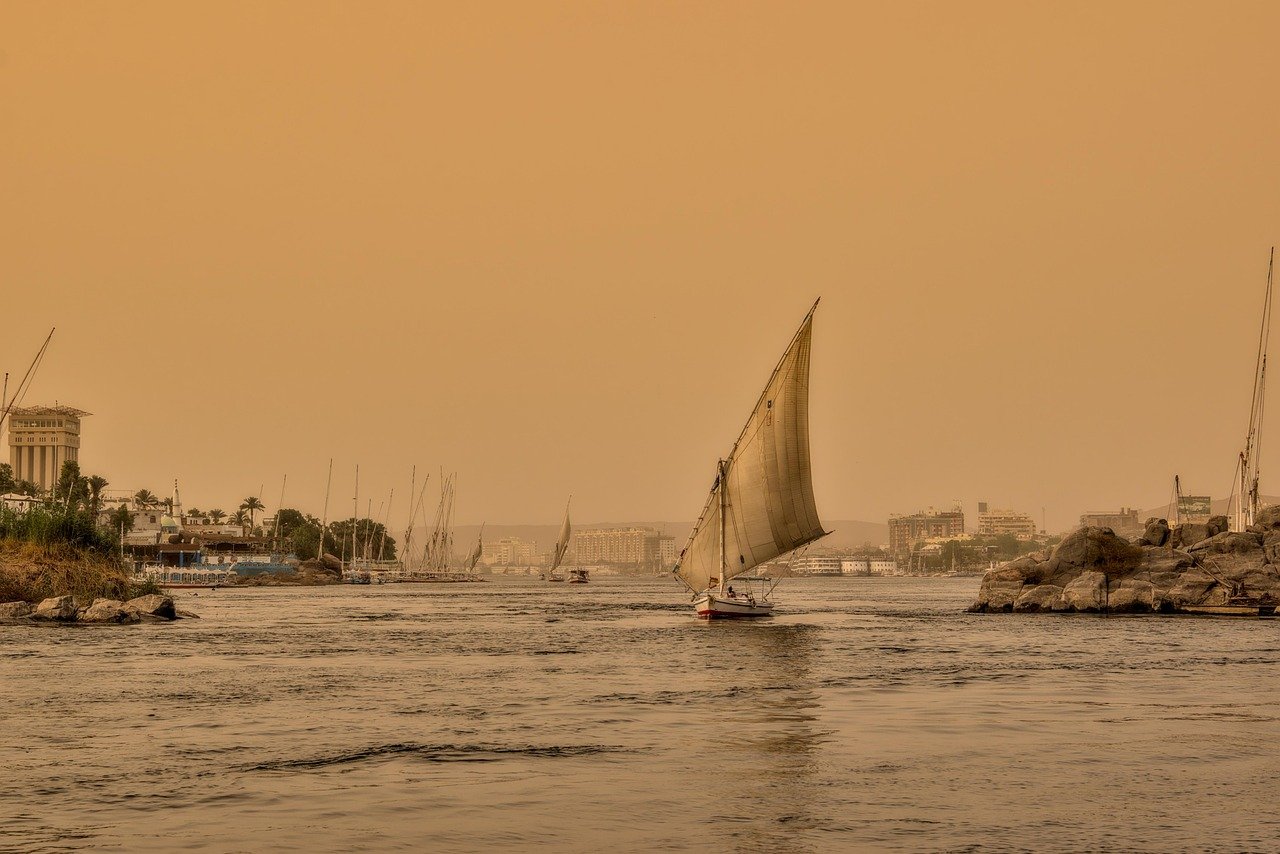
White Nile
White Nile, set along the river of the same name in Sudan, blends agricultural heritage, riverfront life and a strategic position connecting central Sudan with nearby towns.
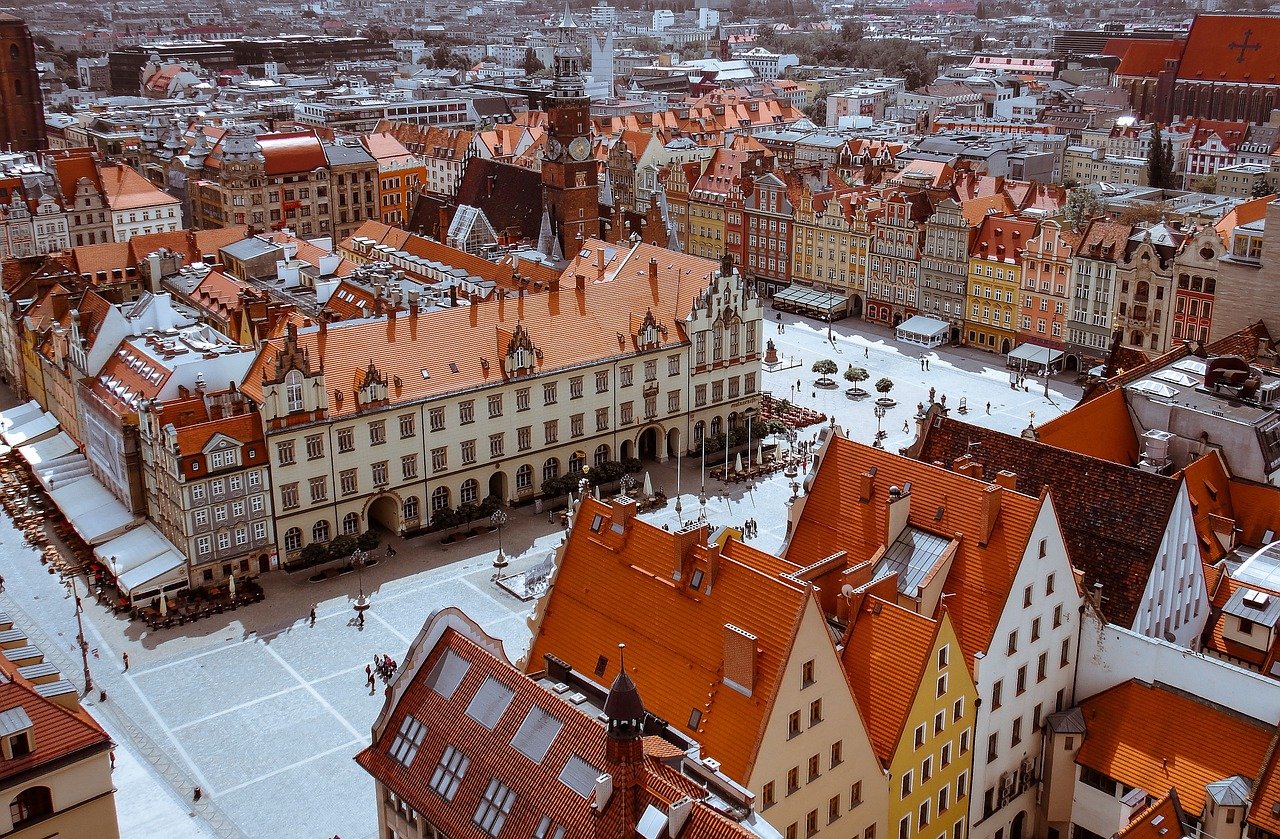
Al-Fula
Al-Fula, the capital of Sudan's West Kordofan state, is a regional administrative and trading centre whose markets and surrounding savanna reflect the area's agricultural and pastoral life.
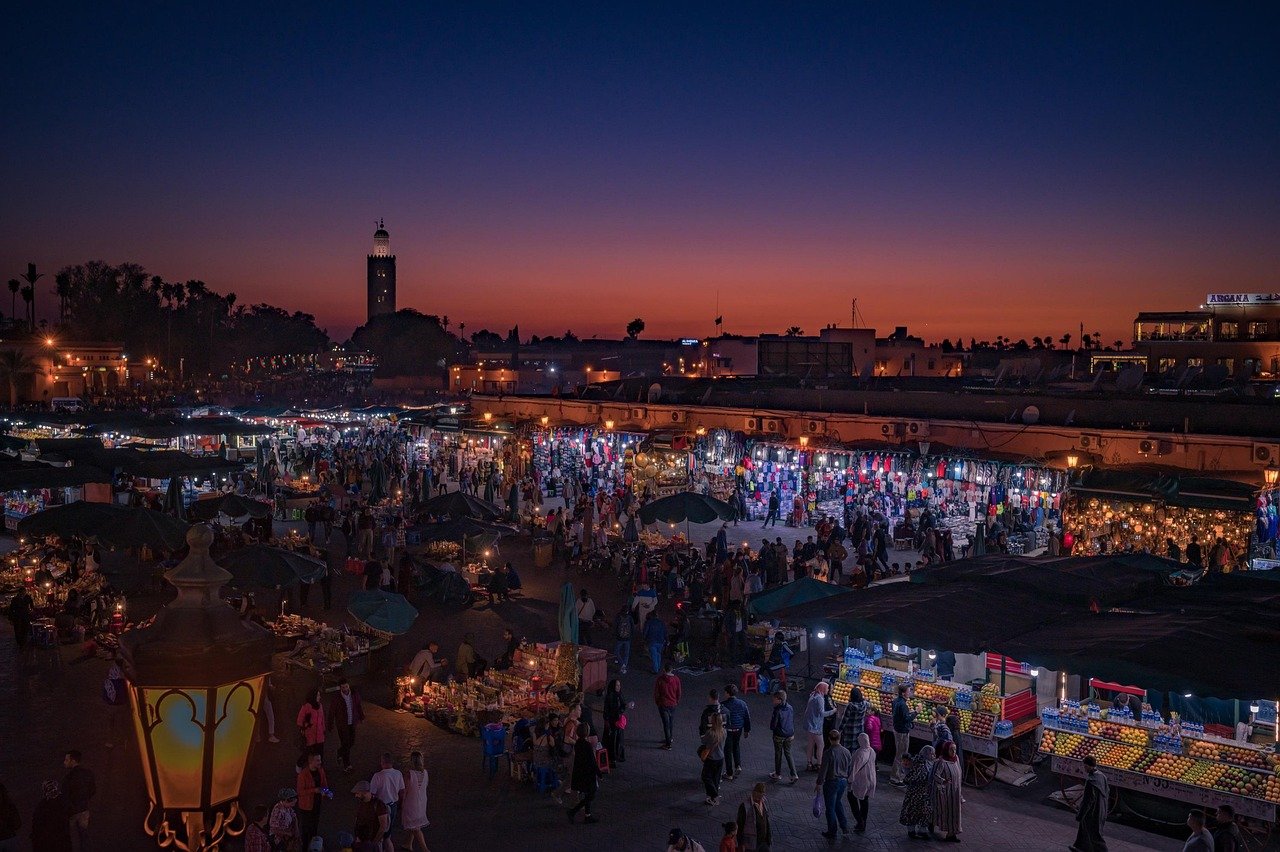
El Geneina
El Geneina, the capital of Sudan's West Darfur state, is a regional administrative and trading centre near the border with Chad.