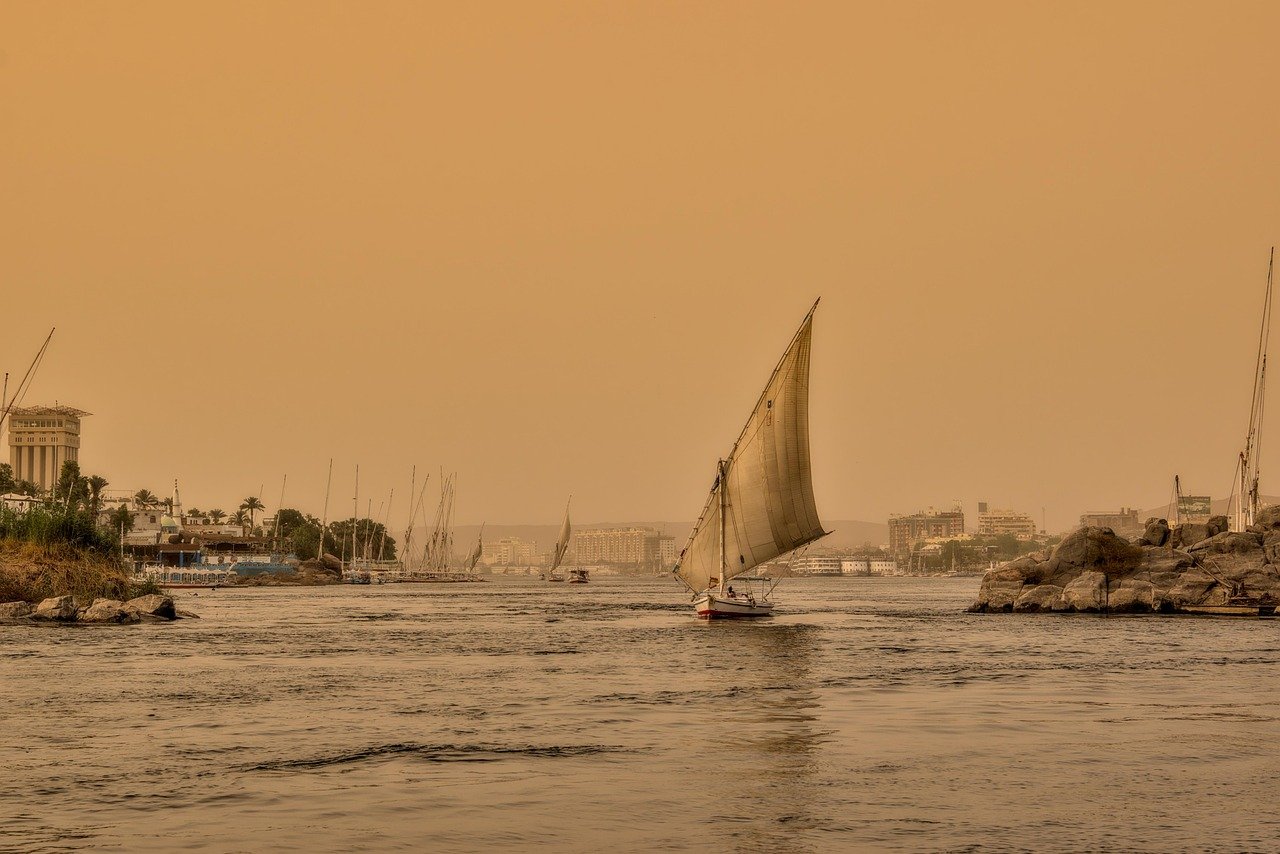
White Nile
White Nile, set along the river of the same name in Sudan, blends agricultural heritage, riverfront life and a strategic position connecting central Sudan with nearby towns.
Passengers
Luggage
About White Nile
Kosti (also written Kusti) is the largest city in Sudan's White Nile State and one of the country's key interior transport hubs. It stands on the west bank of the White Nile opposite Rabak, the state capital, with the two towns linked by a bridge across the river. Its position makes Kosti a natural gateway between Khartoum and the south of Sudan.
The city grew in importance in the 20th century as a railway and river port, and its station remains a notable junction on routes toward Khartoum and El Obeid. The surrounding area is known for sugar production, including the large Kenana Sugar complex nearby, while El Imam El Mahdi University gives Kosti an educational role in the region.
Central Kosti clusters around the riverside and market area, where stalls, tea houses and local restaurants reflect the mix of Arab and African traditions that shapes the White Nile region. The Nile promenade is a focal point for walks and views of the river, and the Kosti bridge links the city with Rabak's administrative and industrial areas.
Kosti is primarily a commercial and agricultural centre rather than a mass-tourism destination, but it offers travelers a close look at everyday life in central Sudan. Its markets, riverfront, railway heritage and proximity to Rabak make it a practical stop for visitors moving between Khartoum and the south.
Business travelers are drawn by the sugar, agricultural and trade economy, and by government and logistics activity in Rabak. Road connections, the railway and river transport give the city regional significance for both commerce and overland journeys.
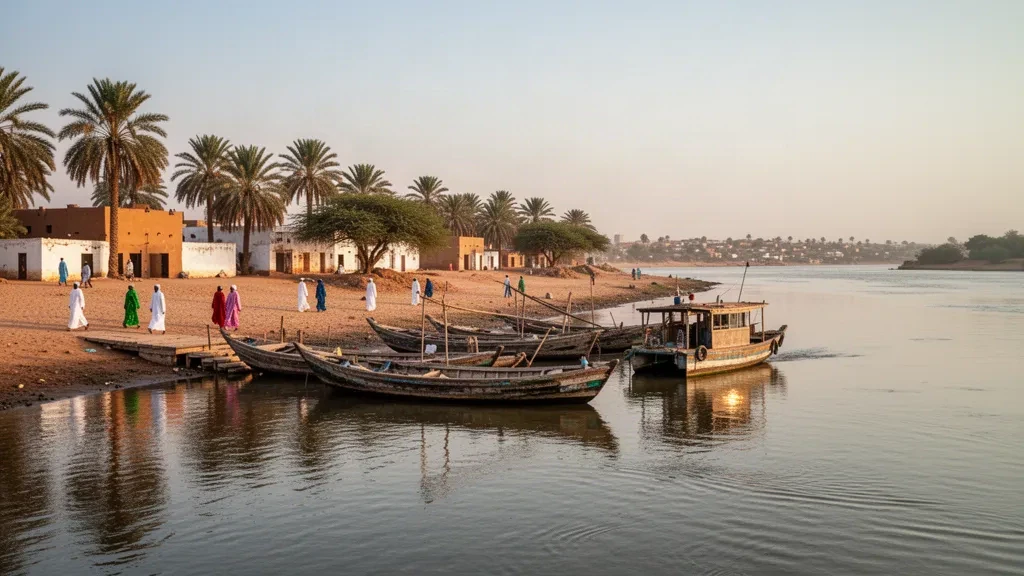
White Nile Travel Guide
Best Time to Visit
November to February is the most comfortable period, with cooler dry-season weather for walking along the Nile and exploring the market. Summer months are very hot, and heavy rains usually fall between July and September.
How to Get Around
Kosti is fairly compact and can be explored by taxi, rickshaw or on foot around the riverfront and central market. For crossing to Rabak, use the bridge road, and for longer trips buses and trains connect the city with Khartoum and other towns.
Where to Stay
Most hotels are concentrated in the central area near the river and market, offering simple, practical accommodation. Rabak, directly across the bridge, provides additional options close to government offices and industrial sites.
Food & Drink
Local eating centres on Sudanese staples such as ful medames, kisra and grilled Nile fish, often served with tea or coffee at street stalls and small restaurants. Fresh produce is available in the main market.
Ground Transportation Services in White Nile
Airport Transfers
Arrange road transfers between Khartoum International Airport and Kosti for the roughly 300 km journey to hotels, businesses and venues in the city.
Hourly Chauffeur
Book a private driver by the hour for business visits, market and riverfront sightseeing, or travel between Kosti and nearby Rabak.
Car Rental
Rent a car in Kosti for independent travel around the White Nile region and convenient trips to towns such as Rabak and Ed Dueim.
Bus & Group Transfers
Arrange minibuses or charter buses for group journeys between Khartoum, Kosti and Rabak, including corporate travel, events and overland tours.
Frequently Asked Questions
Related Cities in Sudan
View all
Al-Fula
Al-Fula, the capital of Sudan's West Kordofan state, is a regional administrative and trading centre whose markets and surrounding savanna reflect the area's agricultural and pastoral life.
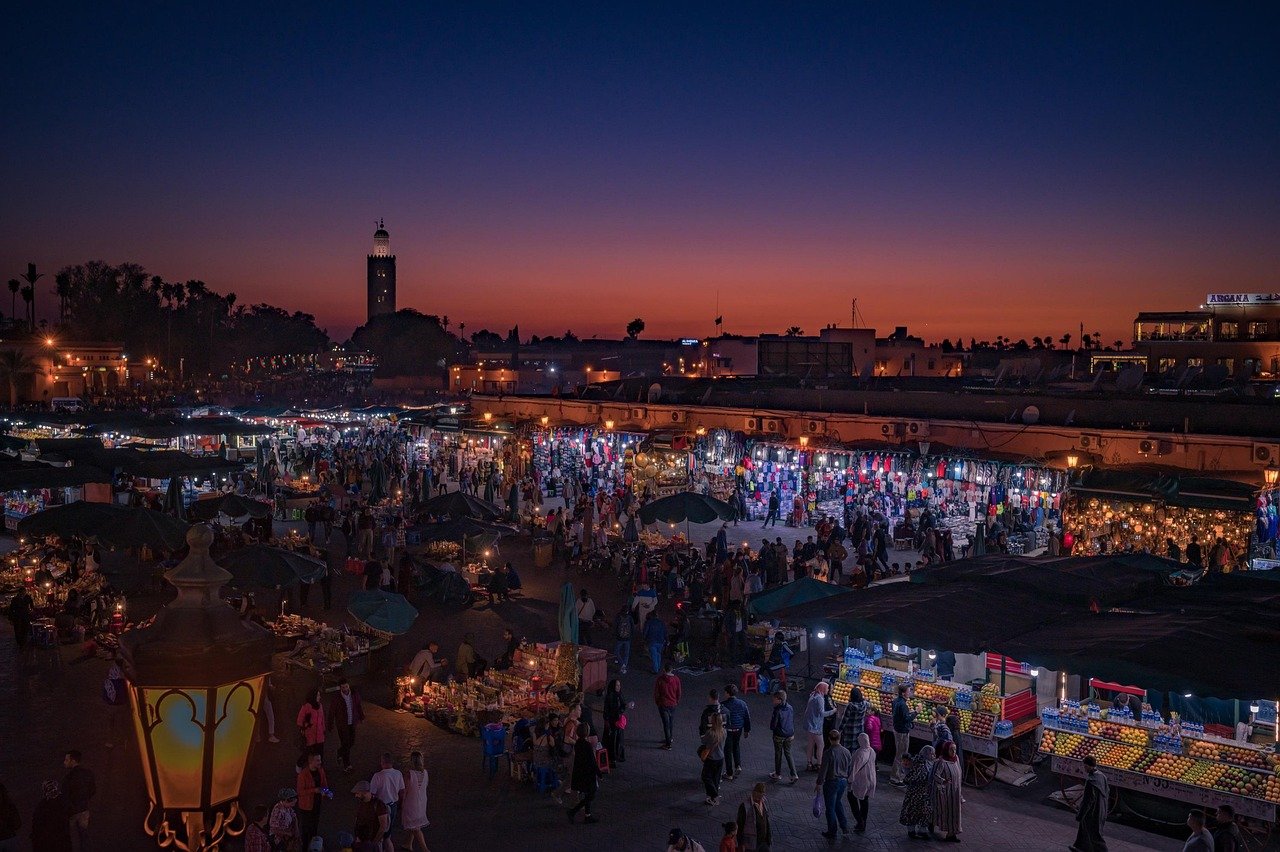
El Geneina
El Geneina, the capital of Sudan's West Darfur state, is a regional administrative and trading centre near the border with Chad.
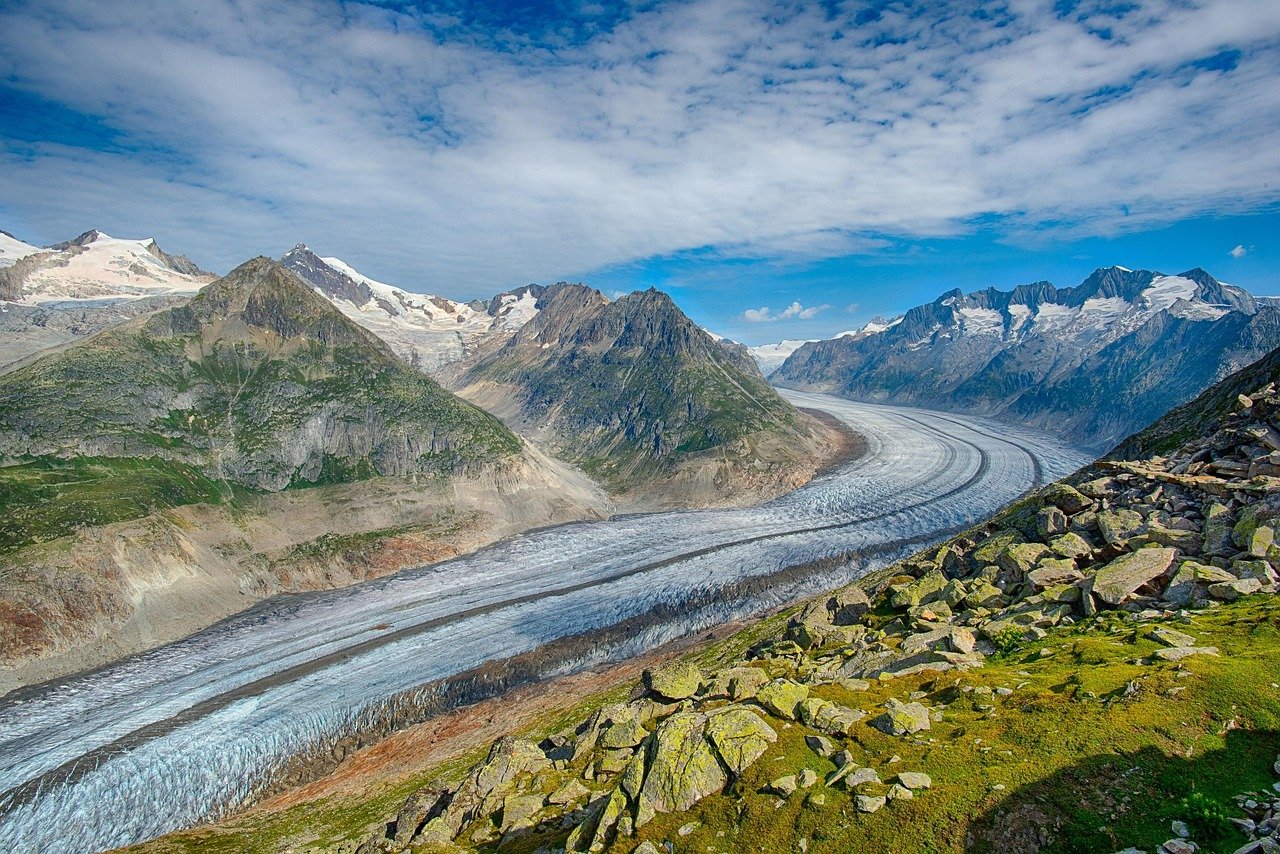
South Kordofan
South Kordofan, in southern Sudan, is known for the Nuba Mountains, diverse communities and a landscape of savannah and highlands.
Airports in Sudan
View all airports in the country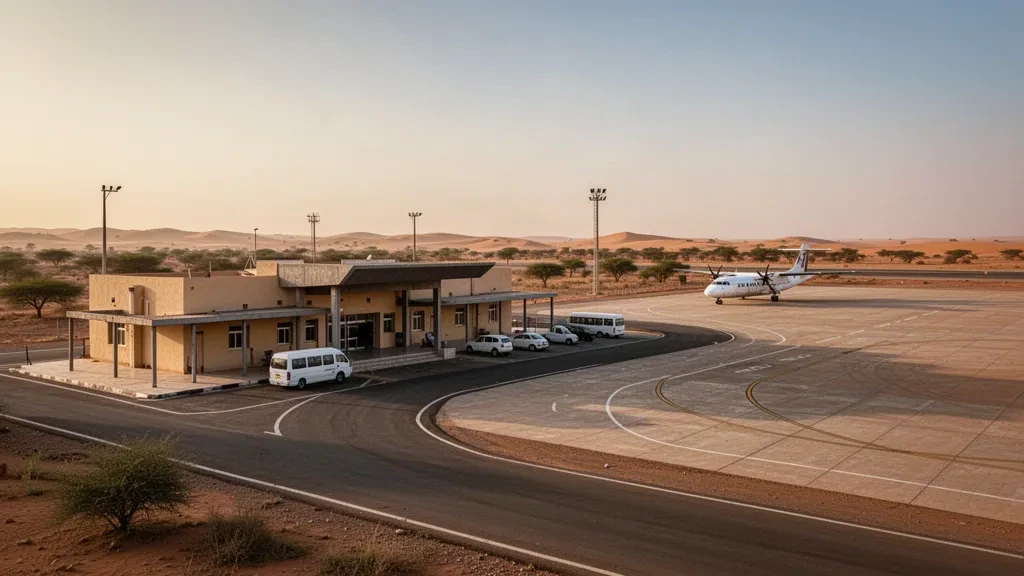
Atbara Airport (ATB)
Atbara Airport is the main gateway to Atbara and the River Nile region of northeastern Sudan. Compare transfer options to Atbara city centre, Ed Damer, Berber and nearby areas for a smooth onward journey.
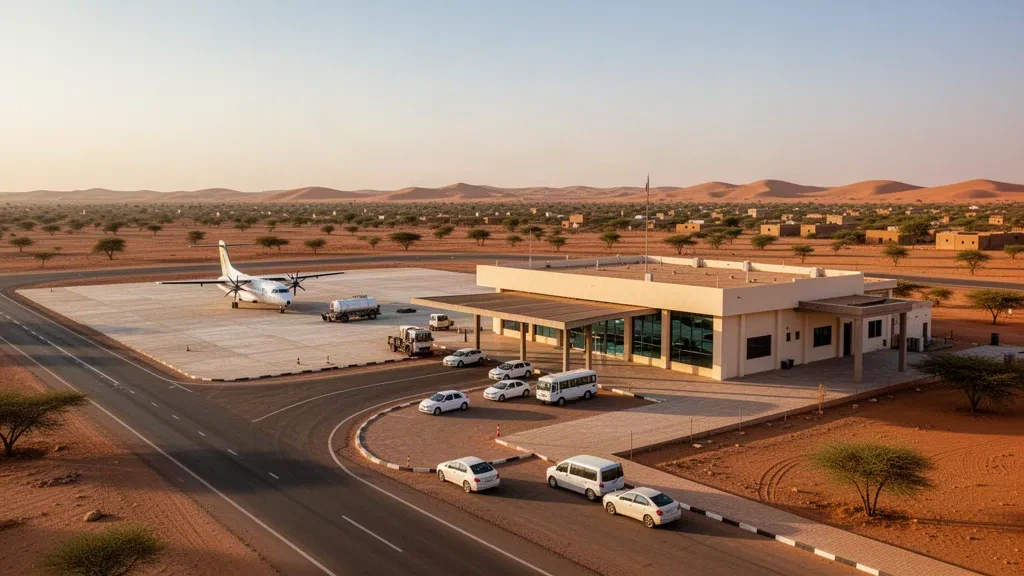
El Daein Airport (ADV)
El Daein Airport is a small regional gateway serving El Daein, the capital of East Darfur in western Sudan. Compare transfer options into the city centre and onward travel to nearby communities in East Darfur.