Dongola
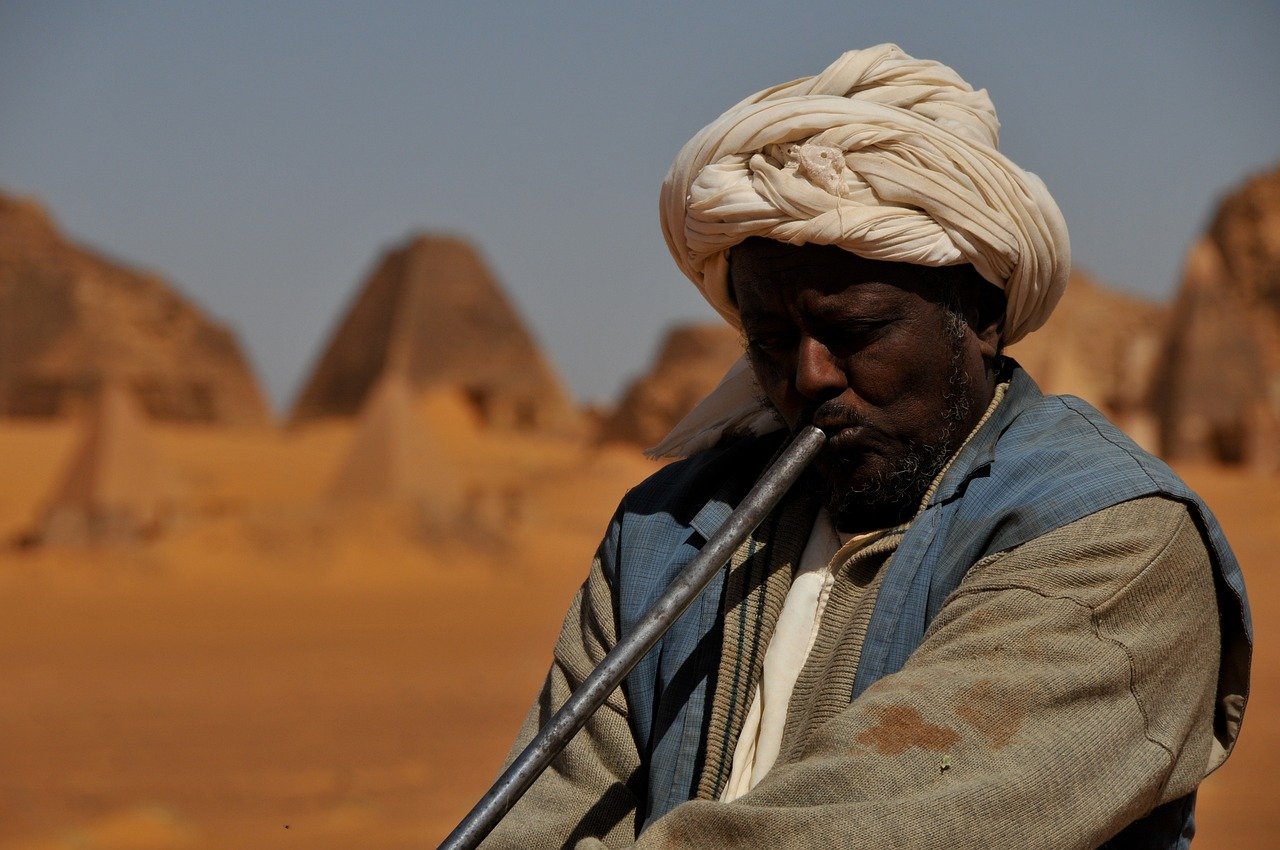
Dongola, the capital of Sudan's Northern State, is a Nile-side city with deep Nubian roots, historic architecture and a calm desert-edge atmosphere.
Passengers
Luggage
About Northern
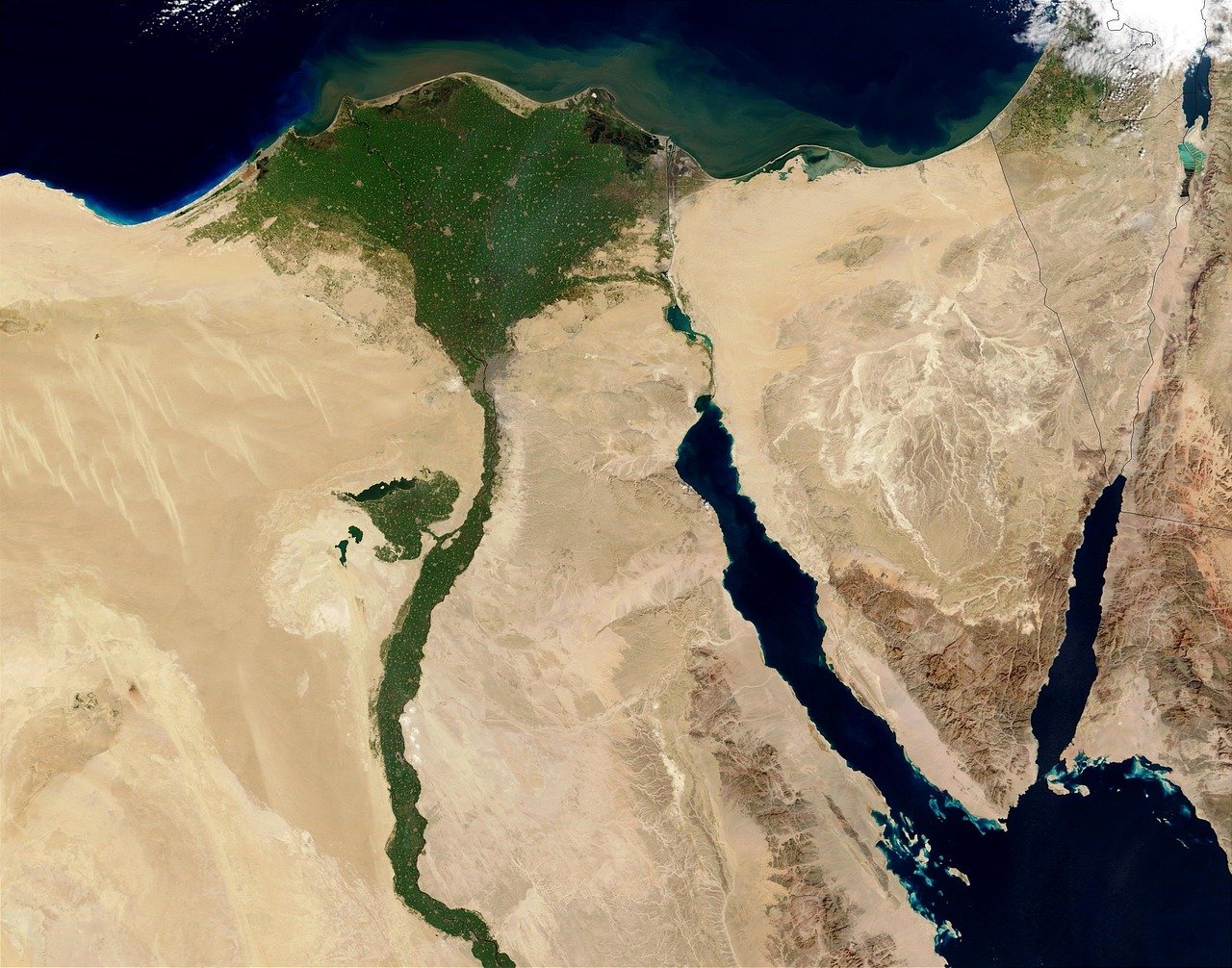
Dongola is the capital of Sudan's Northern State, a small Nubian town on the west bank of the Nile surrounded by date palms and desert. It serves as the administrative, market and transport centre for a long agricultural stretch of the river, and it offers a slower, more traditional contrast to Khartoum.
The wider region is one of the most historically rich parts of Sudan. Old Dongola, roughly 120 km up the Nile, was the capital of the Christian kingdom of Makuria between the 7th and 14th centuries; its ruins include churches, a throne hall later converted into a mosque, and fortified buildings. Modern Dongola grew as a river settlement and trading town with mud-brick Nubian houses, palm gardens and a strong connection to the Nile.
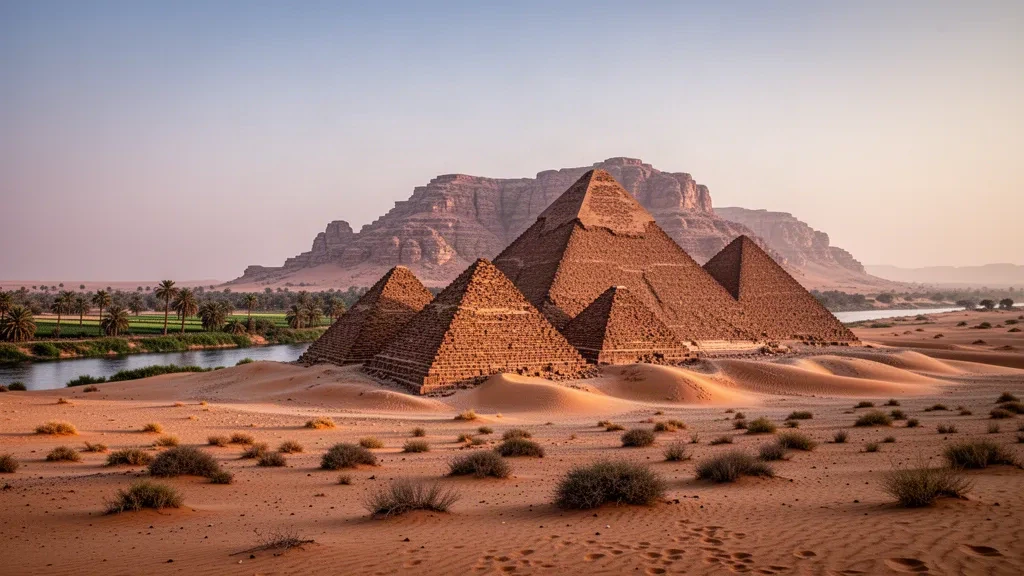
Central Dongola is compact and walkable, centred on the market area and riverside. Visitors can explore local souks, Nubian neighbourhoods and date-processing workshops, then take day trips to Old Dongola. Further south in Northern State, sites such as Jebel Barkal, the pyramids of Nuri and the ancient town of Kerma belong to one of Africa's most important ancient Nile landscapes.
The town has a modest but distinctive food culture built on dates, fava beans, kisra flatbread, goat and lamb stews, and sweet tea or hibiscus karkadé. As the capital of Northern State and home to the University of Dongola, it also supports government, education and agricultural trade, with small-scale hotels and guesthouses serving visitors and project staff.
For leisure travellers, Dongola is a practical base for Nubian archaeology and Nile scenery, while business and development visitors come for agriculture, administration and infrastructure work along the northern Nile. Its quiet scale and desert-meets-river setting make it a distinctive stop on the route between Khartoum and Wadi Halfa.
Northern Travel Guide
Best Time to Visit
The most comfortable season is October to March, when daytime temperatures are milder and evenings can be cool. Summers are extremely hot, often above 40°C, so sightseeing is best planned for early morning or avoided between May and September.
How to Get Around
Dongola is small enough to explore on foot, while minibuses, shared taxis and tuk-tuks cover the town and nearby villages. For day trips to Old Dongola, Jebel Barkal or other archaeological sites, hiring a private driver, using a rental car or arranging a transfer is the most practical option.
Where to Stay
Accommodation is concentrated around the town centre and the Nile, with small hotels and guesthouses offering basic, locally run lodging. Some visitors to Old Dongola stay at simple camps or lodges near the archaeological site, while government and NGO travellers often use the town's guesthouses.
Food & Drink
Dongola's food reflects Nubian and northern Sudanese traditions: ful medames, kisra flatbread, goat and lamb stews, fresh dates and date sweets, plus strong sweet tea and hibiscus karkadé. Small local restaurants and market stalls are the main places to eat.
Ground Transportation Services in Northern
Airport Transfers
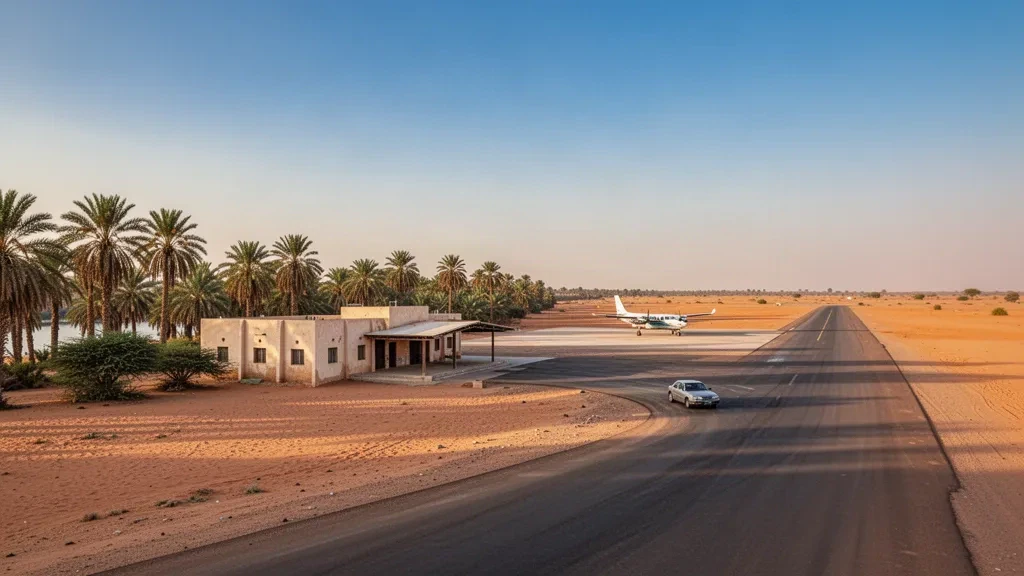
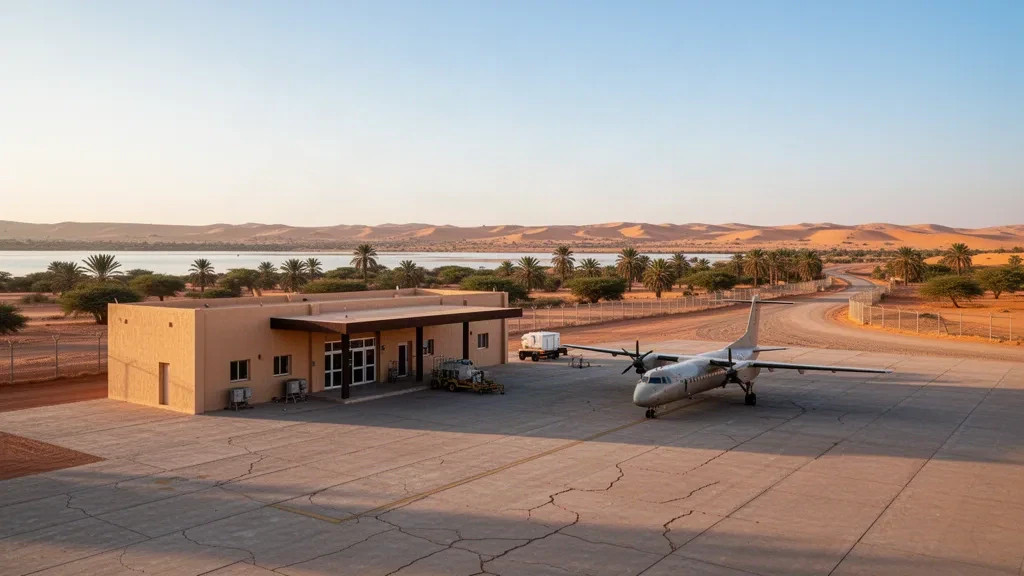
Travel between Dongola Airport and hotels, Nile-side guesthouses, the town centre and archaeological sites around Dongola.
Hourly Chauffeur
Book a private chauffeur by the hour for business appointments, market visits, day trips to Old Dongola and flexible travel across Northern State.
Car Rental
Rent a car in Dongola for independent travel along the Nile route, including journeys toward Karima, Wadi Halfa and other northern Sudan destinations.
Bus & Group Transfers
Arrange minibuses or charter buses for groups visiting archaeological sites, airport pickups, events and multi-day tours in the Dongola region.
Airports in Northern
Frequently Asked Questions
Related Cities in Sudan
View all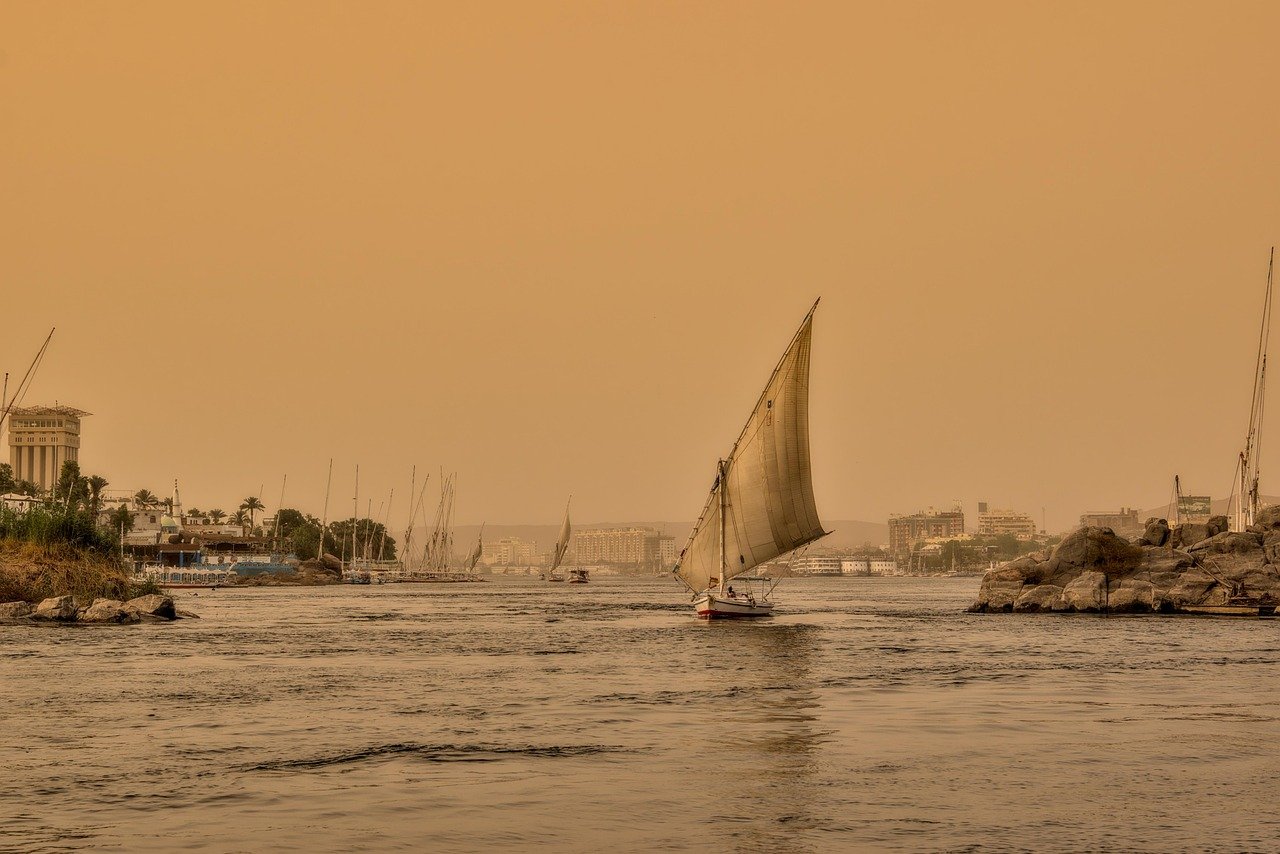
White Nile
White Nile, set along the river of the same name in Sudan, blends agricultural heritage, riverfront life and a strategic position connecting central Sudan with nearby towns.
Al-Fula
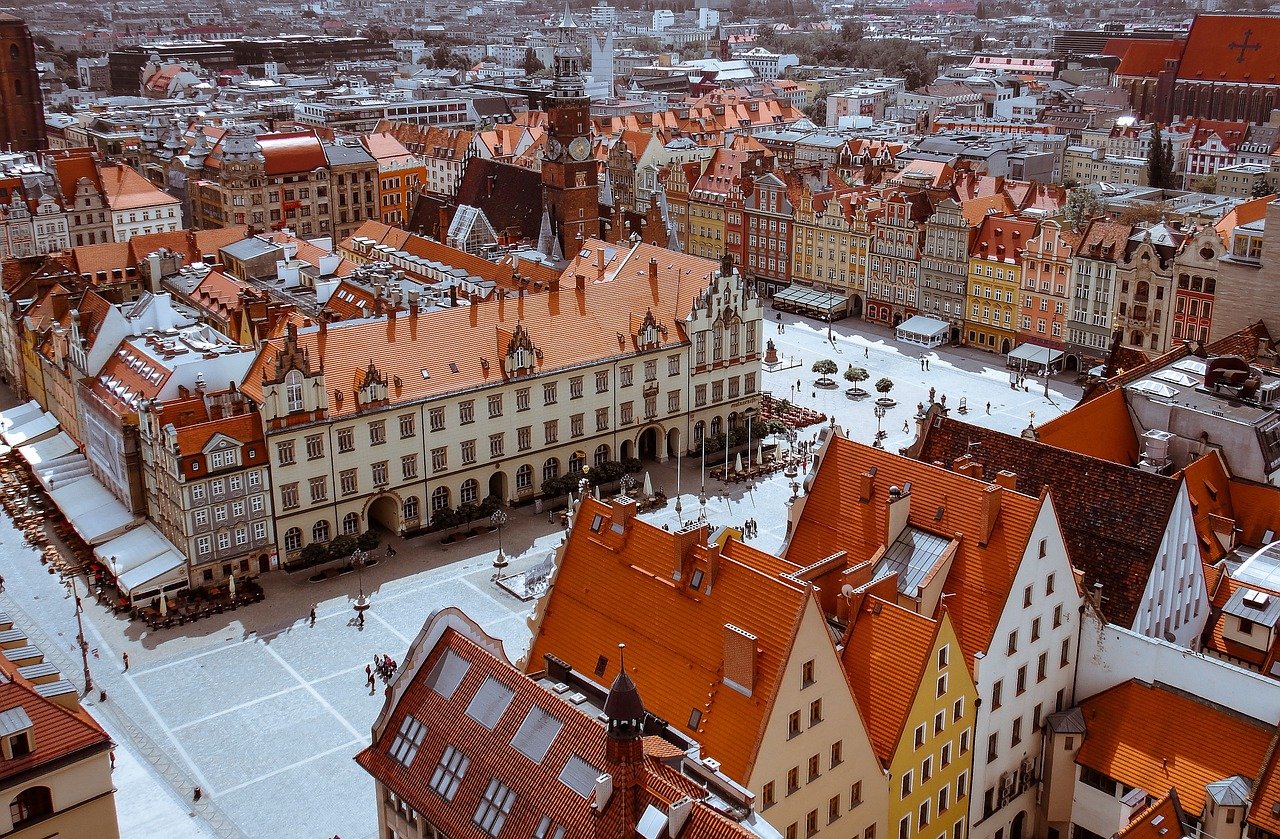
Al-Fula, the capital of Sudan's West Kordofan state, is a regional administrative and trading centre whose markets and surrounding savanna reflect the area's agricultural and pastoral life.
El Geneina
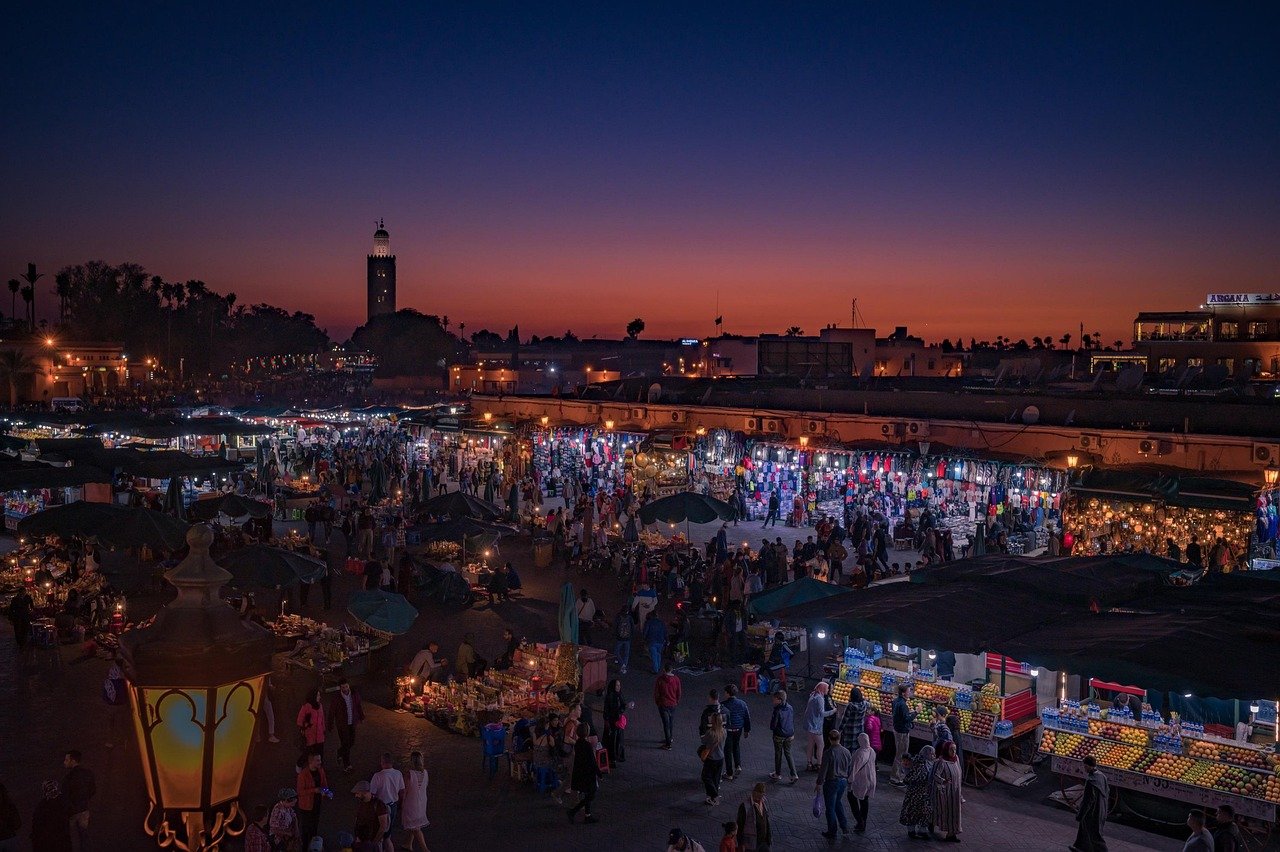
El Geneina, the capital of Sudan's West Darfur state, is a regional administrative and trading centre near the border with Chad.