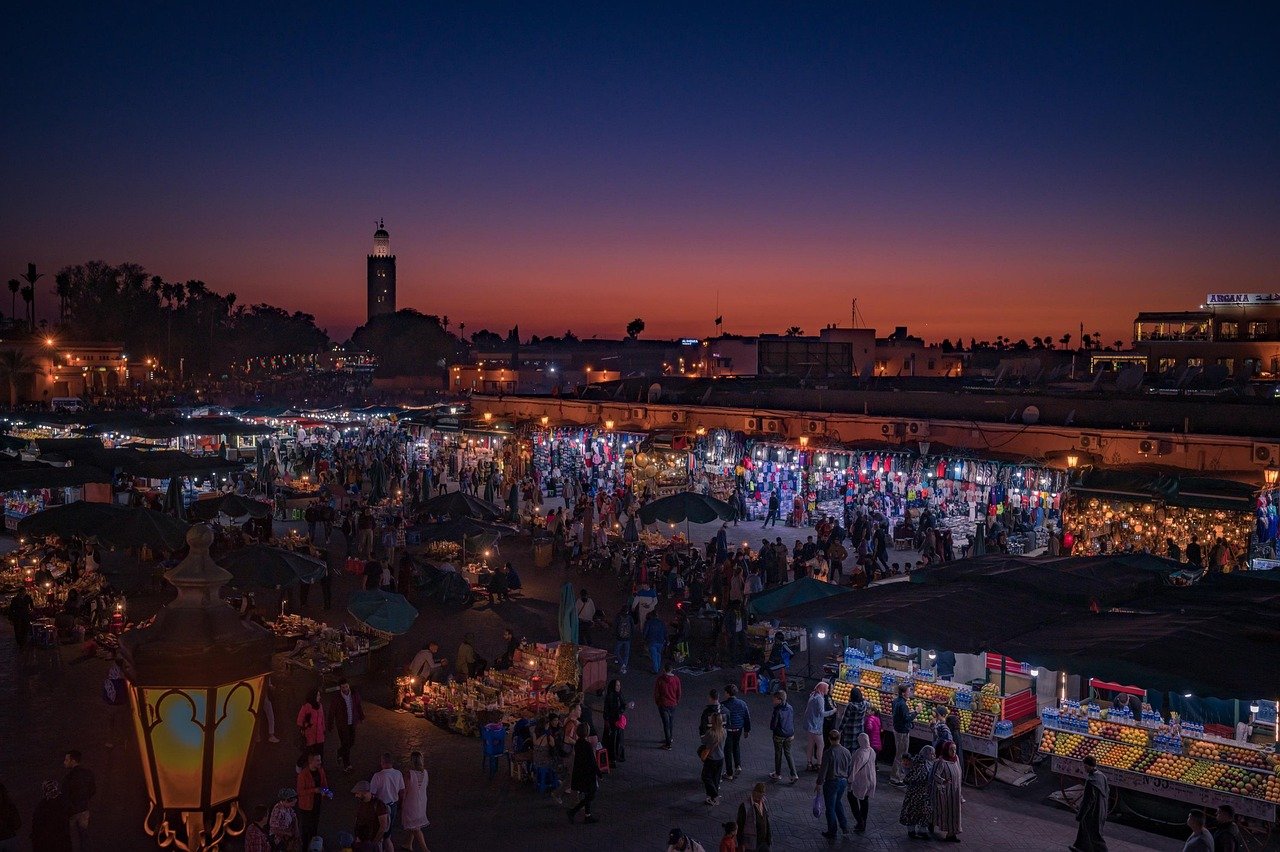
El Obeid
El Obeid, capital of North Kordofan, is a historic trading crossroads in central Sudan, known for its busy markets and its role in the gum arabic and livestock trade. The city has long served as a meeting point for travellers and merchants moving between Khartoum, Darfur and the Sahel.
Passengers
Luggage
About North Kordofan
El-Obeid, also spelled Al-Ubayyid, is the capital of North Kordofan state in central Sudan and a key regional hub for trade, transport and agriculture. The city lies roughly 370 kilometres southwest of Khartoum at the foot of Jebel Kordofan and has long served as a meeting point between western and eastern Sudan.
The city was founded in 1821 under Ottoman-Egyptian rule and developed as a caravan and market town. In 1883 it entered Sudan's modern history when Mahdist forces defeated the Anglo-Egyptian expedition of William Hicks at the nearby Battle of Shaykan, and the town was sacked. After the Anglo-Egyptian reconquest in 1898 it was rebuilt on a planned grid, and the railway to Khartoum and Port Sudan, completed by 1912, strengthened its commercial role.
El-Obeid is known for the Sheikan Museum, which documents the Mahdist period, and for the Our Lady Queen of Africa Cathedral, one of the largest churches in Sudan. Its markets are central to local life, including one of Sudan's biggest camel markets, and the population is predominantly Arab and Nubian Sudanese.
As a business centre, El Obeid is important for gum arabic, livestock, grain and other agricultural trade, and it sits at a junction of national roads and rail routes. The city also has strategic and military significance and hosts an oil refinery established in the 1990s.
For travellers, El Obeid works mainly as a regional gateway for business, humanitarian and overland journeys across Kordofan. Recent conflict in Sudan has affected stability in and around the city, so visitors should check current security conditions and travel advisories before planning a trip.
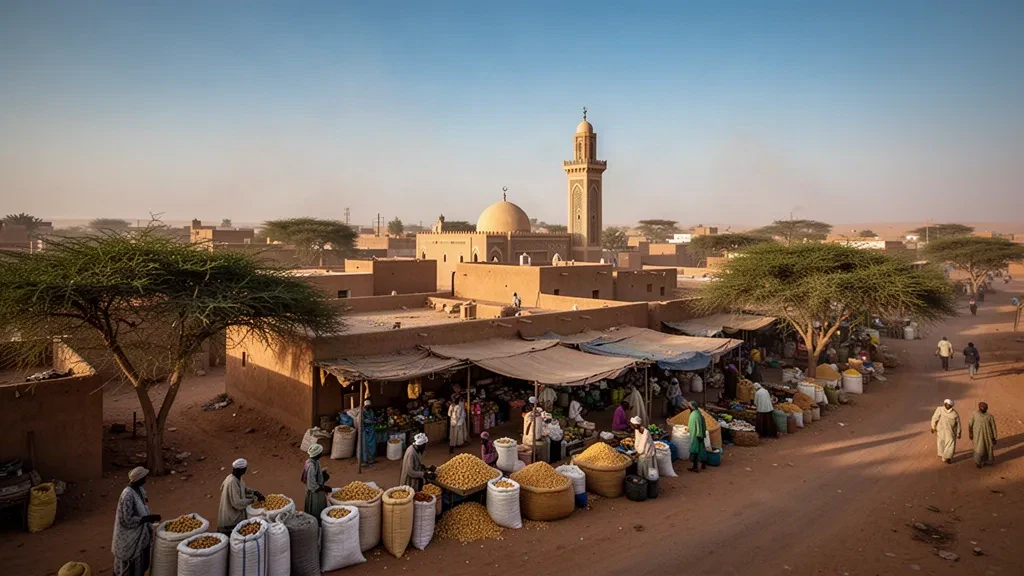
North Kordofan Travel Guide
Best Time to Visit
November to February is generally the most comfortable period, with cooler dry-season weather. The hottest months from April to June are best avoided, and current security conditions should always be reviewed before planning a visit.
How to Get Around
El Obeid is served by taxis, shared minibuses and private vehicles. Central areas can be covered by car, while private transfers and rental cars help with travel to nearby towns and rural parts of North Kordofan.
Where to Stay
Most hotels and guesthouses are concentrated near the city centre, the airport and the main commercial streets. Accommodation choices are limited compared with Khartoum, so business travellers should book ahead.
Food & Drink
Local dining centres on Sudanese staples such as ful medames, kisra, grilled meats and sweet tea. Markets and small restaurants around the centre offer everyday meals, and gum arabic is an important local product.
Ground Transportation Services in North Kordofan
Airport Transfers
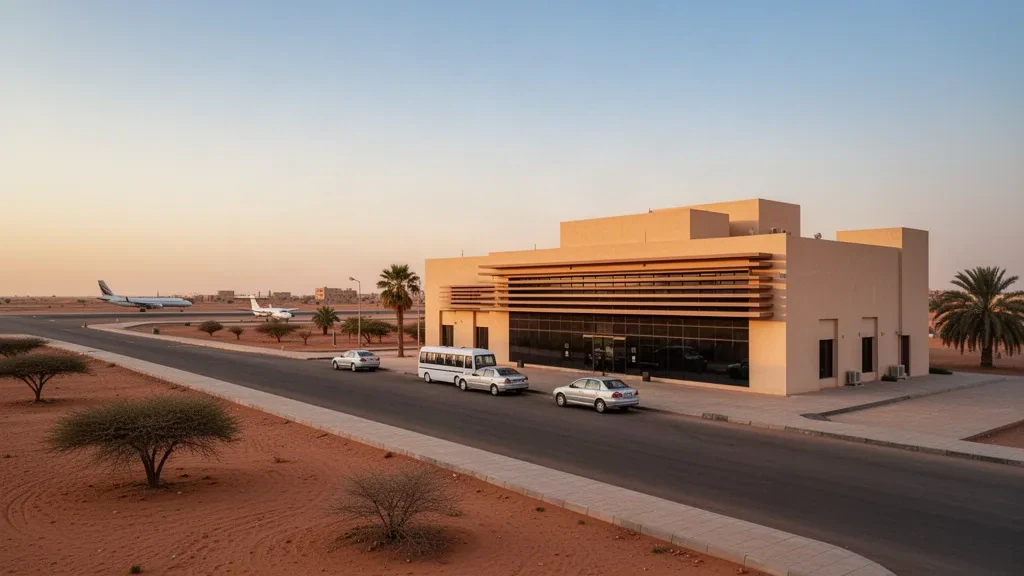
Pre-arranged transfers connect El Obeid Airport with hotels, government offices, business sites and other destinations in the city and nearby areas.
Hourly Chauffeur
A private chauffeur is useful for business meetings, site visits and flexible movement around El Obeid and North Kordofan.
Car Rental
Rental vehicles support independent travel around the city and onward journeys to nearby towns such as Bara and En Nahud.
Bus & Group Transfers
Minibuses and charter buses can be arranged for groups, conferences, humanitarian teams and tours in and around El Obeid.
Frequently Asked Questions
Related Cities in Sudan
View all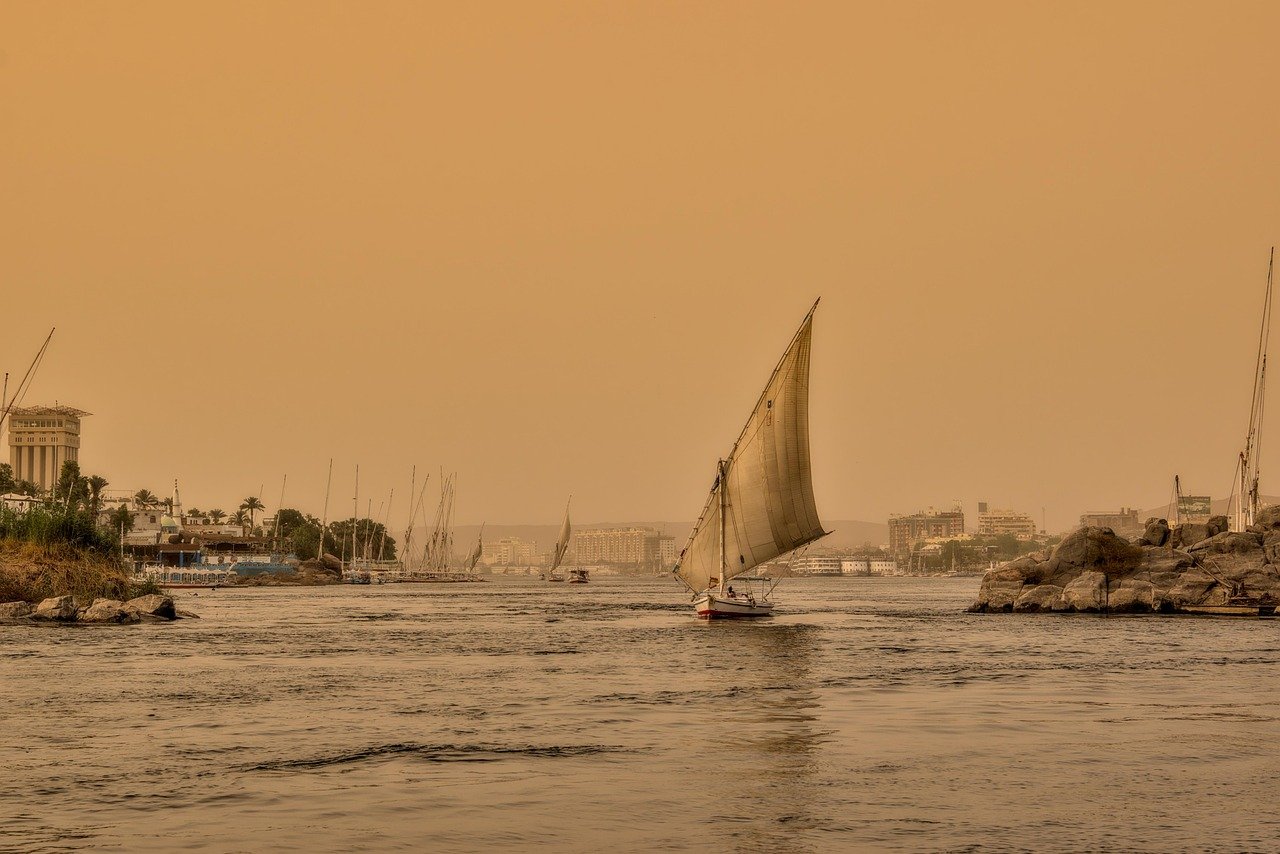
White Nile
White Nile, set along the river of the same name in Sudan, blends agricultural heritage, riverfront life and a strategic position connecting central Sudan with nearby towns.
Al-Fula
Al-Fula, the capital of Sudan's West Kordofan state, is a regional administrative and trading centre whose markets and surrounding savanna reflect the area's agricultural and pastoral life.
El Geneina
El Geneina, the capital of Sudan's West Darfur state, is a regional administrative and trading centre near the border with Chad.