Juba
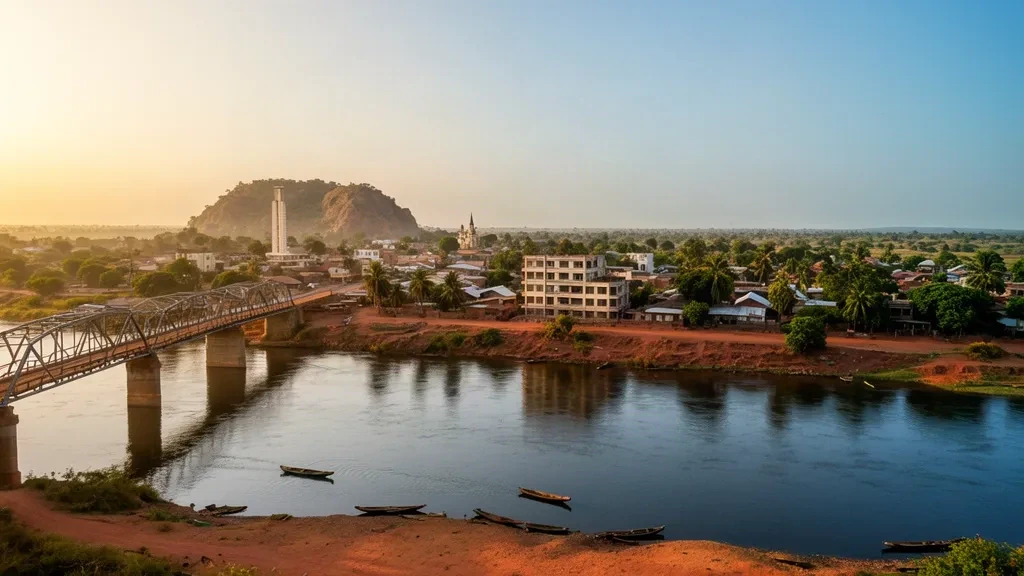
Juba, South Sudan's capital, sits on the White Nile and serves as the country's political and business hub, with bustling markets, riverfront views and a resilient cultural scene.
Passengers
Luggage
About Central Equatoria
Juba is the capital and largest city of South Sudan, the world's youngest country, set on the west bank of the White Nile in Central Equatoria. It is the nation's political, economic and transport hub, blending rapid urban growth with a working riverside character.
Juba grew from a small Bari settlement and river trading post into a regional centre under colonial administration and later a garrison town. After South Sudan's independence in 2011, Juba became the national capital, prompting fast and often unplanned expansion that now shapes much of the city.
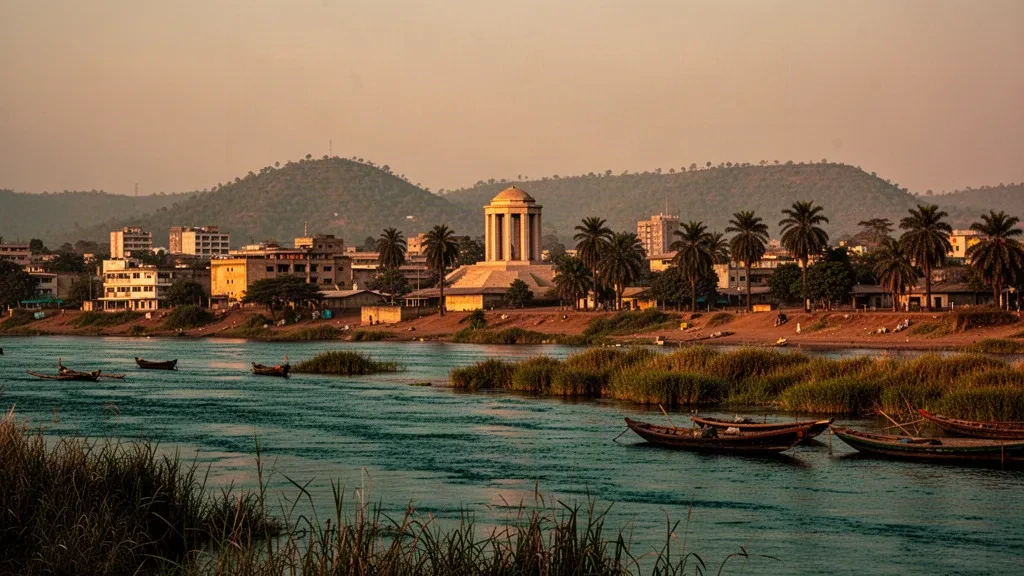
Key landmarks include the John Garang Mausoleum, honouring the independence leader, All Saints Cathedral, the Juba Bridge over the White Nile and the South Sudan National Museum. Konyo Konyo Market offers a dense mix of textiles, household goods and local trade, while the riverfront remains a natural gathering point.
Central Juba, Hai Amarat, Tongping, Gudele and Munuki each have a distinct atmosphere, from government and diplomatic offices to residential and market areas. Restaurants and cafés serve grilled Nile fish, kisra, stews and spiced tea, with newer commercial venues clustering near the river and in expat districts.
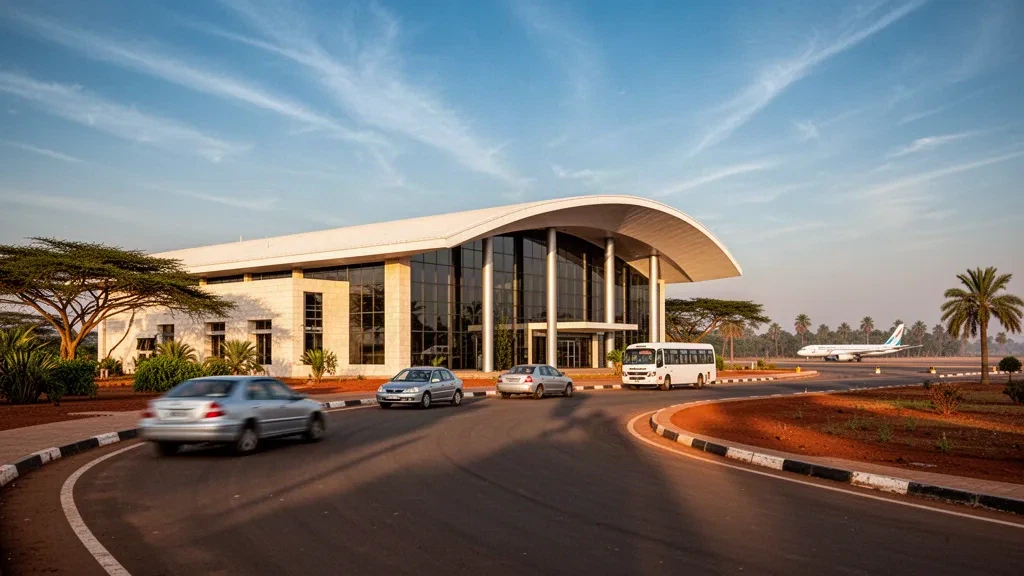
As the seat of government, United Nations agencies, NGOs, banks and oil-sector offices, Juba is the main gateway for business travel in South Sudan. Juba International Airport links the city with East Africa and beyond, making it relevant for both business visitors and adventurous leisure travellers.
Central Equatoria Travel Guide
Best Time to Visit
The dry season from November to March is the most comfortable time to visit Juba, with hot days, drier roads and easier travel around the city. The rainy season from April to October brings heavy showers that can make unpaved streets and out-of-town routes muddy.
How to Get Around
Juba has no formal city bus network, so visitors mainly use taxis, motorcycle taxis known as boda bodas and three-wheeled auto-rickshaws. Many hotels arrange private cars, and a 4x4 is useful for rough roads, especially beyond the paved centre.
Where to Stay
Central Juba near the Nile has hotels close to government offices and landmarks, while Hai Amarat and Tongping host many international hotels, guesthouses and NGO lodgings. Gudele and Munuki offer lower-cost local options.
Food & Drink
Juba's food scene centres on grilled Nile fish, kisra flatbread, stews, beans and dishes such as asida, served at local restaurants and riverside spots. Markets and street stalls sell fresh fruit and spiced tea, while cafés and international restaurants cluster in expat areas.
Ground Transportation Services in Central Equatoria
Airport Transfers
Travel between Juba International Airport and hotels, government districts, business areas and riverside venues across the city with pre-arranged arrival and departure pickups.
Hourly Chauffeur
Book a private driver by the hour for meetings with government offices, NGOs and businesses, as well as sightseeing and flexible travel around Juba.
Car Rental
Rent a vehicle, including 4x4 options suited to Juba's roads, for independent travel around the city and journeys beyond the paved centre.
Bus & Group Transfers
Arrange minibuses or charter buses for delegations, corporate groups, events, airport transfers and tours in and around Juba.
Frequently Asked Questions
Related Cities in South Sudan
View all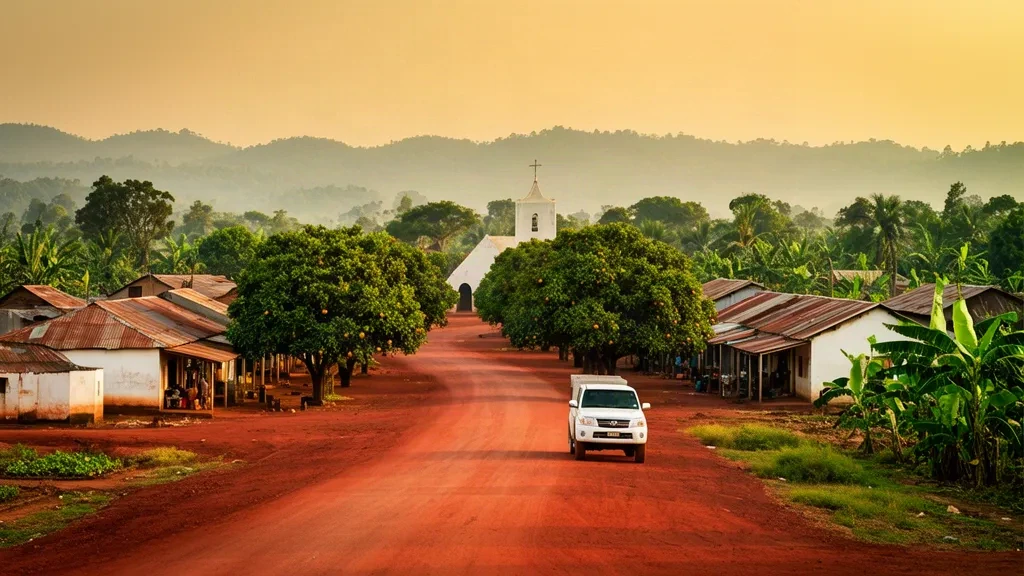
Yambio
Yambio, the capital of Western Equatoria State in South Sudan, is a lush agricultural city with lively markets, teak plantations, and a strong Zande cultural heritage.
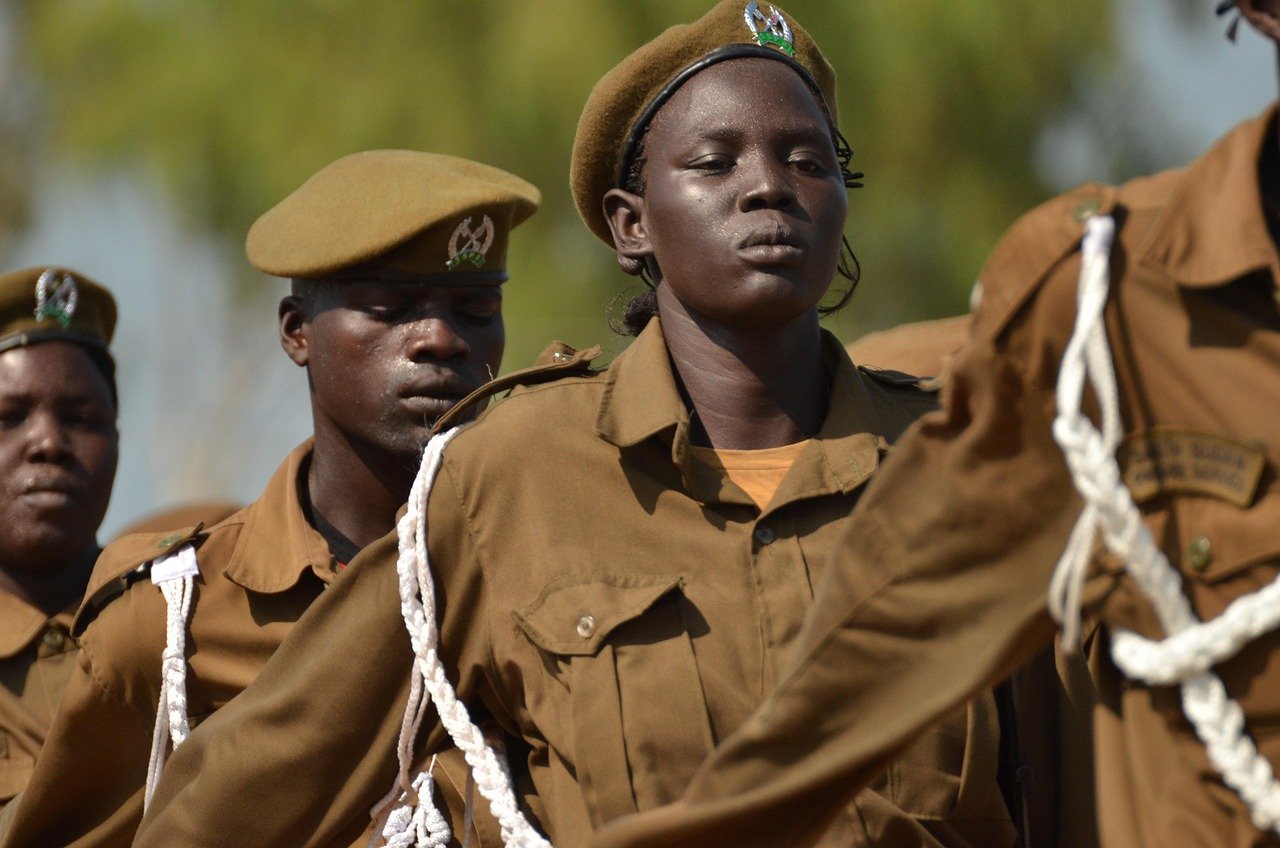
Wau
Wau, capital of Western Bahr el Ghazal, is a historic trading city on the Jur River with busy markets, diverse communities and a role as an administrative and commercial hub in South Sudan.
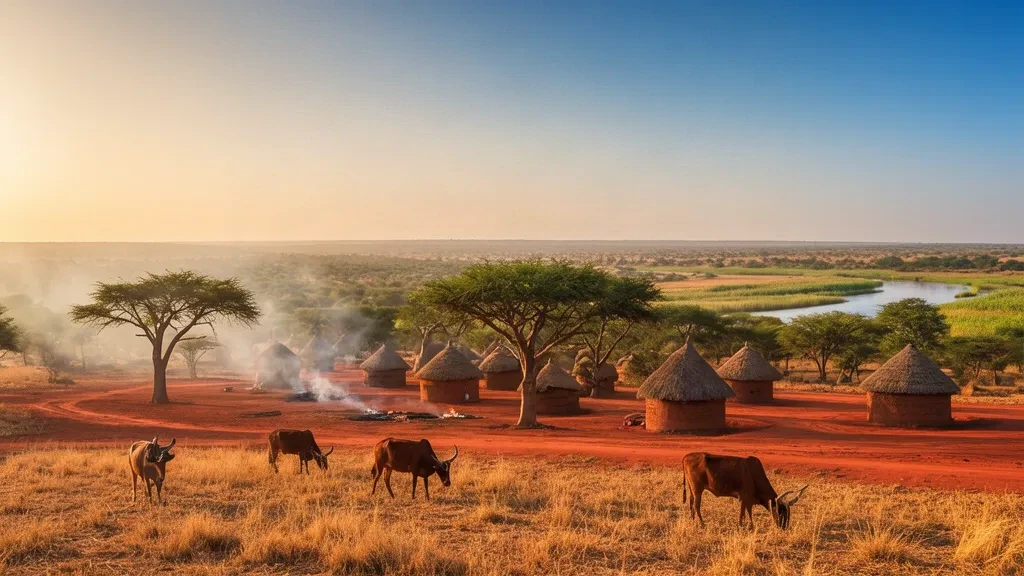
Warrap
Warrap, in South Sudan's savanna belt, is a rural town shaped by Dinka cattle-keeping traditions, local markets and a quiet pace of life.