Warrap
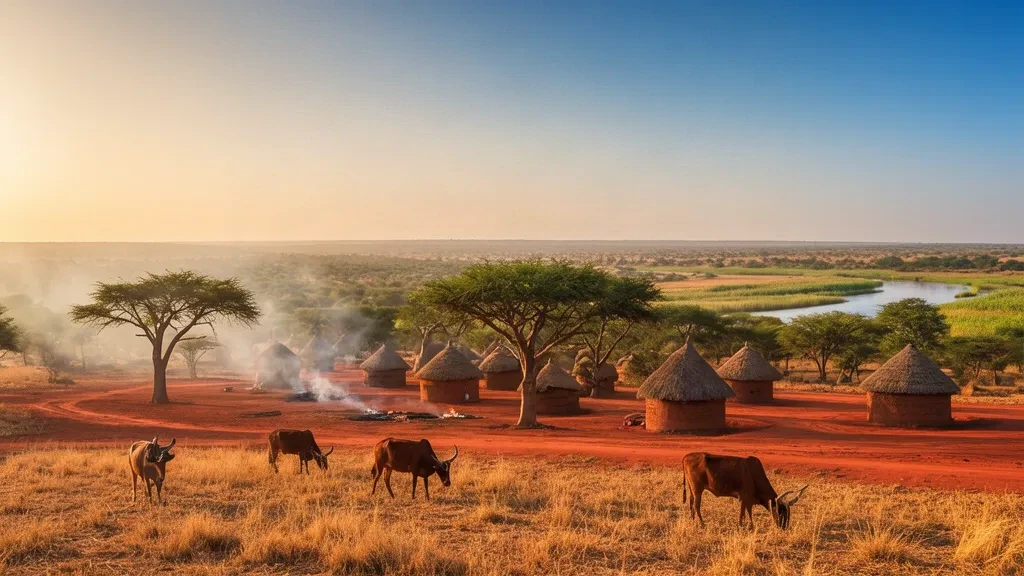
Warrap, in South Sudan's savanna belt, is a rural town shaped by Dinka cattle-keeping traditions, local markets and a quiet pace of life.
Passengers
Luggage
About Warrap
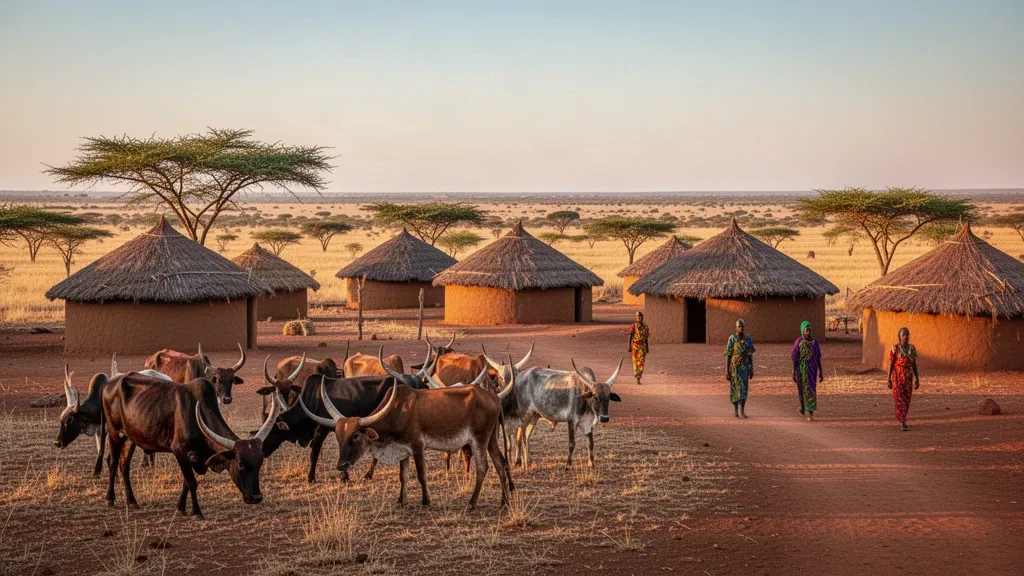
Warrap is a rural state in northwestern South Sudan, part of the Bahr el Ghazal region, with its administrative capital at Kuajok. The state is best known for its Dinka cattle culture, flat grassland and savanna landscape, and strong clan-based community life across six counties: Twic, Tonj East, Tonj South, Tonj North, Gogrial East and Gogrial West.
Warrap became a separate state in 1994, when it was split from the former Bahr el Ghazal province, and it is one of South Sudan's ten states today. The capital was moved from the small town of Warrap to Kuajok in 2007, and between 2015 and 2020 the state's southern counties briefly formed part of the temporary Tonj State before the ten-state system was restored in 2020.
The population is predominantly Dinka, including Rek, Twic Mayardit and Luac-jang communities, with smaller Bongo and Jur-Manangeer groups in the south and east. Kuajok centres on a modest market and administrative grid beside the Jur River, while towns such as Tonj, Gogrial, Twic and Warrap act as county hubs and cattle-market stops.
Livestock, especially cattle, and rain-fed agriculture dominate the local economy, and infrastructure remains limited. The main all-weather road linking Wau with Abyei passes through Kuajok, and recent road rehabilitation has improved movement across the state and toward Unity and Abyei.
For visitors, Warrap is not a mainstream tourist destination but offers a direct view of South Sudanese pastoral life, local markets and NGO and development activity. Travel is most practical in the dry season, and journeys generally require four-wheel-drive vehicles, local contacts and current security information.
Warrap Travel Guide
Best Time to Visit
The dry season from November to March is the most practical time to travel in Warrap, when unpaved roads and tracks are passable and market days are easier to reach. The rainy season from May to October brings heavy downpours that can make rural roads muddy and cut off some villages.
How to Get Around
Public transport is limited and mostly consists of shared taxis, minibuses and trucks between Kuajok, Tonj, Gogrial and other county towns, with motorbike taxis for short trips in towns. A four-wheel-drive vehicle with a driver is the most reliable option for reaching rural payams and cattle camps.
Where to Stay
Kuajok has a small number of basic guesthouses and lodges used mainly by government and NGO visitors, while county towns such as Tonj, Gogrial and Warrap offer simple rooms. Accommodation standards are modest, and it is wise to arrange stays in advance through local contacts.
Food & Drink
Meals centre on local staples such as sorghum, millet, dried fish from the Jur River, milk and meat, often eaten at small market eateries in Kuajok and county towns. Tea and soft drinks are widely available, and buying fruit, vegetables and roasted maize from local markets is common.
Ground Transportation Services in Warrap
Airport Transfers
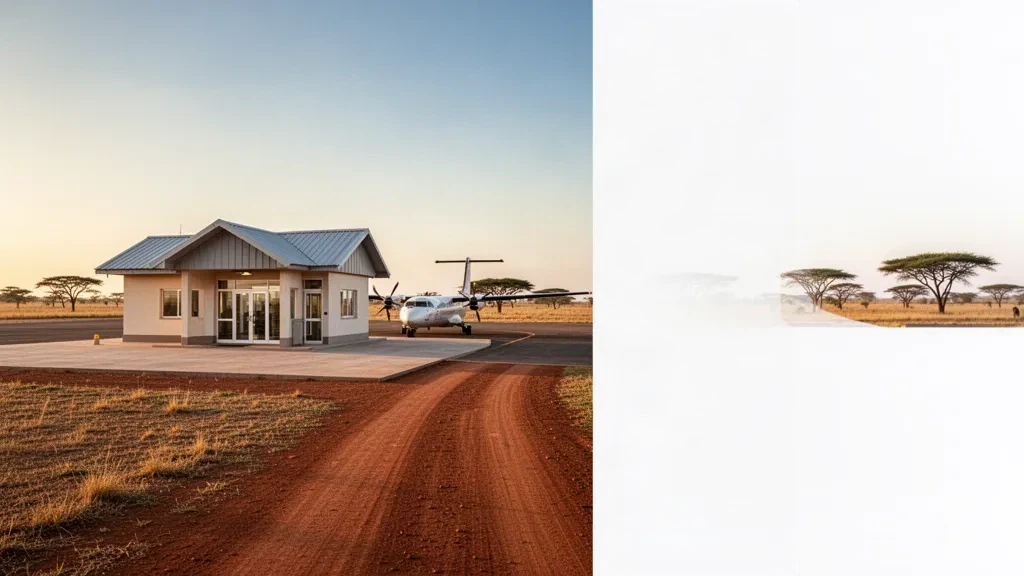
Travel between Juba International Airport, Wau Airport or Kuajok Airport and hotels, offices and field locations across Warrap State, including Kuajok, Tonj and Gogrial.
Hourly Chauffeur
Book a private chauffeur by the hour for meetings in Kuajok, NGO field visits, market trips and travel between county towns across Warrap State.
Car Rental
Rent a four-wheel-drive vehicle for independent travel around Warrap, where road conditions often require high-clearance cars and experienced drivers.
Bus & Group Transfers
Arrange minibuses or charter buses for NGO teams, events, community visits and group transfers between Juba, Wau, Kuajok, Tonj and other destinations in Warrap State.
Frequently Asked Questions
Related Cities in South Sudan
View all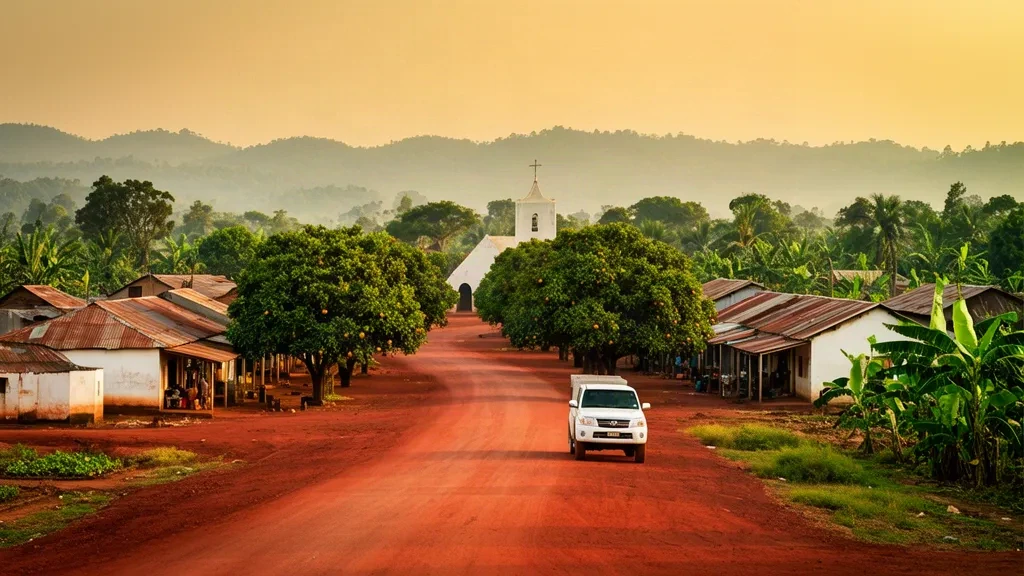
Yambio
Yambio, the capital of Western Equatoria State in South Sudan, is a lush agricultural city with lively markets, teak plantations, and a strong Zande cultural heritage.
Wau
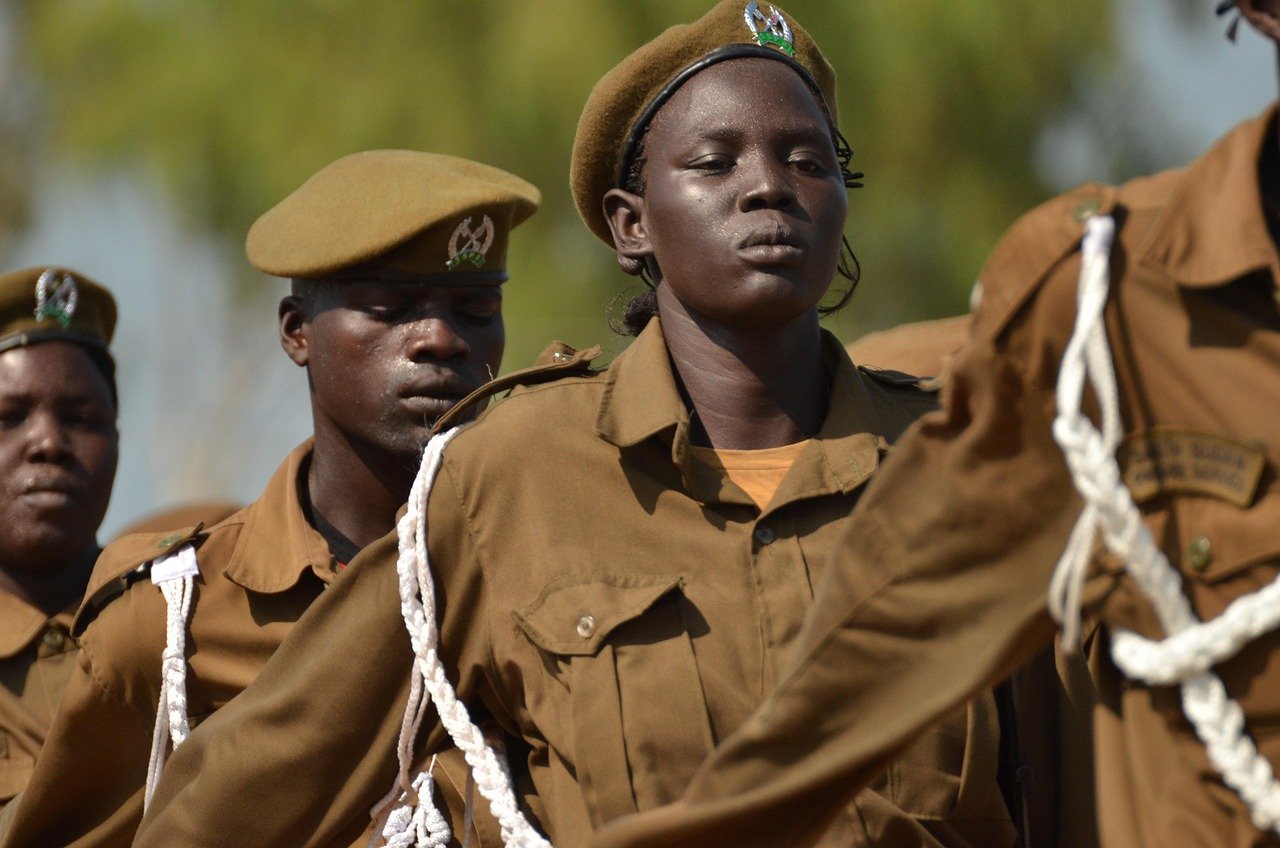
Wau, capital of Western Bahr el Ghazal, is a historic trading city on the Jur River with busy markets, diverse communities and a role as an administrative and commercial hub in South Sudan.
Malakal
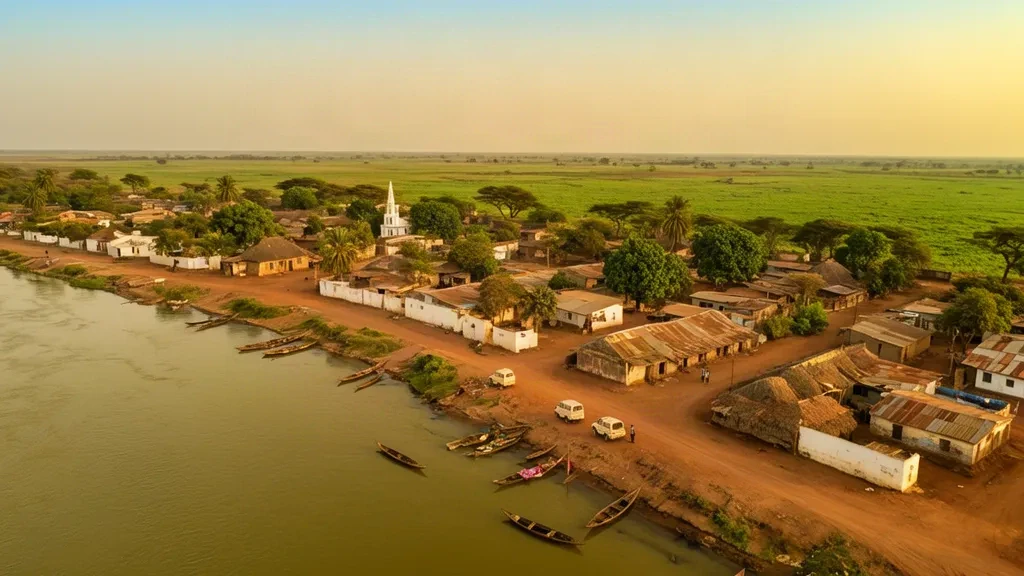
Malakal, a river port on the White Nile, serves as the capital of South Sudan's Upper Nile State, where market streets, river trade and a resilient local culture shape daily life.