Yambio
Yambio, the capital of Western Equatoria State in South Sudan, is a lush agricultural city with lively markets, teak plantations, and a strong Zande cultural heritage.
Passengers
Luggage
About Western Equatoria
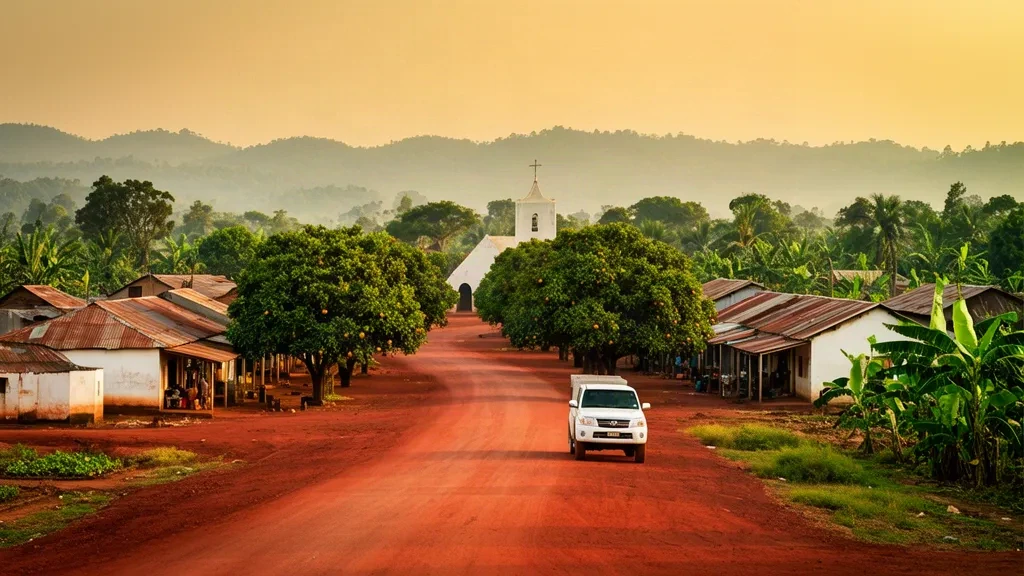
Yambio is the capital of Western Equatoria State in southwestern South Sudan, set in the country's green belt near the borders with the Democratic Republic of the Congo and the Central African Republic. The town is the historic and cultural heart of the Azande people and serves as a regional centre for agriculture, trade and local government.
The legacy of Azande King Gbudwe, who resisted colonial conquest and whose tomb lies in Yambio, remains central to local identity. In 2022 the Azande Kingdom was formally reinstated in the town, reinforcing its importance as a cultural centre. Churches, traditional homesteads and community celebrations reflect a mix of Zande heritage and Christian institutions.
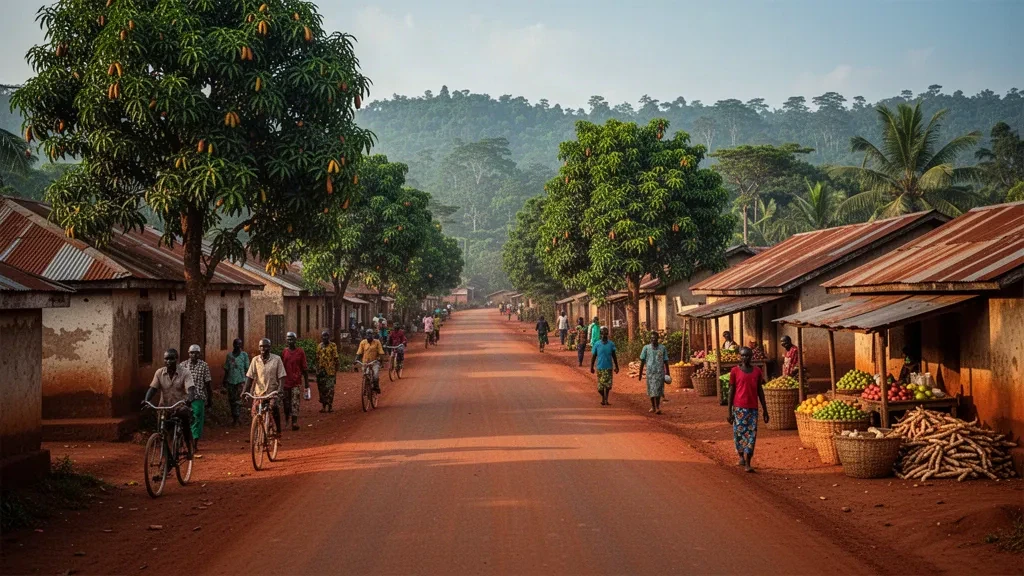
Around the compact centre, Yambio Market, King Gbudwe's tomb, St. Paul Cathedral and Gbudue Stadium are among the main reference points. The town extends into leafy residential areas and surrounding farmland, where mango, pineapple, cassava, maize and teak are widely grown.
Agriculture and cross-border trade drive the local economy, and the annual Yambio Agricultural Show draws farmers, traders and visitors from across Western Equatoria. NGOs, UN agencies and church institutions also maintain a visible presence, supporting travel for humanitarian and development work.
For travellers, Yambio offers a quieter, greener side of South Sudan and works well as a base for exploring nearby towns such as Nzara, Maridi and Tambura. Business visitors and leisure travellers alike come for field missions, cultural events and the region's distinctive tropical farmland landscape.
Western Equatoria Travel Guide
Best Time to Visit
The dry season from December to March is the most practical time to visit Yambio, when unpaved roads are more passable and movement around Western Equatoria is easier. The rainy months from April to November bring heavy rain and difficult road conditions, though the landscape is at its greenest.
How to Get Around
Yambio is small enough to cover on foot or by motorcycle taxi within the town centre. For longer journeys to nearby towns such as Nzara, Maridi or Tambura, visitors typically use four-wheel-drive vehicles, local buses or arranged private transport, as road conditions vary with the seasons.
Where to Stay
Most guesthouses and small lodges are concentrated around the town centre and near Yambio Market, with simple rooms and basic services. Quieter lodge options sit on the outskirts, and it is advisable to book ahead and confirm security as well as water and power arrangements.
Food & Drink
Local food centres on cassava, maize, sorghum, sweet potatoes, groundnuts and tropical fruit such as mangoes and pineapples. Small restaurants and market stalls serve stews, grilled meat and rice, while tea stands and guesthouse dining provide everyday options for visitors.
Ground Transportation Services in Western Equatoria
Airport Transfers
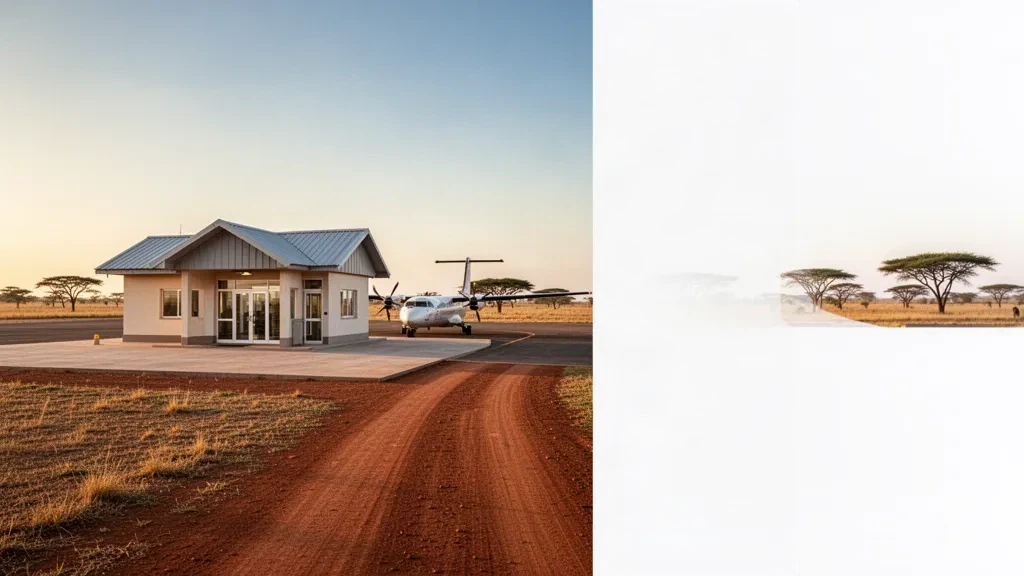
Travel between Yambio Airport and guesthouses, lodges, offices or field sites in and around Yambio, with pre-arranged vehicles meeting arriving flights.
Hourly Chauffeur
Book a private driver by the hour for business appointments, NGO and agency site visits, market trips or movement between Yambio and nearby settlements.
Car Rental
Rent a vehicle for independent travel around Yambio and Western Equatoria, with four-wheel-drive options recommended for unpaved and seasonal roads.
Bus & Group Transfers
Organise minibuses or charter vehicles for teams, conference delegates, agricultural-show visitors and other groups travelling to, from or within Yambio.
Frequently Asked Questions
Related Cities in South Sudan
View all
Wau
Wau, capital of Western Bahr el Ghazal, is a historic trading city on the Jur River with busy markets, diverse communities and a role as an administrative and commercial hub in South Sudan.
Warrap
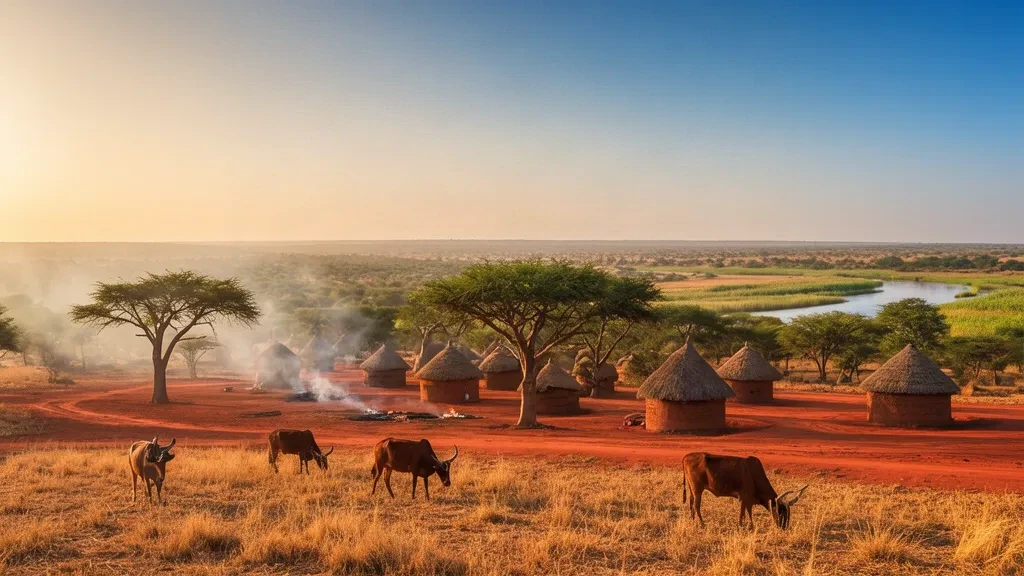
Warrap, in South Sudan's savanna belt, is a rural town shaped by Dinka cattle-keeping traditions, local markets and a quiet pace of life.
Malakal
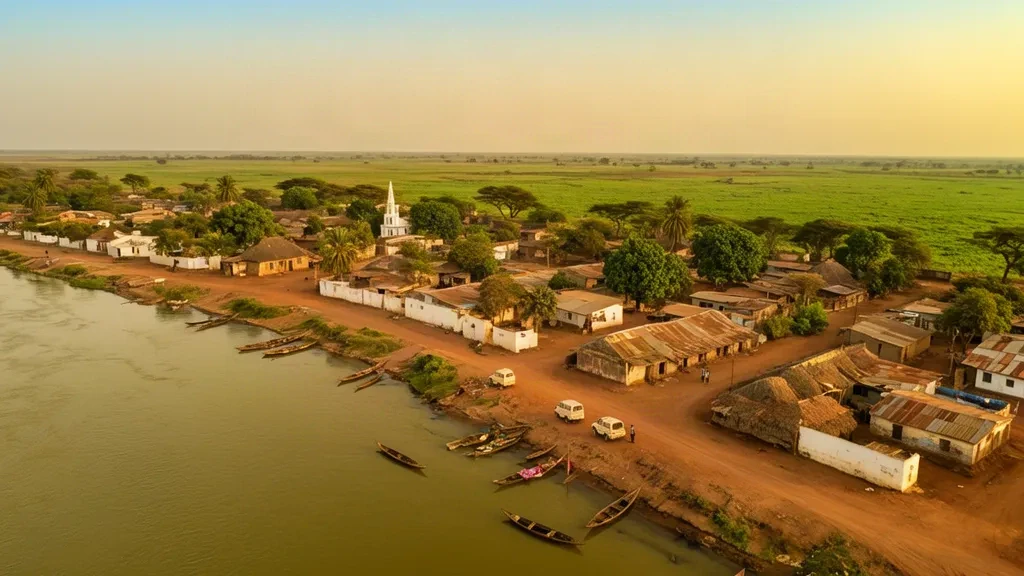
Malakal, a river port on the White Nile, serves as the capital of South Sudan's Upper Nile State, where market streets, river trade and a resilient local culture shape daily life.