Malakal
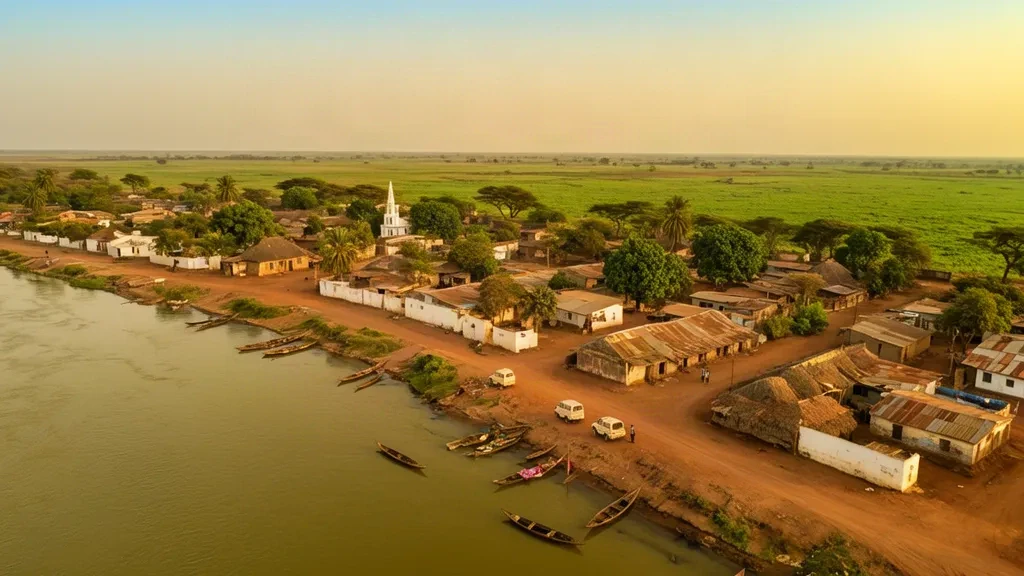
Malakal, a river port on the White Nile, serves as the capital of South Sudan's Upper Nile State, where market streets, river trade and a resilient local culture shape daily life.
Passengers
Luggage
About Upper Nile
Malakal is the capital of Upper Nile State in northeastern South Sudan. It lies on the east bank of the White Nile, just north of the Sobat River confluence, and has long served as a river port, market town and administrative centre for the surrounding region.
The town grew as a colonial-era and later national administrative and commercial hub, but decades of conflict have shaped much of its recent history. Its position near the Sudan border and along a key Nile route has made it strategically important, and wartime damage remains visible in parts of the town.
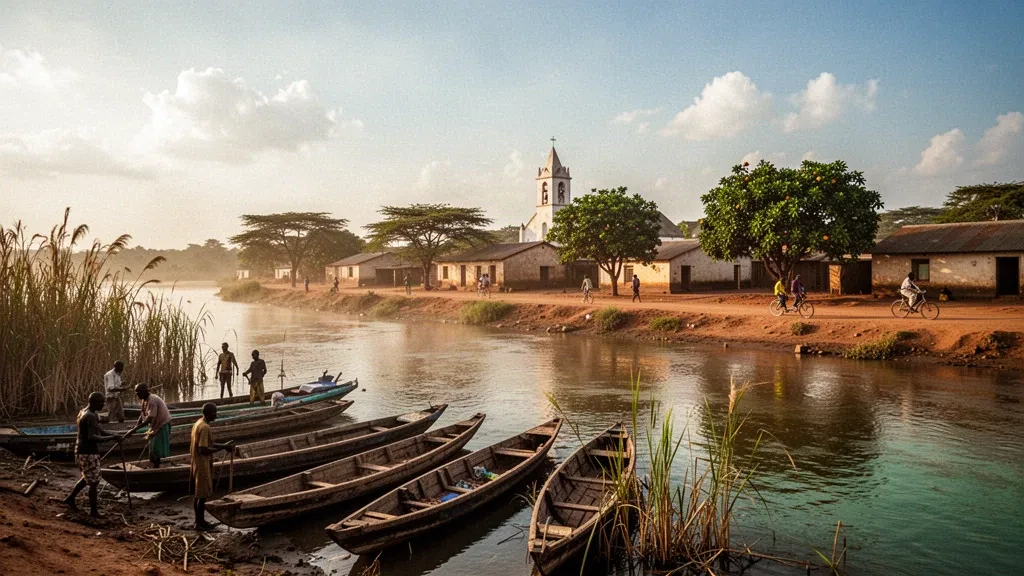
Landmarks and daily life centre on the White Nile waterfront, the Sobat River confluence, Konyo Konyo market and St Joseph's Cathedral. The port, the airport and the nearby Upper Nile University reflect Malakal's role as a service and transport node for Upper Nile State.
Malakal's economy is tied to river trade, public administration, aid operations and local markets. The population is ethnically diverse, with Shilluk, Dinka and Nuer communities, and English is the official language while Arabic and local languages are widely used.
For travellers, Malakal is a base for business, humanitarian work and access to the Upper Nile region rather than a conventional leisure destination. Visitors should check current security advice, plan transfers in advance and expect limited but functional accommodation and services.
Upper Nile Travel Guide
Best Time to Visit
The dry season from November to April is the most practical time to visit Malakal, when roads and airstrips are more accessible. The rainy season from May to October can bring flooding and difficult travel, and the hottest months can be extremely uncomfortable.
How to Get Around
Malakal is small enough to explore on foot for short trips, while motorcycle taxis, rickshaws and private cars are common for longer journeys. Road conditions vary, so four-wheel-drive vehicles are often the most reliable option, especially outside the town centre.
Where to Stay
Accommodation in Malakal is limited, with guesthouses and small hotels concentrated near the town centre, the airport and the Nile waterfront. Many visitors working with aid agencies or businesses stay in pre-arranged compound lodging, so early booking and security checks are advisable.
Food & Drink
Malakal's food reflects Sudanese and South Sudanese influences, with dishes such as kisra, asida, stews and grilled Nile fish served in local restaurants and market stalls. Tea and coffee stands are common, and Konyo Konyo market is a useful place to buy fresh produce and street food.
Ground Transportation Services in Upper Nile
Airport Transfers
Pre-arranged transport between Malakal International Airport and guesthouses, offices, UN compounds and other locations in Malakal and nearby areas.
Hourly Chauffeur
Book a private chauffeur by the hour for business meetings, humanitarian site visits, airport pickups and flexible travel around Malakal.
Car Rental
Rent a four-wheel-drive vehicle in Malakal for independent travel around town and journeys to nearby sites, with a driver or self-drive options.
Bus & Group Transfers
Arrange minibuses or charter buses for NGO teams, corporate groups, events, airport transfers and field trips in and around Malakal.
Frequently Asked Questions
Related Cities in South Sudan
View all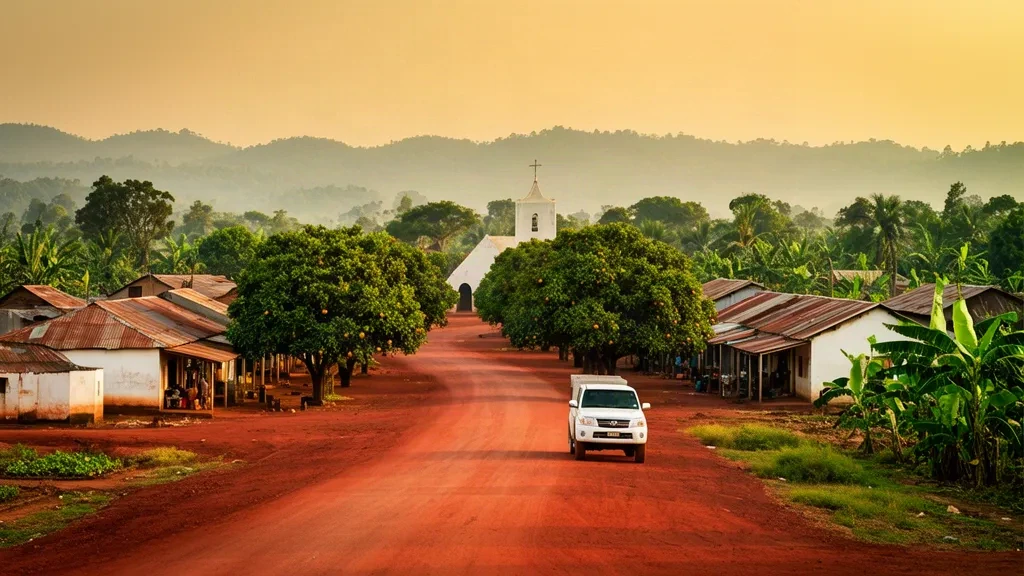
Yambio
Yambio, the capital of Western Equatoria State in South Sudan, is a lush agricultural city with lively markets, teak plantations, and a strong Zande cultural heritage.
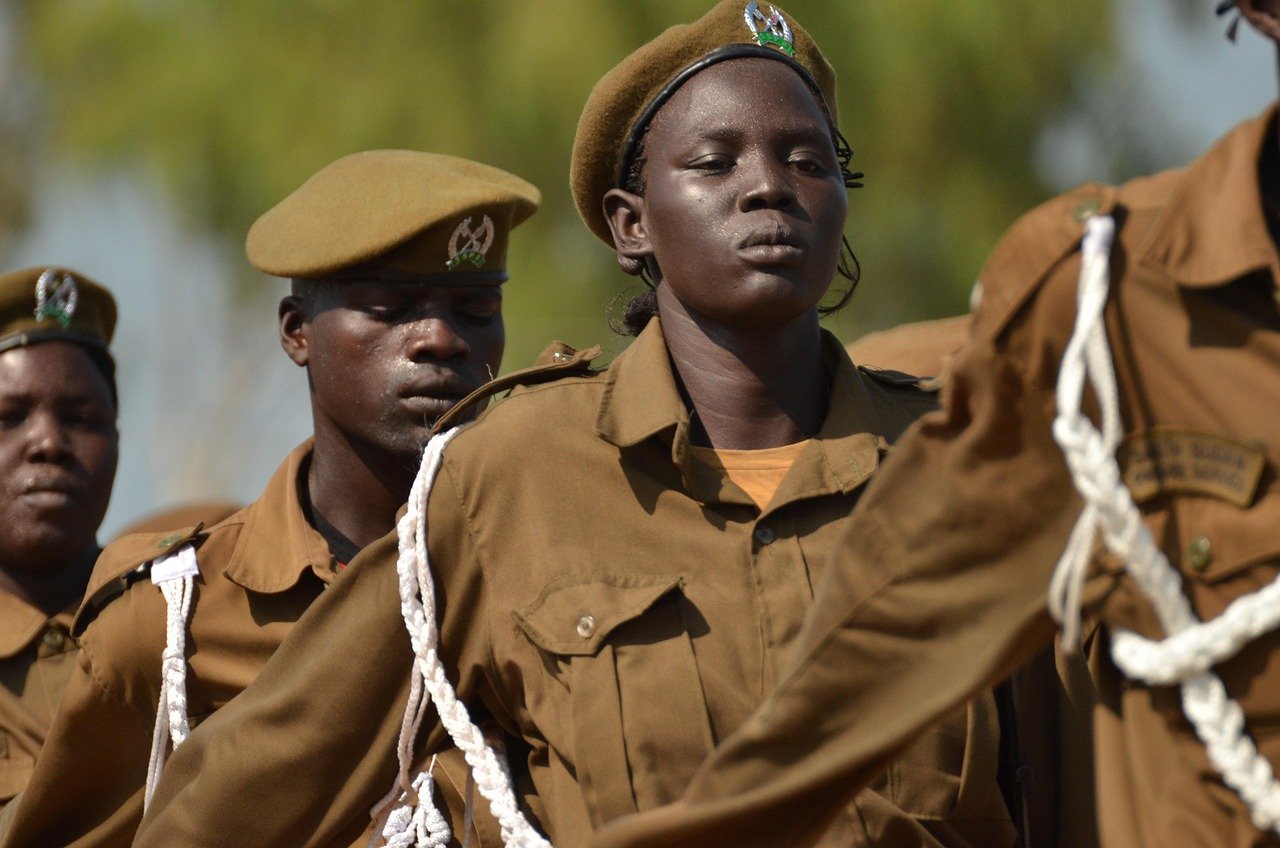
Wau
Wau, capital of Western Bahr el Ghazal, is a historic trading city on the Jur River with busy markets, diverse communities and a role as an administrative and commercial hub in South Sudan.
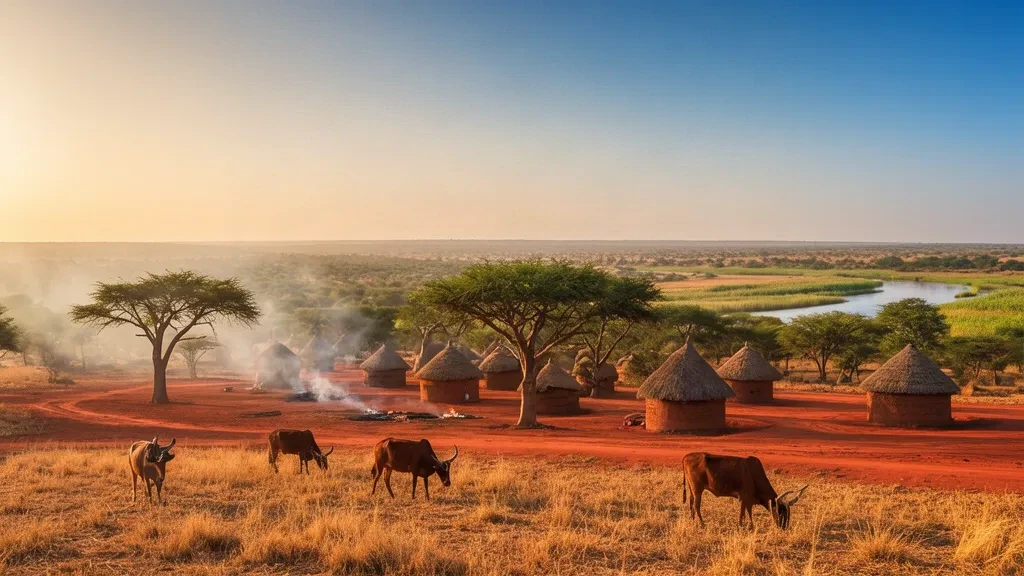
Warrap
Warrap, in South Sudan's savanna belt, is a rural town shaped by Dinka cattle-keeping traditions, local markets and a quiet pace of life.